Some food mistakes do not arrive with warning sirens. They slide into our daily routine as rushed breakfasts, stress snacks, sweet drinks, late dinners, and “healthy” packaged foods that look harmless on the shelf. We tell ourselves one small habit cannot do much damage, but the body pays attention to patterns more than excuses.
That is what makes these eating habits so dangerous. They feel normal until our energy drops, our digestion gets moody, our sleep suffers, our cravings grow louder, or our clothes start fitting differently. The problem is rarely one dramatic meal. It is the quiet repetition of choices that slowly trains the body to run on chaos rather than on real nourishment.
Mindless Snacking That Turns Into Hidden Overeating
Mindless snacking is one of the easiest ways to eat more than we realize. A few chips during a movie, a handful of cookies while working, a bite of leftovers from the fridge, and a little candy from the desk drawer can quietly add up before the body even feels like it has eaten. The worst part is that this habit usually happens while our attention is elsewhere, so the brain barely registers the food as a real meal.
Over time, this weakens the connection between hunger and eating. We start reaching for food because we are bored, distracted, tired, or surrounded by snacks, not because the body truly needs fuel. A simple fix is to stop eating straight from bags, boxes, or containers. Put snacks on a plate, sit down, and make the portion visible. That tiny pause can make a big difference by forcing the habit out of autopilot.

Sugary Drinks That Flood the Body With Empty Calories
Sugary drinks are dangerous because they feel light, quick, and refreshing, yet they can carry a heavy load of sugar. Soda, sweet tea, energy drinks, flavored coffee, fruit punches, and some bottled smoothies can deliver calories without triggering real fullness. That means we can drink a large amount of sugar and still feel hungry enough to eat a full meal afterward.
The damage becomes worse when these drinks become part of the daily routine. They can keep cravings alive, make balanced eating harder, and train the taste buds to expect sweetness all day. Water, unsweetened tea, sparkling water, or coffee with less sugar can help reset that pattern. We do not have to give up every sweet drink forever, but treating them as occasional choices rather than daily habits can help protect the body from a quiet sugar overload.

Skipping Breakfast Then Crashing Later
Skipping breakfast can look like control, especially when we are trying to eat less. The problem often appears later in the day when hunger comes roaring back. By lunchtime or mid-afternoon, the body may start pushing hard for quick energy, often leading to pastries, chips, fast food, candy, or oversized portions at the next meal.
A better breakfast does not have to be fancy or heavy. The goal is to give the body a steady source of nutrients, especially protein and fiber. Eggs with vegetables, oatmeal with nuts, Greek yogurt with fruit, or whole-grain toast with peanut butter can help keep hunger from turning into panic later. When we skip the first useful fuel of the day, we often pay for it through cravings, mood dips, and overeating when our willpower is already tired.
Eating Too Fast Before the Body Can Say Enough
Eating too quickly is one of those habits that feels normal in a busy life. We rush through lunch between tasks, inhale dinner while scrolling, or finish a plate before we even taste half of it. The problem is that the body needs time to recognize fullness. When we eat fast, we can blow past the point of comfort before the brain catches up.
This habit can lead to bloating, sluggishness, overeating, and that heavy feeling that arrives after a rushed meal. Slowing down makes food more satisfying and gives the body a fair chance to send signals. Chew properly, put the fork down between bites, sip water during meals, and avoid treating every meal like a deadline. Eating more slowly sounds simple, but it can turn an ordinary plate into enough food rather than too much.
Living on Processed Foods That Leave the Body Underfed
Processed foods are convenient, cheap, and easy to crave, which is exactly why they can become a problem. Packaged snacks, instant noodles, frozen meals, processed meats, sugary cereals, pastries, and fast foods can fill the stomach without providing the body with what it truly needs. Many are high in sodium, added sugar, refined carbs, and unhealthy fats, while being low in fiber, vitamins, and minerals.
The body may be getting calories, but it can still be undernourished. That is the quiet trap. We feel full for a moment, then hungry again, tired again, or stuck chasing more flavor because the meal did not truly satisfy. A better pattern is to build more meals around real foods such as beans, eggs, vegetables, fruits, fish, lean meat, nuts, yogurt, potatoes, oats, and whole grains. The more often whole foods become the base, the less control processed foods have over our appetite.

Eating Restaurant and Takeout Meals Too Often
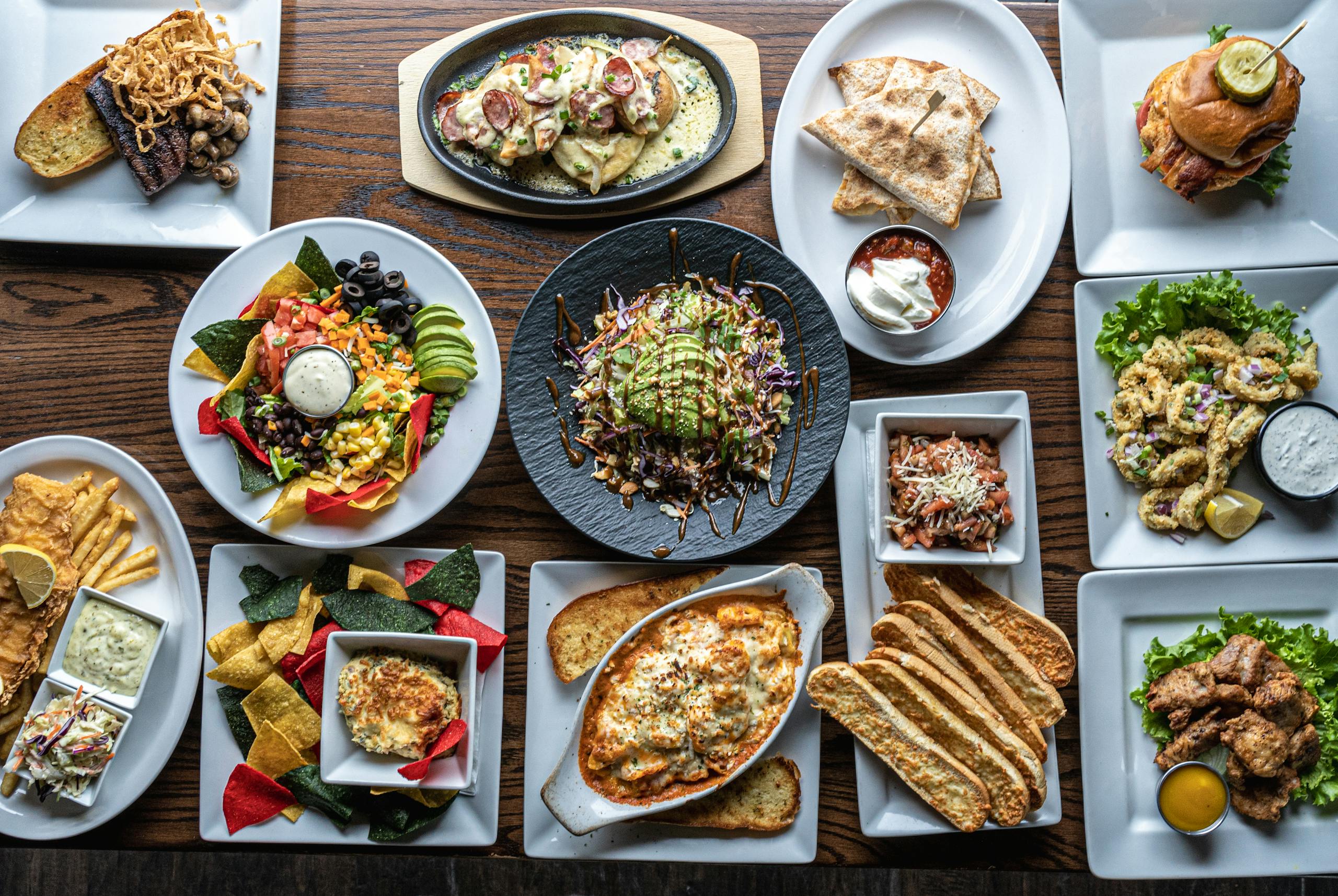
Restaurant food is made to taste good, not to protect our health goals. That often means bigger portions, more salt, more oil, more butter, more sugar, and sauces that quietly turn a normal meal into a calorie bomb. Eating out once in a while is not the problem. The danger begins when takeout becomes the default answer to tiredness, stress, convenience, or poor planning.
Frequent restaurant meals can make it harder to control sodium, portion sizes, and ingredient quality. Cooking at home more often gives us back control over what goes into the food and how much ends up on the plate. When we do eat out, we can choose grilled or roasted options, ask for sauces on the side, skip sugary drinks, and save half the meal for later. Small choices matter because restaurant portions can make overeating feel completely normal.

Falling for “Healthy” Labels That Hide the Real Problem
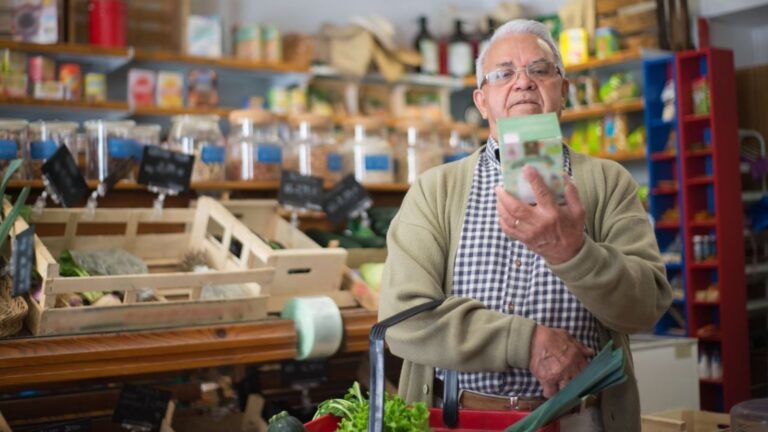
Food packages know how to flirt with our good intentions. Words like “natural,” “low-fat,” “multigrain,” “light,” “organic,” and “made with real fruit” can make a product look healthier than it really is. The front of the package tells the sales story. The nutrition label tells the truth.
This habit is risky because we may eat more of something simply because it sounds healthy. A low-fat snack may still be high in sugar. A granola bar may look wholesome, but behave like dessert. A bottled smoothie may be sweeter than we expected. The smarter move is to check serving size, added sugar, sodium, saturated fat, and the ingredient list before trusting the marketing. Healthy eating becomes easier when we stop letting labels do the thinking for us.
Late-Night Eating That Wrecks Sleep and Digestion
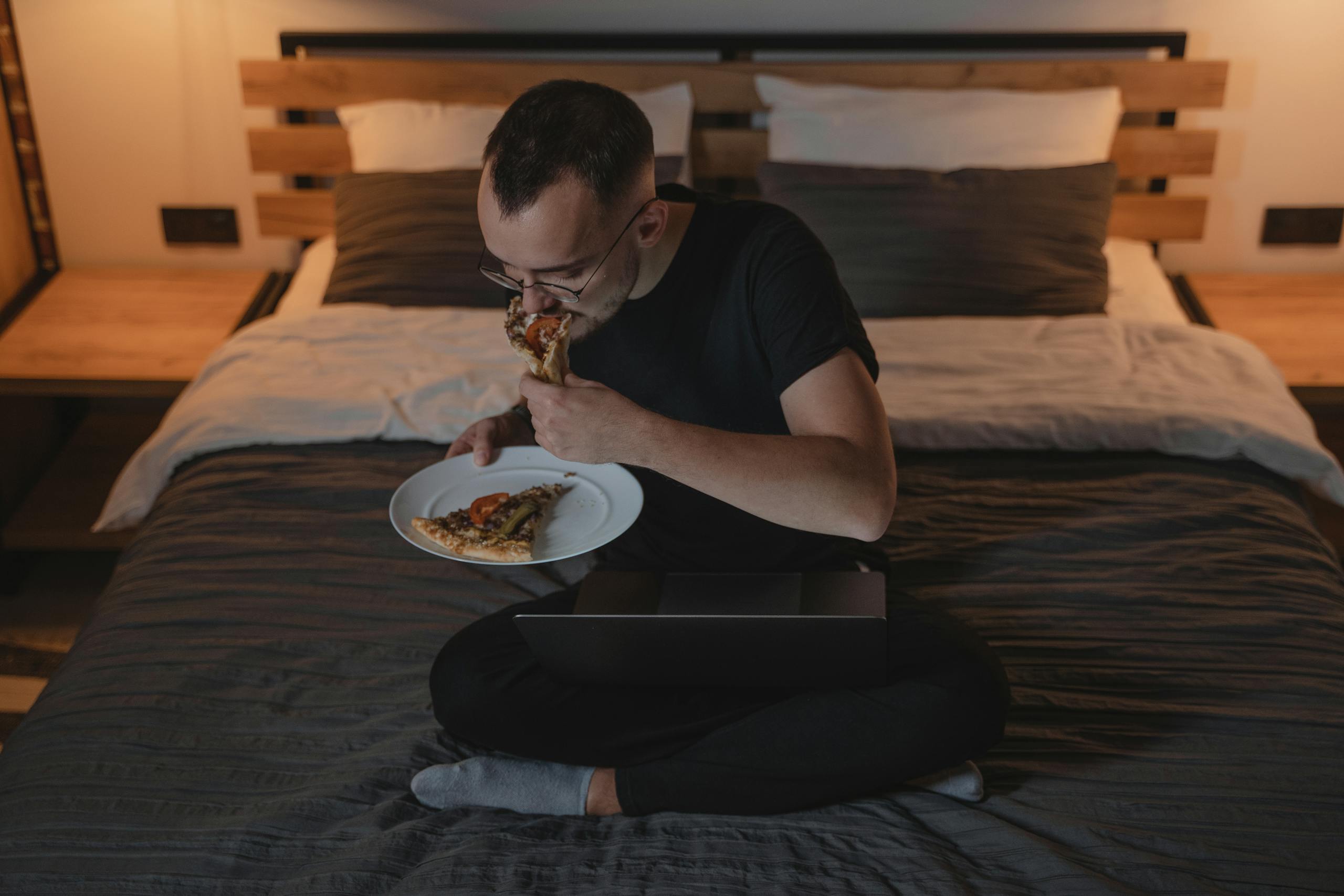
Late-night eating often feels comforting, especially after a stressful day. The kitchen is quiet, the house is calm, and snacks feel like a reward for surviving everything. The problem is that heavy eating close to bedtime can leave the body digesting when it should be resting. That can lead to poor sleep, reflux, bloating, and waking up feeling heavy instead of refreshed.
This habit can also become a cycle. We eat late, sleep poorly, wake up tired, crave quick energy, and repeat the same pattern the next day. The better approach is to eat enough earlier so hunger does not attack at night. If we truly need something before bed, a light snack such as yogurt, fruit, nuts, or whole-grain toast is usually better than greasy leftovers, sweets, or a full second dinner. The goal is not punishment. The goal is to stop overworking the body when it should be recovering.
Conclusion
The eating habits that hurt us most are often the ones we barely notice. They hide inside busy mornings, stressful afternoons, late nights, oversized portions, sweet drinks, and packaged foods that pretend to be harmless. One bad meal is not the enemy. The real problem is the daily pattern that keeps repeating until the body begins to show signs of strain.
The good news is that small changes can interrupt the damage. Drink more water, slow down while eating, read labels, cook at home more often, reduce sugary drinks, and keep snacks intentional instead of automatic. We do not need a perfect diet to feel better. We need a more honest one, built around habits that support the body instead of quietly wearing it down.