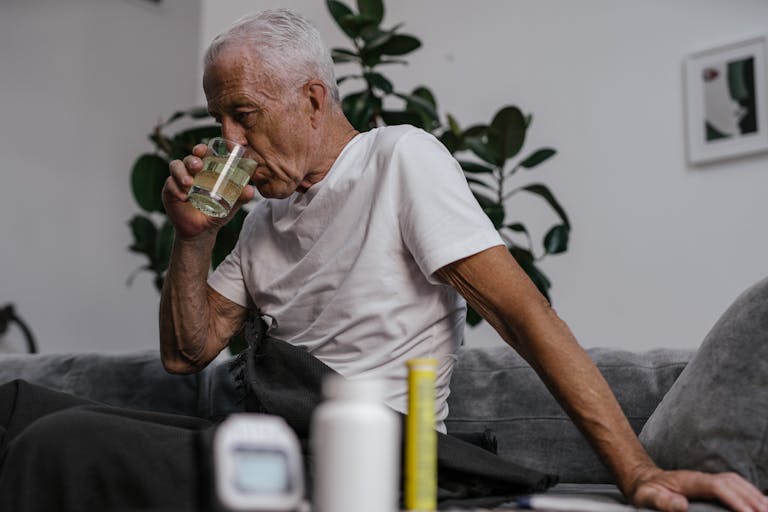
Saving water starts with noticing the moments when it slips away: the tap running while you brush, the washing machine handling a tiny load, or the garden hose spraying an empty path. You do not need to change your whole routine overnight. A few thoughtful adjustments can make your home less wasteful without making everyday chores feel complicated. Start with the habits you repeat most often, then work through the rest at your own pace.
Turn off the tap between tasks.
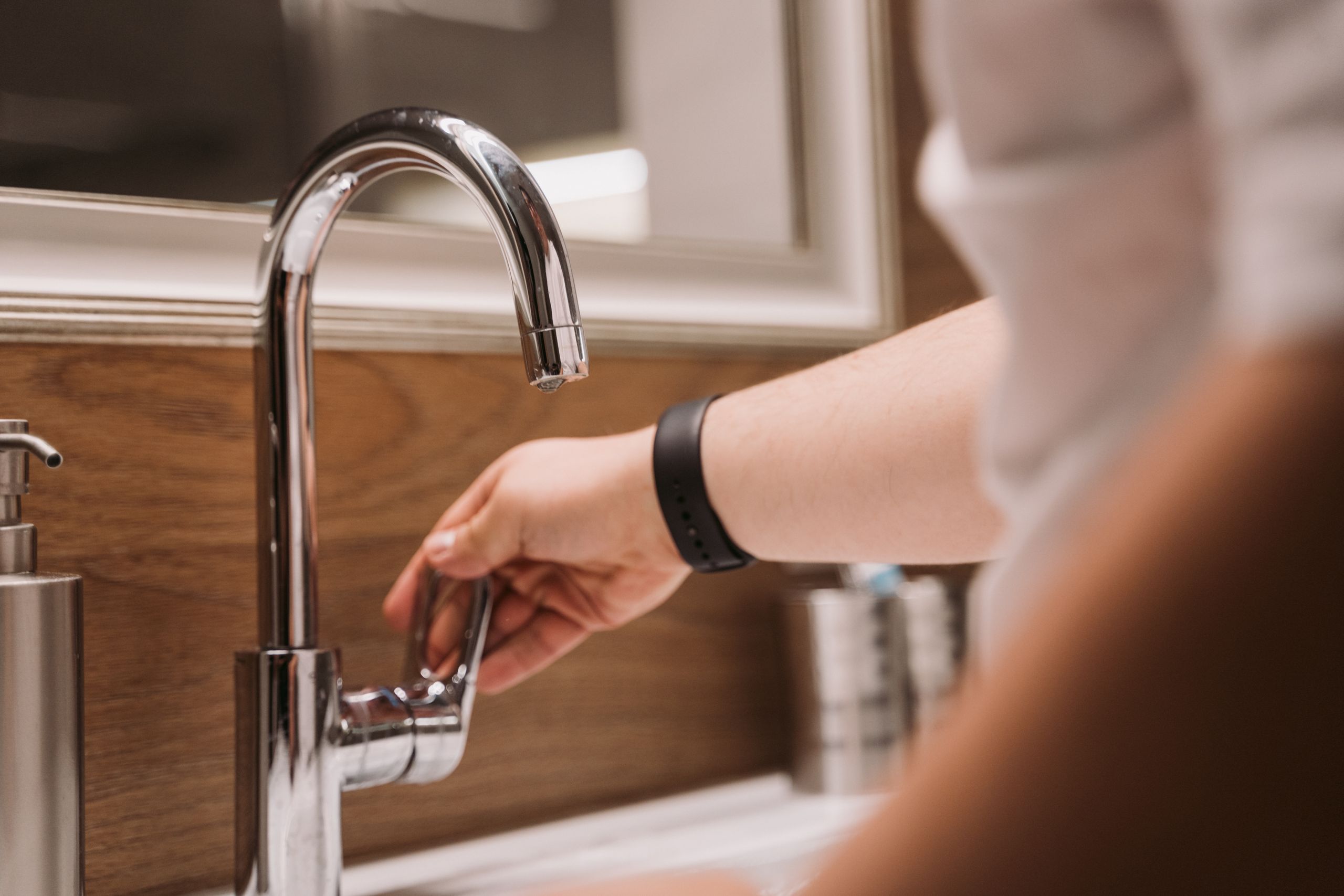
A running tap can easily become background noise. Turn it off while brushing your teeth or shaving, and switch it back on when you need to rinse. The EPA recommends both habits as simple ways to save water indoors. US EPA
Make the change easy to remember by placing a small reminder near the mirror. If children share the bathroom, turn tap checking into part of their routine. The goal is to build a habit that eventually needs no reminder.
Give household leaks some attention.
That dripping faucet deserves a place on your repair list. Check taps, visible pipe connections, and toilets for signs of leaking. A toilet that makes noise between flushes or needs its handle jiggled may be leaking, according to the Saving Water Partnership. Saving Water Partnership
Keep a short list of problems as you spot them. Arrange repairs you cannot handle yourself, and report leaks promptly if you rent. Treating a drip as a task helps prevent it from becoming something everyone ignores.
Make laundry loads count.
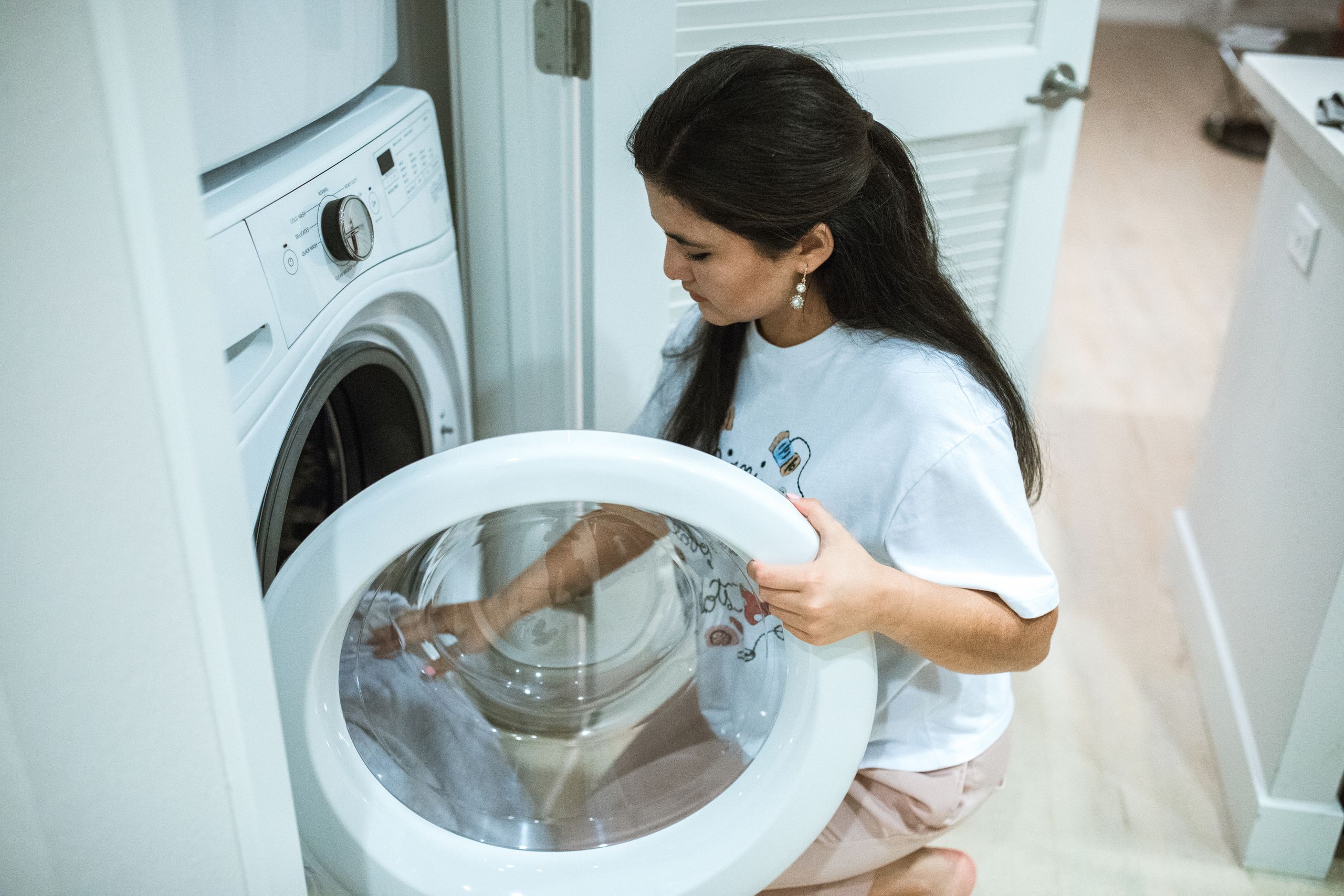
Before starting the washing machine, check whether you have enough suitable clothes for a full load. If you need a smaller wash, choose the appropriate water level or load setting when your machine offers one. Austin Water recommends full loads and lower water settings for partial loads. AustinTexas.gov
A divided laundry basket can help you see what is ready to wash. Always follow the machine’s loading instructions; the goal isn’t to cram everything inside. You want a properly filled drum and a setting that suits the job.
Rethink your dishwashing routine.
When using a dishwasher, wait until it is full before running it. New York City’s Department of Environmental Protection includes this among its household water conservation tips. DEP
If you wash dishes by hand, use a plugged sink or washing basin instead of keeping water running throughout the task, as the EPA advises. US EPA: Gather plates, cups, and utensils before starting so the job feels organized. Give everything a place beside the sink, and work through the pile without leaving the tap flowing while you search for another mug.
Keep shower time in check.
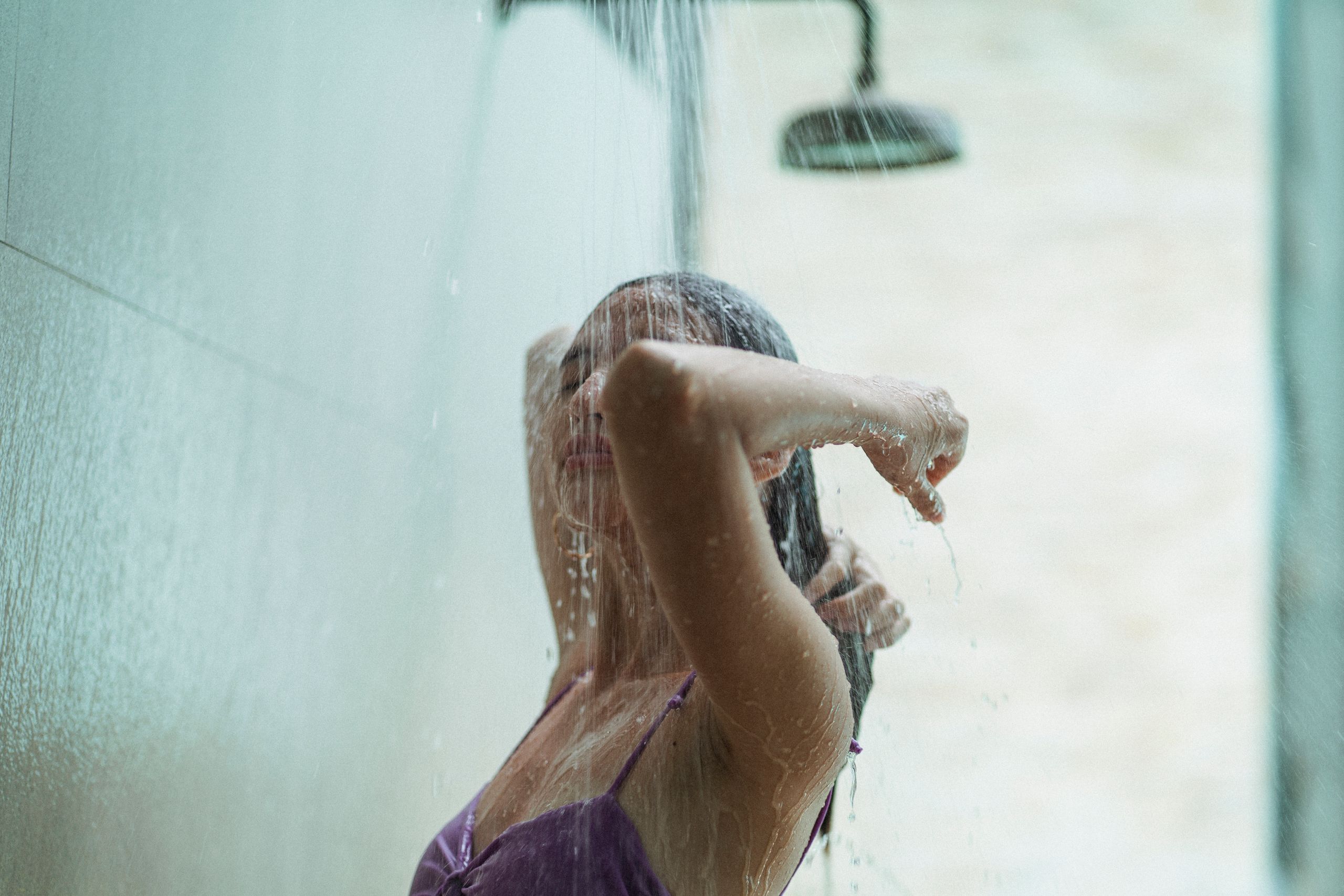
A shower can use less water than a bath, but its length matters, the EPA explains. US EPA: If you regularly lose track of time, try setting a timer as a friendly reminder.
Put your towel and toiletries within reach before turning on the water. Choose a routine you can maintain comfortably, then pay attention to how long you stand under the spray after you finish washing. That is a useful place to begin trimming.
Related: 9 Signs Your Home May Have a Hidden Water Leak, Even If You Can’t See One
Reach for a broom outdoors.
Dusty steps and scattered leaves do not always need a hose. The Virginia Department of Health recommends using a broom for outdoor cleaning to reduce water use. Drinking Water
Keep one near the door or garage so sweeping becomes the convenient choice. For car washing at home, the EPA suggests using bucket water. US EPA: Put your cleaning supplies together before you start, and keep the job focused instead of letting a hose run while you move around.
Build a routine everyone can follow.
Water saving works best when the whole household understands the plan. Pick two changes to start with, such as turning off bathroom taps and waiting for full laundry loads. Give those habits time to settle before adding more.
Keep reminders friendly and specific. “Please turn off the tap while brushing” is easier to act on than “Stop wasting water.” Small actions become more useful when people repeat them willingly. Choose practical habits, tackle repairs, and keep looking for everyday moments when water runs for no reason.