Hotel breakfast can feel like one of travel’s small victories. The coffee is ready, the eggs are waiting, the waffle maker is humming, and nobody has to wash a single dish. Still, a buffet table can turn from convenient to questionable fast when food sits too long, gets handled by too many guests, or slips into the temperature danger zone. FoodSafety.gov estimates that 1 in 6 Americans gets sick from food poisoning each year, with 128,000 hospitalizations, so we should treat breakfast buffets with a sharper eye than a vacation mood usually allows.
The smartest move is not to fear every hotel breakfast. It is important to know which foods carry the most risk when they look lukewarm, uncovered, poorly stocked, or past their prime. Hot foods should stay at 140°F or warmer, and cold foods should stay at 40°F or below because bacteria can grow quickly between those temperatures. That single rule can help us spot many of the foods we should never eat at a hotel breakfast when the setup looks careless.
Lukewarm Scrambled Eggs Sitting in a Buffet Tray
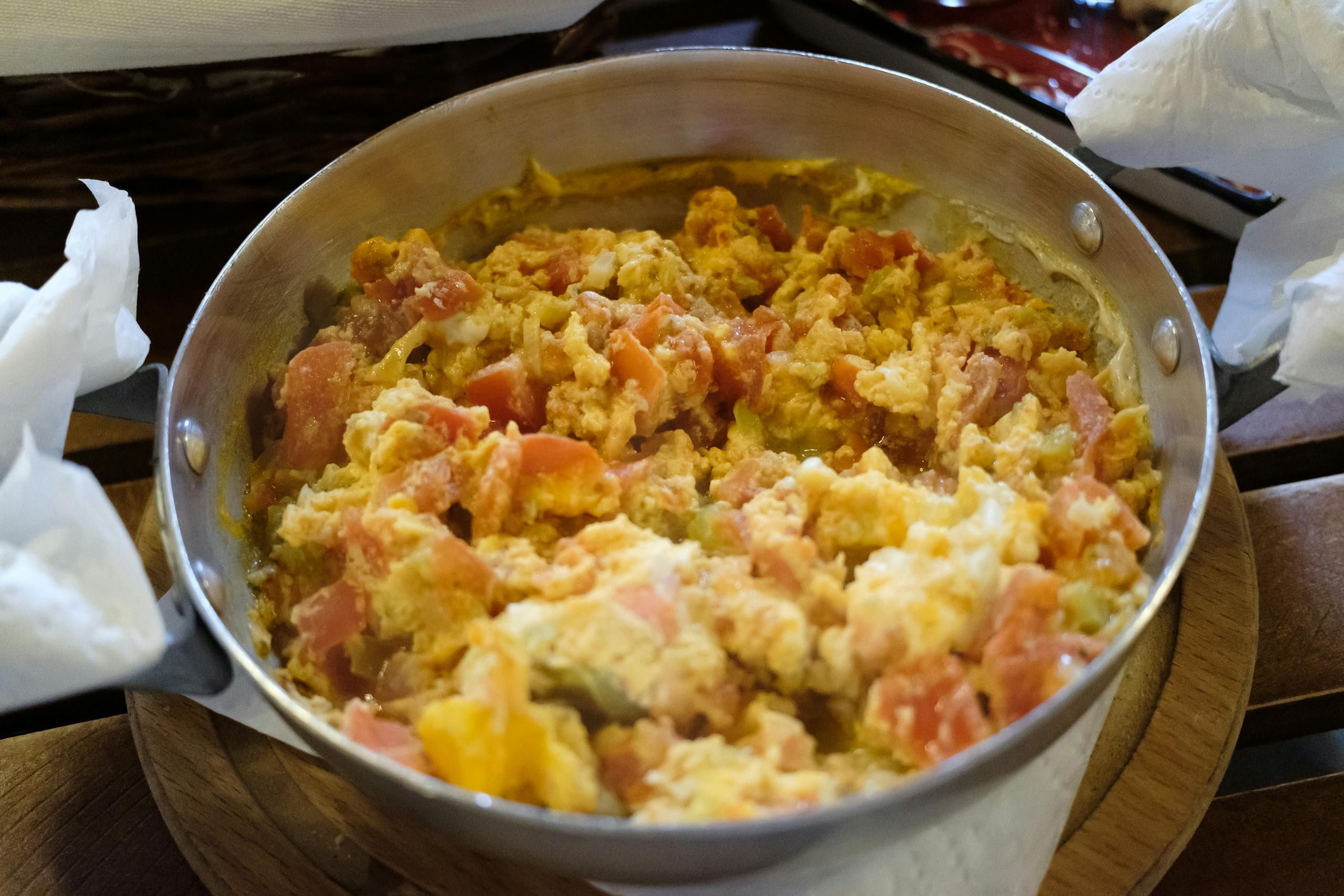
Scrambled eggs look safe because they seem fully cooked, soft, familiar, and easy to scoop. The problem begins when that tray sits under weak heat for too long, and the eggs slide from hot to barely warm. Eggs and egg dishes need careful temperature control, and the FDA says eggs served later should be thoroughly reheated to 165°F before serving.
We should be especially cautious when eggs look watery, crusted around the edges, or oddly separated. That usually means the tray has been sitting, drying, cooling, and getting stirred by dozens of guests. Fresh eggs from a staffed omelet station are usually the better choice because they are cooked in front of us and served hot.
Cut Melon and Fruit Bowls That Have Been Sitting Out
A colorful fruit bowl looks like the healthiest thing on the hotel breakfast table, but cut fruit can carry more risk than travelers expect. The CDC lists cut melon among riskier foods linked to foodborne illness, especially when it has not been handled, washed, chilled, or stored correctly. Once fruit is sliced, its protective rind is gone, and the exposed flesh can pick up germs from knives, cutting boards, hands, serving spoons, and buffet air.
We should be cautious when the fruit looks watery, faded, mushy, or warm. Melon cubes sweating in a shallow bowl for hours are not the refreshing treat they appear to be. Whole bananas, oranges, and apples are safer choices because the peel acts like built-in packaging.
Sausage Links and Bacon That Look Greasy, Dry, or Tired

Breakfast meats can be buffet favorites, but they can also be buffet troublemakers. Sausage, bacon, ham, and other cooked meats need to stay properly hot after cooking, and USDA guidance says hot food must be kept at 140°F or warmer to prevent bacterial growth. When the tray looks dull, greasy, or barely steaming, we are probably looking at food that has lost its safe serving window.
The texture tells a story before the smell does. Bacon that has gone limp under weak heat and sausages sitting in a pool of lukewarm grease are easy signs to walk past. We are better off choosing a fresh batch when staff brings it out, or skipping the meat entirely if the tray looks forgotten.
Raw Sprouts Used as a “Fresh” Breakfast Garnish
Raw sprouts can show up beside avocado toast, breakfast wraps, smoked salmon plates, or salad-style buffet items. They may look clean and trendy, but sprouts are one of the foods that food safety agencies repeatedly flag. The CDC lists raw or undercooked sprouts among foods more likely to contain germs that can make people sick, and that risk matters even more for pregnant people, older adults, young children, and people with weakened immune systems.
The issue starts with how sprouts grow. Warm, humid conditions help seeds sprout, but they can also help bacteria grow. At a hotel breakfast buffet, we should choose cooked vegetables or plain toast toppings instead of raw sprouts sitting in an open bowl.
Yogurt Parfaits Left Out Without Proper Chilling

Yogurt parfaits can look polished in little cups with granola, berries, and honey layered on top. The danger comes when dairy-based items sit out too long or rest on a display that does not feel properly cold. Cold foods at buffets should stay at 40°F or below, and anything creamy deserves extra caution when the hotel breakfast area is warm or crowded.
We should look for yogurt cups stored in a real refrigerated case or packed firmly over ice. If the cups are sitting on a decorative tray with condensation running down the sides, the safer choice is to leave them alone. Sealed single-serve yogurt from a cold fridge is usually a better bet than a pretty parfait that has been sitting for too long.
Cream-Filled Pastries and Tired Bakery Items
Pastries are not all equal. Plain toast, sealed muffins, and fresh croissants carry different concerns from cream-filled danishes, custard pastries, or items sitting uncovered near heavy guest traffic. Foods served raw or handled after cooking can become contaminated.
We should judge the display, not just the pastry. If flies, uncovered trays, shared hands, or crumbs everywhere are part of the scene, the bakery section deserves a hard pass. Freshly wrapped pastries are better than open trays that look like they survived three breakfast waves.
Deli Meats and Cheese Slices on Open Platters

Cold cuts and cheese can seem like a harmless continental breakfast option, especially in hotels that serve bread, croissants, and sandwich fixings. The risk rises when those platters sit exposed, get touched by shared tongs, and drift above safe cold holding temperatures. Perishable cold foods should stay at 40°F or below, and buffet setups that cannot keep them chilled create a clear reason to pass.
We should avoid meats that look shiny, curled at the edges, or warm to the eye. Cheese that appears sweaty or rubbery also deserves suspicion. If the hotel does not keep the platter chilled, covered, and refreshed, the toast station is the wiser stop.
Unpasteurized Juice or Mystery Smoothies
Juice feels light, bright, and safe, but not every breakfast drink deserves automatic trust. The CDC lists unpasteurized milk, juice, and cider among riskier foods because they can carry harmful germs. Hotel smoothies deserve the same caution when we do not know how long they have been sitting, what dairy or fruit went into them, or whether they were kept cold enough.
We should choose sealed, pasteurized juice cartons or drinks served from properly chilled dispensers. If a pitcher looks warm, separated, or refilled without cleaning, it is better to pour coffee or water instead. A bad smoothie can follow us far longer than a missed breakfast treat.
Communal Cereal, Granola, and Nut Bins With Shared Scoops
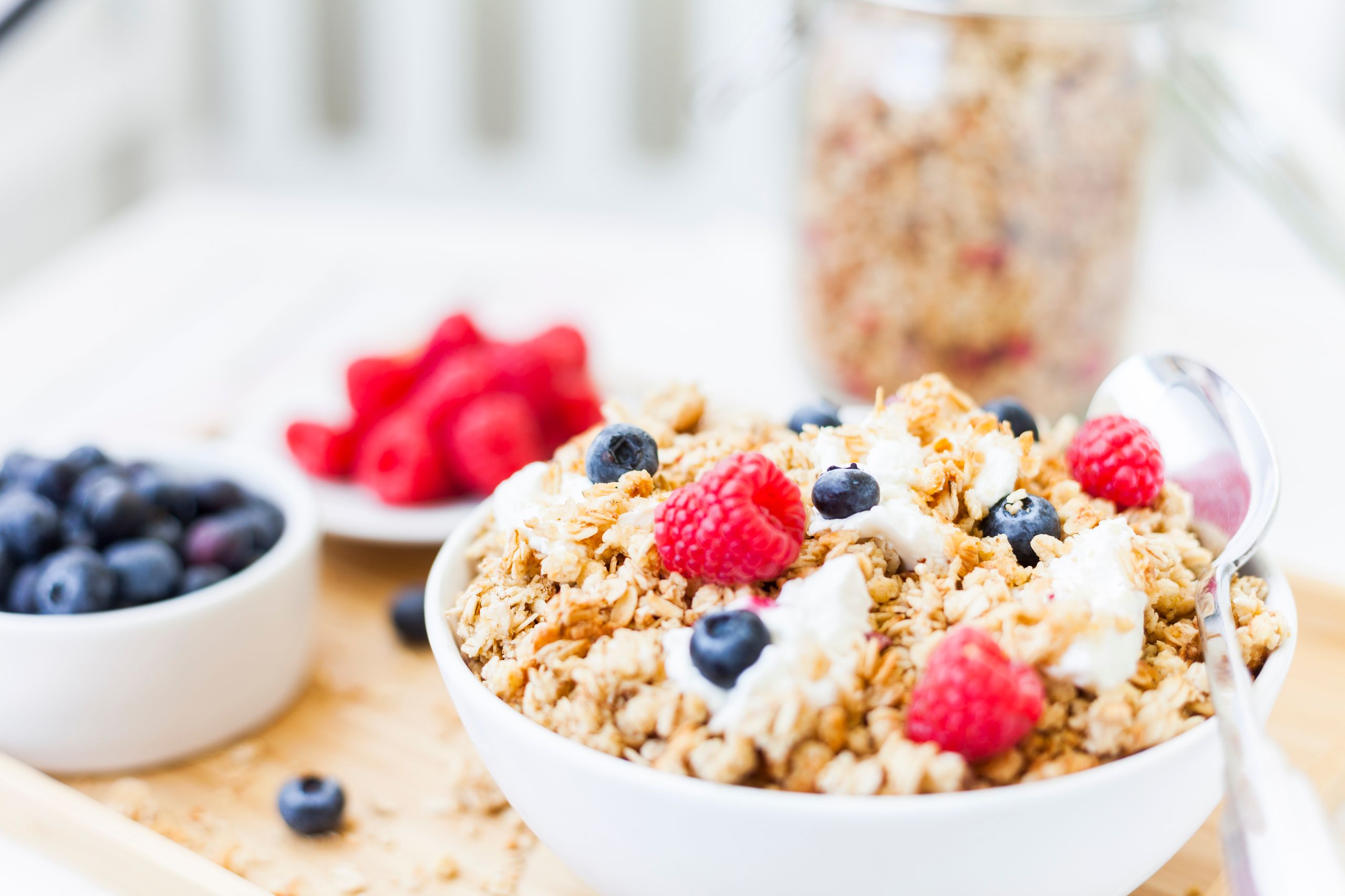
Dry cereal and granola do not sound as risky as eggs or meat, but the buffet setup changes the picture. Guests may touch scoop handles, drop utensils into bins, reach across containers, or let children serve themselves with hands that just pushed elevator buttons. Germs can spread through hands and surfaces, and food safety starts with clean hands, clean surfaces, and careful separation.
We should be especially careful when scoops are buried inside the cereal, lids are missing, or crumbs are scattered around the station. Individually packaged cereal cups or sealed oatmeal packets are cleaner choices. A tidy buffet does not guarantee safety, but a messy dry goods station is a clear warning sign.
Waffle Batter From a Shared Dispenser or Open Bowl
The hotel waffle station can be fun until we notice the batter situation. Batter often contains ingredients that need careful handling, and shared dispensers can become sticky, messy, and heavily touched during the breakfast rush. The CDC lists raw dough and raw batter made with uncooked flour as riskier foods, which makes sloppy batter stations worth avoiding when guests are handling everything themselves.
We should skip the waffle station if the batter has dripped everywhere, the handle looks filthy, or the staff is not monitoring the area. A clean, closed dispenser that produces fresh batter into a hot waffle iron is less concerning. An open bowl with a ladle sitting inside is a breakfast gamble we do not need.
Key Takeaway
Hotel breakfast can be convenient, filling, and perfectly fine when the food is fresh, monitored, and held at safe temperatures. The trouble starts when eggs turn lukewarm, fruit bowls sweat, dairy loses its chill, pastries sit uncovered, and shared utensils pass through too many hands. We do not need to skip breakfast on vacation, but we do need to stop treating every buffet tray like it is safe just because it is free.
The easiest rule is simple. Pick food that is clearly hot, clearly cold, freshly cooked, sealed, or protected by a peel. If the breakfast station looks messy, tired, warm, or poorly watched, the smartest meal may be coffee, toast, a banana, and a better lunch later.