New York City has always been expensive, but lately the cost of staying here feels less like ambition and more like punishment. Rent takes the first bite, then groceries, tolls, water bills, broker rules, delivery fees, insurance, transit, laundry, and all the tiny charges that make a normal week feel like a financial obstacle course.
For many New Yorkers, the frustration is no longer about one bill. It is about the stack.
A renter in Queens feels it while refreshing apartment listings. A driver from Staten Island feels it before crossing into Manhattan. A homeowner in the Bronx feels it when utilities rise. A small business owner in Brooklyn feels it when deliveries, rent, labor, and insurance all move in the wrong direction at once.
Rent Is Still the First Fight
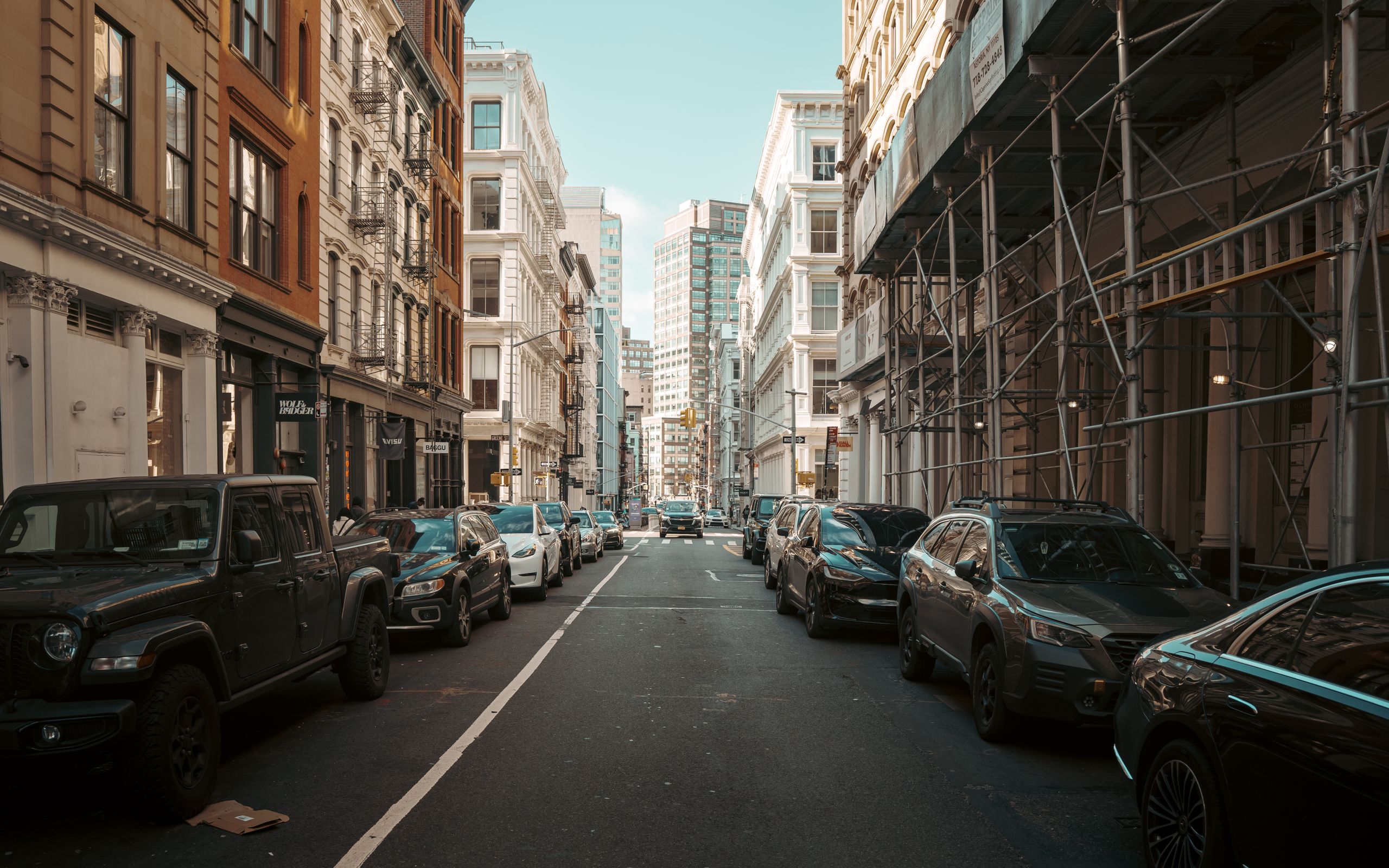
Housing remains the cost that decides everything else in New York City. If rent eats most of a paycheck, every other expense becomes louder.
Recent rental data showed the citywide median asking rent reached $4,199 in May, the highest figure in the platform’s records since 2010. That record-high rent pressure helps explain why many renters hear talk of market shifts but still feel no real relief.
In neighborhoods like Astoria, Bushwick, Crown Heights, Harlem, Ridgewood, Sunnyside, Washington Heights, and the Lower East Side, apartment hunting can feel like a race. The winner often has perfect paperwork, quick cash, high income, flexible timing, and the energy to chase listings before they disappear.
For families, the pressure is heavier. A rent jump can decide whether a child stays in the same school, whether a parent keeps a manageable commute, or whether a household squeezes into less space just to avoid moving costs.
Broker Fee Relief Still Feels Complicated
The broker fee fight became one of the clearest symbols of renter anger in New York City. People were tired of paying thousands of dollars upfront for an apartment they were already paying high rent for.
The FARE Act shifted responsibility for certain broker fees to the party that hires the broker. That change was supposed to reduce one of the most painful barriers renters face before they even get the keys.
Local coverage of the new broker fee rules showed why tenants cared so much. A broker fee could equal one month’s rent or a large share of the annual lease, which can turn moving into a savings-draining event.
Still, renters are watching closely. A fee can disappear from one line and reappear elsewhere. Higher rents, new charges, tighter access to listings, or confusing paperwork can make people wonder whether the cost truly went away or simply changed clothes.
Congestion Pricing Changed the Driving Math
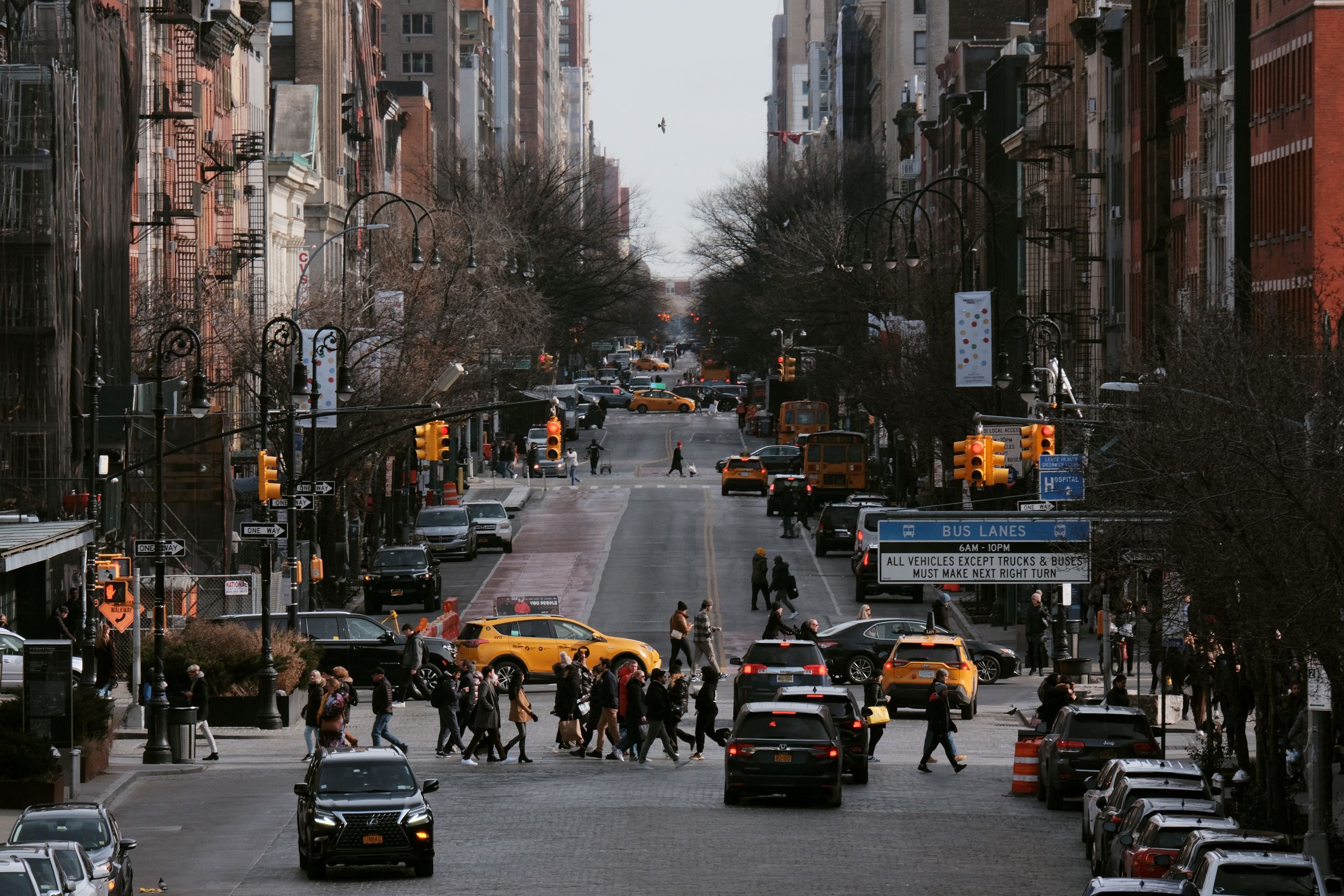
Congestion pricing gave New Yorkers another highly visible cost to argue about. Drivers entering Manhattan’s central business district now have to think about the toll before crossing into one of the city’s busiest areas.
Supporters say the program reduces traffic and raises money for mass transit. Many subway and bus riders understand the logic, especially in a city where reliable transit is not a luxury but a daily necessity.
But the policy lands differently on people who cannot easily avoid driving. Contractors, delivery workers, home health aides, outer-borough families, small business owners, and workers carrying equipment may not have a simple train option.
The Manhattan congestion toll program also reaches people who never drive. A delivery may cost more. A repair visit may cost more. A vendor may raise prices. A business may pass along expenses that began with a toll but ended at the customer’s receipt.
Groceries Keep Shrinking the Basket
Food costs do not always create the same political fight as tolls or broker fees, but they hit New Yorkers every week. A grocery trip can feel like a math test before dinner even begins.
The city’s food reality is uneven. A Manhattan shopper may pay more for convenience. A Bronx family may compare stores to stretch the week. A Queens commuter may shop near a subway stop because time is short. A Brooklyn parent may use delivery because carrying groceries and children together is not easy.
The pressure is not only about luxury items. Meat, eggs, cereal, produce, dairy, bread, snacks, and prepared foods can all turn a small basket into a serious bill.
That is why many residents are changing habits. They buy more store brands, stretch leftovers, skip takeout, search for sales, visit multiple stores, or cook more at home, only to discover that home cooking is not as cheap as it used to be.
Water Bills Add Pressure Behind the Walls
Water and sewer charges are not always the first costs renters consider, but they still shape the cost of living in New York City. They affect homeowners, co-op boards, condo owners, landlords, and building operators.
City officials have discussed a 6 percent increase in the water rate for Fiscal Year 2027, tied to system costs and long-term infrastructure needs. The water rate increase proposal may sound technical, but the impact is practical.
A homeowner feels it directly. A co-op board factors it into maintenance. A landlord counts it as part of operating costs. A renter may feel it later in the form of rent pressure, reduced flexibility, or building fees.
This is how New York’s affordability problem spreads. Even hidden costs eventually become part of the housing conversation.
Small Businesses Are Caught Too
Residents often blame local businesses when prices rise, but many owners are facing the same city math. Rent is high. Insurance is high. Labor is high. Utilities are high. Delivery costs are high. Ingredients can shift without warning.
A deli sandwich costs more because the deli’s expenses have changed. A laundromat raises prices because water, electricity, machines, repairs, and rent all matter. A contractor adds a travel fee because getting around the city is no longer cheap.
That does not make price hikes painless for customers. It only explains why the anger often has no easy target.
New Yorkers want local shops to survive, but they also need their own budgets to survive. That tension is now part of everyday life in neighborhoods from Jackson Heights to Bay Ridge, Fordham to St. George, and Harlem to the East Village.
The Outer Boroughs Feel It Differently
The affordability debate often sounds Manhattan-centered, but the pressure spreads across all five boroughs.
Queens drivers, Bronx renters, Brooklyn families, Staten Island commuters, and Manhattan workers are not living the same cost story. A person near a reliable subway line experiences the city differently from a night-shift worker with two buses. A rent-stabilized tenant faces a different reality from someone searching market-rate listings.
That uneven burden is why the frustration feels personal. People are not only paying more. They are paying based on where they live, how they work, whether they drive, how often they move, and how much flexibility their lives allow.
For many residents, the city now feels like a place where every decision carries a fee, and every fee comes with an explanation that may be logical but still painful.
New York Needs Relief People Can Feel
New Yorkers are not shocked that the city is expensive. They know where they live. What feels different now is the stacking.
One increase can be managed. When rent, groceries, water bills, tolls, apartment costs, service charges, and business markups all rise together, it can change how people feel about the city itself.
If rents stay high, broker fee reforms will only solve part of the problem. If congestion pricing continues to collect revenue, residents will expect better transit that they can see and use. If water costs rise, buildings will pass the pressure somewhere. If grocery bills remain stubbornly high, households will keep cutting back.
New York does not have to become cheap to remain worth it. But residents need to feel that the struggle is buying something real.
Right now, too many people feel the city keeps sending bills faster than it sends relief. That is the warning. Not that New York costs too much, but more residents are starting to wonder whether paying to stay is still the same as living.