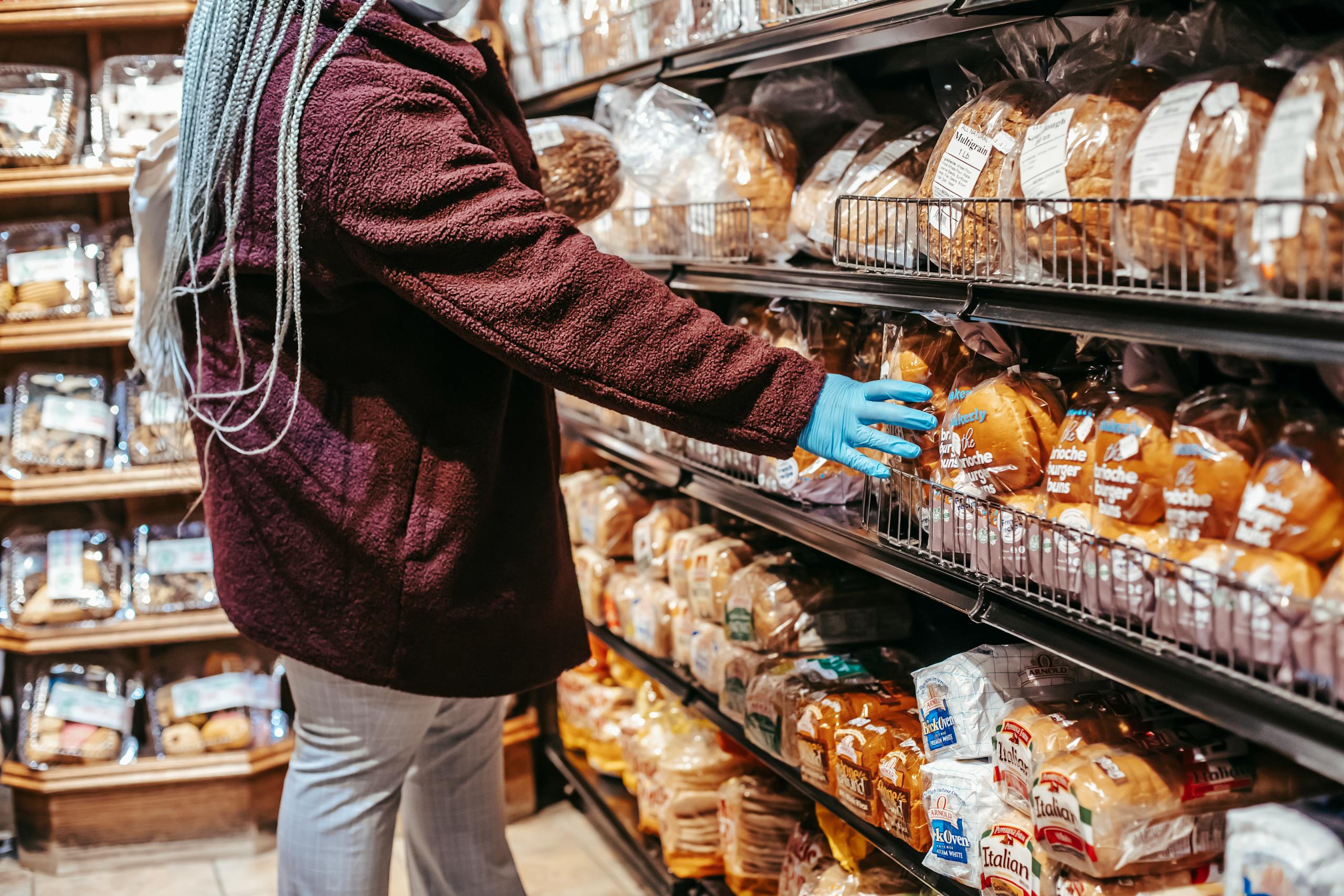
The bread aisle knows exactly how to dress for attention. One loaf says multigrain. Another says brown. Another has seeds scattered on top like tiny badges of honor. By the time we reach the checkout line, it is easy to believe we have made the smart choice simply because the package looks wholesome.
That is where many shoppers get caught. A loaf can look rustic, sound nutritious, and still be built on refined flour, added sugar, low fiber, and clever label language. The real issue is not bread itself. The real issue is the quiet difference between bread that supports a better diet and bread that only claims to be healthy on the front of the bag.
For anyone trying to manage blood sugar, energy crashes, cravings, or daily nutrition, the bread label matters more than the bread color. These eight secrets hiding in your “healthy” loaf reveal why some store-bought breads deserve a second look before they land in the kitchen.
The First Ingredient May Expose The Whole Loaf
The first ingredient is the bread’s confession. If it says whole wheat flour, whole grain wheat, whole rye, whole oats, or another clear whole grain base, the loaf is starting from a stronger place. If it says refined wheat flour, enriched flour, maida, or plain wheat flour without the word “whole,” the bread may be much closer to white bread than the packaging suggests.
This matters because ingredients are listed by weight. The first item usually tells us what the product contains most of. A loaf can advertise grains, seeds, and fiber on the front, but if refined flour leads the list, those healthy-looking extras may be playing a supporting role instead of carrying the bread’s nutrition. The back label tells the truth that the front label tries to hide.
Multigrain Does Not Always Mean Whole Grain
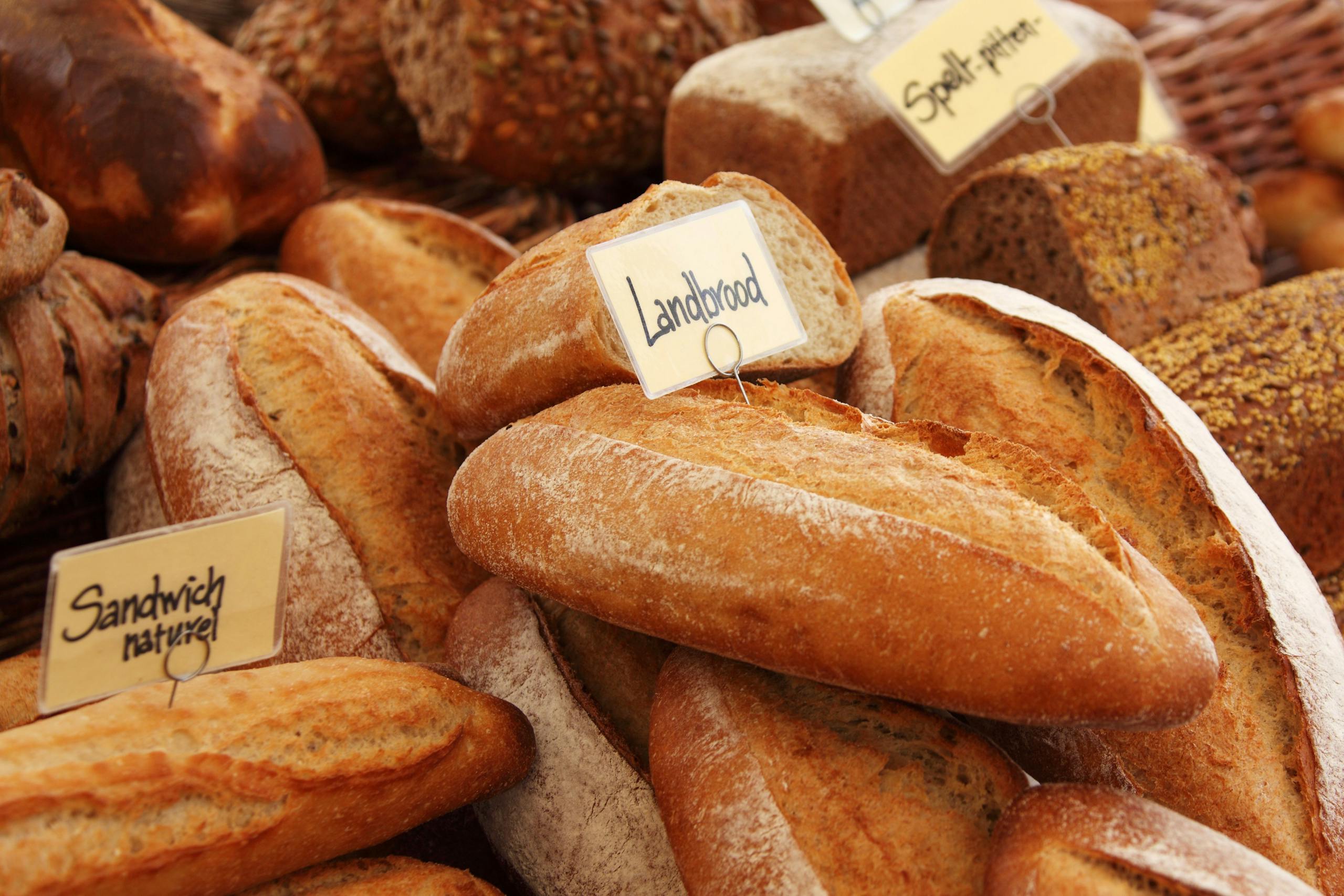
Multigrain sounds impressive because it suggests variety. It makes shoppers picture oats, barley, rye, millet, flax, and wheat working together in one powerful loaf. The word sounds healthy, but it simply means the bread contains more than one type of grain. It does not guarantee that those grains are whole, high fiber, or present in meaningful amounts.
That is why a multigrain loaf can still be disappointing. Some brands use refined flour as the main base, then add small amounts of grains or seeds to create a healthier image. The bread may look hearty, but the nutrition can remain weak. A true whole-grain loaf should make whole grains the foundation, not the decoration.
Brown Bread Can Be A Clever Disguise
Brown bread often wins trust before anyone reads the label. The darker color feels natural, earthy, and more serious than pale white sandwich bread. But color alone does not prove nutritional quality. Some breads get their darker look from molasses, malt, caramel coloring, or other ingredients that make the loaf appear richer without turning it into a real whole-grain bread.
This is one of the oldest tricks in the bread aisle. A soft brown slice can still be low in fiber and mostly refined. The color may create a healthy mood, but the body responds to ingredients, not appearances. A better loaf should have whole grain ingredients up front, meaningful fiber, and a texture that feels substantial enough to slow the meal down.
Added Sugar Can Sneak Into Everyday Slices
Bread does not need to taste sweet to contain added sugar. Many packaged loaves include sugar, glucose, corn syrup, honey, malt syrup, or other sweeteners to improve taste, softness, browning, and shelf life. One slice may not seem like a problem, but bread is often eaten every day, sometimes more than once. That turns a small ingredient into a repeated habit.
The concern becomes stronger when added sugar joins refined flour in the same loaf. The bread becomes soft, easy to chew, and easy to overeat, but it may not keep hunger away for long. A healthier bread should not need sweetness to feel satisfying. It should bring grain flavor, fiber, chew, and enough structure to make each slice feel useful rather than empty.
Low Fiber Makes Bread Less Filling
Fiber is one of the clearest signs that bread may actually deserve its healthy image. Whole-grain breads usually contain more fiber because more of the grain remains intact. Fiber helps slow digestion, supports fullness, and gives the bread more staying power after a meal. Without enough fiber, even a nice-looking loaf can behave like a quick carb that fades fast.
This is why some people feel hungry soon after eating refined bread. The slice may feel soft and comforting at first, but it may not provide enough substance to hold them through the morning or afternoon. A bread with better fiber can make a sandwich, toast, or breakfast plate feel more complete. The best loaves do more than fill space on the plate. They help the meal last.
Sourdough Is Only Better When It Is Real
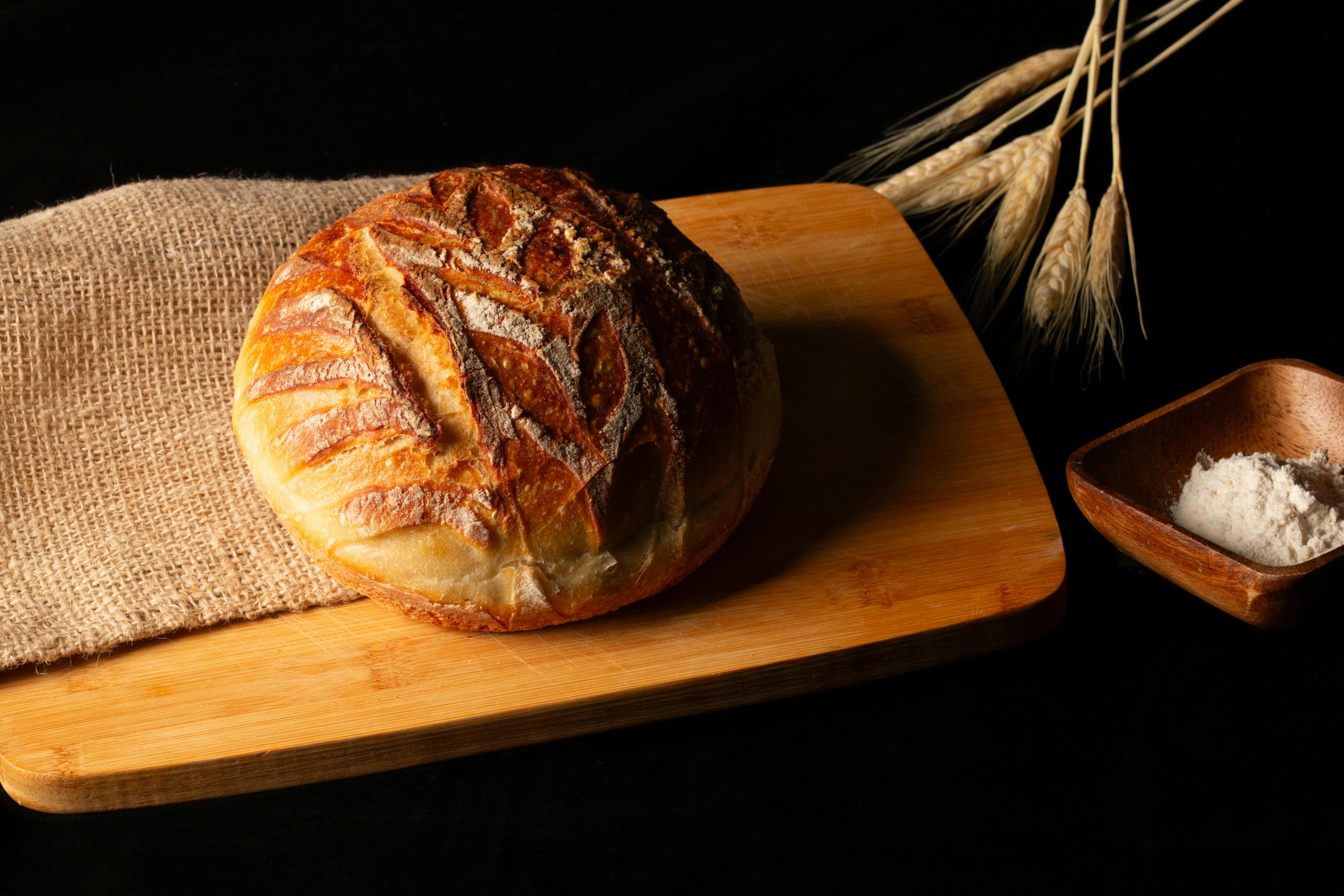
Sourdough has earned a strong reputation because traditional fermentation can change how bread is digested. A real sourdough loaf has a tangy flavor, deeper texture, and a slower process behind it. For some people, especially those watching blood sugar response, whole-grain sourdough may be a better option than standard refined bread.
The catch is that not every sourdough label means the same thing. Some commercial breads imitate sourdough flavor with acids, additives, or shortcuts rather than a true slow fermentation process. A better choice is usually a whole-grain sourdough with simple ingredients and a real fermented base. If the loaf only tastes sour because the label says so, it may be riding the trend without delivering the benefit.
Zero Maida Does Not Tell The Whole Story
“Zero maida” can sound like the final answer, especially for shoppers trying to avoid refined flour. It is a useful claim to notice, but it should never end the inspection. A bread can avoid maida and still contain other refined starches, added sugars, low fiber ingredients, and long lists of processing aids that weaken its nutritional value.
The smarter move is to judge the complete label. We should look at the first ingredient, fiber content, sugar content, sodium, and the overall ingredient list. A single phrase on the front of the pack cannot prove the loaf is good for blood sugar, digestion, or daily nutrition. Good bread should pass more than one test.
Seeds On Top Do Not Save A Weak Loaf
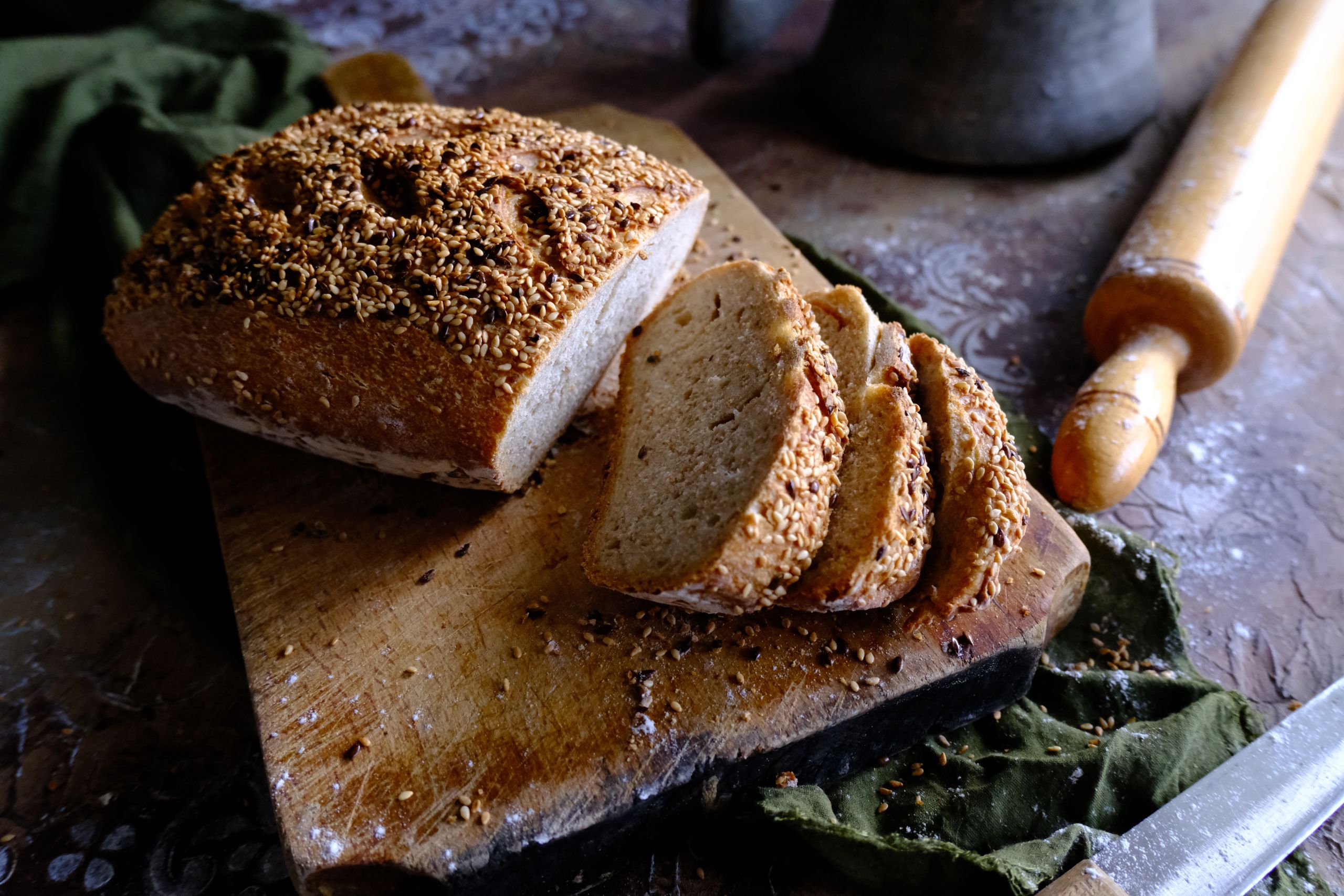
Seeds can add crunch, flavor, healthy fats, and visual appeal. They can also make a loaf look far more nutritious than it really is. A sprinkle of sesame, flax, sunflower, or pumpkin seeds on the crust does not automatically change the bread’s foundation. If the base is still refined flour with low fiber and added sugar, the seeds become decoration more than a transformation.
This does not mean seeded bread is bad. It means the seeds should support a strong loaf, not hide a weak one. The best seeded breads combine whole grain flour, meaningful fiber, simple ingredients, and a generous seed mix. When seeds are used only as a topping, the bread may look impressive on the shelf but deliver very little once it reaches the plate.
Final Thoughts On Choosing A Better Loaf
Bread does not need to disappear from the table. It needs to be chosen with sharper eyes. The healthiest-looking loaf is not always the best one, and the loudest package is rarely the most honest. Real quality starts with whole grains listed first, enough fiber to matter, limited added sugar, and ingredients that do not need a nutrition degree to understand.
The bread aisle becomes easier once we stop trusting color, buzzwords, and pretty packaging. Multigrain is not automatically a whole grain. Brown is not automatically better. Seeds are not proof of quality. A truly better loaf earns its place through the label, the ingredients, and the way it supports the meal long after the last bite.