Donald Trump’s controversial IRS settlement is no longer just another Washington fight. It has turned into a legal and political storm over power, accountability, and whether one president can walk away from tax scrutiny through a private deal with his own government.
At the center of the uproar is a settlement tied to Trump’s $10 billion lawsuit against the IRS, which he filed after his tax information was leaked to the media. The lawsuit itself was already extraordinary, but the reported settlement has raised even sharper questions because it involved a nearly $1.8 billion compensation fund and provisions that could block IRS audits involving Trump, his family, and his businesses.
Bessent’s Refusal Made The IRS Deal Look Even Worse

Treasury Secretary Scott Bessent faced lawmakers who wanted one clear answer: Does Trump still have protection from IRS audits under the settlement? Instead of giving a direct response, Bessent repeatedly cited ongoing litigation and refused to clarify the status of the audit immunity provision.
That silence did not calm the controversy. It made the deal look more suspicious. If the audit protection has been dropped, the administration could say so plainly. If it remains in place, taxpayers deserve to know why the IRS would be restricted from examining the tax affairs of the president, his relatives, and his businesses.
The Audit Immunity Question Is The Real Flashpoint
The compensation fund grabbed headlines because of its size and because critics feared Trump allies could benefit from it. Still, the audit immunity issue may be the most explosive part of the settlement.
IRS audits are supposed to operate without political favoritism. A deal that shields one powerful person from tax examination creates an obvious fairness problem. Ordinary Americans do not get to negotiate broad protection from the IRS because an audit is inconvenient, embarrassing, or financially dangerous. That is why this settlement has triggered alarm far beyond normal partisan noise.
A Judge Has Reopened The Door To Scrutiny

The controversy deepened when a federal judge in Florida ordered further review of the settlement. Judge Kathleen Williams directed Trump’s lawyers to respond to allegations that the agreement may have involved deception or improper coordination between Trump and the government.
That matters because the court had not originally been given full settlement documents before the case was dismissed. If the deal was crafted in a way that avoided meaningful judicial review, the legal problem becomes much bigger than the settlement itself. It becomes a question of whether the court system was used as a doorway for an arrangement that should have faced closer examination.
The Nearly $1.8 Billion Fund Sparked Bipartisan Anger.
The settlement’s “Anti-Weaponization Fund” became politically radioactive almost immediately. Critics argued that the fund could become a taxpayer-backed reward system for people claiming they were targeted by the government. Some lawmakers also raised concerns that people connected to the January 6 cases could potentially seek payouts.
Even some Republicans were uneasy with the arrangement. That bipartisan discomfort is important because Washington usually treats Trump-related controversies as predictable party warfare. This time, the size of the fund and the possible audit protections created a problem that was harder for lawmakers to dismiss.
The Deal Raises A Basic Fairness Problem

The biggest issue is simple: the tax system depends on the belief that rules apply evenly. Once Americans believe political power can buy immunity from audits, trust in the IRS takes a serious hit.
That does not mean Trump had no right to sue over leaked tax information. Unauthorized disclosure of tax records is serious. But a lawsuit over leaked records is different from a settlement that may limit future or existing IRS audit activity. Compensation for proven harm is one thing. Broad protection from tax scrutiny is something else entirely.
Democrats Are Demanding Answers
Democratic lawmakers have pushed for documents, explanations, and details about who negotiated the settlement. Their questions focus on how the deal was reached, who approved it, whether IRS officials objected, and whether the audit provisions remain active.
Those questions are not minor paperwork requests. They go to the heart of whether the Treasury Department, Justice Department, and IRS followed normal procedures or allowed political pressure to shape a settlement involving the sitting president.
Trump’s Defense Still Faces A Credibility Problem
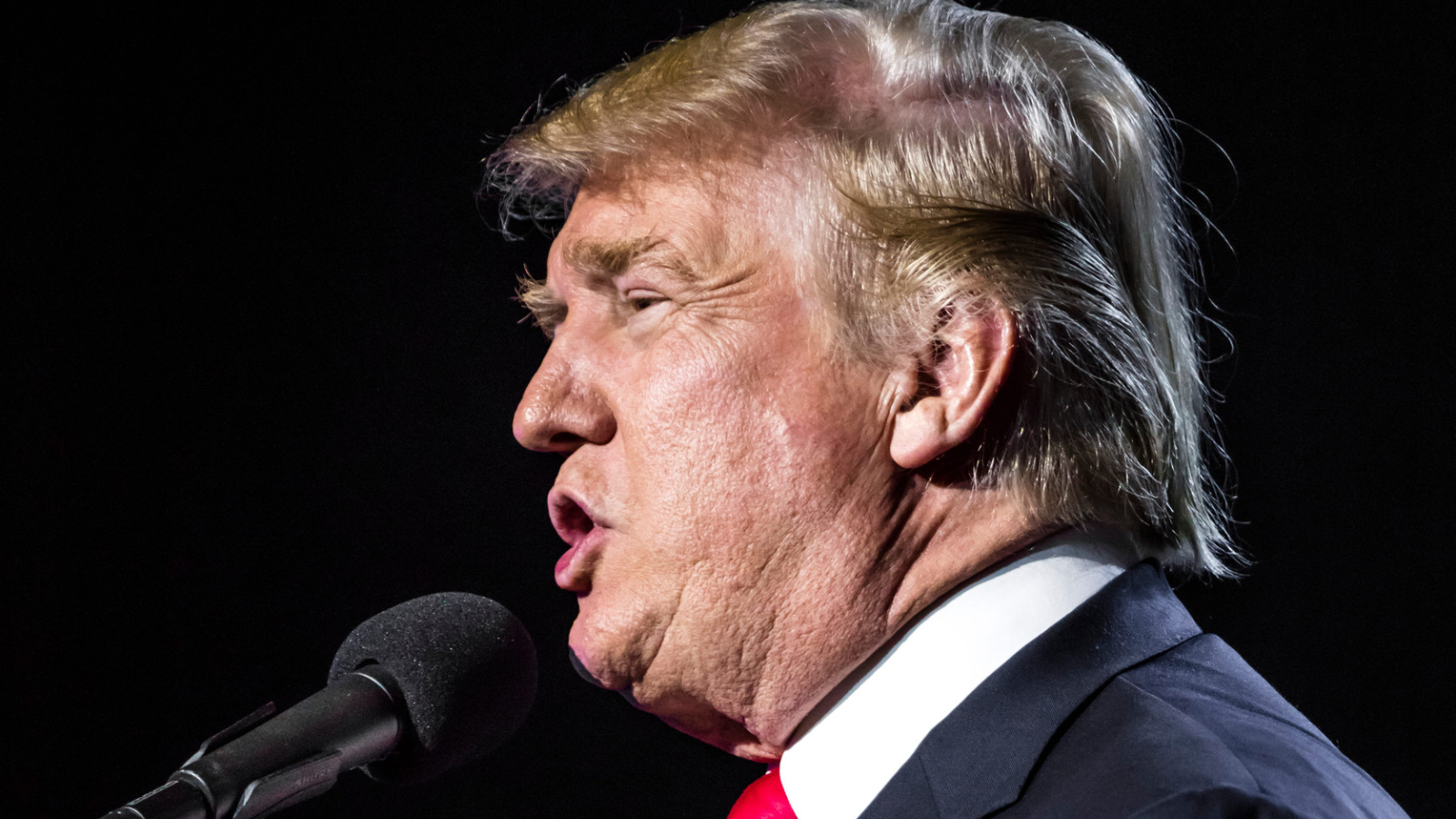
Trump has long claimed that investigations into him are politically motivated. That argument appeals to his supporters and fits his broader message about government “weaponization.” But this settlement creates a different kind of problem.
If Trump believes the IRS acted wrongly, he can pursue that claim through the courts. What he cannot easily explain is why a settlement should appear to protect him, his family, and his businesses from tax examination. That turns the story from grievance into privilege. For many critics, that is the line that makes the deal so dangerous.
The Courts May Decide How Far This Goes
The next major question is whether the settlement survives legal scrutiny. If the court finds that the agreement was improper, incomplete, or designed to avoid review, the case could become a major test of judicial oversight in politically sensitive settlements.
The outcome could also affect how future presidents handle personal lawsuits against the federal government. If this deal is allowed to stand without deeper review, it may create a troubling precedent. If it is blocked or rewritten, it could send a clear message that even presidents cannot settle personal legal disputes in ways that weaken public accountability.
Why This IRS Fight Matters Beyond Trump

This story is not only about Donald Trump’s taxes. It is about whether government institutions can remain independent when the person at the center of the dispute also controls the executive branch.
The IRS has enough public trust problems without being pulled into a deal that appears to benefit the most powerful taxpayer in the country. If audit rules can bend around political power, the damage will outlast one lawsuit, one fund, or one administration.
Trump’s IRS settlement is now facing the kind of scrutiny it appeared designed to avoid. A deal that promised to close a legal fight has instead opened a wider national reckoning over power, fairness, and accountability. The deeper this controversy goes, the clearer the central issue becomes: no president should be able to turn public office into a shield from ordinary legal and tax scrutiny.