Some medical treatments sound like they escaped from a horror movie before landing in a hospital chart. Maggots in wounds. Leeches on surgical flaps. Human stool turned into capsules.
Poison refined into lifesaving medicine. Electric currents are used to treat severe depression. Radioactive iodine is swallowed to destroy diseased thyroid tissue.
Yet the strangest part is not that these treatments existed. The strangest part is that many of them still work, and some remain part of modern medicine.
We now live in an age of robotic surgery, gene editing, immune therapy, and artificial intelligence in diagnostics, yet medicine still keeps a few ancient, unsettling, and wildly counterintuitive tools in the drawer.
These are not folk rumors or spooky wellness tricks. They are controlled treatments with real clinical uses, strict safety rules, and surprising scientific logic.
Maggot therapy cleans wounds with a precision scalpel that cannot always match.
Maggot therapy sounds unbearable until we understand what the larvae actually do. In modern wound care, doctors do not scoop random maggots from a trash bin and drop them into damaged skin.
They use sterile, medical-grade larvae, usually from the green bottle fly, and place them in a controlled dressing over wounds containing dead or infected tissue. The larvae feed on necrotic tissue, release enzymes that help dissolve damaged material, and leave healthy tissue largely untouched.
That makes the treatment especially useful for chronic wounds, diabetic foot ulcers, pressure ulcers, venous ulcers, and post-surgical wounds that refuse to heal.
Medical maggots were cleared by the FDA as a medical device in 2004, and current FDA documentation describes their use for debriding non-healing, necrotic skin and soft-tissue wounds.
The “gross factor” often overshadows the clinical logic. Dead tissue provides bacteria with a protected environment to multiply, and removing it is one of the most important steps in wound healing.
Surgeons can cut it away, nurses can dress it, and wound specialists can use gels or mechanical cleaning, but maggots can reach tiny pockets and uneven wound surfaces with astonishing efficiency.
Their secretions may also reduce bacterial burden, which explains why the therapy regained attention during the age of antibiotic resistance.
For a patient facing a stubborn infected wound, the choice may not feel like “maggots or nothing.” It may feel more like “maggots or possible amputation,” and that is where the treatment stops sounding medieval and starts sounding brilliant.
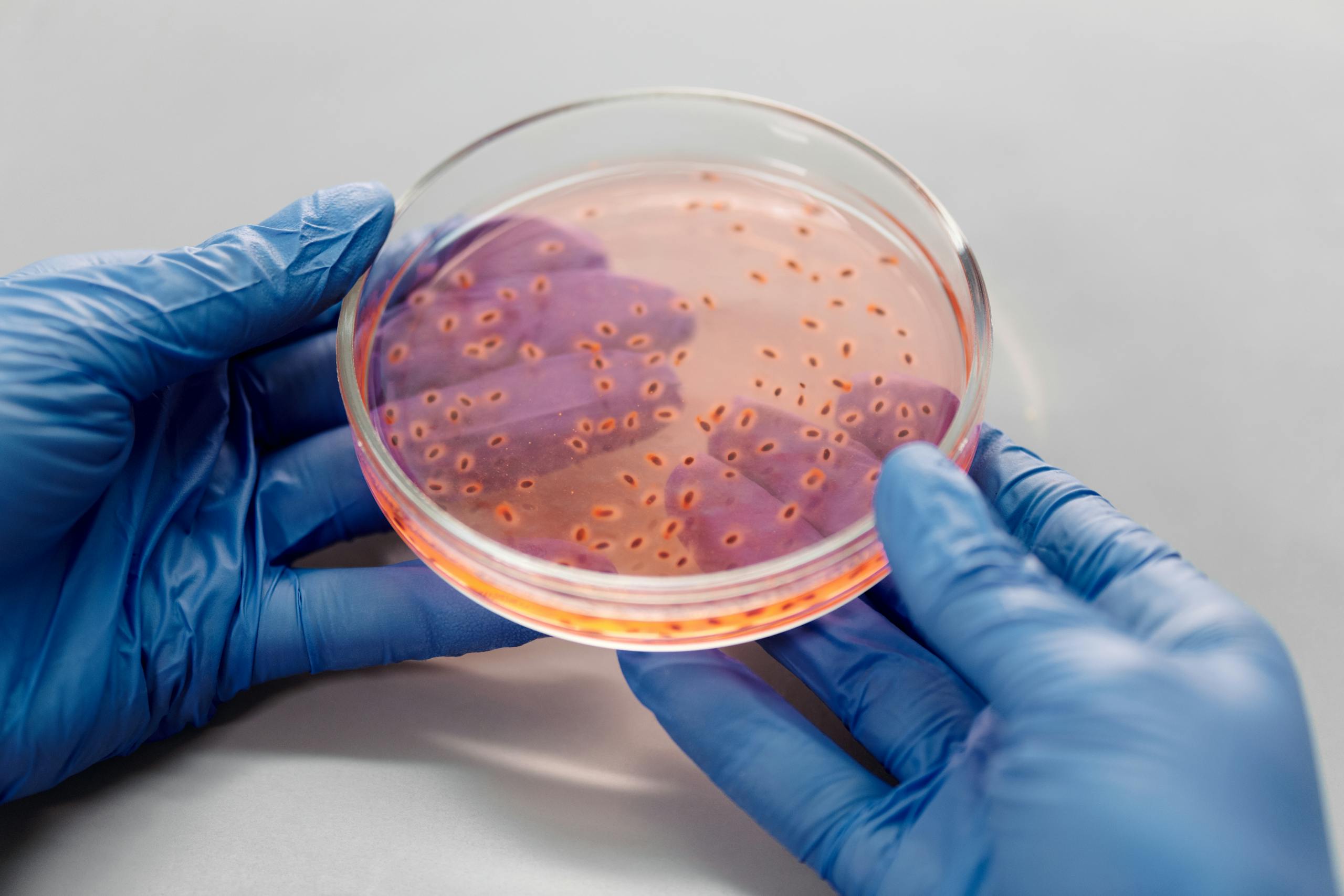
Leeches save surgical tissue by doing the dirtiest circulation job.
Leeches once belonged to the bad old world of bloodletting, where doctors tried to drain illness out of the body. That theory failed, but the leech survived because a narrow part of the practice proved genuinely useful.
In reconstructive surgery, surgeons can reconnect arteries more easily than they can tiny veins, creating a dangerous problem. Blood may enter a reattached finger, ear, lip, flap, or graft, but it may not drain properly.
The tissue becomes swollen, purple, congested, and at risk of dying. Medicinal leeches help by removing pooled blood and releasing anticoagulant compounds, including hirudin, that keep blood flowing while the body grows new venous drainage.
The image is unsettling, but the purpose is practical. A leech becomes a temporary biological drain, buying surgeons time when the body’s plumbing has not caught up.
Modern medical leeches are bred under controlled conditions and discarded after one use, because infection control matters as much as the bite itself. The treatment is not a casual add-on or a spa curiosity.
It is a tissue-saving tool used when venous congestion threatens the success of delicate reconstructive work. That is why this slimy swamp creature still has a place in modern hospitals. The old myth was wrong, but the animal’s chemistry was real.
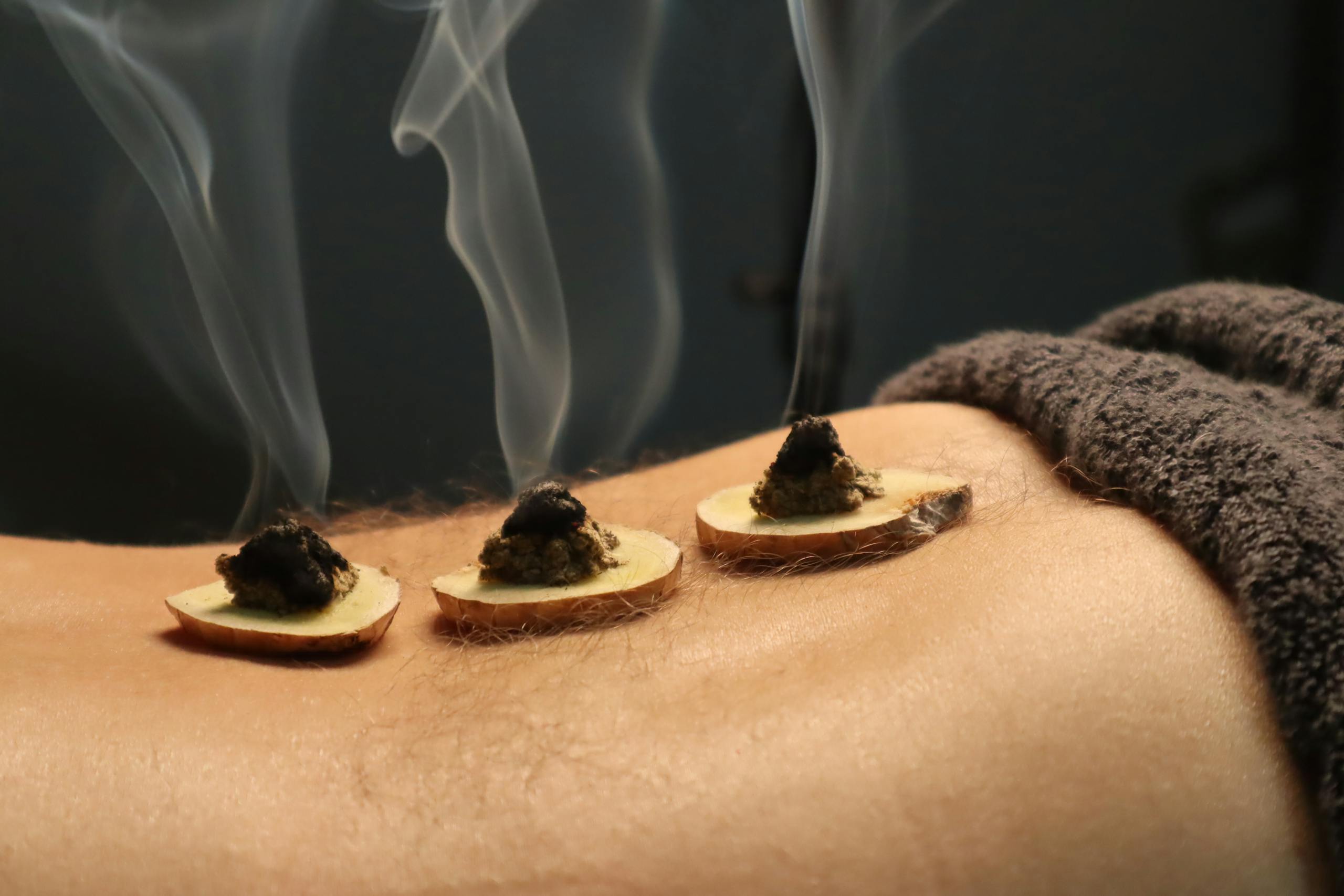
Fecal microbiota therapy turns healthy stool into gut medicine.
Few phrases can ruin a dinner conversation faster than “fecal transplant.” Still, fecal microbiota therapy has become one of the clearest examples of a disgusting idea with serious medical value.
The treatment transfers beneficial microbes from screened donor stool into the gut of a patient whose microbiome has been badly disrupted. Its best-known role is in recurrent Clostridioides difficile infection, a dangerous illness that can cause severe diarrhea, inflammation of the colon, dehydration, hospitalization, and death.
Antibiotics can kill C. difficile, but they can also damage the healthy gut bacteria that keep it under control, allowing the infection to return again and again.
The medical logic is simple and powerful. Instead of targeting only the harmful bacteria, fecal microbiota therapy rebuilds the ecosystem that keeps the gut stable.
The FDA approved Vowst in April 2023 as the first orally administered fecal microbiota product for preventing recurrent C. difficile infection in adults after antibacterial treatment.
Earlier, FDA-approved microbiome products also helped move this field from improvised transplant language toward regulated therapy. The treatment still requires strict screening because stool can carry dangerous organisms.
That safety concern is exactly why do-it-yourself versions are reckless. In medicine, the difference between a lifesaving microbiome product and a dangerous experiment is screening, regulation, dose control, and professional supervision.
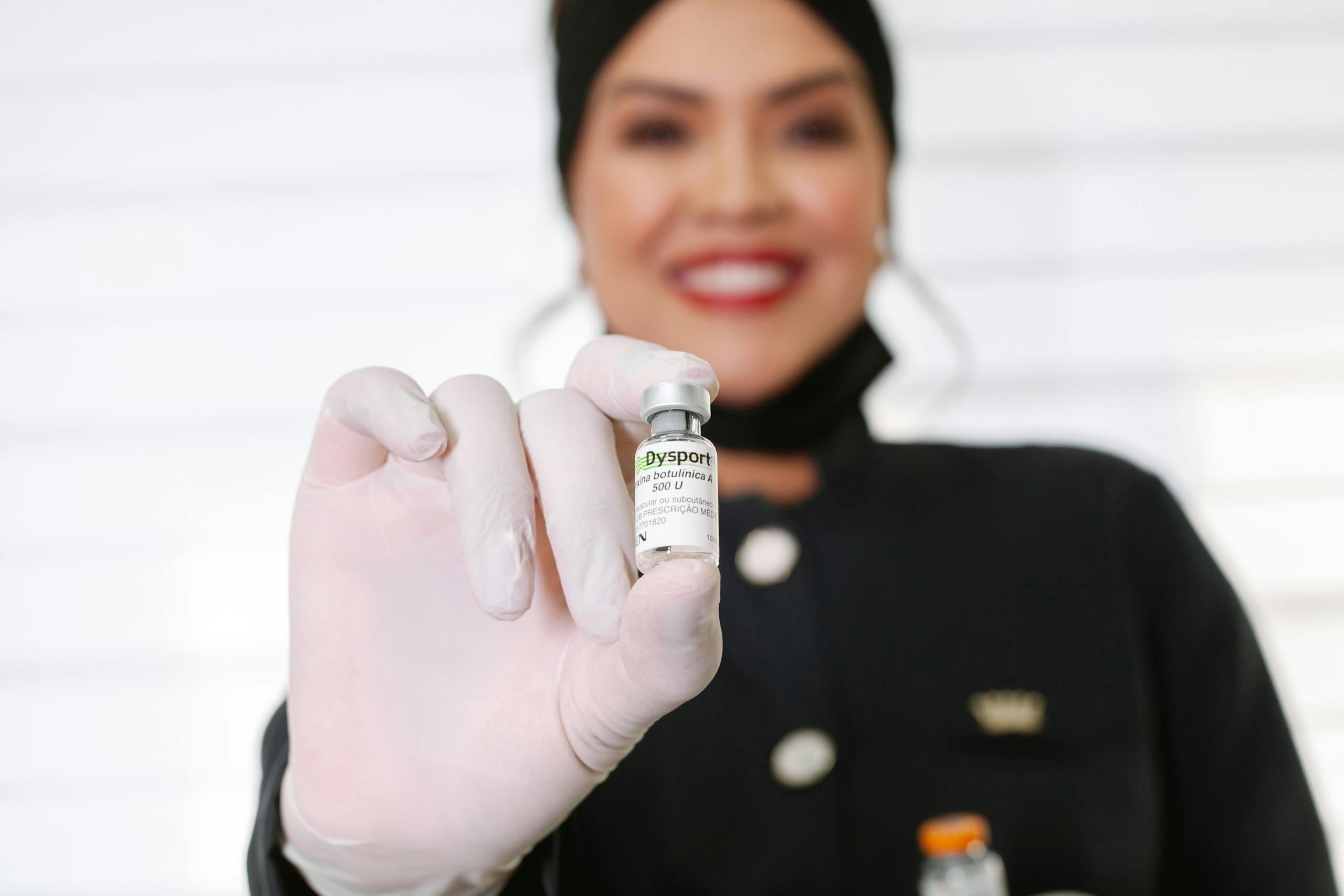
Botulinum toxin uses one of nature’s deadliest poisons to calm the body.
Botulinum toxin has a terrifying résumé. In uncontrolled exposure, it can cause botulism, paralysis, breathing failure, and death. In carefully measured medical doses, it is among the most versatile treatments in modern neurology, pain medicine, dermatology, and rehabilitation.
The toxin works by blocking nerve signals that tell muscles or glands to overreact. That is why it can relax muscle spasms, reduce excessive sweating, treat certain eye muscle disorders, help an overactive bladder, and prevent chronic migraine.
Mayo Clinic describes Botox injections as a treatment used for neck spasms, sweating, overactive bladder, lazy eye, and migraine prevention, alongside cosmetic uses.
The genius of botulinum toxin therapy lies in controlled paralysis. A problem muscle may fire too much. A sweat gland may behave like a broken faucet. Pain pathways involved in chronic migraine may become hypersensitive.
The toxin does not “cure” every underlying condition, but it can quiet the signal long enough to restore function and comfort. That is the strange elegance of modern pharmacology.
Medicine often does not erase danger. It measures danger, dilutes it, targets it, and turns it into relief. A poison that once inspired fear now helps patients move, work, sleep, and live with fewer symptoms.
Arsenic trioxide proves that even poison can become a cancer treatment.
Arsenic has a reputation built on murder mysteries, poisoned wells, and slow, sinister death. That reputation is deserved in the wrong context.
Yet arsenic trioxide has become a major treatment for acute promyelocytic leukemia, a rare and aggressive subtype of acute myeloid leukemia. The drug works in a highly specific way by helping abnormal leukemia cells mature and die, especially when used with all-trans retinoic acid in appropriate patients.
Modern cancer care often sounds futuristic, but this treatment reminds us that some old poisons became powerful medicines once scientists understood dose, target, timing, and biology.
The transformation is remarkable because acute promyelocytic leukemia was once one of the most feared leukemias due to its bleeding risks and rapid course. Today, it is one of the more treatable forms when diagnosed and managed quickly.
Reviews of arsenic trioxide in acute promyelocytic leukemia describe how the old compound returned to modern medicine, gained FDA approval for relapsed cases, and then expanded into broader treatment strategies.
More recent cancer literature also describes arsenic trioxide as a first-line treatment drug for acute promyelocytic leukemia in modern combination therapy. The lesson is sharp and almost poetic. A substance can be deadly in one setting and lifesaving in another. Medicine lives in that thin line.
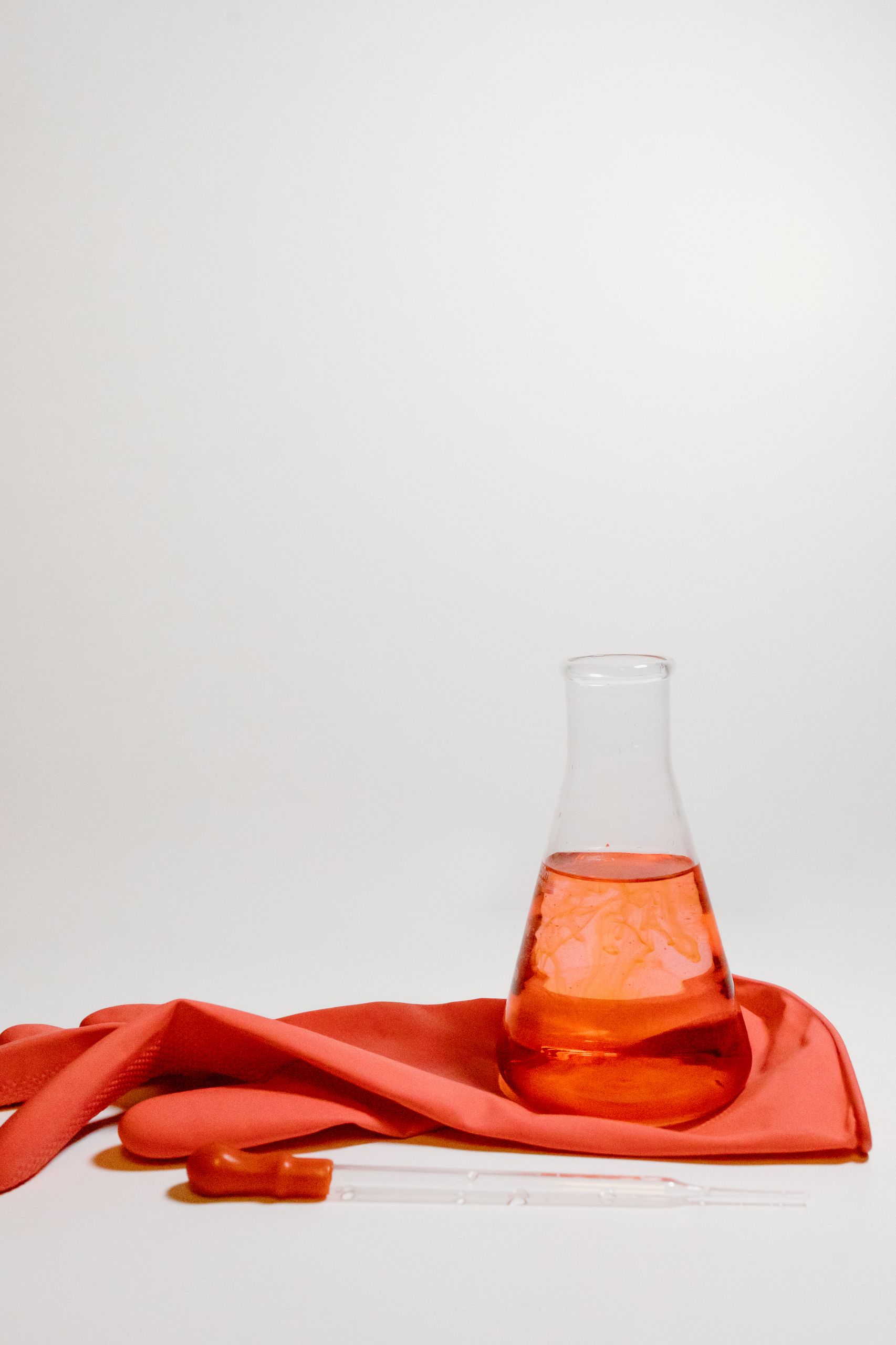
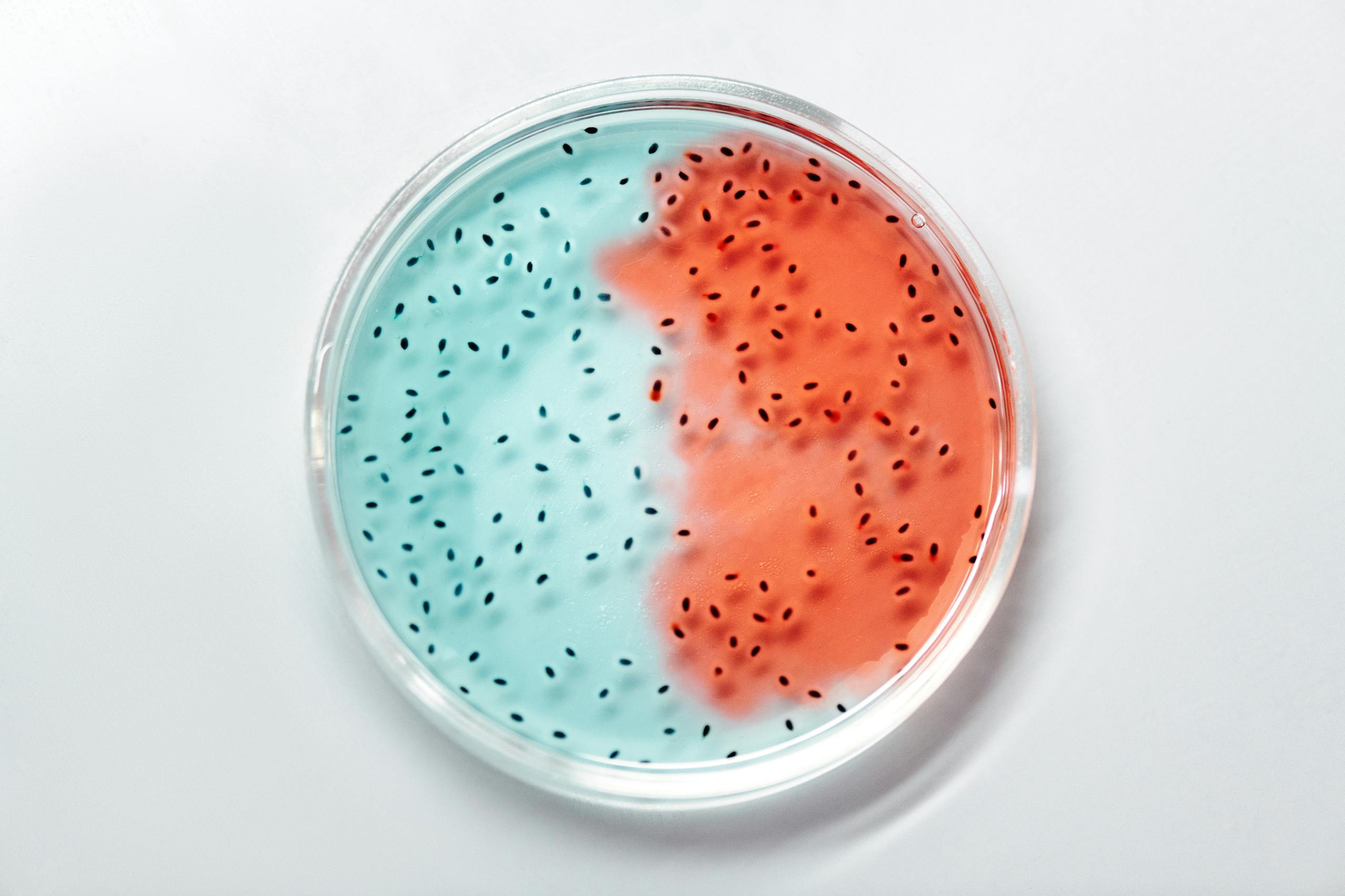
Bacteriophage therapy sends viruses to hunt bacteria.
Viruses usually play the villain in public imagination, but bacteriophages are different. These viruses infect bacteria rather than human cells, and that makes them fascinating weapons against antibiotic-resistant infections.
Phage therapy uses carefully selected bacteriophages to target specific bacteria, often when standard antibiotics fail or when a patient has a persistent, hard-to-treat infection.
The idea is old, but antibiotic success pushed it into the background for decades in many Western medical systems. Now, antibiotic resistance has dragged phage therapy back into the spotlight.
The appeal is precision. A broad-spectrum antibiotic can blast through both harmful and helpful bacteria. A matched phage can attack a narrower bacterial target, sometimes with less collateral damage to the microbiome.
Recent clinical reviews describe phage therapy as a promising approach for multidrug-resistant infections, especially in compassionate-use cases where conventional options have run out.
The treatment still faces challenges. Doctors must match the phage to the bacteria, monitor resistance, prepare safe formulations, and avoid overselling early success. Even so, the core idea remains thrillingly strange. One microscopic enemy can be recruited to kill another.
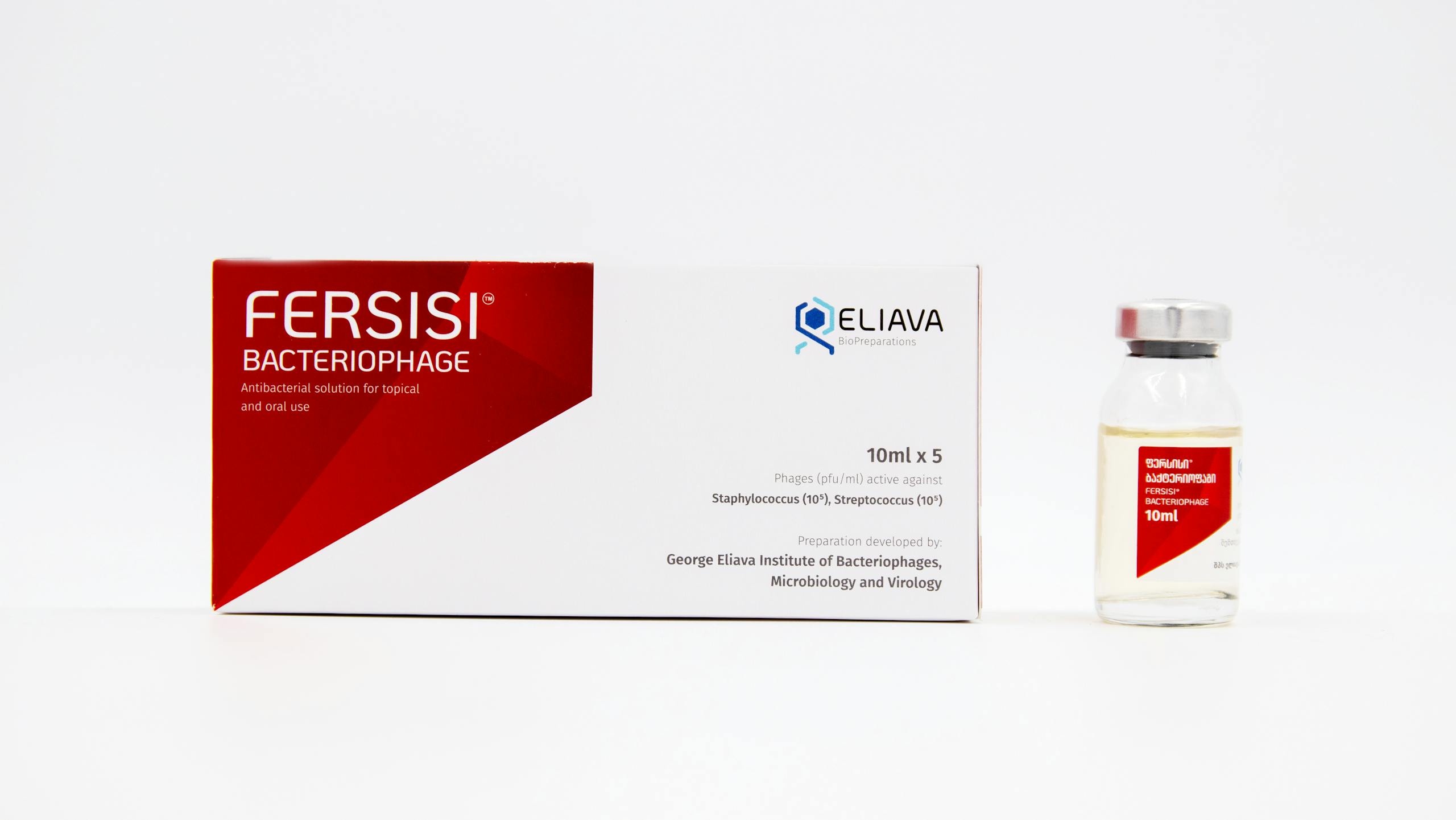
Electroconvulsive therapy shocks the brain, but modern use is far more controlled than its reputation.
Electroconvulsive therapy, or ECT, carries one of the heaviest reputational burdens in medicine. Movies turned it into a symbol of cruelty, punishment, and psychiatric horror.
Modern ECT is not that image. It is performed under anesthesia, with muscle relaxation, monitoring, controlled electrical dosing, and careful clinical selection. It is mainly used for severe depression, catatonia, some cases of bipolar disorder, and severe psychiatric illness when symptoms become dangerous or other treatments fail.
The American Psychiatric Association states that extensive research has found ECT highly effective for major depression, with substantial improvement in about 80 percent of patients with uncomplicated but severe major depression.
That does not make ECT casual or risk-free. Memory problems, confusion, headache, and medical concerns require serious informed consent and skilled care.
Recent public debate has also raised concerns about adverse effects and patient experience, especially when people feel underinformed or harmed. Still, the reason ECT remains in modern practice is clear.
Severe depression can be deadly, catatonia can become a medical emergency, and some patients need a treatment that works faster than medication.
ECT is bizarre because electricity and mental illness sound like a crude pairing. It works because the brain is an electrical organ, and controlled stimulation can reset patterns that ordinary treatment sometimes cannot reach.
Targeted temperature management uses cold to protect the brain after cardiac arrest.
Cooling a patient after cardiac arrest sounds primitive at first glance. We spend most of our time in emergencies trying to restore warmth, circulation, and normal function, so deliberately lowering body temperature feels backward.
Yet targeted temperature management grew from a powerful observation. After the heart stops and restarts, the brain can suffer further injury from inflammation, oxygen disruption, and metabolic stress.
Cooling or tightly controlling temperature can reduce some of that damage in selected patients, especially when used in carefully monitored hospital settings.
Modern practice has become more nuanced than the older phrase “therapeutic hypothermia.” Current reviews describe targeted temperature management after cardiac arrest as selecting and maintaining a constant target temperature, often within a range such as 32 to 36 degrees Celsius, in patients who receive the approach.
The purpose is not to freeze the patient like science fiction. The purpose is to slow harmful processes, prevent fever, and protect the brain during a vulnerable period.
The field continues to evolve as researchers debate which patients benefit most and which target temperatures produce the best outcomes. Even with that nuance, the central idea remains extraordinary. Sometimes medicine saves a life by cooling the body down when everything in us wants to warm it up.
Radioactive iodine destroys diseased thyroid tissue from the inside.
Swallowing radioactivity sounds like the opposite of treatment. In thyroid medicine, radioactive iodine can be exactly that.
The thyroid naturally absorbs iodine to produce hormones, and doctors use this property to deliver a targeted dose of iodine-131 to overactive or cancerous thyroid tissue.
The radioactive iodine concentrates where iodine is taken up, then damages or destroys the tissue from within. This makes it useful for treating hyperthyroidism and certain thyroid cancers.
The American Thyroid Association explains that iodine-131 can treat an overactive thyroid gland or thyroid cancer, with low-dose treatment used to destroy overactive thyroid tissue in hyperthyroidism.
The treatment requires radiation-safety instructions, pregnancy precautions, dosing decisions, and follow-up testing, so it is not casual medicine. Still, its elegance is hard to miss.
Instead of sending radiation broadly through the body, doctors exploit the thyroid’s appetite for iodine. The gland takes the bait, and the treatment works from the inside. It is one of the clearest examples of targeted medicine long before “targeted therapy” became a fashionable phrase.
Capsaicin therapy burns pain pathways until they quiet down.
Capsaicin is the compound that gives chili peppers their heat, so using it to treat pain sounds like rubbing fire on a wound. Yet topical capsaicin can reduce certain forms of nerve pain by overstimulating pain-sensing nerve fibers, making them less responsive.
The first sensation may be burning, stinging, or intense warmth. The therapeutic goal is not comfort in the moment. The goal is longer-lasting pain relief once the nerve endings have calmed down.
High-concentration capsaicin patches have been used for neuropathic pain conditions, including postherpetic neuralgia, and medical literature describes the 8 percent capsaicin patch as FDA-approved for postherpetic neuralgia.
This is another treatment that only makes sense when dose and delivery are controlled. A chili pepper in the kitchen is food. A high-dose capsaicin patch in a clinic is a targeted nerve treatment.
The strange part is that pain can sometimes be treated by briefly provoking the very pathway that causes it. The body’s alarm system, when pushed correctly, can lose volume.

Medical honey brings an ancient wound remedy back into sterile dressings.
Honey sounds too gentle for a list filled with parasites, poison, electricity, and radiation. Yet medical-grade honey belongs here because it shows that ancient remedies can withstand modern scrutiny when refined and standardized.
People have used honey on wounds for centuries, but modern medical honey is not the same as spooning pantry honey onto broken skin. Medical-grade honey is sterilized, prepared for wound care, and used in regulated dressings.
It can help manage moisture, support debridement, reduce odor, create an unfavorable environment for microbes, and assist healing in certain wound types.
A review in the wound-care literature notes that FDA-approved honey-based devices are indicated for various wound types, including exuding and diabetic wounds.
That matters because chronic wounds are not simple cuts. They can leak, smell, harbor bacteria, stall healing, and drain a patient’s quality of life. Honey’s high sugar concentration, acidity, and bioactive compounds help explain its medical usefulness, especially in carefully prepared dressings.
The bizarre twist is that one of the oldest sweet foods in human history still has a clinical role in modern wound care. The kitchen version belongs on toast. The medical version belongs in a sterile treatment plan.
Snake venom research helped create blood pressure drugs.
Snake venom is designed to disable, damage, or kill. That makes it an unlikely ancestor of everyday heart medicine. Yet research into venom from the Brazilian pit viper helped scientists understand how to block angiotensin-converting enzyme, or ACE, an enzyme involved in blood pressure regulation.
That work contributed to the development of captopril, the first oral ACE inhibitor, and helped launch a drug class used for high blood pressure, heart failure, and kidney-protective treatment strategies.
The connection between venom and medicine is not folklore. Historical accounts of ACE inhibitor development describe how peptides from the Brazilian viper’s venom inhibited ACE activity and helped inspire the development of synthetic drugs that could be taken by mouth.
This is one of medicine’s most dramatic reversals. A venom that could dangerously lower blood pressure in prey led researchers toward drugs that lower blood pressure safely in patients.
The body’s enemies often carry biochemical secrets. Scientists do not blindly copy the danger. They isolate the useful mechanism, redesign it, and turn a fang’s chemistry into a prescription.

Helminth therapy studies ask whether worms can calm an overactive immune system.
The idea of using parasitic worms as therapy sounds like a nightmare with a lab coat. Helminth therapy is based on a serious immunological question: Did modern life remove too many organisms that once helped train the immune system?
Some researchers have explored whether controlled exposure to certain worms, worm eggs, or worm-derived molecules could reduce harmful inflammation in conditions such as inflammatory bowel disease, allergies, asthma, or autoimmune disorders.
The theory is that parasites evolved ways to calm the immune system so they could survive inside a host, and those same immune-calming effects might be medically useful.
This field remains more experimental and less settled than maggot therapy, leech therapy, or fecal microbiota products. Early studies generated excitement, but larger trials have produced mixed results, and regulators have not embraced worm therapy as a mainstream treatment for autoimmune disease.
That uncertainty matters. The treatment “worked” in the sense that it revealed a real biological pathway and produced intriguing responses in some research settings, but it has not become a standard cure.
The likely future may not involve swallowing worms at all. It may involve identifying the molecules worms use to influence immunity, then developing safer drugs that mimic their effects without harboring the parasite.

Why strange treatments survive when ordinary ideas fail
Bizarre medical treatments usually survive for one reason: they solve a specific problem better than a cleaner-sounding alternative. Maggots remove dead tissue. Leeches drain congested blood.
Fecal microbiota products restore a damaged gut ecosystem. Botulinum toxin quiets overactive nerve signals. Arsenic trioxide attacks a specific leukemia pathway.
Bacteriophages target bacteria that antibiotics may miss. These treatments are not strange because doctors love shock value. They are strange because biology itself is strange.
The best version of modern medicine does not ask whether a treatment sounds pleasant. It asks whether the mechanism makes sense, whether the evidence supports it, whether the risks can be controlled, and whether patients benefit.
That is why some old practices vanished forever, while others returned wearing gloves, labels, safety protocols, and clinical trial data. The past was full of dangerous guesses, but it also produced surprising clues.
The future of medicine may look sleek, digital, and robotic, but it will still borrow from worms, venom, bacteria, toxins, and other uncomfortable corners of nature.
Key takeaway
The most shocking medical treatments are not always the most foolish ones. Some are crude ideas that modern science has refined into precise tools.
Others are dangerous substances transformed by dose, targeting, and supervision. The real dividing line is not between “natural” and “modern” or “old” and “new.”
The dividing line is between uncontrolled risk and evidence-based care. Maggots, leeches, stool microbes, poison, electricity, radiation, and venom all sound alarming on their own. In the right hands, under the right rules, they have helped medicine do what it has always tried to do: turn fear into survival.