Every generation has a private museum of everyday things it refuses to let go. For Baby Boomers, that museum is filled with sturdy alarm clocks, handwritten checkbooks, full china cabinets, cable remotes, thick photo albums, and a few “just in case” items tucked away in drawers. These products were not random purchases. They were tools of adulthood, signs of responsibility, symbols of hospitality, and proof that a home was prepared for almost anything.
Gen Z sees many of those same products through a very different lens. A landline looks redundant when a smartphone handles calls, texts, banking, maps, photos, alarms, entertainment, and emergency alerts. A cabinet full of fine china feels impractical when apartments are smaller, social life is more casual, and dishes need to survive microwaves, dishwashers, and daily use. The divide is not really about taste. It is about trust, space, cost, convenience, identity, and the speed at which daily life has changed.
Landline Phones Still Feel Secure to Boomers
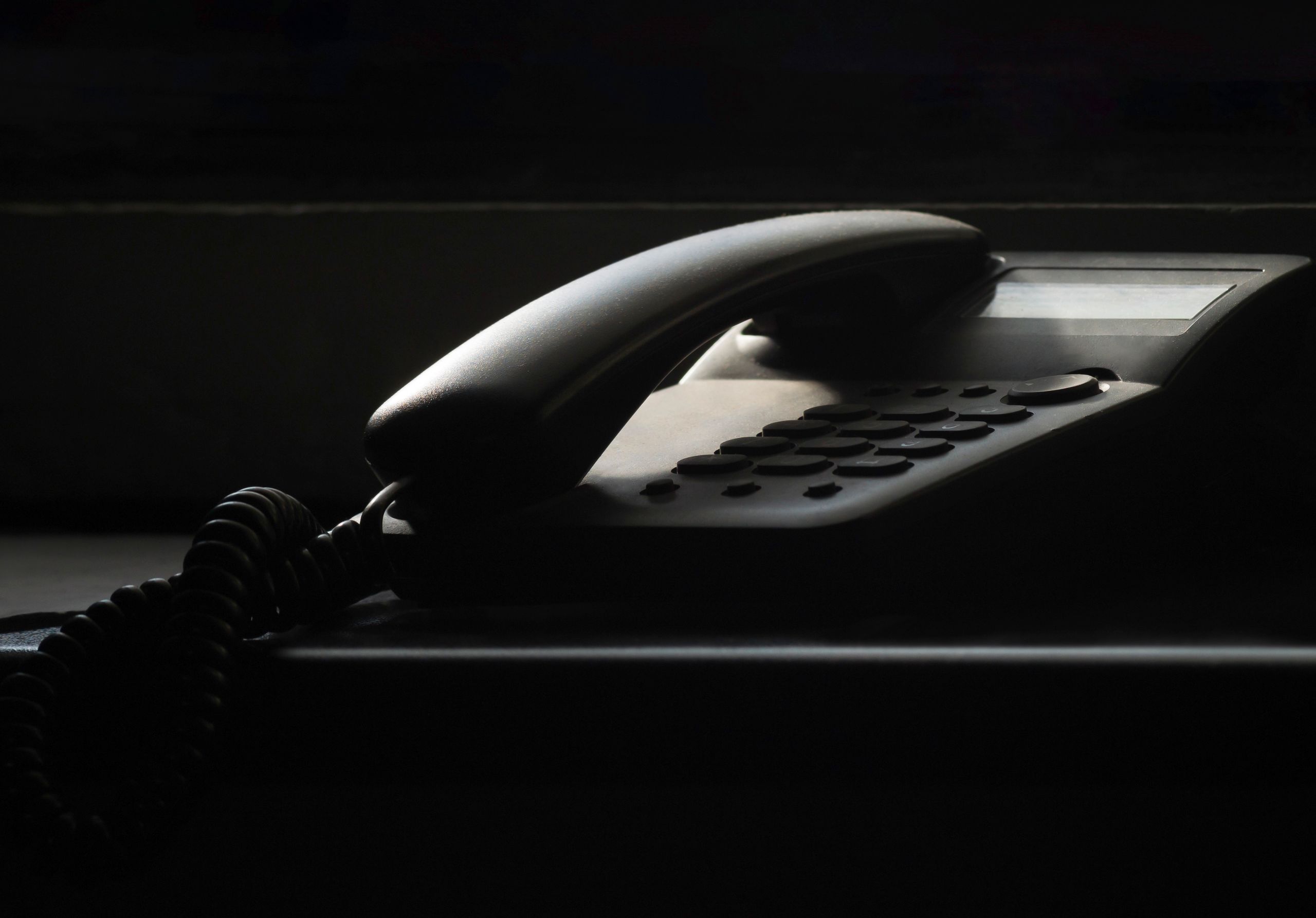
For many Baby Boomers, the landline phone represents reliability. It stays in one place, rings loudly, and carries the emotional weight of long family conversations, neighborhood updates, and emergency calls made from the kitchen wall. A home phone also feels stable because it belongs to the household rather than one person’s pocket. That matters to people who grew up when the phone was a shared family hub, not a private device competing with hundreds of notifications.
Gen Z rarely sees the point. A landline feels like paying for a second version of something a smartphone already does better. Younger adults are used to texting before calling, screening unknown numbers, using FaceTime, sending voice notes, and keeping conversations mobile. To them, a phone tied to a wall or table feels less like security and more like clutter. Boomers see a dependable backup, while Gen Z sees an extra bill attached to an outdated habit.
Checkbooks Still Give Boomers a Sense of Control
Checkbooks remain one of the clearest symbols of the Baby Boomer money mindset. Writing a check feels deliberate. The date, payee, amount, memo line, and signature create a paper trail that looks official and controlled. Many Boomers trust the visible routine because it slows down transactions and makes money feel more tangible. A checkbook also fits a generation that learned household budgeting through ledgers, envelopes, receipts, and monthly statements.
Gen Z tends to find checks awkward, slow, and easy to avoid. Rent payments, split bills, online shopping, subscriptions, peer-to-peer transfers, mobile deposits, and automatic payments have changed the rhythm of personal finance. Younger adults expect money transfers to be instant, trackable in an app, and confirmed with a notification. A paper check can feel risky because it exposes account details and depends on mail, physical handling, and processing delays. For Boomers, checks feel organized. Gen Z feels like paperwork pretending to be payment.
Fine China Feels Like Tradition to Boomers and Storage Trouble to Gen Z
Fine china has deep emotional value in many Boomer households. It often represents weddings, anniversaries, family holidays, inheritance, and the old idea that certain meals deserve special dishes. A china cabinet can feel like a family archive, with plates and teacups standing in for people, places, and gatherings that mattered. To a Boomer, owning fine china may signal that a home is ready to host, honor guests, and preserve family rituals.
Gen Z often responds more practically. They may admire the beauty but question the lifestyle behind it. Many younger adults rent smaller spaces, move more often, prefer casual hosting, and avoid owning items that require delicate handling. Dishes that cannot go in the microwave or dishwasher become harder to justify. Gen Z is not against beauty or sentiment. It simply tends to prefer everyday objects rather than those protected behind glass for rare occasions.
Cable TV Still Offers Familiar Comfort
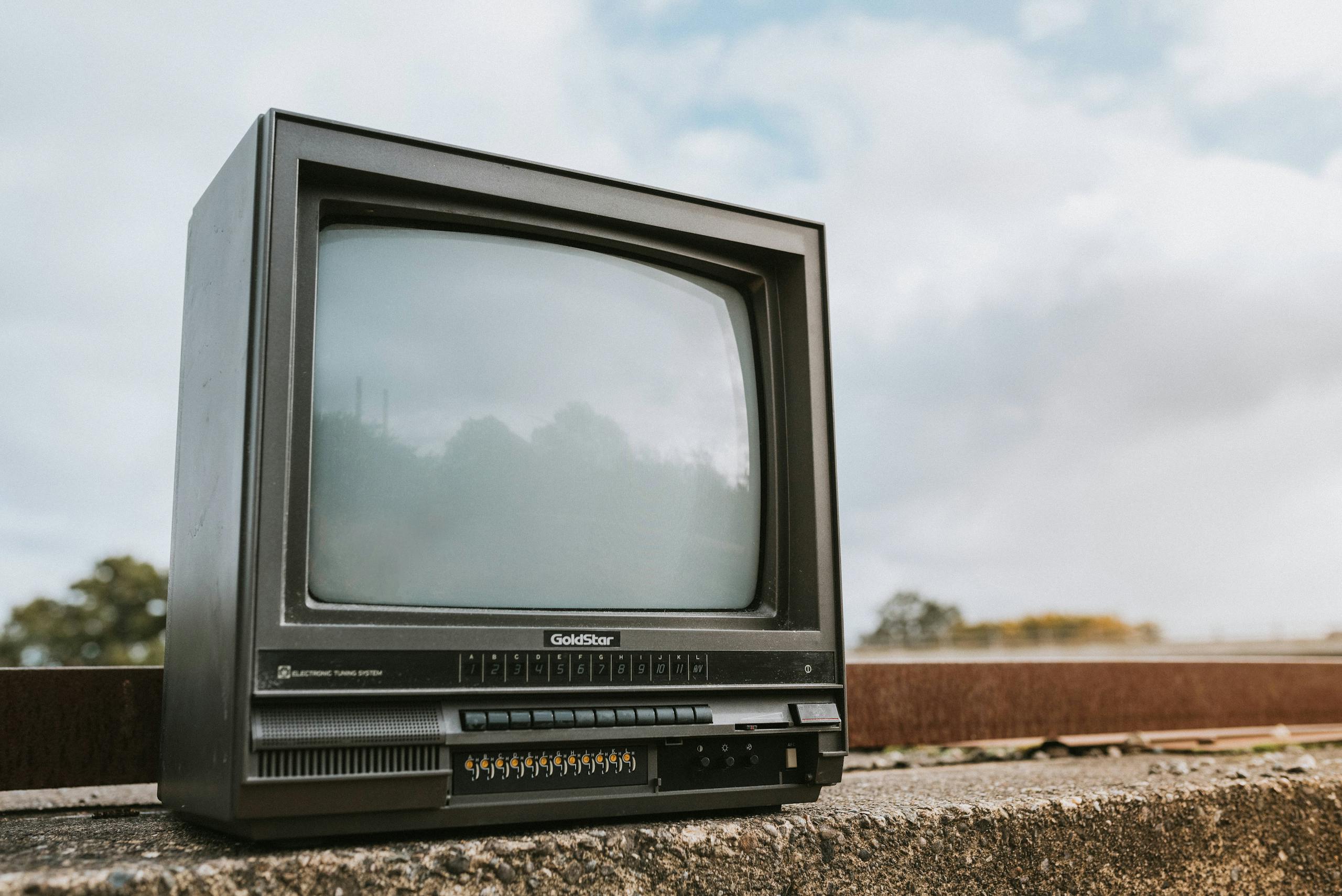
Cable television gives many Boomers something streaming often lacks: structure. Channels have numbers, shows start at set times, news comes on at predictable hours, and the remote offers a familiar path through entertainment. The routine can be comforting. Turn on the TV, flip through channels, settle into a program, and let the evening unfold without having to choose from thousands of titles. For people who grew up around scheduled programming, cable can feel orderly and effortless.
Gen Z experiences entertainment differently. Younger viewers are used to on-demand control, short-form video, streaming platforms, creator channels, podcasts, and algorithm-driven recommendations. They rarely want to pay for large bundles full of channels they do not watch. They also dislike being locked into programming schedules when entertainment can follow them from phone to laptop to TV. Boomers value the simplicity of turning on a channel. Gen Z values the freedom of choosing exactly what to watch, when to watch it, and where to pause it.
Paper Maps Still Make Sense to Boomers
Paper maps carry a kind of confidence that many Boomers respect. They do not require a signal, a battery, an update, or app permissions. They teach direction, distance, geography, and route planning in a visual way that feels bigger than a glowing screen. For road trips, some Boomers still appreciate unfolding a map and seeing the full journey, rather than following one blue line turn by turn. A paper map makes travel feel intentional.
Gen Z usually sees maps through a phone screen. Navigation apps update traffic, estimate arrival times, reroute automatically, locate gas stations, and remember destinations. Younger travelers often trust real-time guidance more than static paper. The idea of pulling over to study a folded map can feel slow and unnecessary. Still, the difference reveals something deeper. Boomers learned to navigate by reading the world, while Gen Z learned to navigate by receiving live instructions from it.
Fabric Softener Still Feels Like a Laundry Essential
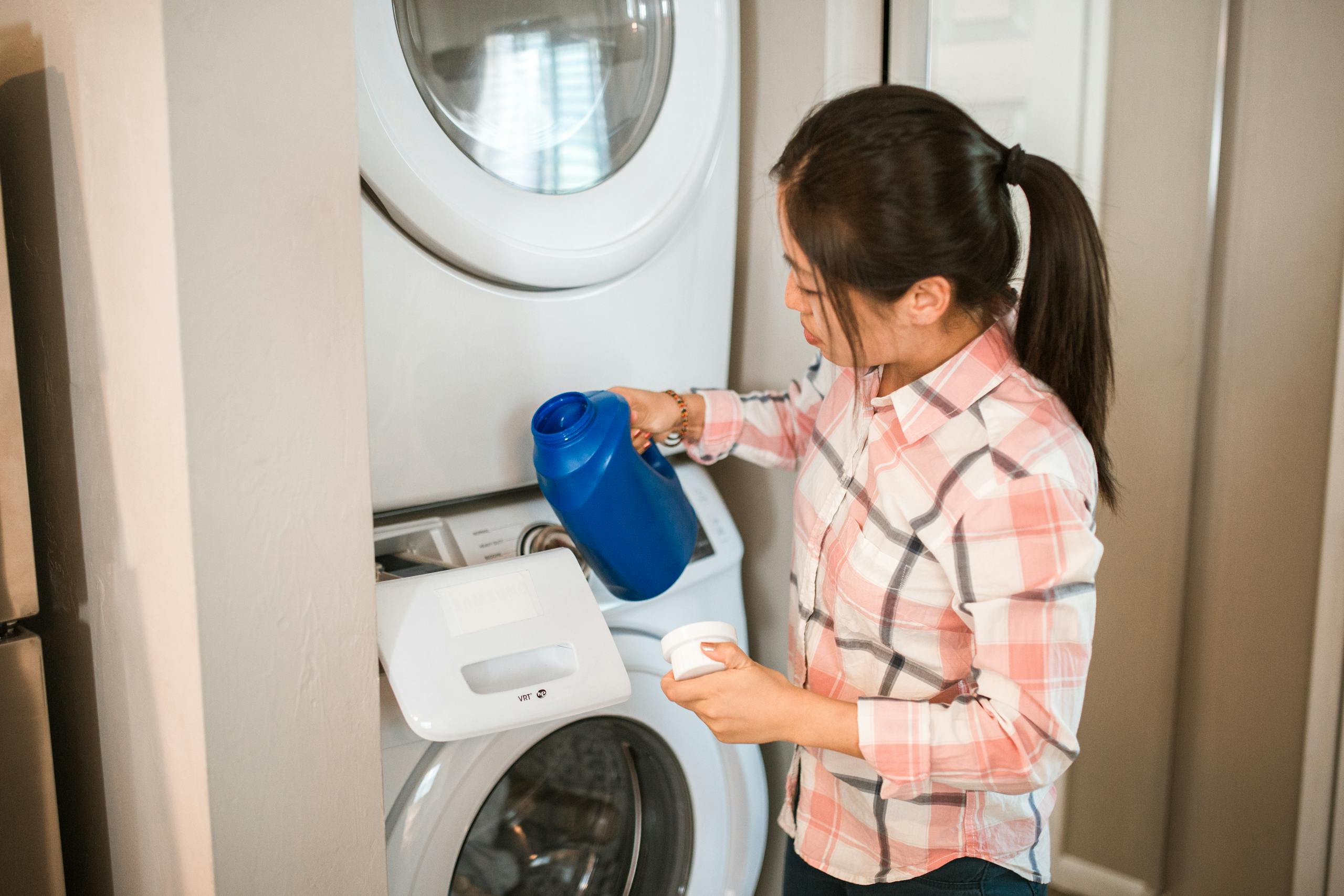
For many Boomers, fabric softener is part of a “proper” laundry routine. Clean clothes should smell fresh, feel soft, resist static, and come out of the dryer with that finished household scent. The product became associated with care, comfort, and domestic competence. A home where towels smelled soft, and sheets carried a familiar fragrance could feel well-kept, warm, and inviting.
Gen Z often uses fewer laundry products. Younger consumers may use fragrance-free detergent, dryer balls, scent boosters, vinegar alternatives, or nothing extra. Some worry about towel residue, skin sensitivity, environmental impact, or unnecessary spending. Others simply never developed the habit because modern fabrics and washers changed the routine. Boomers may see fabric softener as the final touch. Gen Z may see it as one more bottle taking up space.
Alarm Clocks Still Beat Phone Alarms for Some Boomers
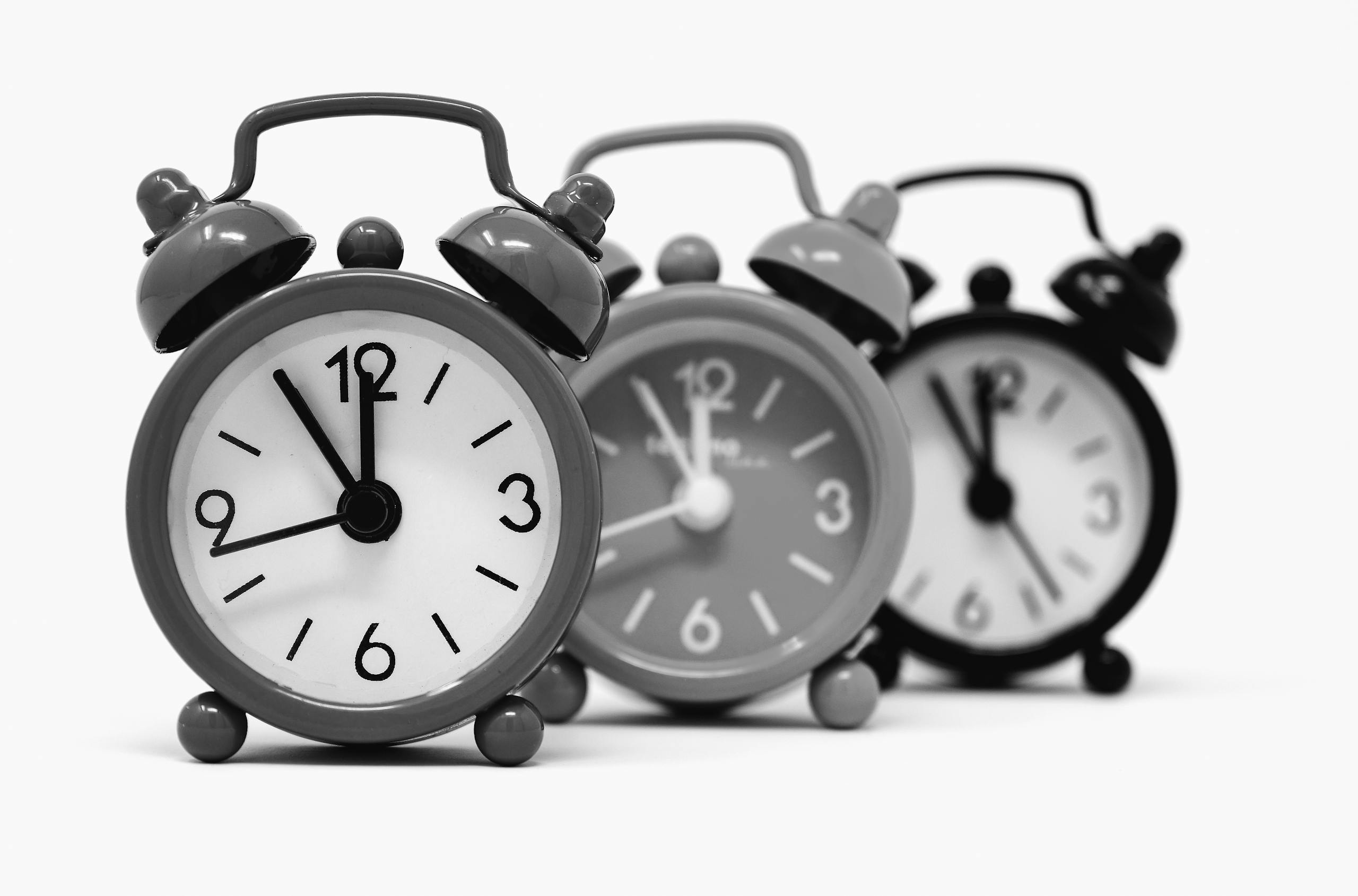
A traditional alarm clock has one job, and that simplicity is exactly why many Boomers still like it. It sits on the nightstand, displays the time, and wakes the room without requiring a phone beside the bed. For people who dislike depending on a smartphone for everything, a separate alarm clock feels sensible. It also creates a boundary between sleep and the digital noise that follows people everywhere.
Gen Z usually relies on phone alarms because they are customizable, portable, and already built into the device they keep nearby. One phone can hold multiple alarms, music options, bedtime reminders, sleep tracking, calendar alerts, and vibration settings. A separate clock can feel like a duplicate product with limited use. Still, some younger adults are rediscovering standalone alarm clocks as part of digital detox routines. That makes the alarm clock one of the few Boomer favorites that may quietly find a second life.
Encyclopedias Still Feel Like Trusted Knowledge
A printed encyclopedia set once represented serious learning. It looked impressive on a shelf, gave children a place to research school projects, and turned knowledge into a tangible object. Boomers often remember the weight of those books, the smell of the pages, and the feeling of moving from one entry to another. Encyclopedias gave information a sense of authority because they felt curated, edited, and permanent.
Gen Z lives in a world where information changes constantly. Search engines, digital libraries, online videos, academic databases, forums, and AI tools have made printed encyclopedia sets feel frozen in time. Younger learners expect answers to be updated quickly and to come in multiple formats, from explainers to charts to videos. A printed encyclopedia can still be charming, but it no longer feels efficient. Boomers value the credibility of a complete set. Gen Z values speed, searchability, and freshness.
Greeting Cards Still Feel More Personal to Boomers
Greeting cards remain a beloved Boomer ritual because they turn emotion into something physical. A birthday card, sympathy card, anniversary card, or thank-you note can be saved in a drawer for years. The handwritten message matters because it shows effort. Someone had to choose the card, buy it, sign it, address it, and send it. That process gives the gesture weight.
Gen Z does not lack sentiment, but it often expresses it differently. A heartfelt text, private voice note, custom meme, Instagram story, shared playlist, digital collage, or quick video message can feel more natural than standing in a card aisle. Younger adults may also see greeting cards as expensive for something that is likely to be read once and discarded. Boomers often see cards as keepsakes. Gen Z sees connection as immediate, personalized, and less tied to paper.
DVDs and Blu-rays Still Give Boomers Ownership
Physical movies offer something streaming cannot always promise: control. A DVD or Blu-ray collection stays on the shelf, ready to play without worrying about licensing changes, removed titles, subscription fees, buffering, or internet outages. Boomers who collected movies often remember carefully choosing titles, organizing shelves, and lending discs to family or friends. The collection itself became part of the home.
Gen Z tends to treat movies and shows as access-based rather than ownership-based. If a title is available somewhere online, that is usually enough. Shelves full of discs feel bulky when entertainment can live behind a login. The irony is that streaming’s convenience has also made some younger viewers aware of what gets lost when nothing is truly owned. Still, for most Gen Z households, physical media feels like a niche hobby rather than a daily necessity.
Conclusion
The products Baby Boomers still love tell a story about a world built around ownership, patience, formality, and physical proof. The products Gen Z prefers tell a story about speed, flexibility, mobility, and digital trust. Neither generation has the whole answer. One side knows the comfort of holding something real. The other knows the freedom of carrying less.