Whiskey should feel like a small reward at the end of a long day. It does not have to be rare, expensive, smoky, or wrapped in a velvet box to earn a place on the shelf. A good bottle can be simple, affordable, and honest. The problem begins when a bottle asks for our money but gives us thin flavor, rough heat, artificial sweetness, weak balance, or a name that does more work than the liquid inside.
We are not judging whiskey through snobbery. Budget bottles can be excellent, young whiskey can be lively, and flavored whiskey can be fun when it knows exactly what it is. The issue is value. When a bottle leans on celebrity branding, confusing labels, collector curiosity, or bargain-bin pricing, but doesn’t deliver a satisfying pour, we have every reason to pause before buying it.
The whiskey aisle has become crowded with choices that look tempting from a distance. Some bottles promise Irish smoothness, some flash an age statement, some wear a famous name, and some sell nostalgia with dessert-style flavors. Yet the best question is still simple. Would we buy it again after tasting it neat, on ice, or in a basic cocktail?
Black Velvet Canadian Whisky Feels Too Thin to Defend

Black Velvet has survived for years because it is cheap, familiar, and widely available. That does not automatically make it a smart buy. A low price helps only when the bottle offers enough flavor to make the purchase feel useful. With Black Velvet, the drinking experience often feels flat, light, and quickly forgettable.
The main issue is structure. A good Canadian whisky can be soft without being dull, sweet without tasting hollow, and smooth without feeling watered down. Black Velvet often misses that balance. It may disappear into cola, but that is not the same as being good value. When a whisky needs a sugary mixer to hide nearly everything about it, we should ask whether the bottle is saving money or wasting space.
Kentucky Gentleman Bourbon Has a Budget Price and a Budget Taste
Kentucky Gentleman is the kind of bottle people buy because the price looks almost impossible to beat. That price is also a warning sign. Bourbon carries expectations of corn sweetness, oak, vanilla, spice, warmth, and at least some sense of body. Kentucky Gentleman often comes across as light, simple, and artificial, with very little of the character people look for in bourbon.
The bigger problem is that bourbon has one of the strongest budget shelves in the liquor store. We can find affordable bottles with more oak, better spice, cleaner finish, and stronger cocktail performance without climbing into luxury pricing. Kentucky Gentleman may look like a bargain, but a bargain stops being a bargain when the flavor feels diluted, and the finish offers little reason to pour a second glass.
Canadian Mist Is Easy to Find and Hard to Remember

Canadian Mist sits in the familiar world of affordable Canadian whisky, where smoothness is often the selling point. Smoothness can be a strength, but it can also become a polite word for lacking character. Canadian Mist often tastes mild to the point of fading into the background. For buyers who want a gentle mixer, that may be acceptable. For anyone hoping for personality, it can feel underwhelming.
A better budget Canadian whisky should still bring soft grain, light spice, vanilla, or a clean sweetness that holds up in a drink. Canadian Mist often feels more like a neutral base than a whisky with its own voice. The price may be friendly, but the bottle gives us little to remember once the glass is empty. That makes it an easy skip when nearby shelves usually offer more dependable mixers.
Fireball Cinnamon Whisky Is More Candy Shot Than Whiskey Value
Fireball built an empire by understanding parties, not by pleasing traditional whiskey drinkers. Its cinnamon sweetness is instantly recognizable, and for some people, that is exactly the appeal. The problem comes when buyers treat it like a whiskey purchase rather than a sweet, spicy novelty shot. It is bold, sugary, and simple, with the cinnamon flavor doing nearly all the heavy lifting.
We should judge Fireball by what it is trying to be. It is not designed for slow sipping, nosing, or discovering layers of grain, oak, fruit, and finish. It is designed for quick impact. That makes it fun in the right setting, but it’s weak as whiskey. If someone wants cinnamon heat, it delivers. If someone wants a bottle that teaches them anything about whiskey, it is the wrong place to spend money.
Elvis Midnight Snack Flavored Whiskey Leans Too Hard on the Gimmick

Elvis Midnight Snack sounds like something built for curiosity. The idea of a flavored whiskey inspired by peanut butter, banana, and bacon-style indulgence is strange enough to make people pick it up. That may be the point. Novelty bottles often win the first purchase with a laugh, a memory, or a dare. The second purchase depends on flavor, and that is where bottles like this often struggle.
The danger with dessert-style whiskey is balance. Sweetness can be enjoyable, but an artificial banana or candy-like flavor can quickly overwhelm the base spirit. When the whiskey underneath becomes a prop for the label concept, the bottle starts to feel more like a party trick than a drink. We may understand why it exists, but we do not have to pretend it belongs beside better-flavored or unflavored whiskey options.
Loch Dhu Mannochmore Black Whisky Is Famous for the Wrong Reasons
Loch Dhu is one of those bottles that proves rarity and reputation can distort value. Its dark appearance and unusual story have made it a curiosity among collectors, but curiosity is not the same as quality. The whisky has long carried a reputation for bitterness, heavy roasted notes, and a difficult drinking profile that many people find more punishing than pleasurable.
The strange part is that notoriety can push prices upward. A bottle can become expensive because people want to own the story, not because they want to drink the liquid. That makes Loch Dhu a poor target for everyday buyers and a risky temptation for collectors who confuse infamy with excellence. We would rather spend serious whisky money on bottles admired for balance, complexity, and finish rather than for shock value.
King Robert II Blended Scotch Lacks a Clear Reason to Choose It
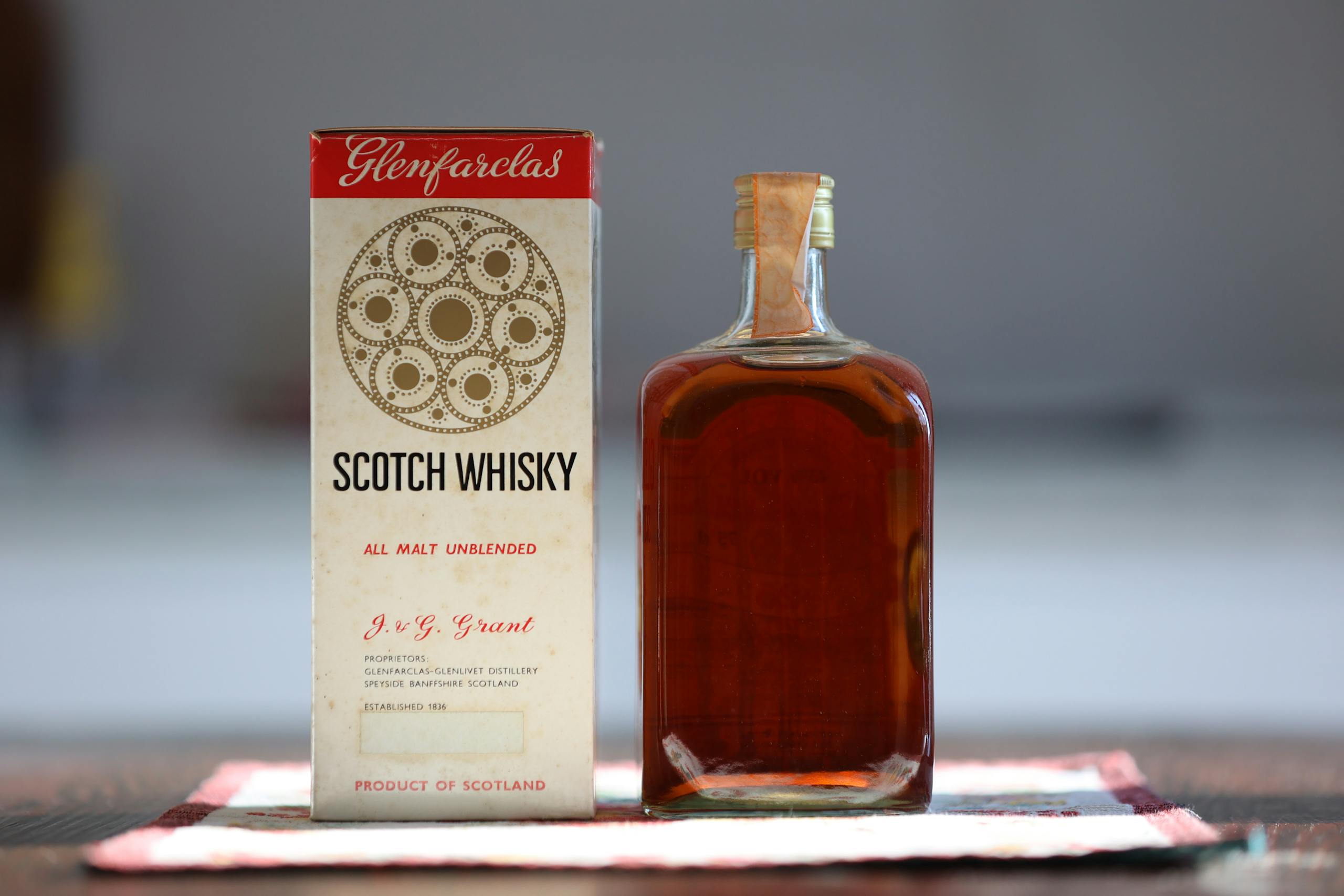
King Robert II Blended Scotch usually attracts buyers through affordability. There is nothing wrong with a low-cost blend, especially when it works in highballs or simple cocktails. The problem is that a cheap blended Scotch still needs a reason to exist beyond being cheap. It should offer grain sweetness, mild smoke, malt softness, or a finish clean enough to support a basic drink.
King Robert II often feels thin and indistinct. It does not give us enough malt character to feel interesting, and it does not bring enough richness to feel satisfying. In a category filled with accessible blended Scotches, that lack of definition hurts. We do not need every blend to be complex, but we do need it to taste like a deliberate product rather than a placeholder.
Blackstone 8-Year-Old Canadian Whisky Shows Age Is Not Enough
An age statement can make a bottle look more trustworthy. Buyers see a number on the label and assume the whisky must have gained depth, smoothness, and structure from time in wood. Blackstone 8-Year-Old Canadian Whisky shows why that assumption can be dangerous. Age matters, but it cannot rescue weak blending, dull spirit, or poor balance.
A whisky with an age statement should offer some payoff. We expect more rounded flavors, better integration, and a finish that feels more complete than a younger bargain bottle. When an 8-year-old label still tastes flat, rough, or characterless, disappointment hits harder because the number raised expectations. We would rather buy a younger bottle with energy and balance than an older bottle that tastes tired.
Glen Moray Budget Single Malt Can Feel Too Plain for the Price

Glen Moray is not a disaster bottle, and that makes it different from some of the harsher names on this list. The issue is expectation. When shoppers buy single malt Scotch, even at an affordable price, they often expect a step up in character. They want malt texture, orchard fruit, oak influence, and a sense of place. Some budget Glen Moray expressions can feel too soft and generic to satisfy that craving.
This is where value becomes personal. A mild single malt can be useful for beginners, but mild should not mean forgettable. When a bottle sits near stronger entry-level Scotch options, it needs to offer something memorable. If the pour feels shallow, watery, or too safe, we may be better off choosing a blended Scotch with more body or saving a little extra for a single malt with a clearer personality.
Conclusion
A bad whiskey purchase does not always announce itself. Sometimes it wears a famous name. Sometimes it sits behind a low price. Sometimes it hides under cinnamon sugar, banana candy, collector gossip, or a number on the label. The bottle may not be worthless, but it may still be a poor use of our money when better options are readily available.
We get better value when we buy with purpose. If we want a cocktail mixer, we should choose a bottle with enough backbone to hold up. If we want a sipping whiskey, we should look for balance, finish, and texture. If we want a novelty bottle, we should admit we are buying fun rather than craftsmanship. The whiskey aisle becomes easier to navigate once we stop being impressed by hype and start asking what is actually in the glass.