There was a time when eggs, ground beef, and even an occasional steak felt like ordinary additions to the grocery cart. Today, many households look more carefully at the price tag before deciding what to buy.
Not every food has become more expensive recently. Some prices have fallen substantially, but years of earlier increases still affect how much families spend.
The USDA’s October 2026 Food Price Outlook provides a useful picture of these differences. Here are eight familiar grocery categories that can put pressure on household budgets, along with ways to shop more carefully.
1. Beef
Beef is one of the clearest examples of a familiar ingredient that can be difficult to fit into a tight grocery budget. Cuts such as steak, brisket, and even ground beef can take up a noticeable share of weekly food spending.
According to the USDA Food Price Outlook, retail beef and veal prices were 3.5% higher in September 2026 than a year earlier. The agency also projected an 8.7% increase in average beef prices for 2026.
Choosing less expensive cuts, comparing prices per pound, and using smaller meat portions in vegetable-heavy dishes can help families manage costs.
2. Coffee
Coffee is a daily purchase for many households, which makes price increases particularly noticeable. A container that costs only a little more than last year can create meaningful additional spending when replaced regularly.
Retail coffee prices were 7.1% higher in September 2026 than in September 2025, according to federal figures. Shoppers can compare store brands, different package sizes, and prices per ounce instead of automatically choosing their usual product.
3. Fresh Berries
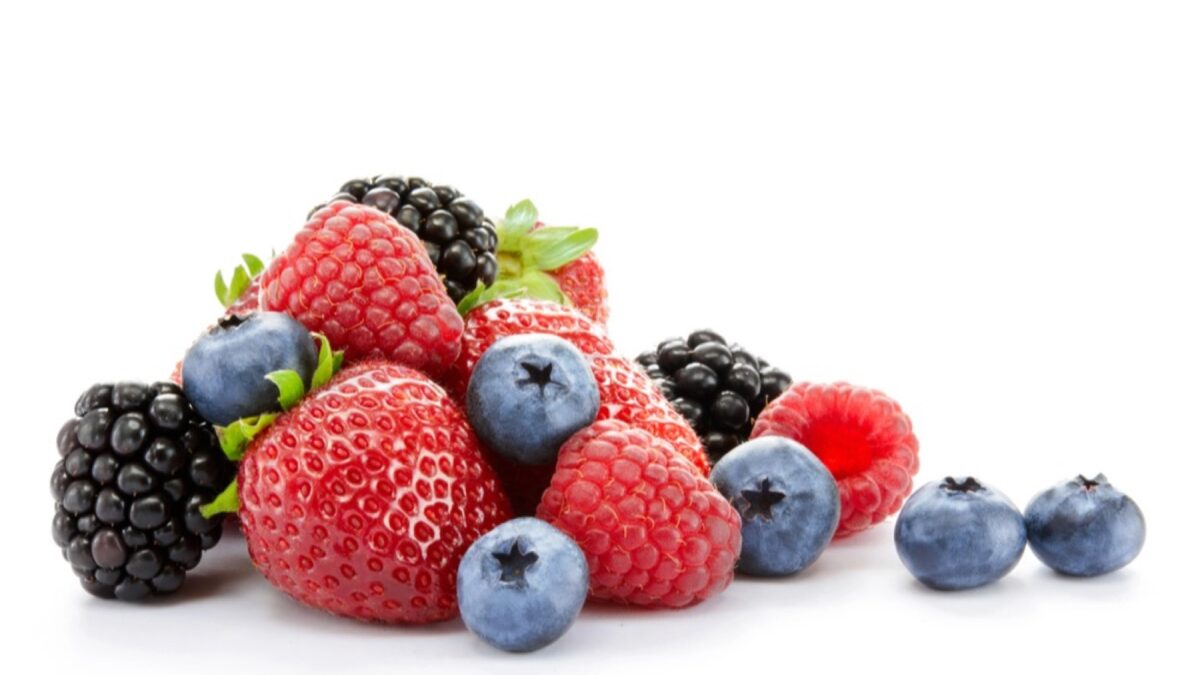
Strawberries, blueberries, raspberries, and blackberries can be expensive, particularly when purchased outside their growing seasons. Their relatively short refrigerator life also means spoiled fruit can turn an expensive purchase into wasted money.
Frozen berries are often worth comparing because they can be used in oatmeal, smoothies, and baked goods. They also allow households to use smaller portions without worrying about the entire package spoiling within days.
4. Seafood
Fresh salmon, shrimp, and certain white fish can make a noticeable difference to the grocery bill. Prices vary depending on the species, location, season, and whether the product is fresh or frozen.
Frozen fish and canned seafood may provide more economical alternatives. Comparing the cost of edible portions is particularly useful because shells, skin, and bones can affect how much food a package provides.
5. Chocolate
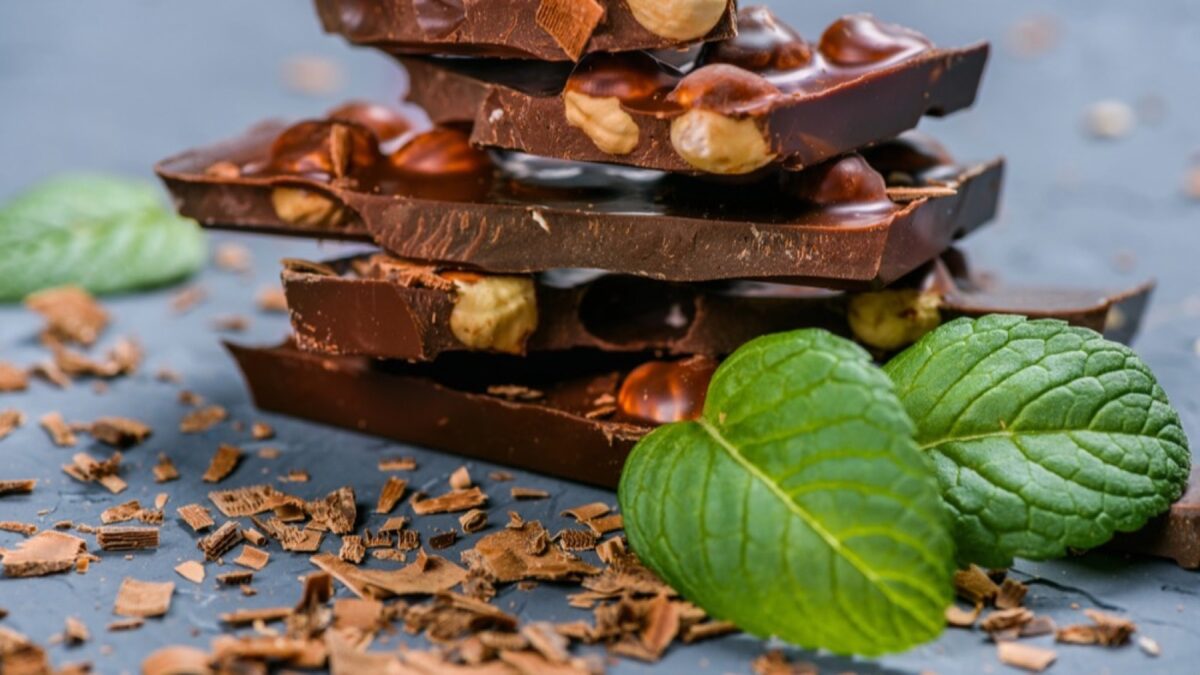
Chocolate has become a more expensive treat for some shoppers, especially when purchasing premium bars or seasonal gift packages. Cocoa supplies, processing, packaging, and transportation all influence retail prices.
Federal figures showed a 5.5% increase in the broader sugar-and-sweets category between September 2025 and September 2026. Buying smaller portions or comparing prices per ounce may help families keep treats within their budget.
6. Fresh Fruit
Apples, grapes, oranges, and other fresh fruits remain familiar shopping essentials, but prices vary considerably. Imported varieties, convenient packaging, and seasonal availability can make some options significantly more expensive than others.
Fresh fruit prices were 4.9% higher in September 2026 than a year earlier, according to USDA data. Comparing different varieties and buying produce in season can help reduce costs.
7. Olive Oil
Extra-virgin olive oil can represent a substantial grocery expense, especially when buying larger bottles. Harvest conditions in producing countries, international trade, packaging, and transportation influence the price shoppers pay.
Not every cooking task requires an expensive finishing oil. Families can consider a suitable lower-cost cooking oil for some dishes and reserve extra-virgin olive oil for preparations where its flavor matters most.
8. Eggs
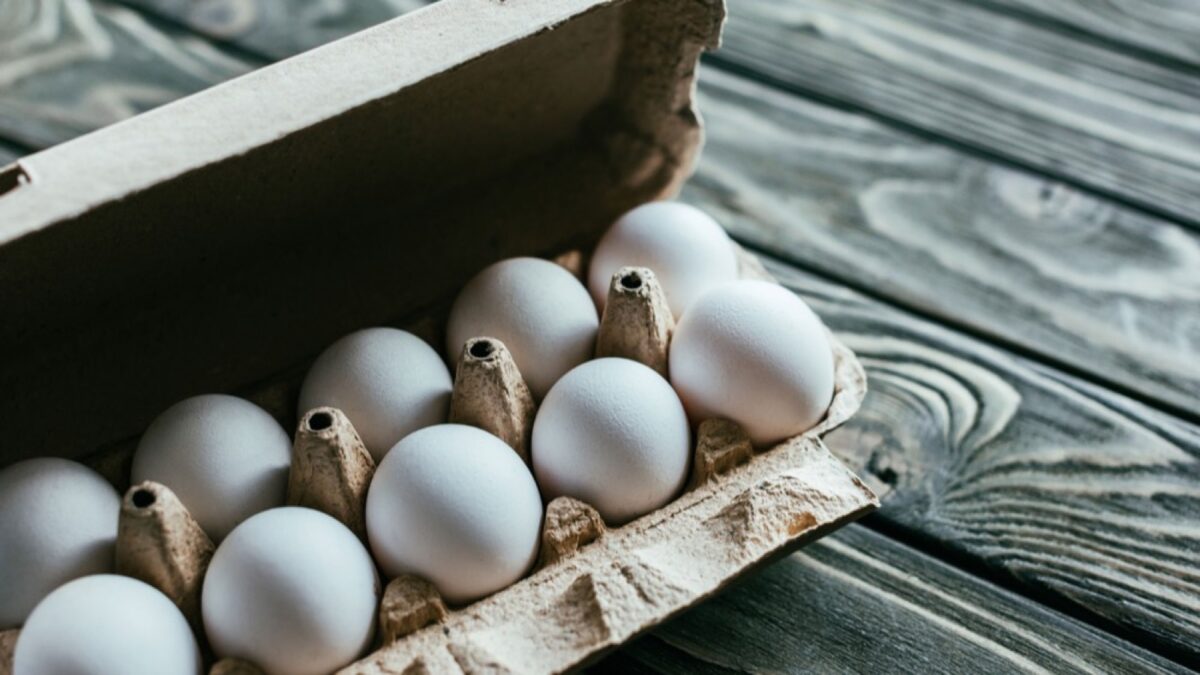
Eggs deserve special attention because their prices have moved in both directions. Avian influenza outbreaks contributed to severe price increases in recent years, making an ordinary breakfast ingredient unexpectedly expensive.
But the latest figures show an important change. A November 2026 grocery price review reports that retail egg prices were 20.6% lower in September 2026 than in September 2025, based on federal data.
That doesn’t mean every shopper pays the same price, and local conditions can still cause fluctuations. It does demonstrate why it’s important to check current prices rather than assume an item remains as expensive as it was several months ago.
How to Spend Less Without Giving Up Familiar Foods
Grocery inflation affects individual products differently. A lower inflation rate doesn’t necessarily mean prices have returned to levels shoppers remember from several years ago.
The most useful approach is to compare unit prices, plan meals around current specials, and consider suitable substitutes. A familiar food doesn’t have to disappear from the grocery list simply because its price has changed.