America did not stumble into its current crisis like someone tripping over a loose rug. The country was pushed here by years of rage politics, cable news panic, social media poison, economic stress, racial resentment, party loyalty, and leaders who learned that fear gets people to the polls faster than hope. But political evangelicalism deserves a loud chapter in that story.
This is not about every evangelical Christian in America. Many believers live quietly, serve their neighbors, care for the poor, and want nothing to do with the loudest culture war machinery. The problem is the political evangelical movement that fused faith with partisan power, then helped turn ordinary policy fights into holy wars.
Once that happened, compromise began to look like weakness, opponents began to look evil, and America became harder to govern.
They Turned Politics Into Spiritual Warfare
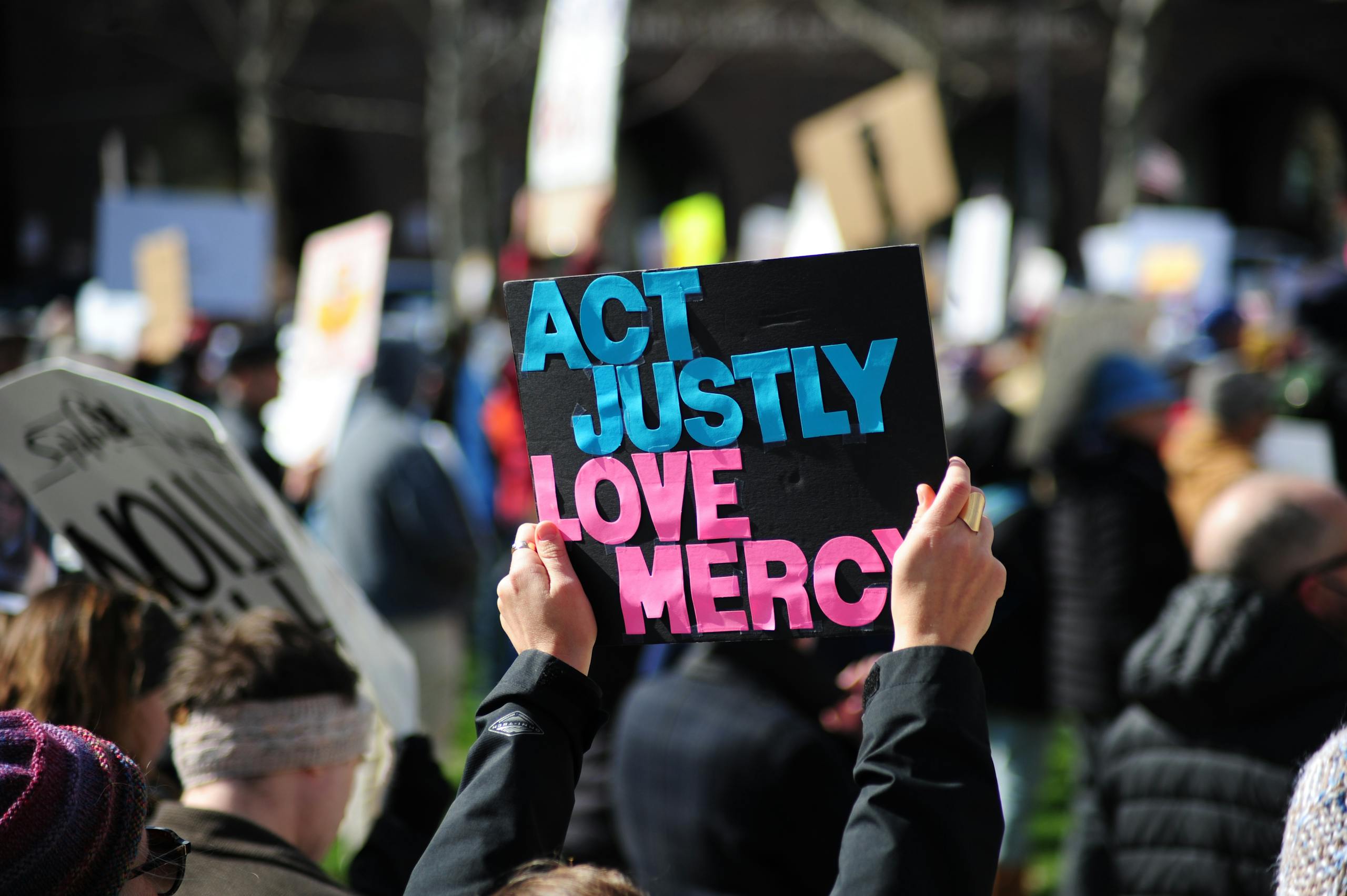
Democracy needs disagreement to stay healthy. People are supposed to argue, vote, lose, regroup, and try again. Political evangelicalism helped replace that normal civic rhythm with a darker idea that every election is a battle between God’s side and evil.
That kind of thinking changes everything. A school board race becomes a fight for the soul of children. A court nomination becomes a divine mission. A presidential candidate becomes less like a public servant and more like a chosen weapon. Once politics becomes spiritual warfare, losing no longer feels like democracy. It feels like persecution.
That is one reason America feels so permanently overheated. Every issue now arrives with emergency sirens attached. Political evangelicalism did not invent that panic, but it gave it a pulpit, a voting bloc, and moral language powerful enough to make panic sound holy.
They Gave Donald Trump Religious Cover
The evangelical alliance with Donald Trump became one of the clearest examples of power winning over principle. Pre-election religious voter data showed White evangelical Protestants as one of his strongest religious bases before the 2024 election, which helps explain how deeply the political bond had hardened.
That support did more than help him win votes. It gave him moral insulation. Leaders who once preached character, humility, honesty, and family values suddenly found endless ways to excuse cruelty, lies, vulgarity, legal chaos, and authoritarian behavior. The message became painfully clear. Behavior mattered less when the politician delivered judges, abortion restrictions, and cultural revenge.
That bargain damaged America’s moral vocabulary. When religious leaders excuse misconduct in powerful allies but condemn it in ordinary people, they teach the public that ethics are flexible. That is not faith shaping politics. That is politics bending faith into a shield.
They Helped Make Abortion a National Legal Battlefield
Abortion became the crown jewel of evangelical political organizing. For decades, conservative evangelical activists built campaigns, voter guides, legal networks, donor pipelines, and judicial pressure around one promise. Overturn Roe v. Wade and reshape abortion law state by state.
They succeeded, but victory did not bring peace. After the post-Roe ruling, the country entered a state-by-state maze where a pregnant woman’s rights and medical options could change dramatically depending on which border she crossed.
Doctors faced legal fear. Families faced impossible decisions. Women with wanted pregnancies could still get trapped in dangerous medical uncertainty.
The divide remains especially sharp among White evangelicals. Recent abortion opinion data shows White evangelical Protestants remain far more likely than many other religious groups to say abortion should be illegal in all or most cases. That is why critics blame the movement, not just for holding a belief, but for turning that belief into law for millions who do not share it.
They Helped Normalize Christian Nationalism

Christian nationalism is not simply church attendance, prayer, or loving one’s country. It is the belief that America should be defined by a particular version of Christianity and that government should protect that identity. That idea creates a dangerous hierarchy in a nation that is supposed to belong equally to Christians, Jews, Muslims, Hindus, atheists, Buddhists, agnostics, and everyone else.
Political evangelicalism helped move Christian nationalist ideas from the fringe into the mainstream. Recent Christian nationalism findings show White evangelical Protestants were the religious group most likely to fall into Christian nationalism Adherent or Sympathizer categories, which helps explain why the idea has gained so much political oxygen.
That matters because Christian nationalism turns citizenship into a religious ranking system. Some Americans become “real Americans.” Others become guests, threats, or problems to be managed. That poisons democracy because democracy cannot breathe when one group believes God gave it special ownership of the country.
They Made the Courts a Culture War Prize
Political evangelicals understood the courts better than many casual voters did. Courts decide abortion, voting rules, LGBTQ rights, religious liberty, gun restrictions, environmental regulations, presidential power, and school policy. So the movement treated judicial appointments like a long game worth almost any political compromise.
That strategy changed America. Evangelical voters tolerated deeply flawed candidates because those candidates promised judges who would deliver conservative cultural victories. The Supreme Court became the prize at the center of the bargain, and lower courts became battlegrounds where policy could be shaped for decades.
The result is a country where many intimate decisions now feel like court fights waiting to happen. Pregnancy care, classroom rules, civil rights, religious exemptions, and voting access all move through a judiciary shaped partly by evangelical political strategy. The movement did not just vote for politicians. It helped reshape the referees.
They Turned Public Schools Into War Zones
Public schools used to be where parents worried about math homework, lunch money, bus routes, and whether a kid remembered their science project. Now, school boards have become culture war arenas where adults scream about books, bathrooms, pronouns, history lessons, sex education, and parental rights.
Some parents have real concerns, and schools should answer them with respect. But political evangelical activism often turns complex education debates into moral panic. Teachers become villains. Librarians become suspects. LGBTQ students become talking points. History lessons become threats.
That has consequences. Teachers burn out. Students feel targeted. Local communities fracture. School board meetings become national entertainment for people who do not even live in the district. Political evangelicalism helped make education feel less like a public good and more like a battlefield.
They Confused Religious Freedom With Religious Control
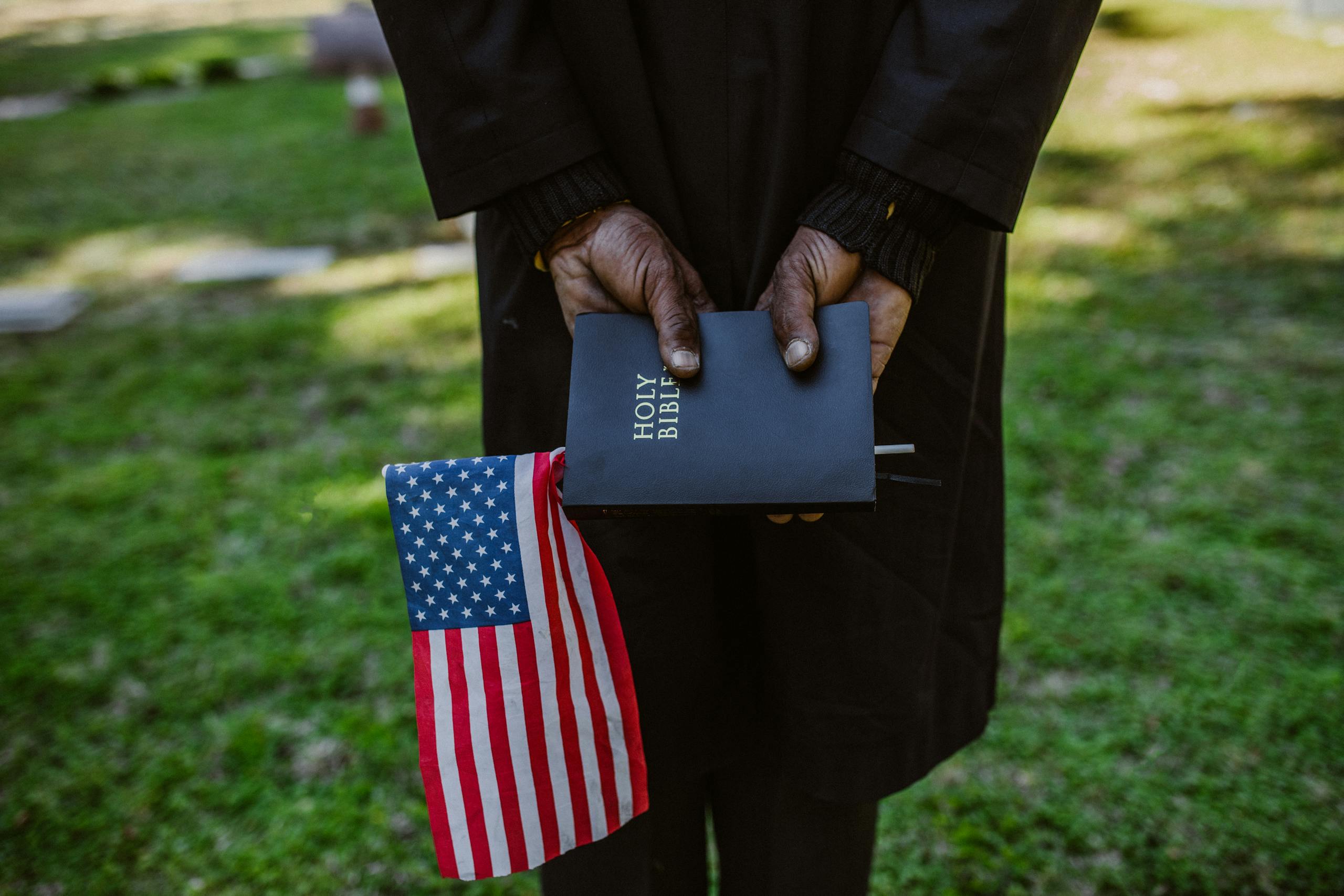
Religious freedom is supposed to protect everyone. It should mean a Baptist can worship freely, a Muslim can pray freely, a Jew can live openly, an atheist can refuse religion, and a Hindu family can practice without government interference.
Political evangelicalism often uses the language of religious freedom while pushing policies that privilege one religious worldview. That is where resentment grows. Many Americans do not object to evangelicals practicing their faith. They object to being governed by someone else’s faith.
The difference matters. Religious freedom says, “You cannot force me to violate my conscience.” Religious control says, “My conscience should write the rules for your body, your marriage, your child’s school, and your doctor’s office.” Once that line gets blurred, liberty starts sounding like domination.
They Rewarded Outrage More Than Compassion
Evangelical Christianity has deep language about mercy, humility, service, sacrifice, and loving one’s neighbor. Political evangelicalism often chose a louder brand. Outrage. It became most visible in fights over abortion, immigration, LGBTQ rights, school books, drag shows, and election grievances.
That imbalance changed the public image of the movement. Many Americans now associate conservative evangelical politics less with feeding the hungry and more with controlling the culture. That is a devastating turn for a movement rooted in a faith tradition that talks so much about grace.
Outrage is easier than compassion because outrage gives people a villain. Compassion gives people responsibility. Political evangelicalism kept choosing the easier fuel, and the country is now choking on the smoke.
They Made Hypocrisy Feel Normal
The most serious damage may be hypocrisy. Political evangelicalism did not invent hypocrisy, but it made too much of it look strategic. Family values mattered until a useful politician had a scandal. Law and order mattered until allies faced prosecution. Truth mattered until conspiracy theories helped the cause. Character mattered until power was on the table.
Even within the movement, cracks are showing. Recent evangelical support trends show White evangelicals remained among Trump’s strongest supporters, though their support softened from early 2025, including lower confidence that he acts ethically in office.
That decline says something important. Even some loyal supporters appear to feel the strain of defending the bargain. But the damage is already serious. When a religious movement spends years teaching people that winning matters more than moral consistency, it should not be shocked when the country becomes cynical.
Conclusion

Evangelicals did not create every American problem. That would be too easy. Billionaires, media companies, politicians, tech platforms, partisan operatives, racial backlash, economic inequality, and institutional failure all helped drive the country into its current mess.
But political evangelicalism made the mess worse.
It turned politics into spiritual combat. It gave partisan power a religious glow. It helped build the post-Roe legal landscape. It normalized Christian nationalist ideas. It made the courts a culture-war prize. It pushed schools into panic. It blurred religious freedom with religious control. It rewarded outrage over compassion and hypocrisy over humility.
The tragedy is that faith could have offered America something better. It could have offered moral courage, mercy, honesty, restraint, neighborly love, and care for the vulnerable. Instead, the loudest evangelical political machine often offered fear, grievance, loyalty tests, and control.
That is why so many Americans do not see it as the cure for the country’s crisis. They see it as one of the engines that helped drive America deeper into it.