Canned foods make grocery shopping easier. They are convenient, relatively affordable, and handy to have around when you don’t feel like cooking from scratch. A can of soup, tuna, beans, or fruit can save you from preparing an entire meal. But before you stock up on your pantry favorites, there are a few things worth knowing.
Some canned foods contain surprisingly high amounts of sodium and added sugar, while others raise concerns about mercury exposure or food safety. That does not mean everything in a can is bad for you. However, knowing which products deserve a closer look can help you make smarter choices at the grocery store.
Canned Tuna With Higher Mercury Levels
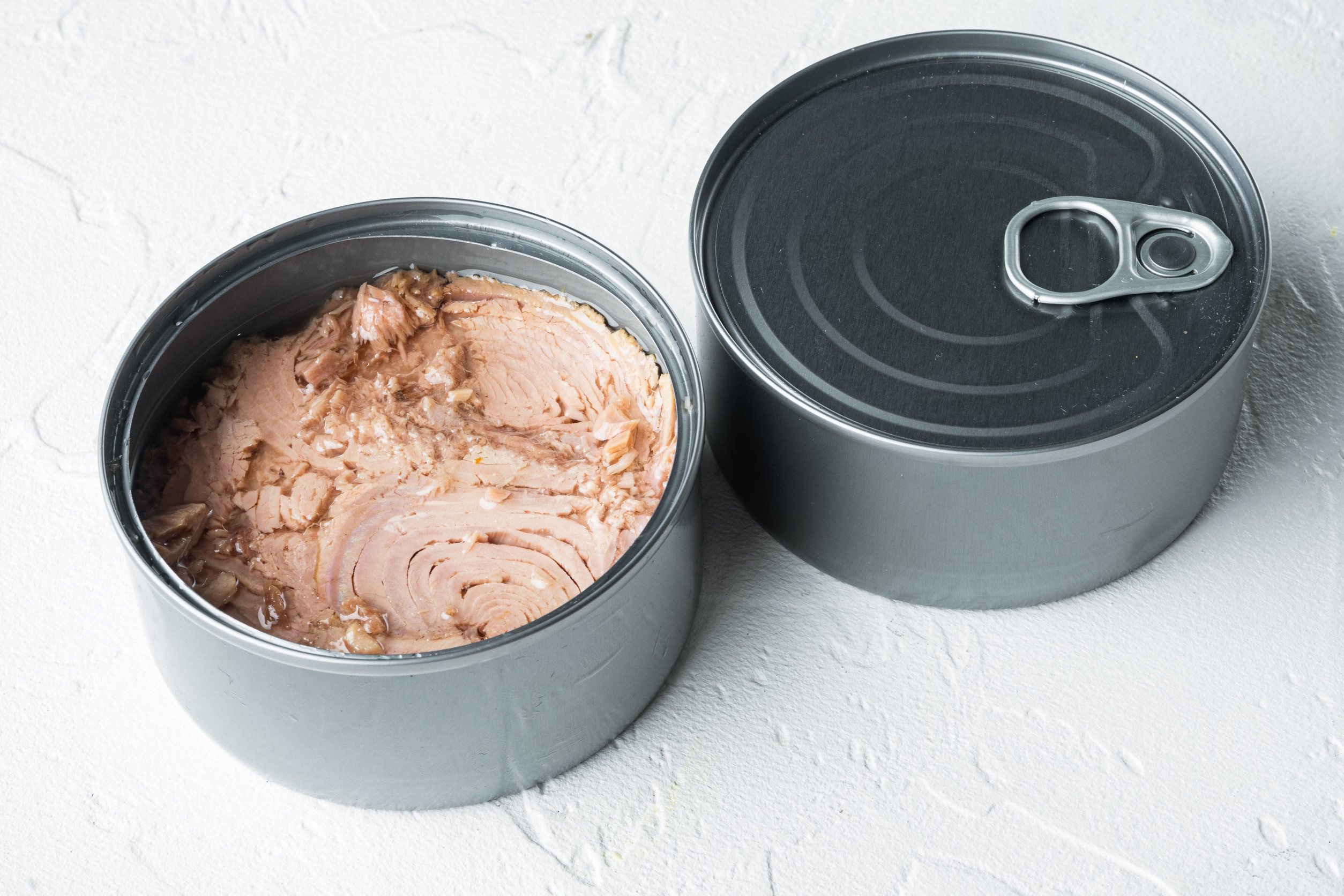
Canned tuna is a convenient protein source, and it can make everything from sandwiches to salads more satisfying. However, the type of tuna you buy matters because different species contain different amounts of mercury. Albacore, commonly sold as white tuna, generally contains more mercury than canned light tuna.
Mercury exposure is particularly important for pregnant women, breastfeeding mothers, and young children because it can affect the developing nervous system. The FDA classifies canned light tuna as a Best Choice, while albacore tuna falls into the Good Choices category.
This does not mean you need to stop buying canned tuna. Instead, pay attention to the variety and how frequently you eat it. Consider alternating tuna with lower mercury seafood options such as salmon, sardines, and shrimp to enjoy the nutritional benefits of fish without relying on one type.
Canned Soups That Are Loaded With Sodium
Canned soup is an easy solution when you want something warm without preparing an entire meal. However, some varieties contain considerable amounts of sodium, particularly creamy soups, chicken noodle soup, and condensed options. Manufacturers often add salt to improve flavor and help preserve the product, but eating too much sodium regularly can contribute to high blood pressure.
The FDA recommends limiting daily sodium intake to less than 2,300 milligrams for most adults. A single serving of some canned soups can take up a surprisingly large portion of that allowance.
Before buying your favorite variety, check the nutrition label rather than relying on the front of the packaging. Look for low-sodium options, and compare brands because their sodium content can vary considerably. You can also add fresh vegetables or beans to a lower sodium soup to make it more filling.
Canned Fruit Packed in Heavy Syrup
Canned peaches, pears, pineapples, and fruit cocktail can be convenient alternatives when fresh fruit is unavailable or expensive. The problem is that some varieties come packed in heavy syrup, which adds sugar to an otherwise naturally sweet food. This can turn what looks like a healthy snack into something closer to a sugary dessert.
Eating too much added sugar regularly can contribute to excess calorie intake and increase the risk of health problems, including type 2 diabetes and heart disease. The fruit still provides nutrients, but the syrup can change its overall nutritional value.
You do not have to avoid canned fruit altogether. Check the ingredients and choose varieties packed in water, their own juice, or 100% fruit juice without added sugar. If you already have fruit in syrup at home, drain it before serving to reduce the amount of syrup you consume.
Canned Vegetables With Added Salt
Canned vegetables are useful when fresh produce is unavailable, and they can help make everyday meals more convenient. Corn, peas, carrots, and green beans are common pantry staples, but some canned varieties contain added salt. Depending on how much you eat, these products can contribute a significant amount of sodium to your daily diet.
This matters because regularly consuming too much sodium can increase blood pressure, which is a major risk factor for cardiovascular disease. The American Heart Association recommends checking the sodium content of canned vegetables and choosing products with less added salt.
Look for labels that say no salt added or low sodium when shopping. You can also drain and rinse canned vegetables under running water to remove some of the sodium. They are still nutritious ingredients, so there is no reason to eliminate them when a lower sodium option is available.
Canned Processed Meats That Contain Too Much Salt
Canned sausages, luncheon meat, corned beef, and similar products are popular because they are easy to prepare and can stay in the pantry for extended periods. They are especially useful when you need something quick to add to rice, sandwiches, or a simple family meal. However, many of these products contain substantial amounts of sodium.
Some canned processed meats also contain preservatives and other additives used during manufacturing. The World Health Organization classifies processed meat as carcinogenic to humans, based on evidence linking its consumption to colorectal cancer. This classification concerns the strength of the evidence for a cancer hazard, not the level of risk from eating one particular serving.
Check the ingredient list and nutrition label before buying these products regularly. Choose options with less sodium when available, and avoid making processed meats your main everyday protein source. Eggs, beans, fresh meat, and fish can provide useful alternatives.
Canned Foods Sold in Bulging or Damaged Containers
Sometimes, the problem is not the food itself but the condition of the can it comes in. A can with a small cosmetic dent may not necessarily be dangerous, but deep dents, swelling, leaks, and damaged seams are serious warning signs. Such damage can compromise the container’s seal and allow harmful microorganisms to contaminate the food.
One particular concern is Clostridium botulinum, the bacterium responsible for botulism. Although botulism from commercially canned foods is rare, the illness can be extremely serious. The USDA advises consumers never to use food from leaking, bulging, or badly dented cans.
Before putting canned goods in your shopping basket, inspect the packaging carefully. Avoid cans with significant rust, deep dents, swelling, or leaks, even if they’re sold at a discount. Also, never taste food from a suspicious can to check whether it is safe.
A Few Things to Remember When Buying Canned Foods
Canned foods are not automatically unhealthy, and many are excellent sources of nutrients. Canned beans, vegetables, fish, and fruit can all support a balanced diet, especially when fresh alternatives are expensive or unavailable.
The trick is to become a little more selective when shopping. Compare sodium and sugar levels, check ingredients, choose lower-mercury fish, and inspect cans before buying. A few seconds spent reading the label can help you avoid products that contain more salt or sugar than you expected.
You can still enjoy the convenience of canned foods without filling your pantry with products that work against your nutritional goals.