President Donald Trump’s transformation from cryptocurrency skeptic to digital-asset power player has created a political storm that could reshape one of the most important financial bills before Congress.
Five senior Senate Democrats are demanding formal investigations after Trump disclosed more than $1 billion in cryptocurrency-related income from 2025. The lawmakers argue that Congress cannot responsibly rewrite the nation’s crypto rules without examining whether the president is personally benefiting from the industry his administration is helping regulate.
The challenge landed at a particularly uncomfortable moment. Senators are preparing to consider the Clarity Act, a sweeping proposal intended to establish clearer federal rules for digital assets. Supporters view the bill as a long-overdue answer to years of regulatory confusion. Critics now fear it could also become a legislative gift to an industry closely connected to the president’s personal fortune.
Five powerful Democrats turn up the pressure.
The criticism came from Sens. Elizabeth Warren of Massachusetts, Richard Blumenthal of Connecticut, Gary Peters of Michigan, Dick Durbin of Illinois, and Ron Wyden of Oregon. These are not five random voices from the back benches. They are the highest-ranking Democrats on Senate committees overseeing banking, investigations, homeland security, the judiciary, and taxation. Their coordinated demand for hearings gives the controversy a much larger institutional footprint.
The senators warned that Trump’s financial disclosures intensified fears that he was pushing Congress to support “the very industry he’s cashing in on.” They also questioned administration decisions that reduced cryptocurrency enforcement and loosened restrictions affecting digital-asset companies.
Trump’s crypto earnings become the central issue.

Trump’s annual financial disclosure revealed an extraordinary shift in the source of his business income. Cryptocurrency ventures that barely existed before his latest presidential campaign became some of the most lucrative parts of his financial empire. Calculations differ because the filing lists revenue, royalties, token sales, and business interests in different categories. However, major reviews of the disclosure placed Trump’s crypto-related income between roughly $1.2 billion and more than $1.4 billion.
World Liberty Financial, the cryptocurrency company associated with Trump and his sons, generated hundreds of millions of dollars through token sales and ownership transactions. Another Trump-linked company received more than $600 million from the sale of meme coins carrying the president’s name and image.
A meme coin generated serious money.
Trump’s official meme coin was initially promoted as a digital symbol of support rather than a traditional investment. Yet the project quickly became a major source of income for entities connected to the president. The disclosure attributed more than $600 million to the business involved in selling the tokens. Trump-linked entities collected money through sales and trading-related arrangements even as the token’s market value later declined sharply.
That contrast has fueled Democratic criticism. The president and associated companies could earn revenue from the project, while ordinary buyers would absorb the risk of falling prices. The senators are now asking whether a sitting president should be permitted to sponsor or promote such assets while influencing the federal policies governing them.
World Liberty’s hidden investors raise questions.
The controversy stretches beyond the amount Trump earned. Senators are also focused on the identities of investors who obtained interests in World Liberty Financial. Trump’s disclosure indicated that third parties had acquired ownership stakes, but it did not publicly identify every participant. The Democratic lawmakers highlighted reporting that people working for an Abu Dhabi royal purchased a 49 percent stake in World Liberty for approximately $500 million shortly before Trump returned to office.
The senators stressed that the investment does not automatically prove wrongdoing. However, they argue that foreign involvement in a president’s private company warrants congressional scrutiny, especially when the administration later makes decisions that affect the investor’s country.
Democrats connect crypto money to foreign policy.
The lawmakers previously requested hearings into possible links between the United Arab Emirates’ investment and subsequent administrative actions. Their June letter cited the approval of roughly $1.4 billion in arms sales to the UAE and authorization involving thousands of advanced artificial-intelligence chips for the Emirati technology company G42. They questioned whether financial ties to Trump-linked businesses influenced any of those decisions.
The senators have not presented proof that the investment caused the policy approvals. Their argument is that Congress needs testimony, documents, and sworn answers to determine whether the decisions were independent. They said administration officials should explain what they knew about payments involving the families of Trump and Middle East envoy Steve Witkoff.
The Justice Department’s decision adds fuel.
Democrats are also pointing to changes in federal cryptocurrency enforcement under Trump. Among the most controversial moves was the dismantling of the Justice Department’s National Cryptocurrency Enforcement Team. The specialized unit had been created to pursue crimes involving digital assets, including money laundering, fraud, and the use of cryptocurrencies by criminal organizations.
The senators argue that weakening such enforcement while the president earns enormous income from crypto creates, at minimum, the appearance of a conflict. Trump’s supporters counter that the previous approach relied too heavily on aggressive enforcement rather than clear rules passed by Congress. That disagreement now sits at the heart of the broader battle over American crypto policy.
The Clarity Act faces an ethics showdown.
The Clarity Act is designed to answer a question that has frustrated the industry for years: Which digital assets should be treated as securities and which as commodities? The legislation would divide responsibilities among federal agencies while establishing legal standards for exchanges, token issuers, and developers. Supporters say clear rules could protect consumers, encourage investment and prevent American crypto businesses from moving overseas.
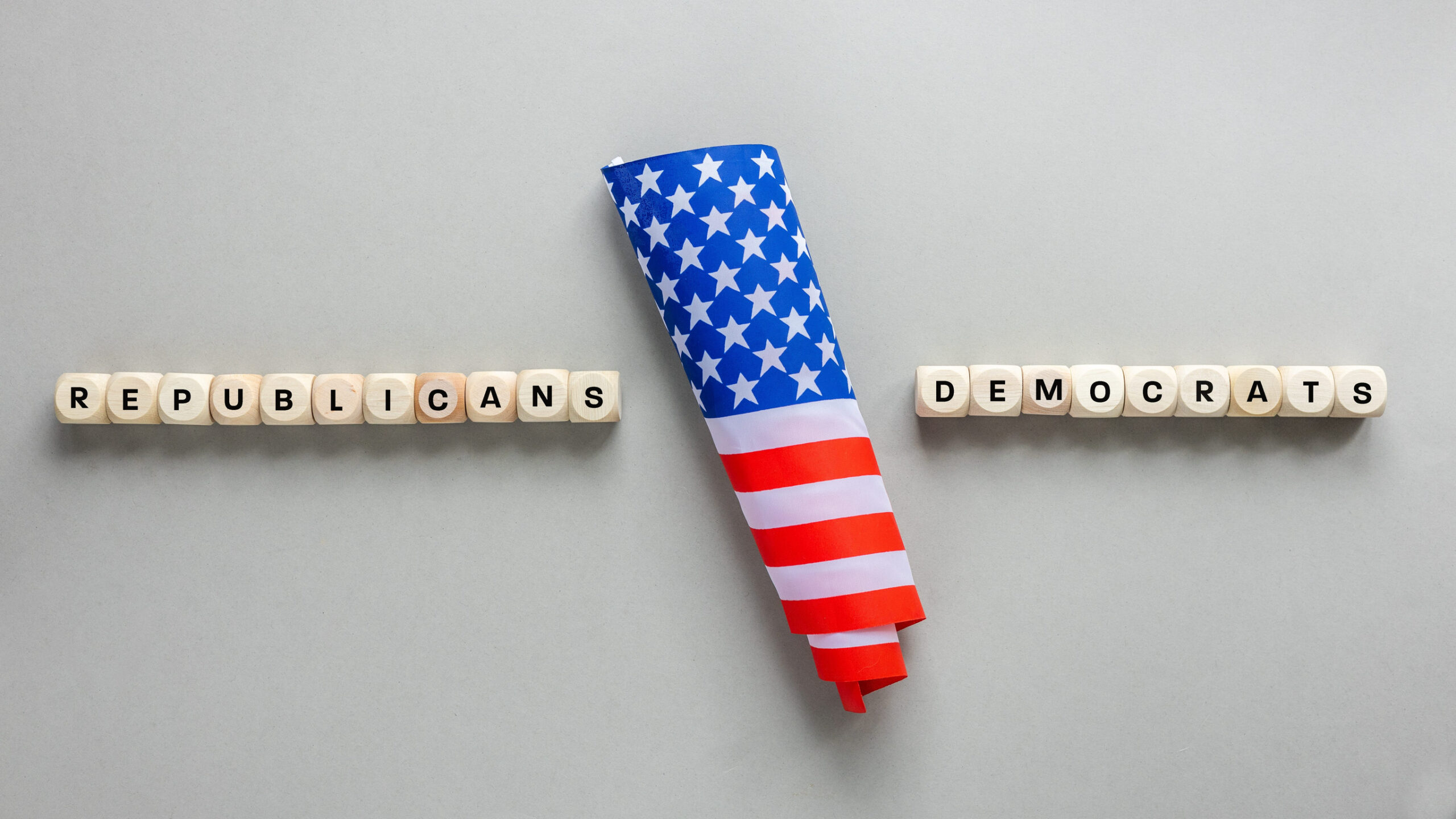
Yet the language of ethics remains one of the bill’s largest obstacles. Democrats want restrictions that prevent presidents, vice presidents, members of Congress, and other federal officials from issuing, promoting, or profiting from digital assets while serving in office. Without meaningful safeguards, several senators have warned they may withhold their votes.