Your pasta may not be boring. You might just be used to drowning it in sauce. A bowl of spaghetti doesn’t have to swim in tomato sauce or disappear beneath a mountain of creamy dressing to taste satisfying.
Sometimes, the problem isn’t how little sauce you’ve used but how you’ve prepared the pasta in the first place.
Before reaching for another ladle, consider these six reasons your noodles might need a little more attention rather than more sauce.
A Splash of Pasta Water Could Be What You’re Missing
Sometimes, the problem isn’t a shortage of sauce but a dressing that needs help coming together.
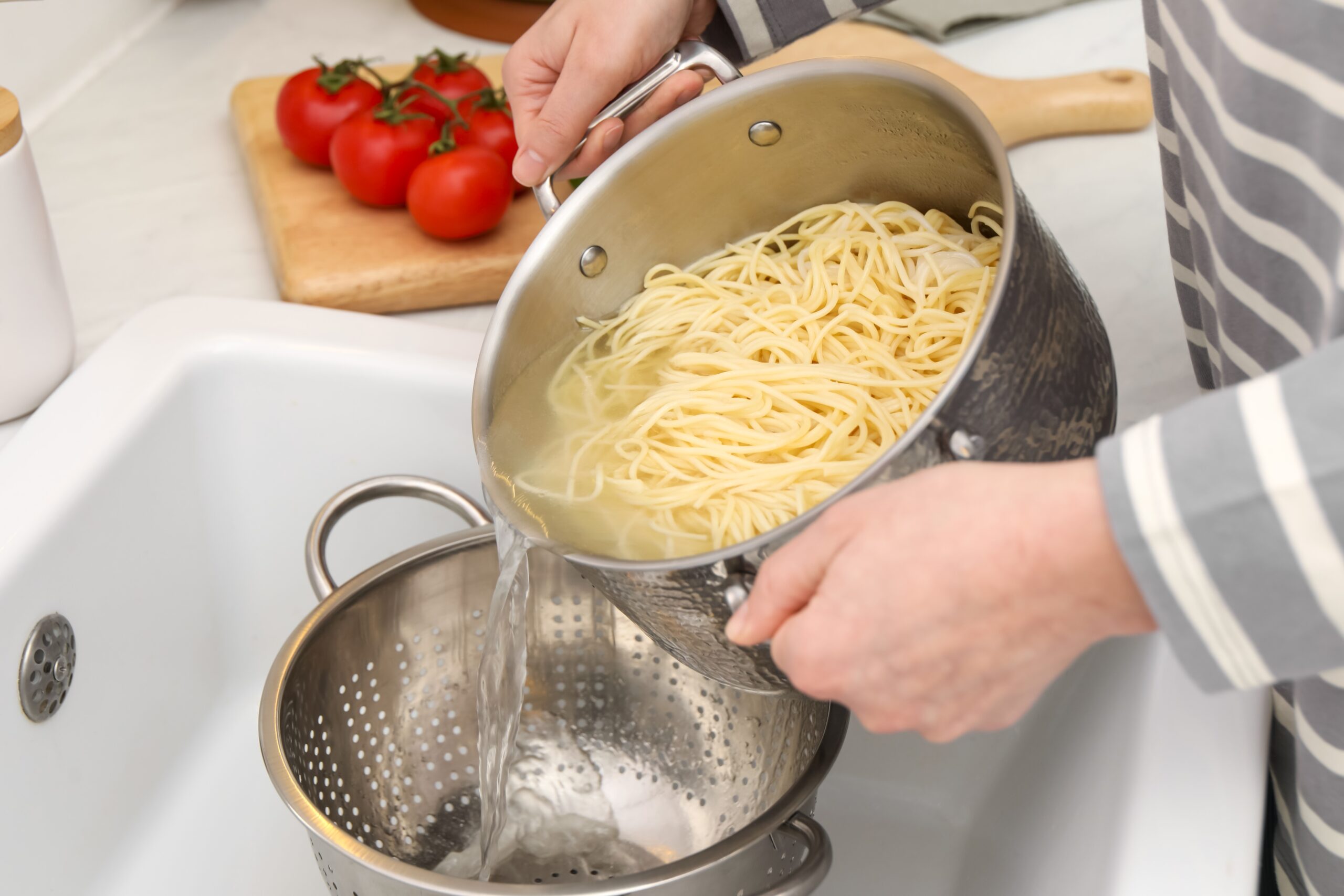
That cloudy water left in your pasta pot has a purpose. As the noodles cook, starch enters the water, and Serious Eats’ side-by-side testing found that starchier pasta water produced a thicker, creamier mixture when combined with oil.
The publication’s sauce-making guidance recommends starting with a couple of tablespoons per serving and adjusting as needed.
This is particularly useful with butter- or olive-oil-based preparations. Instead of pouring in another serving of dressing, reserve some cooking water and gradually incorporate it while tossing the pasta.
It’s a small kitchen technique that can change the way a simple bowl comes together. You can also explore practical ways to make everyday meals easier without turning every dinner into a complicated project.
The Pasta May Need Better Seasoning, Not Another Ladle of Sauce
Adding more sauce won’t necessarily fix pasta that tastes bland from the beginning. One detail home cooks sometimes overlook is seasoning the cooking water. Serious Eats’ pasta-testing guidance explains that salting the water seasons the noodles themselves, rather than relying entirely on what goes on top afterward.
However, more salt isn’t automatically better. Its testing found that water as salty as seawater made pasta excessively salty. The better approach is to consider the seasoning in the entire dish.
If your spaghetti tastes flat, check how you seasoned it before assuming it needs more tomato sauce. Getting comfortable with everyday kitchen essentials and tools can also make simple meals easier to prepare.
The Sauce May Be Sitting on the Pasta Instead of Coating It
A generous pool at the bottom of your plate doesn’t mean every noodle has received its share. There’s a difference between pouring sauce over cooked pasta and actually combining the two.
Serious Eats compared different finishing methods and found that tossing pasta with sauce over heat, alongside cooking water, produced better integration than simply placing sauce on top.
That means you might add more sauce when what the dish really needs is a better toss.
Transfer the cooked noodles into the pan with the prepared dressing, add a little reserved pasta water if appropriate, and toss until the ingredients are evenly distributed.
The goal isn’t to make the pasta disappear under a thick coating. It’s to make sure the dressing reaches the noodles instead of collecting underneath them.
Garlic and Olive Oil Can Be Enough to Make a Finished Dish
Not every satisfying pasta preparation needs a tomato base or a heavy cream dressing. Take spaghetti aglio e olio, the documented Serious Eats preparation made with spaghetti, olive oil, garlic, and salt, with optional red pepper flakes and parsley.
The method involves gently cooking the garlic until lightly golden before combining the pasta with the garlic oil and cooking water. The result is a deliberately simple preparation that relies on careful handling rather than a long list of ingredients.
This is a useful reminder that a short ingredient list doesn’t automatically mean something is unfinished.
If you enjoy making meals from scratch with everyday kitchen ingredients, this kind of preparation is worth appreciating. You don’t always need to open another jar or add another ingredient to make dinner interesting.
The Pasta Shape May Be Better Suited to a Lighter Dressing
Sometimes, adding more sauce creates a mismatch rather than solving a problem. Barilla’s pasta-and-sauce pairing guide recommends matching sauce weight with pasta shape. Its guidance pairs delicate noodles with lighter sauces while suggesting thicker or ridged shapes for heartier preparations.
Long pasta shapes, for example, are recommended with smooth sauces that coat the noodles without overwhelming them.
This doesn’t mean you must follow a rigid set of Italian cooking rules. You can certainly experiment with different combinations. However, consider whether your chosen sauce complements the pasta before adding another spoonful.
A lighter dressing may be exactly what the preparation calls for. For more inspiration, explore different ways to bring restaurant-style dishes into your home kitchen.
Butter and Cheese Can Already Be the Finished Dish
A pale bowl of pasta doesn’t necessarily need a generous pour of red sauce. Eataly’s description of its fettuccine Alfredo, also called burro e Parmigiano, features fresh fettuccine, butter, and Parmigiano Reggiano without cream.
It’s a deliberately minimal preparation, showing that pasta can be built around a small combination of ingredients rather than a visibly abundant sauce.
This is where the idea of rescuing plain pasta becomes particularly misleading. Butter and cheese can provide the intended dressing, and adding another sauce simply because the plate looks too bare may change the preparation rather than improve it.
The important thing is understanding what the recipe is supposed to deliver before deciding something is missing.
Give Your Pasta a Chance Before Adding More
More sauce isn’t always the answer to disappointing pasta. Sometimes, better seasoning, a little cooking water, proper tossing, or a simpler combination of ingredients can make all the difference. The next time your pasta looks too plain, try fixing the technique before reaching for another ladle.