Gardens rarely fail overnight. Most plants fade slowly, one yellow leaf, one weak stem, one missed bloom, and one soggy root zone at a time. We often think the problem is bad luck, bad weather, or a weak plant from the nursery, but many garden problems begin with small habits that look harmless on the surface.
The truth is simple. Plants respond to the conditions we create for them. If we water too often, bury roots too deeply, crowd beds, ignore soil, or forget pollinators, the garden eventually tells the story through stunted growth, pest pressure, poor flowering, and disappointing harvests. A thriving garden is less about doing more and more and more about doing the right things at the right time.
Overwatering Plants Until Roots Suffocate
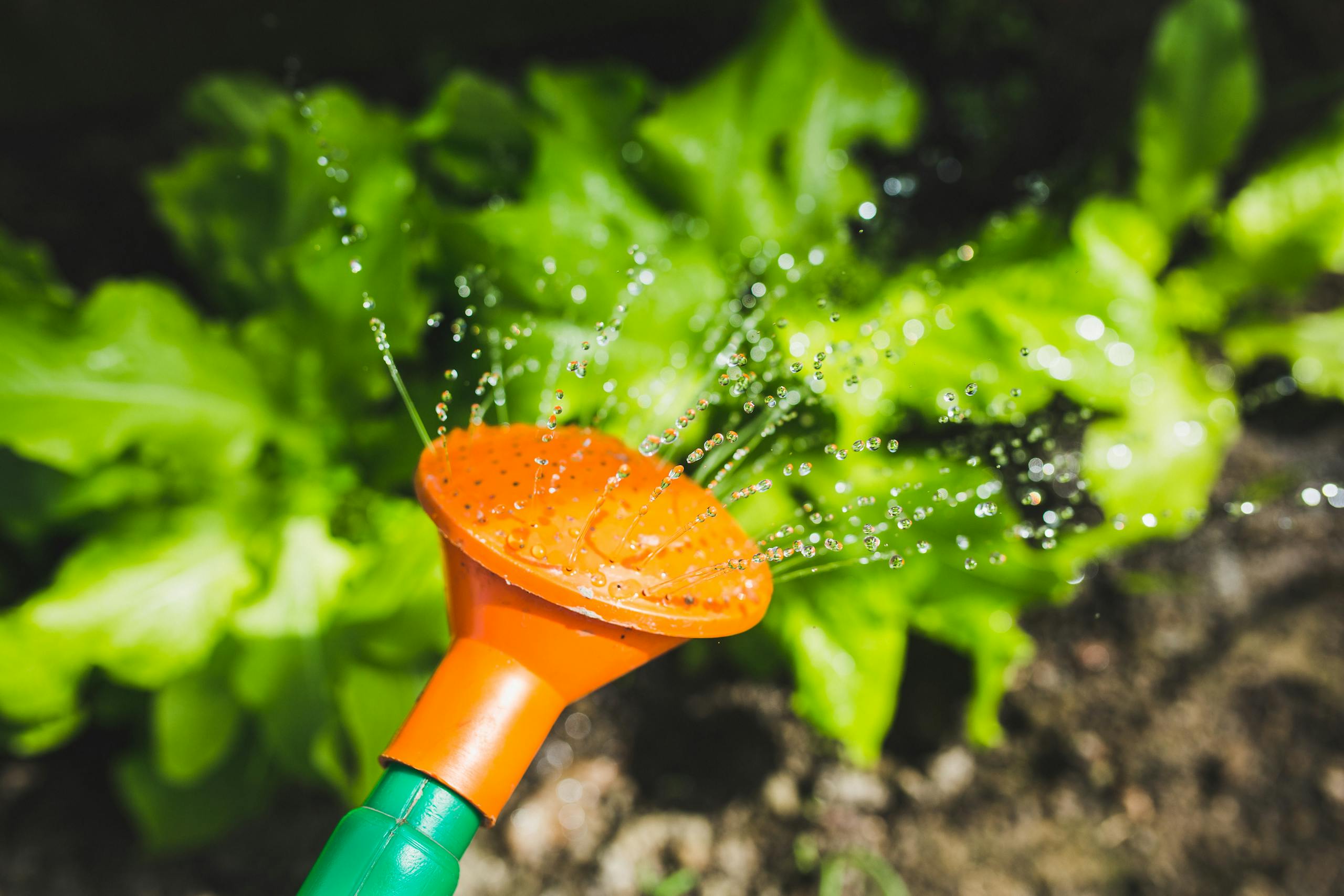
Overwatering is one of the easiest garden mistakes to make because it feels like care. We see a drooping plant, grab the watering can, and assume more moisture will solve the problem. In many cases, the opposite happens. Soil that stays wet for too long pushes oxygen out of the root zone, and roots need oxygen as much as they need water. When roots sit in soggy soil, they weaken, rot, and lose their ability to properly absorb nutrients.
The warning signs often look confusing. Leaves may turn yellow, stems may soften, and the plant may wilt even though the soil feels damp. That is why we should check soil moisture before watering, rather than watering by habit. For containers, we should use pots with drainage holes and empty saucers after watering. For beds, we should water deeply but less often, allowing the soil surface to dry slightly between sessions. A finger test, a moisture meter, or simply observing the top inch of soil can prevent one of the most common causes of plant decline.
Planting Seeds and Seedlings Too Deep
Depth matters more than many gardeners realize. When we plant seeds too deeply, tiny sprouts may use up all their stored energy before reaching the light. When we bury seedlings too low, stems can rot, crowns can suffocate, and young plants can struggle before they ever get established. This mistake is especially common when we try to make a plant feel “secure” by packing soil high around it.
A better approach is to follow the planting depth recommended for each plant. Many seeds need only a light covering of soil, and some need light to germinate at all. Seedlings should usually sit at the same soil level they had in their nursery pot, except for crops such as tomatoes, which can root along buried stems. We should firm the soil gently rather than pressing it into a hard crust. The goal is steady contact between roots and soil without burying the plant’s growing point.
Ignoring Soil Quality Before Planting
Soil is not just the brown material that holds plants upright. It is the foundation of root health, water movement, nutrient availability, and microbial life. When we plant into compacted, depleted, sandy, heavy, or poorly drained soil without improving it, we force plants to fight for every inch of growth. A plant with weak soil beneath it may survive, but it rarely reaches its full size, color, flavor, or flowering potential.
We should treat soil preparation as the first real step of gardening. A soil test helps us understand pH, nutrient levels, and organic matter before we start guessing with fertilizers. Compost, leaf mold, aged manure, and other organic matter can improve structure, help sandy soil hold moisture, and loosen heavy soil over time. We should also avoid working the wet soil, as it can lead to compaction. Healthy soil gives roots room to breathe, spread, drink, and feed, which is why the best gardens often begin before the first seed goes in.
Crowding Plants Too Closely Together
A full garden bed looks satisfying at first, but overcrowding quickly turns into a quiet battle for light, water, nutrients, and airflow. When plants are packed too tightly, leaves stay damp longer after rain or watering, which creates friendly conditions for fungal disease. Crowded plants also grow weak and stretched, competing for sunlight rather than developing balanced shapes.
Spacing guidelines exist for a reason. We should read seed packets, nursery tags, and mature plant size information before planting. Small seedlings can deceive us because they look lonely in an open bed, but the real question is how much room they will need six weeks later. Proper spacing allows each plant to develop a stronger root system, better leaf structure, and easier access to sunlight. It also makes weeding, pruning, harvesting, and pest checks much easier.
Pruning Too Late, Too Hard, or Not at All
Pruning can help plants produce stronger growth, better shape, and more flowers, but poor pruning can do real damage. Some gardeners avoid pruning completely because they fear cutting the wrong branch. Others cut too aggressively and remove the buds that would have become flowers or fruit. Both mistakes can leave plants weak, unbalanced, or unproductive.
We should prune with a clear purpose. Dead, diseased, damaged, crossing, or rubbing branches should be removed because they can invite pests and disease. Flowering shrubs should be pruned according to their blooming cycle, since some bloom on old wood and others bloom on new growth. Vegetable plants may need selective pruning to improve airflow, especially tomatoes, but heavy pruning can stress them. Clean, sharp tools matter because ragged cuts heal poorly. Good pruning is not random trimming. Careful editing helps the plant use its energy wisely.
Ignoring Early Pest Problems
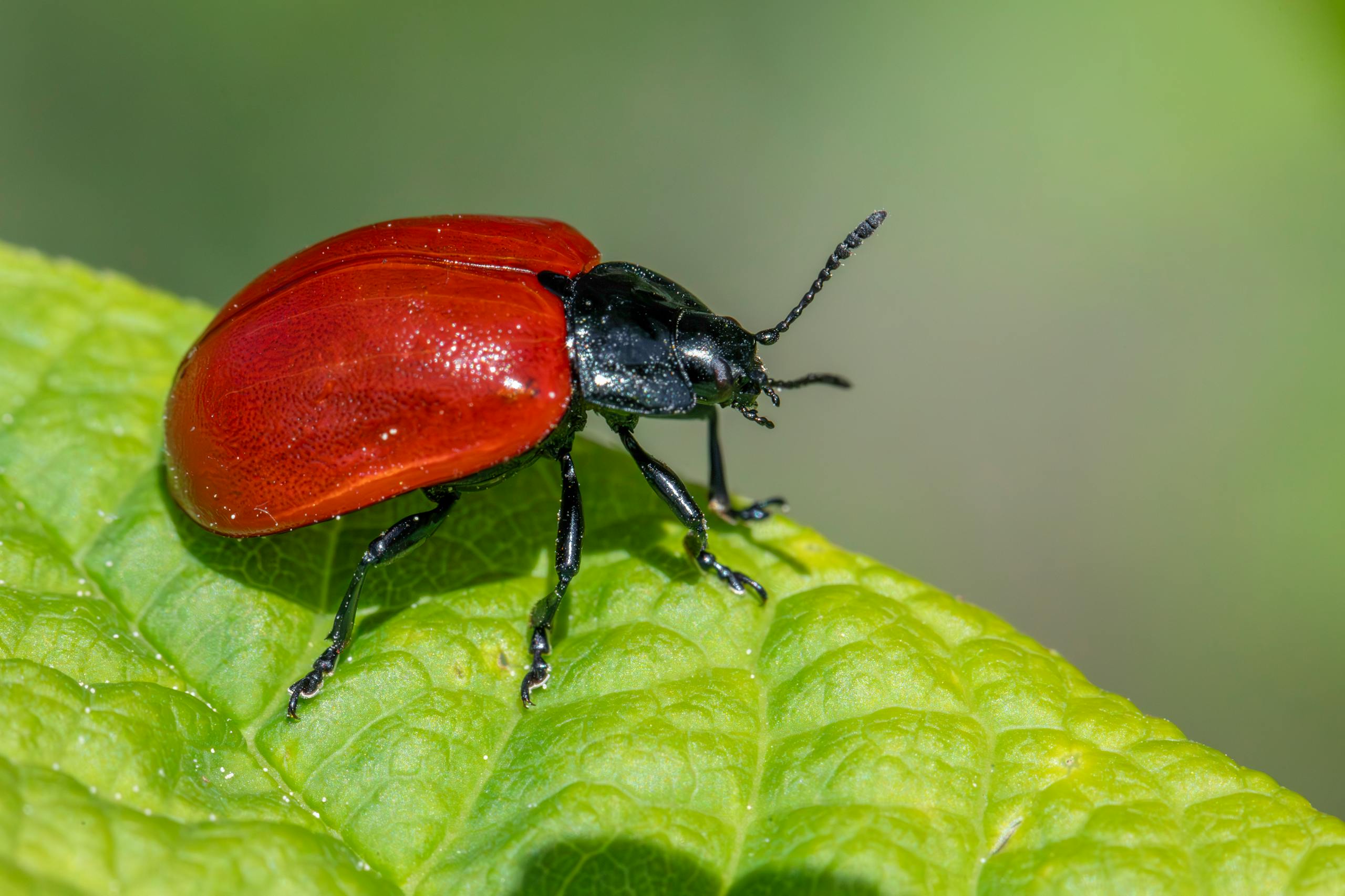
Pests rarely arrive with a dramatic announcement. They begin as tiny eggs under leaves, with a few chewed edges, sticky residue, curled growth, or pale speckling. When we ignore these early clues, a small issue can turn into an infestation that weakens the entire garden. Aphids, spider mites, whiteflies, caterpillars, beetles, slugs, and other pests multiply quickly when conditions favor them.
We should inspect plants regularly, especially the undersides of leaves and the tender new growth where pests often gather. Early control is usually easier and gentler. A strong spray of water can remove aphids, handpicking can help with larger insects, and insecticidal soap or neem-based products may help when used carefully and according to label directions. We should also encourage beneficial insects by planting flowers and avoiding unnecessary broad-spectrum pesticides. Pest control works best when we notice the problem before the plant is already exhausted.
Putting the Wrong Plant in the Wrong Place
A plant can be healthy, beautiful, and completely wrong for the spot we choose. Sun-loving plants become weak and leggy in shade. Shade plants scorch in harsh afternoon sun. Drought-tolerant plants fail in constantly wet soil, and moisture-loving plants collapse in dry, exposed corners. When we ignore a plant’s natural preferences, we create stress that no amount of fertilizer can fully fix.
Before planting, we should study the site. How many hours of sun does it receive? Is the soil sandy, clay-heavy, rich, dry, or slow-draining? Does the area face wind, heat, reflected light, or standing water? Then we should match plants to those conditions instead of forcing favorites into poor locations. Right plant, right place is one of the most powerful gardening rules because it reduces maintenance, improves survival, and helps plants look natural rather than constantly needing rescue.
Skipping Crop Rotation in Vegetable Beds
Vegetable gardens can become tired when the same crop families return to the same spots year after year. Tomatoes, peppers, eggplants, and potatoes belong to the nightshade family. Cabbage, kale, broccoli, and cauliflower belong to the Brassica family. When we plant related crops in the same bed repeatedly, soil-borne diseases and pests that target those crops can build up over time. Nutrient demand can also become unbalanced.
We should rotate crops by family, not just by vegetable name. Moving tomatoes to a different bed while replacing them with peppers does not solve the problem because both are related. A simple garden map helps us track where each family grew last season. In small gardens, containers, grow bags, or fresh soil mixes can help when rotation space is limited. Crop rotation does not make a garden invincible, but it reduces pressure and gives soil a better chance to recover between seasons.
Forgetting Mulch Around Garden Plants
Bare soil looks neat for a moment, but it loses moisture faster, heats up more quickly, crusts after heavy rain, and invites weeds. Mulch acts like a protective layer between the soil and the weather. When we skip mulch, we make the garden work harder than it needs to. Roots face sharper temperature swings, water evaporates quickly, and weed seeds find open ground.
Organic mulch, such as shredded leaves, straw, bark, compost, pine needles, or untreated grass clippings, can help retain moisture, suppress weeds, reduce erosion, and gradually improve soil as it breaks down. We should apply mulch in a sensible layer and keep it away from direct contact with stems, trunks, and crowns. Piling mulch against a plant can trap moisture, leading to rot. A good mulch layer protects soil without smothering the plant.
Using Too Much Fertilizer
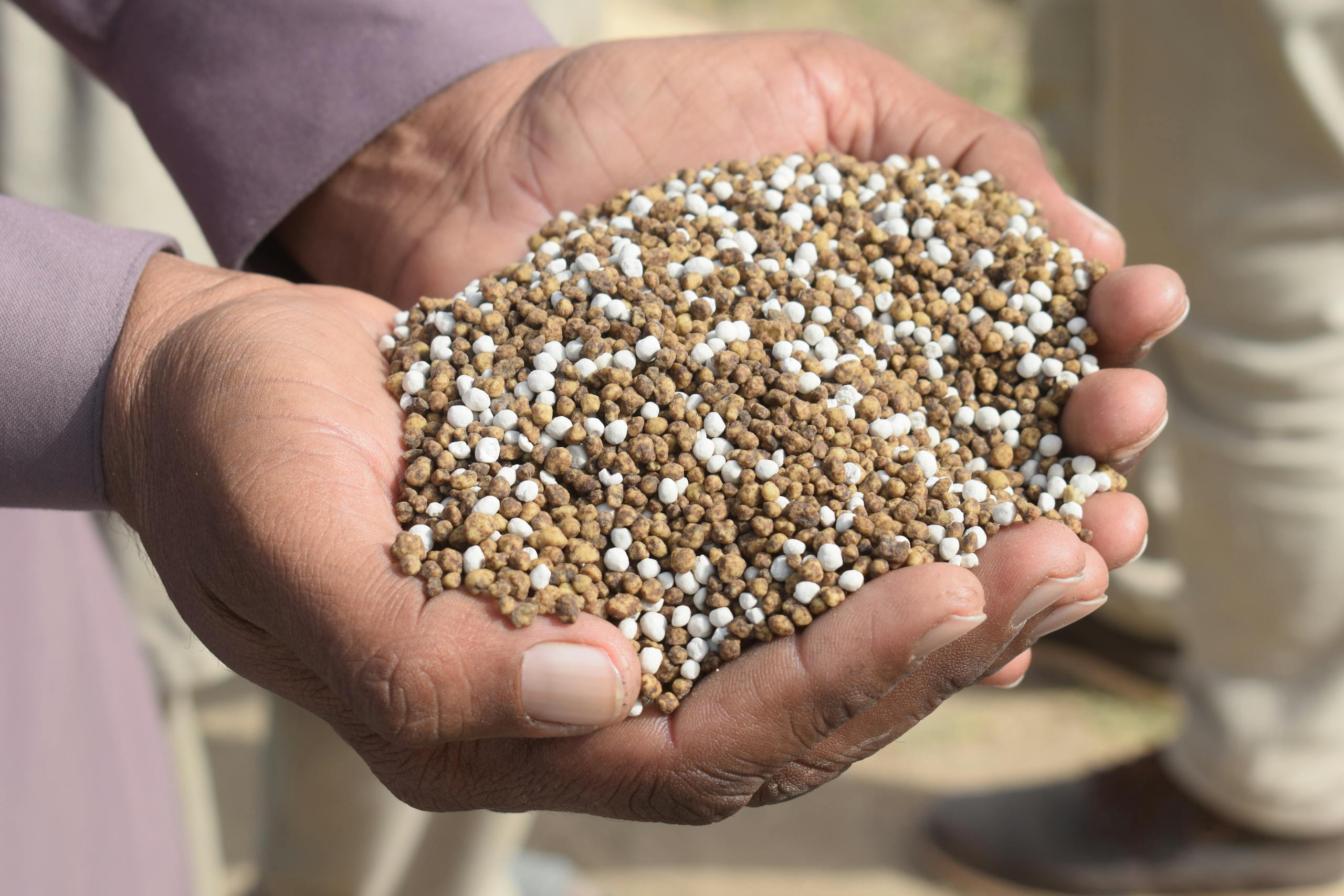
Fertilizer feels like a quick solution, but more is not always better. Excess fertilizer can push weak, leafy growth, burn roots, disrupt soil balance, and make plants more attractive to certain pests. It can also create nutrient imbalances where one nutrient becomes abundant enough to interfere with another. A struggling plant does not always need feeding. It may need better drainage, more light, less water, improved soil structure, or pest control.
We should fertilize based on plant needs, soil test results, and growth stage. Leafy crops often need different feeding than flowering plants, fruiting vegetables, herbs, shrubs, or perennials. Slow-release fertilizers, compost-based feeding, and moderate applications usually create steadier growth than repeated heavy feeding. When leaves look pale or growth slows, we should diagnose before applying more fertilizer. Feeding a stressed plant without fixing the stress is like pouring fuel into a car with a broken engine.