Donald Trump’s $1.8 billion fund for January 6 defendants has ignited a storm inside the Republican Party, exposing cracks in his once ironclad control. What began as a mechanism to compensate political allies claiming unfair treatment by the Biden Justice Department has rapidly escalated into a flashpoint of rebellion, legal battles, and public outrage. Senate Republicans, even veteran Trump loyalists, are openly challenging the fund, branding it a potential misuse of taxpayer money. The controversy has put the GOP on edge, leaving lawmakers and party leaders scrambling to balance loyalty, legality, and electoral strategy.
The fund was created to provide monetary compensation and formal apologies to more than 1,600 January 6 defendants pardoned by Trump. The effort, framed by the former president as a pursuit of justice, has instead sparked an unprecedented internal revolt. With midterms approaching, party leaders are alarmed that the fund could overshadow critical legislative priorities and damage the GOP’s public image.
Senate Republicans Are Publicly Rebelling
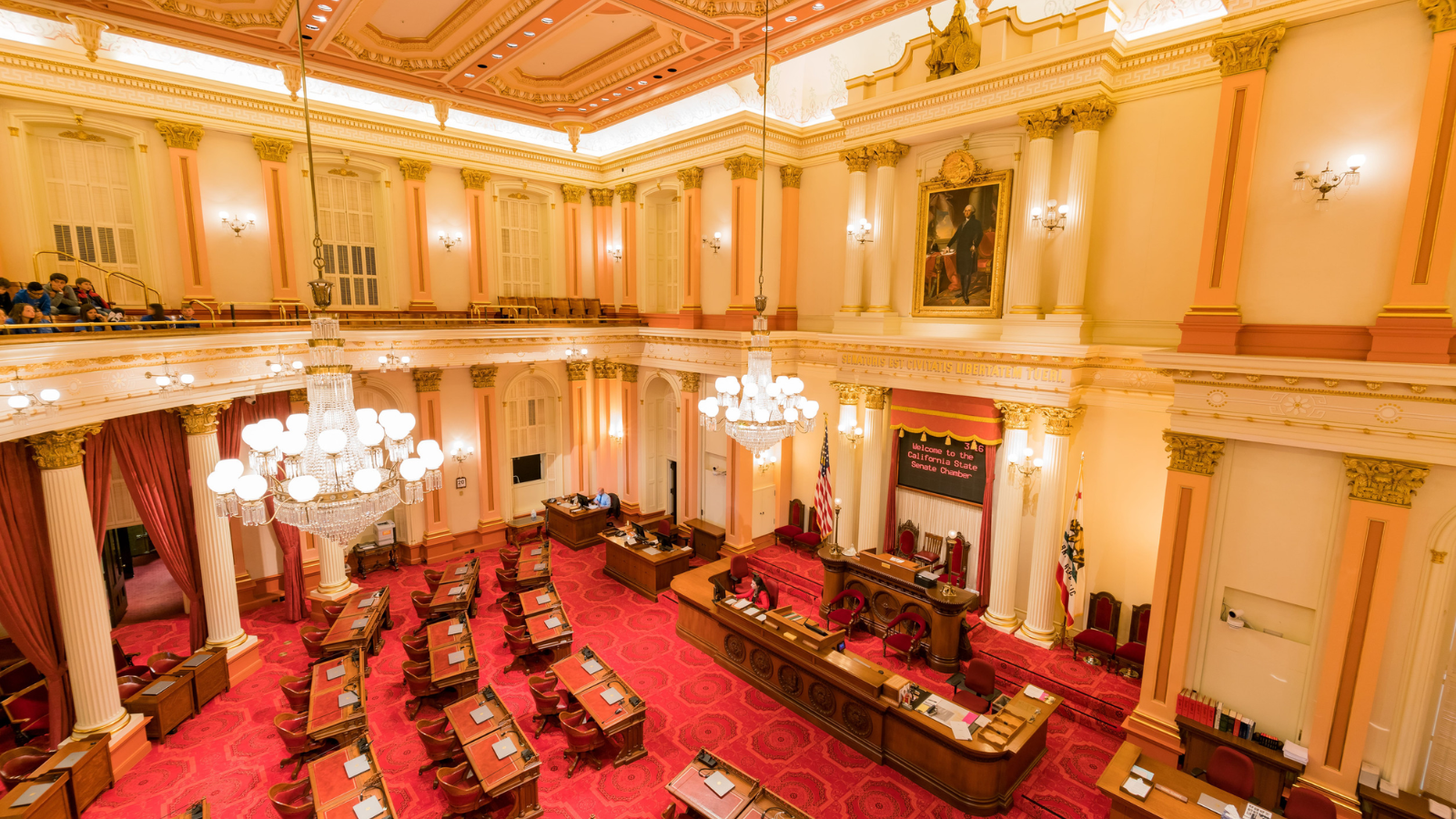
Even senators long considered staunch Trump allies are breaking ranks. Majority Leader John Thune pulled the plug on a $70 billion ICE funding vote, sending lawmakers home until June 1. Senators Katie Britt and Tommy Tuberville confronted Acting Attorney General Todd Blanche behind closed doors, voicing serious doubts about sending federal money to individuals involved in the Capitol riot. The public rebellion marks a dramatic erosion of Trump’s influence over Senate deliberations and signals that party loyalty is no longer guaranteed.
The rebellion is further complicated by the fact that several senators, while privately supportive of Trump in other areas, openly questioned the optics and political consequences of funding January 6 defendants. The confrontation represents a rare moment of independent scrutiny within a party often unified behind the former president.
The Fund Is Being Branded a Slush Fund
Criticism of the $1.8 billion fund has been fierce. North Carolina Senator Thom Tillis called it a “payout pot for punks,” while Utah Senator John Curtis admitted bluntly, “I don’t like the fund at all.” Senators are concerned the money could reward violent rioters, raising serious ethical and political questions. What was intended as a corrective mechanism for perceived government overreach is now widely viewed as a politically dangerous move that could fracture party cohesion.
Even long-time Trump allies expressed moral objections. Some senators privately labeled the fund “utterly stupid” and “morally wrong,” signaling that the divide is not just about optics, but about fundamental disagreements over the use of federal funds.
Legal Challenges Threaten the Fund
The fund’s future is complicated by legal opposition. Two Capitol police officers who defended the US Capitol on January 6 have filed a lawsuit seeking to block the fund, arguing that it prioritizes political allies over law enforcement and undermines public trust. If the courts intervene, payouts could be delayed, limited, or halted entirely, creating a layer of uncertainty that fuels both political and public scrutiny.
Legal experts warn that the case could set precedents for how political and legal settlements intersect, raising questions about accountability and the proper use of taxpayer money. The court battle adds urgency to GOP leaders’ internal discussions and puts Trump’s narrative of justice and fairness under intense pressure.
Trump’s Endorsements Have Inflamed Tensions

The fund controversy is inseparable from broader intra-party tensions. Thune’s public break aligns with Trump’s recent endorsement of Texas Attorney General Ken Paxton over Thune’s ally John Cornyn in the Senate primary. Many senators privately view this as a betrayal, amplifying existing frustration over the fund. Political rivalries within the GOP are now intersecting with legal disputes, creating a volatile environment that could affect legislative strategy and midterm messaging.
The combined effect of the fund and Trump’s endorsements has fueled skepticism even among previously loyal senators, who are questioning whether supporting the president in all his initiatives remains politically safe or strategically sound.
GOP Leaders Fear Electoral Fallout
With midterms looming, Republican leaders are deeply concerned about public perception. The fund has the potential to dominate headlines, creating the impression that the GOP is rewarding lawbreaking or ignoring victims of the Capitol riot. Party strategists fear this could alienate moderate voters, complicate fundraising, and hinder voter turnout. The debate over the fund is no longer just an internal party issue; it has become a major campaign consideration with potential long-term consequences.
The timing is critical. As Congress and the White House navigate consequential legislation on immigration, defense, and spending, the fund threatens to distract from core messaging and create divisions Democrats could exploit.
Trump Remains Defiant
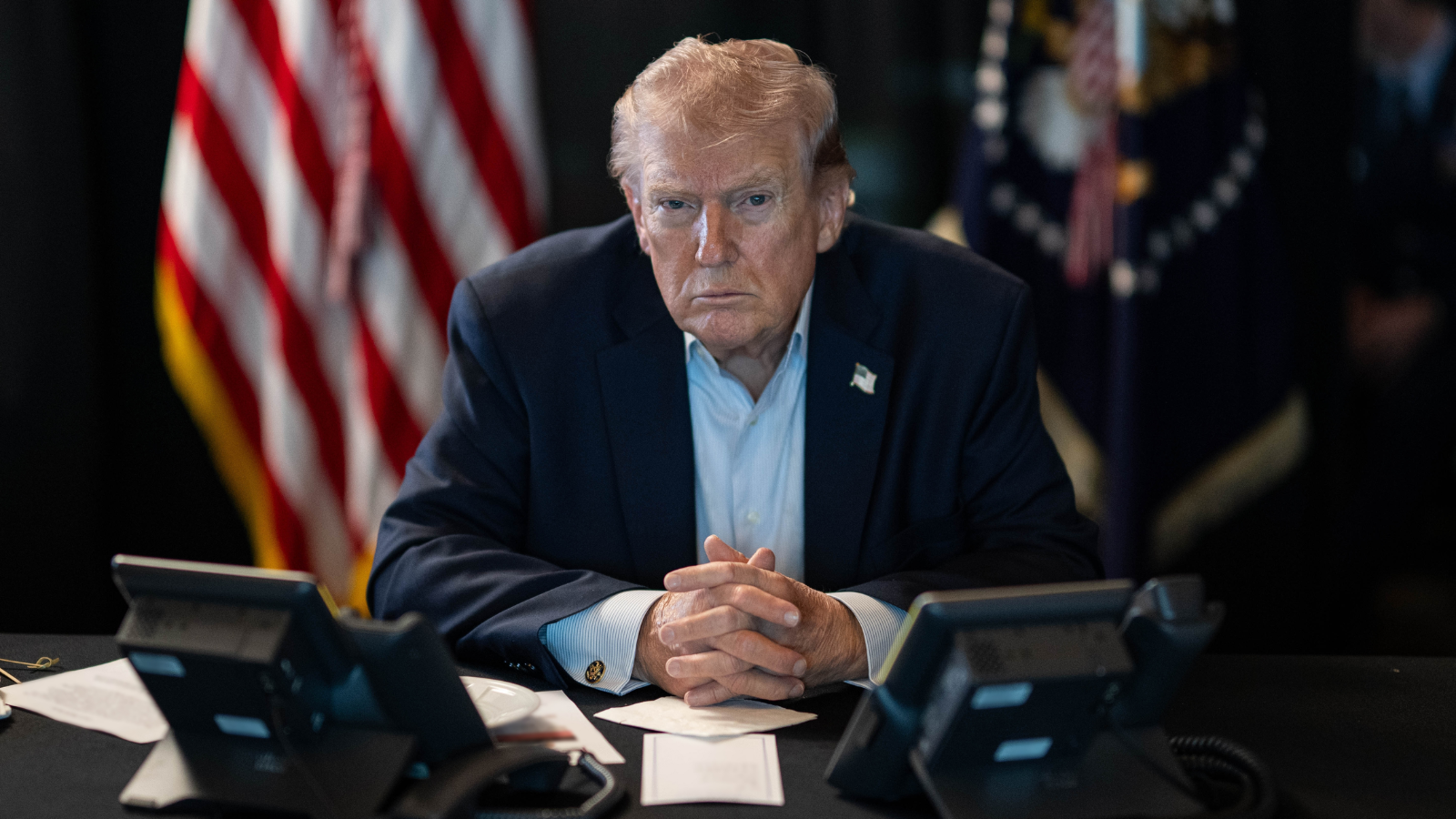
Despite mounting criticism, Trump has refused to back down. Using Truth Social, he framed the fund as a personal sacrifice and a moral imperative, designed to deliver justice to those he claims were abused by the Biden administration. He emphasized that he gave up personal wealth to make the fund possible, portraying himself as a champion of political fairness.
Trump’s defiance, however, has only intensified the rift. Senators and party leaders now face the difficult task of navigating between loyalty to the former president, political pragmatism, and public accountability.
Internal GOP Meetings Reveal Deep Frustration
Closed-door sessions with Acting Attorney General Blanche revealed stark dissatisfaction. Senators branded the fund a “galactic blunder” and questioned the optics of the president suing himself while awarding settlements that benefit his political allies. Louisiana Senator Bill Cassidy asked whether Americans would accept a fund that effectively rewards political favoritism, highlighting the ethical and political dilemmas at play.
The meetings exposed the depth of dissent and underscored a fundamental tension: how to balance support for Trump with adherence to moral, legal, and political standards that resonate with voters.
Midterms and the Fund’s Fate Are Tightly Linked
The $1.8 billion fund is more than a financial instrument; it is a political and strategic test. How the GOP resolves the dispute will influence midterm campaigns, party messaging, and Trump’s enduring influence. Oversight, modifications, or legal rulings are likely, and every decision will be scrutinized for political and public repercussions.
Republicans are now forced to reconcile party loyalty with ethical considerations, voter sentiment, and legal constraints, making the fund a defining issue of the midterm election season.