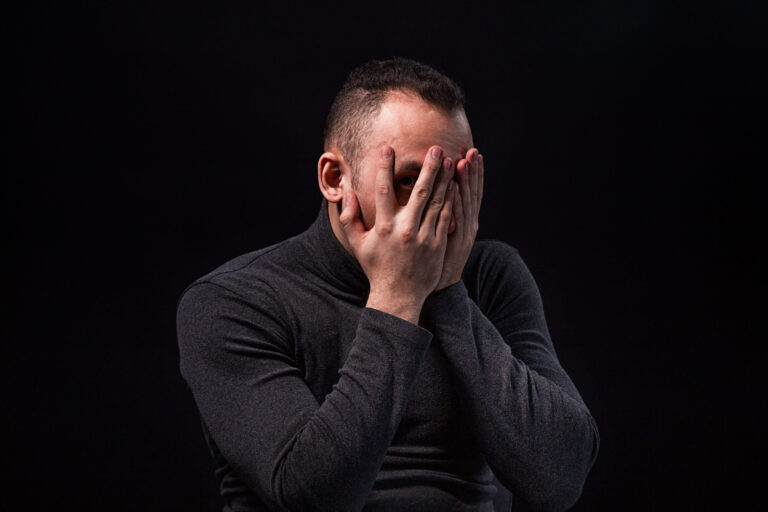
Love can make ordinary life feel electric. A text message can change the mood of a whole morning, a shared joke can feel like a private language, and a new relationship can make the future look softer than it did before. Still, chemistry is not the same as safety, and attention is not the same as respect.
The hardest relationship red flags rarely arrive wearing villain costumes. Many show up as small discomforts, repeated excuses, strange gut feelings, or moments that leave us wondering why we feel lonelier inside a relationship than we did alone. If we want a relationship that brings peace instead of confusion, we have to notice the warning signs early and take them seriously.
They Avoid Honest Communication

A healthy relationship needs more than sweet messages and cute photos. It needs two people who can speak clearly about feelings, expectations, mistakes, money, intimacy, family, and the future. If your partner dodges every serious conversation, changes the subject, laughs off your concerns, or makes you feel needy for asking basic questions, that is not an emotional mystery. It is a warning sign.
Avoidant communication becomes dangerous because it keeps the relationship floating in guesswork. You may start filling in the blanks for them, excusing their silence, or accepting crumbs of clarity because you do not want to “ruin the vibe.” We should not have to become detectives in our own relationship. Love can be private, but it should not be confusing by design.
A partner who cares about building something real may struggle to communicate at times, but they will still try. They will listen, clarify, apologize, explain, and return to difficult conversations with maturity. A partner who consistently refuses honest communication leaves every serious issue unresolved, which means the relationship grows on shaky ground.
Every Small Disagreement Turns Into A Battle
Disagreements are normal. Two people can love each other deeply and still clash over schedules, spending habits, family boundaries, social plans, or emotional needs. The red flag appears when small disagreements explode into shouting, insults, blame games, sarcasm, or days of tension.
A relationship should have room for conflict without turning into emotional combat. If every conversation feels like stepping into court, one or both partners may begin caring more about winning than understanding. That kind of pattern slowly trains people to hide their feelings, soften their truth, or stay quiet to avoid another exhausting argument.
We should pay close attention to how conflict ends. Does the conversation bring clarity, repair, and accountability, or does it leave one person emotionally bruised and the other person satisfied because they “won”? A loving partner does not use conflict as a stage for control. They use it as a chance to understand the damage and fix what can be fixed.
They Shut Down And Stonewall You

Stonewalling happens when a partner withdraws from the conversation, stops responding, turns away, acts busy, or refuses to engage with the issue at all. Relationship researchers at The Gottman Institute describe stonewalling as a pattern where the listener shuts down and stops responding rather than addressing the problem. The Gottman Institute
This can feel maddening because one person is trying to resolve pain, while the other disappears emotionally. They may say, “I do not want to talk,” then leave the room, ignore calls, give one-word replies, or punish you with silence until you apologize for bringing the issue up. Over time, stonewalling can make a person feel invisible inside the relationship.
There is a difference between taking a calm break and shutting someone out. A healthy break sounds like, “I am overwhelmed, but I want to come back to this tonight.” Stonewalling sounds like silence, avoidance, and emotional disappearance with no plan to repair. If your partner uses silence as a weapon, the relationship is no longer a safe place for honest expression.
They Dismiss Your Feelings As Drama
One of the clearest red flags in a relationship is emotional invalidation. This happens when your partner repeatedly treats your feelings as silly, exaggerated, inconvenient, or irrational. They may say you are too sensitive, too emotional, too insecure, or always looking for problems.
The damage here is subtle but serious. At first, you may defend your feelings. Then you may start editing them. Later, you may stop sharing them altogether because every attempt to be heard turns into a debate about your personality. That is how people lose their emotional voice inside relationships that look fine from the outside.
A loving partner may not always understand your feelings immediately, but they will care that you are hurting. They will ask questions. They will try to understand the experience behind your reaction. They will not make you feel foolish for being human. We do not need a partner who agrees with every emotion, but we do need one who respects our right to have them.
They Lie In Small Ways And Expect You To Ignore It
Small lies are rarely small when they become a pattern. A partner who lies about where they were, who they were with, what they spent, what they said, or what they promised is teaching you that their comfort matters more than your trust. Even white lies can become relationship poison when they stack up.
Trust does not usually collapse in one dramatic moment. It often weakens through tiny cracks. One strange story becomes two. A missing detail becomes a pattern. A denied conversation becomes proof that your memory is being challenged. Soon, you may feel anxious even when nothing obvious is happening because your body has learned that something does not add up.
We should not confuse privacy with secrecy. Privacy protects personal space. Secrecy hides behavior that would damage trust if revealed. A trustworthy partner does not make you beg for the truth, and they do not treat honesty like a reward you only receive after catching them.
They Cross Your Boundaries And Call It Love
Boundaries tell people where respect begins. They can involve your body, phone, finances, friendships, home, time, faith, family, social media, work, and emotional capacity. A partner who ignores boundaries may frame it as passion, closeness, jealousy, or deep love, but the result is still the same. Your comfort gets pushed aside.
This red flag can look like checking your phone without permission, demanding passwords, showing up uninvited, pressuring you into intimacy, reading your messages, tracking your location, or refusing to accept the word “no.” It can also appear in softer ways, like sulking whenever you need alone time or making you feel guilty for having plans without them.
A relationship does not become stronger because two people have no boundaries. It becomes stronger because both partners respect the boundaries that keep the connection healthy. If someone needs constant access to your life to feel secure, the issue is not your independence. The issue is their need for control.
They Insult You, Mock You, Or Humiliate You
Insults are not communication. Cruel jokes are not honest. Public embarrassment is not playful teasing when it leaves one person feeling small. If your partner regularly mocks your appearance, intelligence, income, body, culture, dreams, friends, family, or past, that behavior should never be brushed aside.
Emotional abuse often begins with comments that are easy to explain away. “I was joking.” “You took it wrong.” “You know how I talk.” “Do not be so serious.” These phrases can become shields for behavior that would look obviously cruel if a stranger said the same thing.
We should judge love by how safe we feel in its presence. A partner who loves you may challenge you, but they will not degrade you. They may disagree with you, but they will not use your insecurities as ammunition. Respect should not disappear during conflict, and affection should not require you to laugh at your own humiliation.
They Use Threats To Control Your Choices
Threats are among the most serious relationship red flags because they turn love into fear. A partner may threaten to leave, expose private information, harm themselves, ruin your reputation, take money, damage property, call your workplace, or turn friends and family against you. Even if they never follow through, the threat itself can control your behavior.
A person in this situation may start making decisions based on fear instead of desire. They may stop seeing friends, avoid certain conversations, give in sexually, hand over money, cancel plans, or apologize for things they did not do just to keep the peace. That is not a compromise. That is coercion.
Healthy relationships allow both people to choose freely. Threats remove freedom and replace it with pressure. If a partner uses fear to keep you close, the relationship has crossed into dangerous territory.
Physical Aggression Appears Even Once

Physical aggression is never a normal relationship problem. Hitting, pushing, grabbing, choking, blocking exits, throwing objects, restraining you, damaging your belongings, driving dangerously to scare you, or forcing sexual contact are urgent warning signs. These actions are not passion. They are violent.
Some people excuse the first incident because their partner cried afterward, apologized, blamed stress, promised change, or said it would never happen again. An apology does not erase the danger. A single act of violence proves that the person is willing to use physical power during emotional intensity, and that should be taken seriously.
If immediate danger exists, the priority is safety, not relationship repair. The National Domestic Violence Hotline provides confidential support 24 hours a day in the U.S., including phone support at 1-800-799-SAFE, chat support, and text support by sending START to 88788. (The Hotline)
They Slowly Isolate You From Other People
Isolation can look romantic at first. They want all your time. They miss you constantly. They say nobody understands your relationship as they do. They frame your friends as bad influences, your family as intrusive, and your independence as a threat.
Over time, this pattern can shrink your world. You may stop going out because it causes arguments. You may answer fewer calls because explaining them becomes exhausting. You may distance yourself from people who love you because your partner has trained you to see concern as interference.
A strong relationship should add richness to your life, not remove every other source of support. We should be wary of any partner who benefits from our loneliness. Love does not require social disappearance. It should allow both people to remain connected to healthy friendships, family ties, personal goals, and trusted communities.
Conclusion
Relationship red flags are not there to make us cynical. They are there to keep us awake. Love should not require us to ignore our instincts, erase our boundaries, defend obvious disrespect, or call fear “passion” just because the good moments still feel good.
The strongest relationships do not avoid every problem. They handle problems with honesty, care, accountability, and respect. If a partner can admit harm, change behavior, and protect your dignity even during conflict, the relationship has room to grow. If they lie, control, intimidate, isolate, insult, or make you afraid, the red flag is no longer subtle.
We should never measure love by how much pain we can survive. We should measure it by how safe, seen, respected, and free we feel in its presence.