A vacation should not feel like a financial crime scene. We should be able to rest, explore, eat something memorable, and come home without dragging a credit card balance behind us like a suitcase with a broken wheel. The problem is that travel now feels expensive before the trip even begins, especially once flights, hotels, meals, gas, parking, resort fees, baggage charges, and activities start stacking up.
That is why cheap vacations deserve a better reputation. They are not sad little backup plans for people who “cannot afford the real thing.” A smart budget trip can be more relaxed, more personal, and more memorable than a crowded luxury escape that costs too much and delivers too little.
The secret is not always finding the cheapest destination on the map. We need to choose trips where the highest costs are controlled from the start. That means reducing transportation costs, avoiding peak dates, picking lodging with useful amenities, staying longer in fewer places, and building the trip around experiences that do not charge a premium every five minutes.
Below are practical, enjoyable, and realistic cheap vacation ideas that work for couples, families, solo travelers, retirees, friend groups, and anyone who wants a break without financial regret.
Start With a Vacation Budget Before Choosing the Destination
The biggest mistake we make with cheap vacations is picking the place first and trying to force the budget to behave later. That usually leads to stress because the destination sets the price of flights, food, lodging, transportation, attractions, taxes, tips, and surprise fees. A smarter method is to determine the total amount first, then plan the trip within that budget.
We should divide the vacation budget into five categories: transportation, lodging, food, activities, and cushion money. Cushion money matters because small costs can quietly ruin a cheap trip. Parking, tolls, checked bags, sunscreen, pet boarding, laundry, rideshares, snacks, and attraction fees may seem minor on their own, but together they can turn a “cheap” vacation into a budget ambush.
A useful rule is to keep lodging and transportation from eating the whole budget. If flights are expensive, we should shorten the distance, drive, take a train, use points, or choose a cheaper airport. If hotels are expensive, we should look at vacation rentals, hostels, cabins, university housing, motels, home exchanges, or towns outside the main tourist zone.

Cheap Staycations Can Feel Like Real Escapes
A staycation works when we treat it like a real vacation instead of another weekend at home. That means we make a schedule, silence work notifications, leave chores alone, and plan experiences that feel separate from our normal routine. The magic comes from seeing familiar places with tourist eyes.
We can visit local museums, beaches, lakes, botanical gardens, historic neighborhoods, food markets, hiking trails, minor league games, public concerts, ferry rides, scenic drives, and free festivals. Many cities have attractions locals ignore because they assume those places are only for visitors. A well-planned staycation can fix that without airfare, baggage fees, rental cars, or hotel taxes.
The best staycations usually include one small splurge. That might be one night at a boutique hotel, brunch at a restaurant we have always wanted to try, a spa pass, a guided food tour, a boat rental, or tickets to a local show. We keep the trip affordable by cutting the expensive travel pieces, then spending a little where it creates the strongest memory.

Road Trips Remain One of the Best Cheap Vacation Ideas
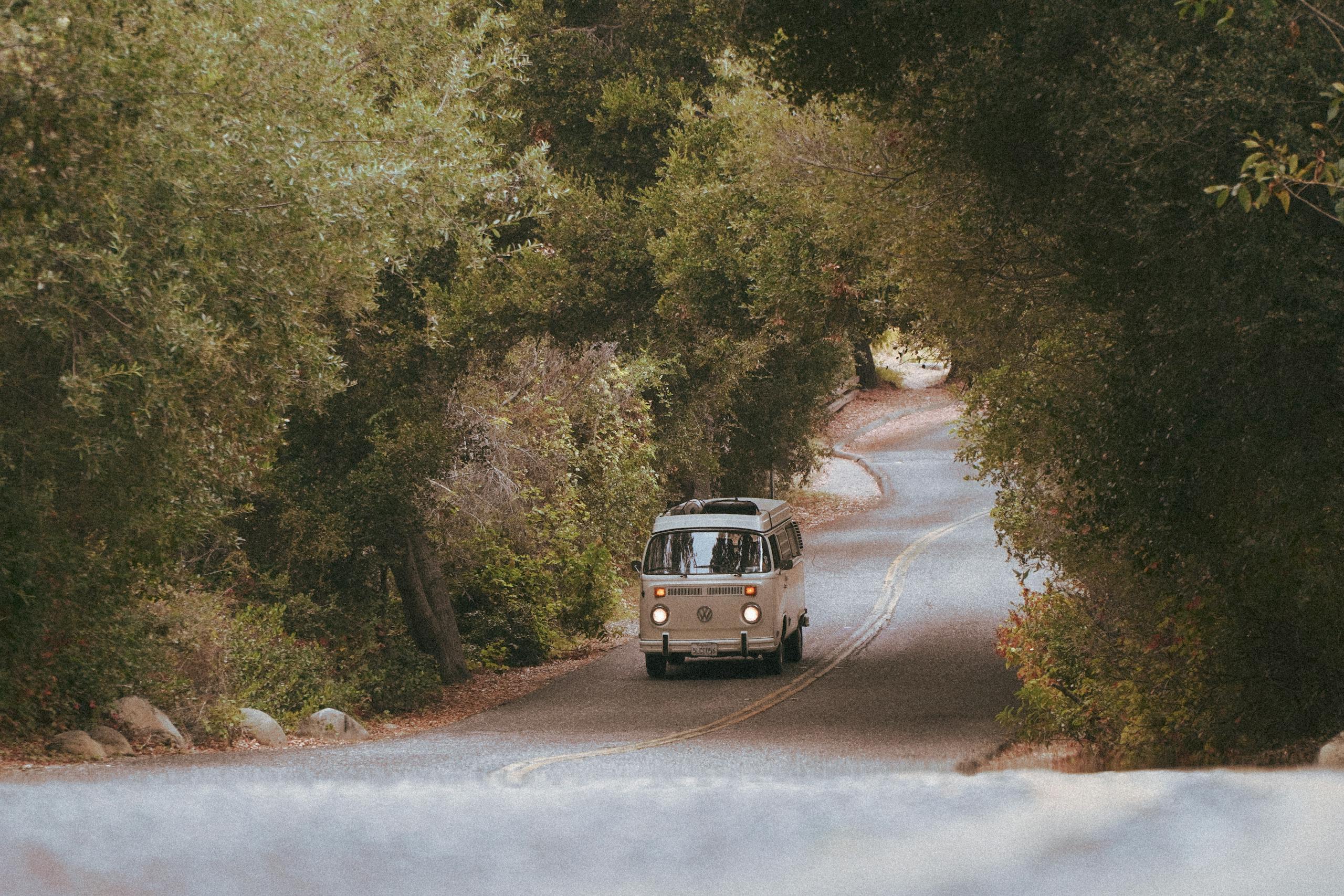
Road trips are popular because they give us a sense of control. We decide when to leave, where to stop, what to pack, and how much to spend on food and lodging. For families, driving often beats flying because one car can carry several people, bags, snacks, coolers, strollers, beach gear, camping equipment, and all the random items that make travel easier.
A cheap road trip works best with a tight route. Instead of racing through five states in six days, we should choose one region and explore it properly. A mountain loop, coastal drive, lake region, wine country route, historic small-town trail, or national forest corridor can deliver a full vacation without constant hotel changes and long gas-guzzling days.
The budget improves when we pack food strategically. Breakfast items, fruit, water, sandwich supplies, coffee, and snacks can save a surprising amount, especially for families. We do not need to avoid restaurants entirely, but we should save restaurant spending for places that feel local and memorable, rather than burning money on emergency fast food at every stop.
National Parks Offer Big Scenery for a Manageable Price
National parks remain one of the best ways to avoid expensive travel. We get dramatic landscapes, hiking trails, wildlife viewing, scenic drives, ranger programs, picnic areas, historic sites, and photography opportunities without paying theme-park prices. Many parks charge by vehicle rather than by person, which helps families and groups stretch the budget.
The smartest approach is to avoid only thinking about the most famous parks. Yellowstone, Yosemite, Grand Canyon, Zion, and Glacier are spectacular, but they can also bring high lodging prices, timed reservations, crowded trails, and long booking windows. Lesser-known national parks, national monuments, national seashores, historic parks, and state parks can offer a calmer, cheaper experience.
We should also check nearby towns before booking lodging inside a park. Staying just outside the entrance often gives us cheaper motels, cabins, diners, grocery stores, and more flexible cancellation policies. If we plan early, travel midweek, bring picnic meals, and choose hikes that match our fitness level, a national park vacation can feel rich without being expensive.

Camping Keeps Family Vacations Affordable
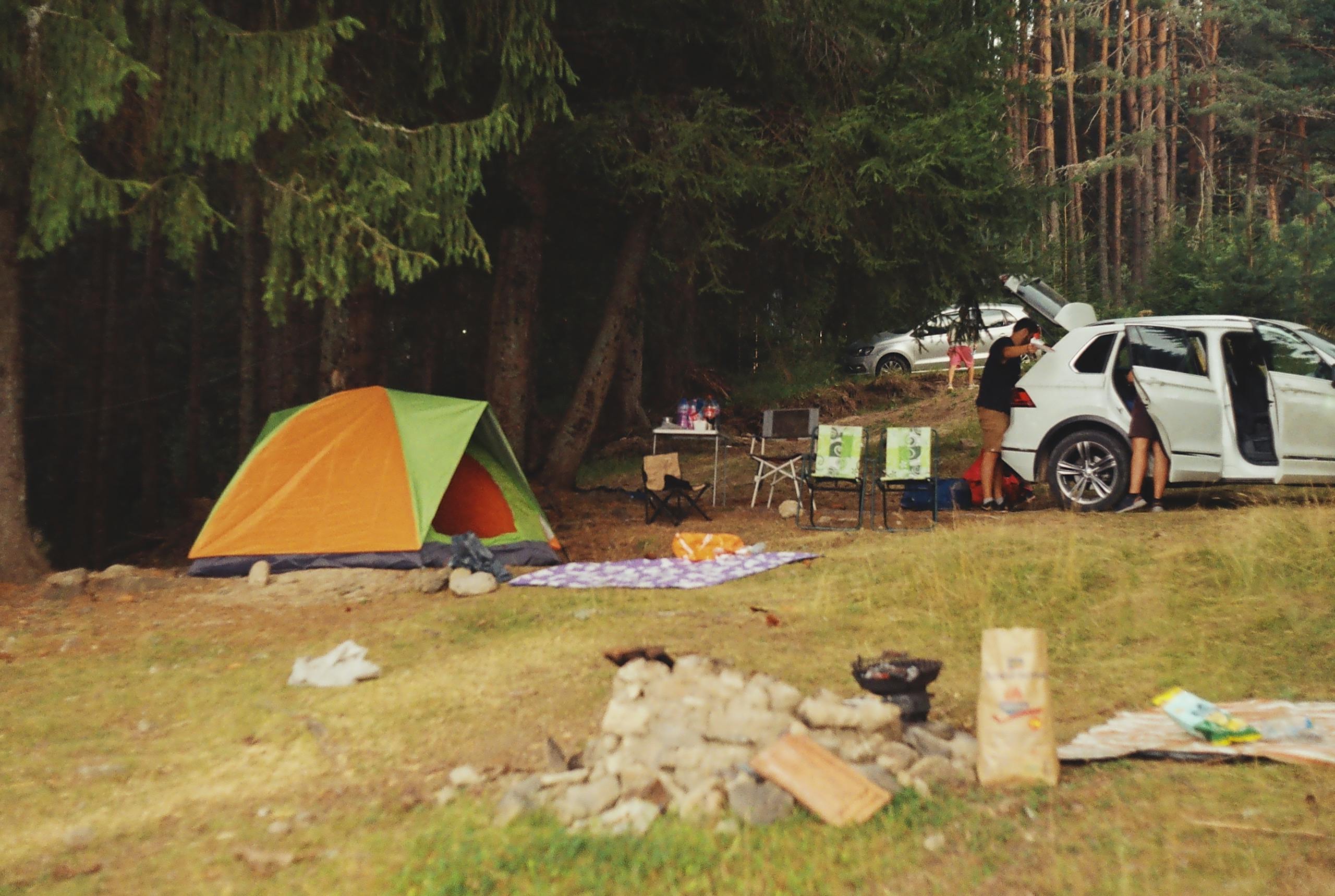
Camping is one of the few vacations where the lodging itself becomes part of the adventure. Children remember sleeping under the stars, roasting marshmallows, hearing night sounds, collecting sticks, swimming in lakes, and waking up to fresh air. Adults remember the price, which is often much easier to manage than a hotel bill.
The cheapest version is basic tent camping, but we should be honest about comfort. First-time campers may need a tent, sleeping pads, lanterns, chairs, cooking supplies, coolers, bug spray, and weather-appropriate gear. Borrowing equipment, renting gear, or choosing a campground with cabins can make the first trip easier.
Campgrounds with showers, toilets, fire rings, picnic tables, playgrounds, lakes, trails, or ranger activities are especially useful for families. We can keep the trip simple with easy meals like foil-packet dinners, sandwiches, pancakes, hot dogs, pasta, fruit, oatmeal, and coffee. The goal is not to perform wilderness survival; it is to enjoy an affordable outdoor break that feels refreshing.
Glamping Gives Comfort Without Luxury Resort Prices
Glamping sits between camping and a hotel. We still get nature, fresh air, fire pits, trails, and quiet mornings, but we may also get a real bed, electricity, a private bathroom, heating, air conditioning, or a small kitchenette. That makes it a strong option for people who like the idea of camping but do not want to sleep on the ground.
The value depends heavily on the listing. Some glamping sites are affordable cabins or safari tents. Others cost more than a nice hotel. We should compare the total nightly price after cleaning fees, service fees, taxes, pet fees, and minimum-stay rules before assuming it is cheaper.
Glamping works best for anniversaries, birthdays, low-key friend trips, and family weekends where the setting matters more than constant sightseeing. A cabin near a lake, a yurt near a state park, a tiny home outside a mountain town, or a farm stay with animals can feel far more special than a standard hotel room.

Vacation Rentals Can Save Money for Groups and Families
Vacation rentals can be excellent for cheap vacations when we use them correctly. The biggest savings often come from space and food. A rental with a kitchen, laundry, parking, and multiple bedrooms can beat booking two or three hotel rooms, especially for families or groups.
The trick is to calculate the full price, not the headline nightly rate. Cleaning fees, service fees, taxes, pet fees, parking costs, and strict cancellation rules can change the value. We should compare the total stay price with prices at hotels in the same area and ask whether the rental actually reduces spending.
Vacation rentals work best when we plan to cook simple meals, stay at least a few nights, share costs with others, or visit places where hotels are overpriced. They are less ideal for quick overnight stops, solo city breaks, or trips that require daily housekeeping, front desk support, breakfast, luggage storage, and walkable access to attractions.
Last-Minute Cruises Can Offer Strong Value
Cruises can be expensive, but last-minute sailings sometimes deliver real value when ships still have cabins to fill. The price can look especially attractive because lodging, transportation between ports, meals, entertainment, pools, and basic activities are bundled together. That makes budgeting easier than a trip where every meal and attraction is separate.
The best cruise deals usually favor flexible travelers. We need flexibility on dates, cabin type, port, itinerary, and sometimes even cruise line. Travelers near major ports such as Miami, Fort Lauderdale, Port Canaveral, Galveston, Los Angeles, Seattle, or New York may save more by avoiding airfare.
We should still watch the extras. Alcohol packages, specialty dining, excursions, Wi-Fi, gratuities, spa treatments, parking, and port transportation can inflate the total cost. A cruise becomes a cheap vacation when we book a good fare, avoid unnecessary add-ons, explore some ports independently, and know the full price before paying.

Cheap Beach Vacations Work Better Outside the Famous Zip Codes
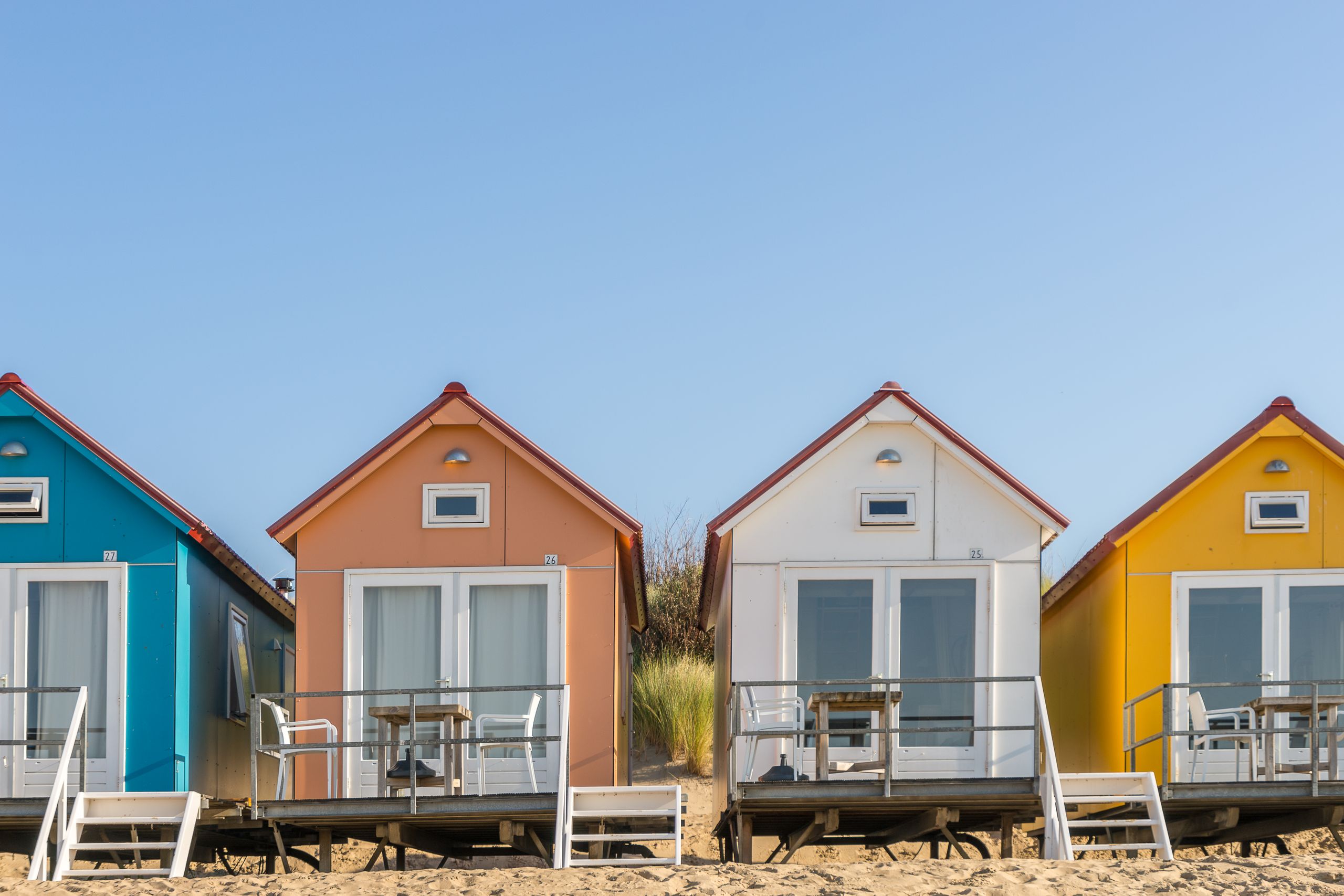
A beach vacation does not need a luxury resort or a famous island. Many affordable beach trips come from choosing less-hyped coastal towns, traveling in the shoulder season, staying a short walk from the water rather than directly on the sand, and cooking some meals.
In the United States, budget-friendly beach planning often means comparing Gulf Coast towns, lake beaches, barrier islands, state park beaches, and smaller Atlantic communities. A condo three blocks from the beach may cost much less than an oceanfront hotel. A state park beach may charge a modest parking fee instead of an expensive resort access fee.
We should also think beyond summer. Late spring and early fall can bring warm weather, lower prices, calmer beaches, and better availability. Families tied to school calendars may still find savings by booking early, traveling midweek, or choosing beaches within driving distance.

Conclusion
Cheap vacations are not compromises; they are smart choices. By focusing on local escapes, road trips, national parks, camping, vacation rentals, hostels, off-season travel, and smaller cities, we can enjoy rich experiences without overspending.
A well-planned budget, flexible timing, and thoughtful activity choices allow travelers to return home refreshed, inspired, and financially stable. Affordable vacations can be full, memorable, and completely satisfying when we focus on what matters most.