A bad text rarely looks dramatic at first. It looks like “K.” It looks like a reply sent with one eye on Netflix. It looks like a joke that sounded hilarious in your head but landed like a tiny emotional slap on someone else’s screen.
That is what makes texting so dangerous in relationships. It feels casual, fast, and harmless, yet it carries tone, timing, attention, affection, and conflict all at once. The original Cottonwood Psychology article highlights nine small texting patterns that can quietly damage connection, from distracted replies to late-night messages and phone use during quality time.
Replying Like You Are Barely There

Distracted texting is one of those habits people excuse because life gets busy. You answer your partner during a work call, at a red light, in the middle of cooking, or right after opening five other apps. The reply may technically arrive, but it carries no warmth. Your partner does not receive your full attention. They receive the leftover crumbs.
That is where the damage starts. A rushed “yeah” can come across as boredom. A missed detail can feel like carelessness. A flat reply can turn a normal conversation into a small emotional mystery your partner has to solve alone. You do not need to write a love letter every time, but you do need to sound present. A simple “I’m in the middle of something, but I want to hear this properly. I’ll reply after lunch” feels much better than a half-dead answer that creates more confusion than connection.
Sending One-Word Replies That Feel Cold
One-word texts have a strange power. “Fine.” “Okay.” “Sure.” “Cool.” They look harmless on the sender’s side, but they can feel icy on the receiving end. The problem is not the word itself. The problem is the emotional blank space around it.
When your partner gets a short reply with no tone, they may start guessing. Are you annoyed? Are you busy? Are you pulling away? Are you trying to end the conversation? That guessing game drains emotional safety. A relationship should not make someone feel like a detective every time they open a message.
The fix is tiny. Add a little context. “Sure, that works for me.” “Okay, I’m just tired, not upset.” “Cool, I’m excited for that.” Those extra few words can change the entire emotional temperature of the chat. Texting research has also found that positive, self-written messages can support relationship satisfaction, which means warmth often matters more than length.
Leaving Arguments on Read

Few things feel louder than silence during a tense text exchange. Your partner sends a serious message, the read receipt appears, and then nothing. The silence sits there like a locked door. Even when you only needed time to calm down, the other person may experience it as punishment.
Leaving conflict on read can turn a disagreement into a deeper wound. The original issue may have been small, but the silence adds a second problem. Now your partner is upset about the argument and about feeling abandoned inside it.
You can take space without disappearing. Say, “I care about this, but I’m too worked up to answer well. I’ll come back to it tonight.” That one sentence protects both people. It gives you breathing room and gives your partner reassurance. The Gottman Institute describes repair attempts as actions or statements that stop negativity from escalating, and a calm pause with a clear return time is one of the simplest repairs you can make over text.
Using Sarcasm That Does Not Travel Well
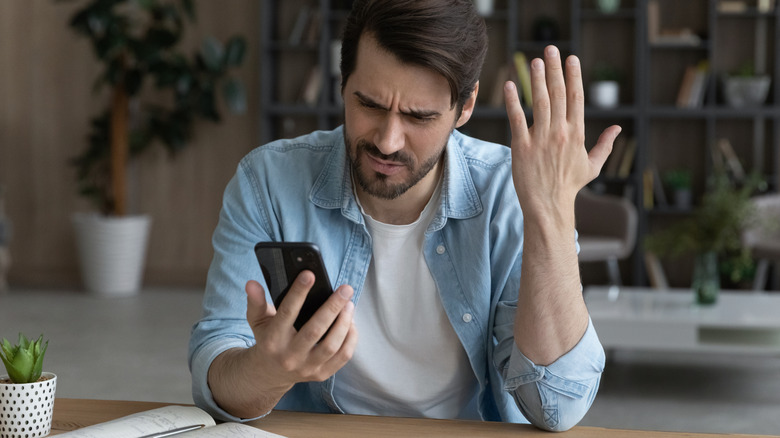
Sarcasm needs facial expression, timing, and tone. Text gives it none of those unless you work hard to make your meaning clear. That “Wow, amazing job” message may sound playful in your head, but your partner may read it as criticism, contempt, or passive aggression.
This gets worse when a couple already has tension. A joke that lands well on a good day can sting badly on a stressful one. Texting removes the softeners people rely on in person, such as eye contact, a smile, or a playful voice. Without those cues, sarcasm can look like disrespect wearing a cheap disguise.
Better move? Save risky jokes for face-to-face moments. If you really want to tease, make it obvious. Add warmth. Add an emoji. Add “I’m joking” when the stakes are even slightly high. A 2025 PLOS One study found that emojis can increase perceived responsiveness and make messages feel warmer and more emotionally engaging, especially when the emoji matches the message’s tone.
Letting Punctuation Sound Like an Attitude
Punctuation has become relationship weather. A period can feel final. Three dots can feel suspicious. All caps can feel like yelling. Too many exclamation points can look forced. No punctuation at all can look careless. It sounds ridiculous until you remember how often people reread tiny messages looking for hidden meaning.
The message “Okay.” can feel different from “Okay!” or “Okay, sounds good.” The words barely change, but the mood does. That is why punctuation matters more in romantic texting than many people want to admit. People do not just read words. They read energy.
This does not mean every message needs emojis, hearts, or theatrical enthusiasm. It means you should know your partner’s digital language. If your natural texting style is blunt, say so. If your partner often misreads your short replies, soften them. Texting well is not about pretending to be someone else. It is about making sure your real meaning actually arrives.
Double-Texting From Panic
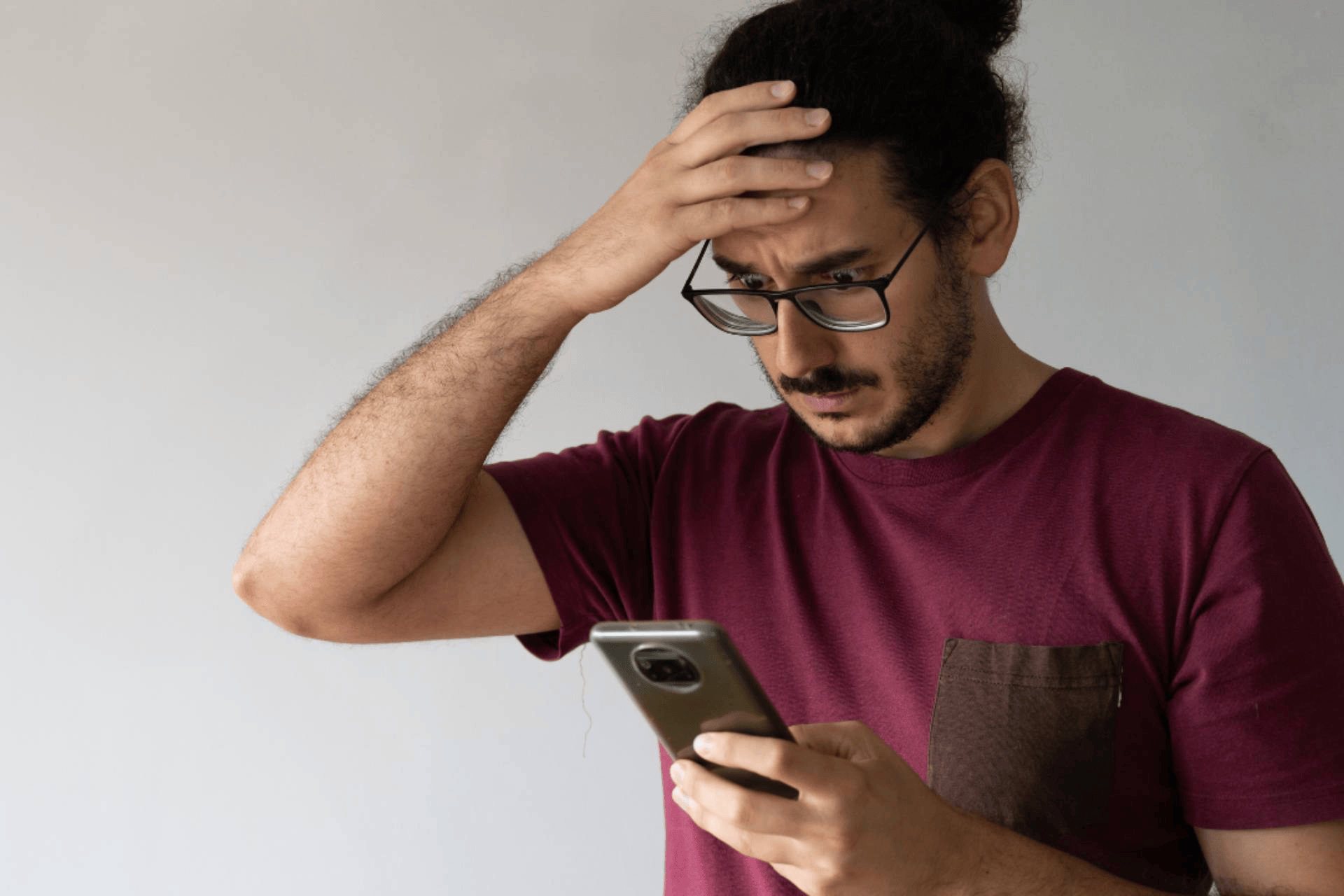
Double-texting becomes a problem when anxiety takes the wheel. You send one message. No reply. Then another. Then a “hello??” Then a paragraph explaining why you are hurt. By the time your partner checks their phone, they are walking into a courtroom they did not know existed.
This habit often comes from fear, not cruelty. People double-text because silence feels threatening. Their brain starts writing stories. “They’re ignoring me.” “They don’t care.” “Something is wrong.” The phone becomes a stage for every insecurity to perform.
A healthier approach is to create response expectations as a couple. Maybe work hours are slow-reply hours. Maybe urgent issues require a call. Maybe late-night messages can wait until morning. Clear rules calm the imagination. Without them, every delayed reply can start feeling like rejection.
Dropping Heavy Topics Into a Tiny Screen
Some conversations are too big for texting. Money stress, family conflict, betrayal, intimacy problems, resentment, and long-term plans need tone, pauses, facial expressions, and real-time listening. A phone screen can shrink a serious issue into a messy thread full of misunderstandings.
Text is great for opening the door. It is not always the best place to sit. You can say, “I want to talk about our budget tonight because I’ve been feeling stressed.” That works. What usually fails is sending twelve emotional paragraphs during someone’s lunch break and expecting a perfect response.
Heavy topics deserve better timing. They need a space where both people can listen without multitasking. Text the headline, then move the real conversation to a call or an in-person talk. That small shift can prevent a serious issue from turning into a digital boxing match.
Sending Late-Night Texts You Would Not Send in Daylight
Late-night texting has its own dangerous confidence. People get tired, lonely, emotional, bored, or drunk, then suddenly their phone becomes a confession booth. The message feels urgent at 1:12 a.m. By 9:00 a.m., it looks like a crime scene.
This habit hurts relationships because it often dumps unfiltered emotion onto the other person without care for timing or impact. A sleepy accusation, a jealous question, or a dramatic “we need to talk” message can wreck someone’s night and create a problem that didn’t need to happen.
The fix is simple but powerful. Draft the message somewhere else first. Put it in your notes app. Schedule it for the morning. Read it again when your brain has had sleep, water, and dignity. If the message still matters in daylight, send a cleaner version. If it does not, congratulations, you just saved your relationship from a midnight mess.
Texting Other People During Quality Time

This one stings because it happens in person. Your partner is sitting across from you, but your attention keeps slipping to your phone. You reply to friends during dinner. You check notifications during a movie. You scroll while they talk. You may still be physically present, but emotionally, you keep leaving the room.
Phone snubbing, often called phubbing, has been linked to lower relationship satisfaction, reduced quality time, more conflict, and feelings of emotional neglect. A 2025 meta-analysis in Frontiers in Psychology noted that excessive smartphone use can disrupt romantic relationships by lowering intimacy and increasing conflict.
The answer is not to throw your phone into the ocean. It is to create protected pockets of attention. Put the phone face down during meals. Set a quick check-in window. Turn on focus mode during serious conversations. Love often grows in the moments where someone feels chosen, and nothing says “I choose you” like giving your full attention when you could be distracted by everything else.
Conclusion
Texting does not ruin relationships by itself. Careless texting does. The danger comes from tiny habits that slowly make a partner feel ignored, confused, judged, or emotionally unsafe.
The good news is that small habits can heal the same places they hurt. Reply with a little more warmth. Take space without vanishing. Save big conversations for better settings. Put the phone down when your partner is right in front of you. In love, the smallest messages often carry the biggest emotional weight.