The U.S. military has faced a staggering blow in the ongoing conflict with Iran, with a recent Congressional report revealing the loss or damage of more than 40 aircraft during Operation Epic Fury. Fighter jets, drones, refueling tankers, and special operations helicopters have all been affected, driving total replacement costs close to $29 billion.
These losses shine a stark light on the financial, operational, and strategic pressures facing the U.S., raising urgent questions about air superiority, aircraft survivability, and long-term military planning.
F-15 and F-35 Fighter Jets Take the Hardest Hits
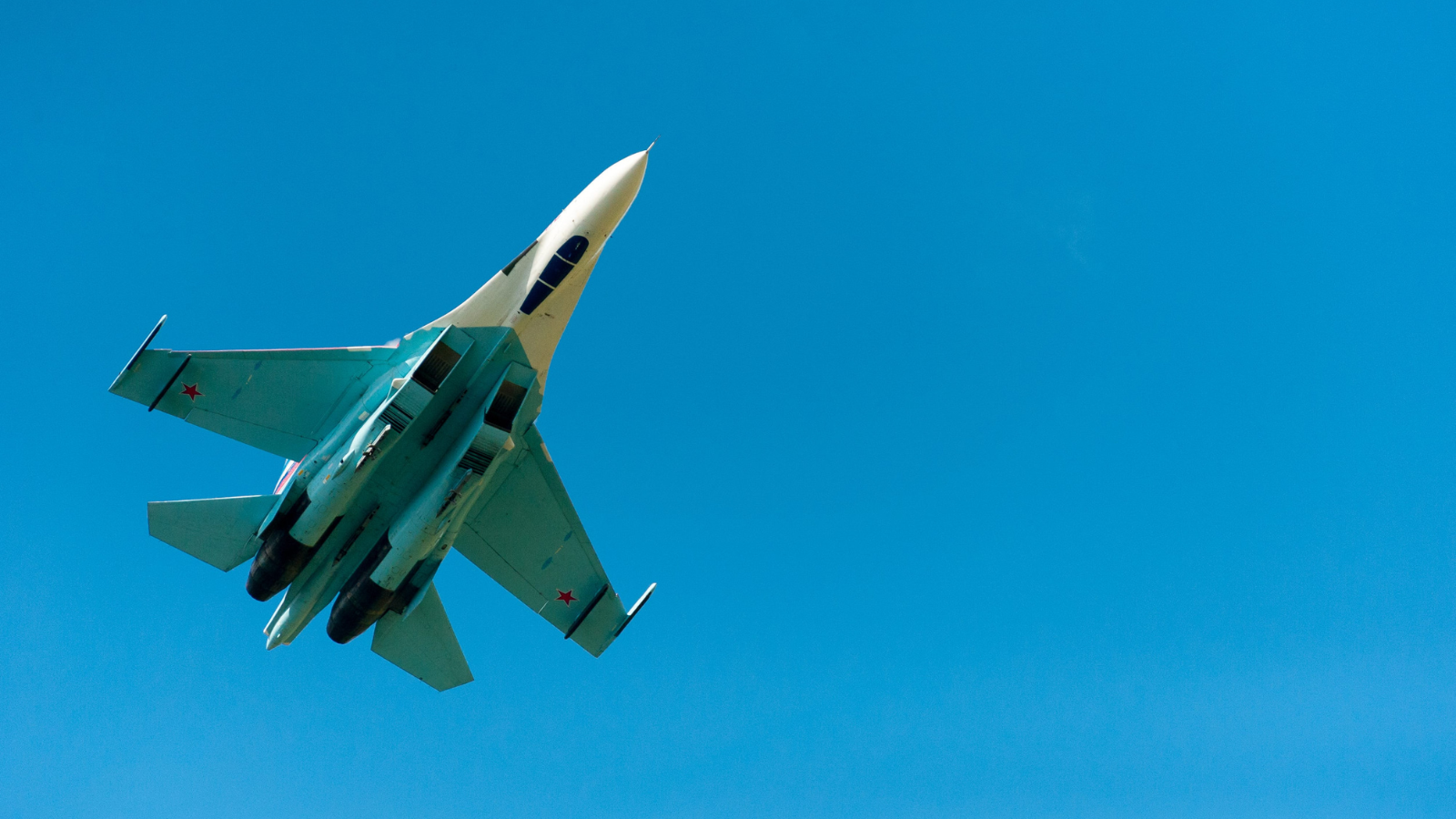
Four F-15E Strike Eagle jets and one F-35A Lightning II stealth fighter have been destroyed, along with an A-10 Thunderbolt II. The F-35 alone is valued at around $110 million, while F-15s now cost $65–70 million each after inflation.
Three F-15s were tragically shot down by friendly fire over Kuwait, with a fourth lost over Iran, totaling nearly $300 million. The destruction of these top-tier jets exposes vulnerabilities even in controlled airspaces and raises questions about the effectiveness of current combat protocols.
Drone Warfare Faces High Attrition
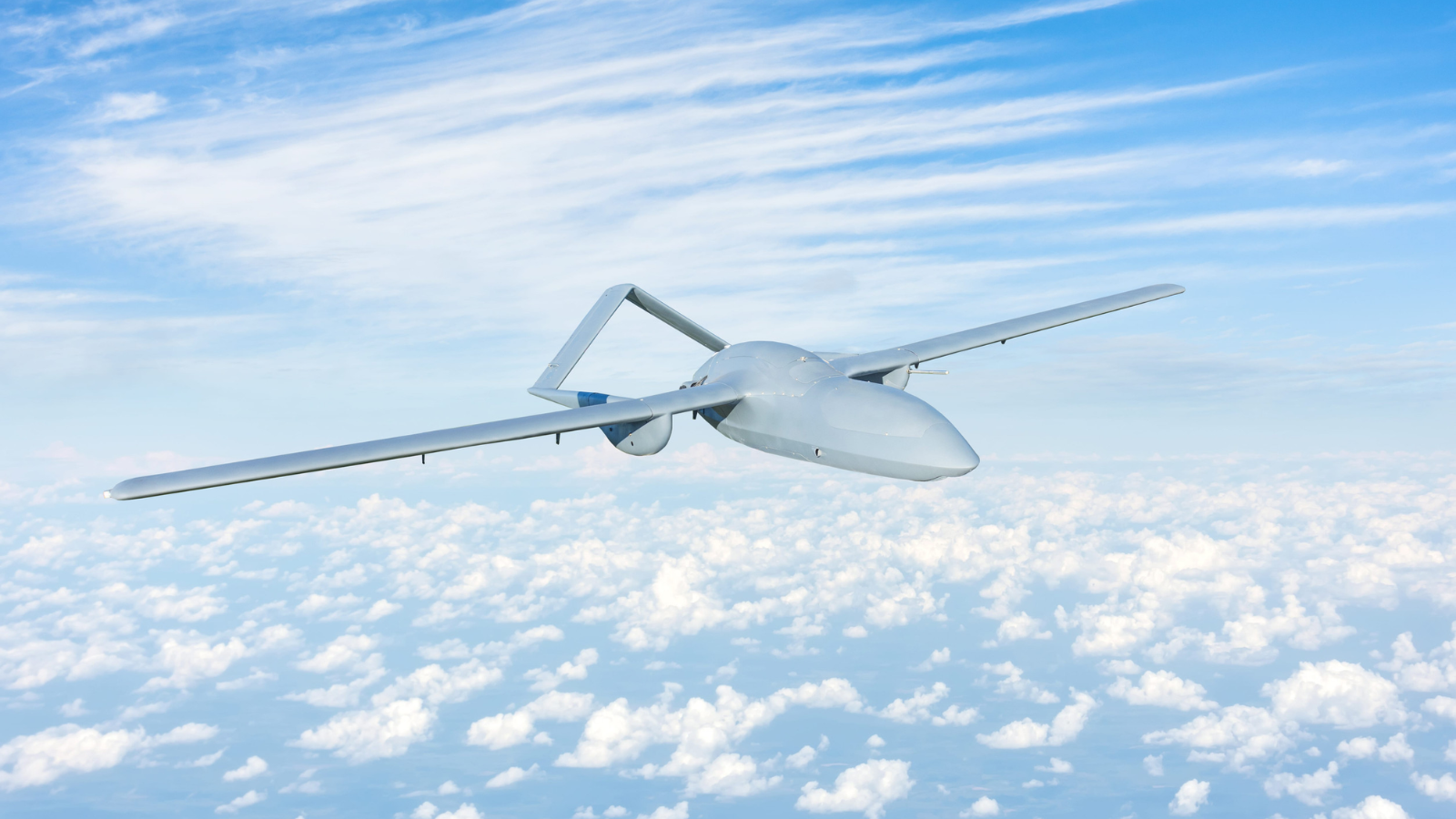
Unmanned systems have not fared any better. Twenty-four MQ-9 Reaper drones and one MQ-4C Triton surveillance drone have been lost, hampering intelligence, surveillance, and reconnaissance (ISR) operations.
These drones are critical for monitoring Iranian activity and guiding airstrikes, meaning their absence increases operational risks. The financial toll is immense, but the strategic gap they leave could be even more damaging in ongoing operations.
Refueling Capabilities Severely Disrupted
Seven KC-135 Stratotanker refueling aircraft were lost, including one that crashed in Iraq, killing six aircrew. Refueling aircraft are essential for maintaining long-range strike capacity, and the report estimates replacement costs around $1.8 billion.
The loss of these tankers complicates rapid deployment, reduces mission endurance, and strains logistical support for frontline aircraft.
Surveillance and AWACS Assets Compromised
The downing of an E-3 Sentry AWACS aircraft has diminished early warning and aerial surveillance capabilities. Without these high-tech assets, real-time intelligence is delayed, complicating decision-making and risk assessment.
The impact extends across multiple operations, from tracking adversary movements to coordinating air support for ground forces.
Combat Search-and-Rescue Capabilities Threatened
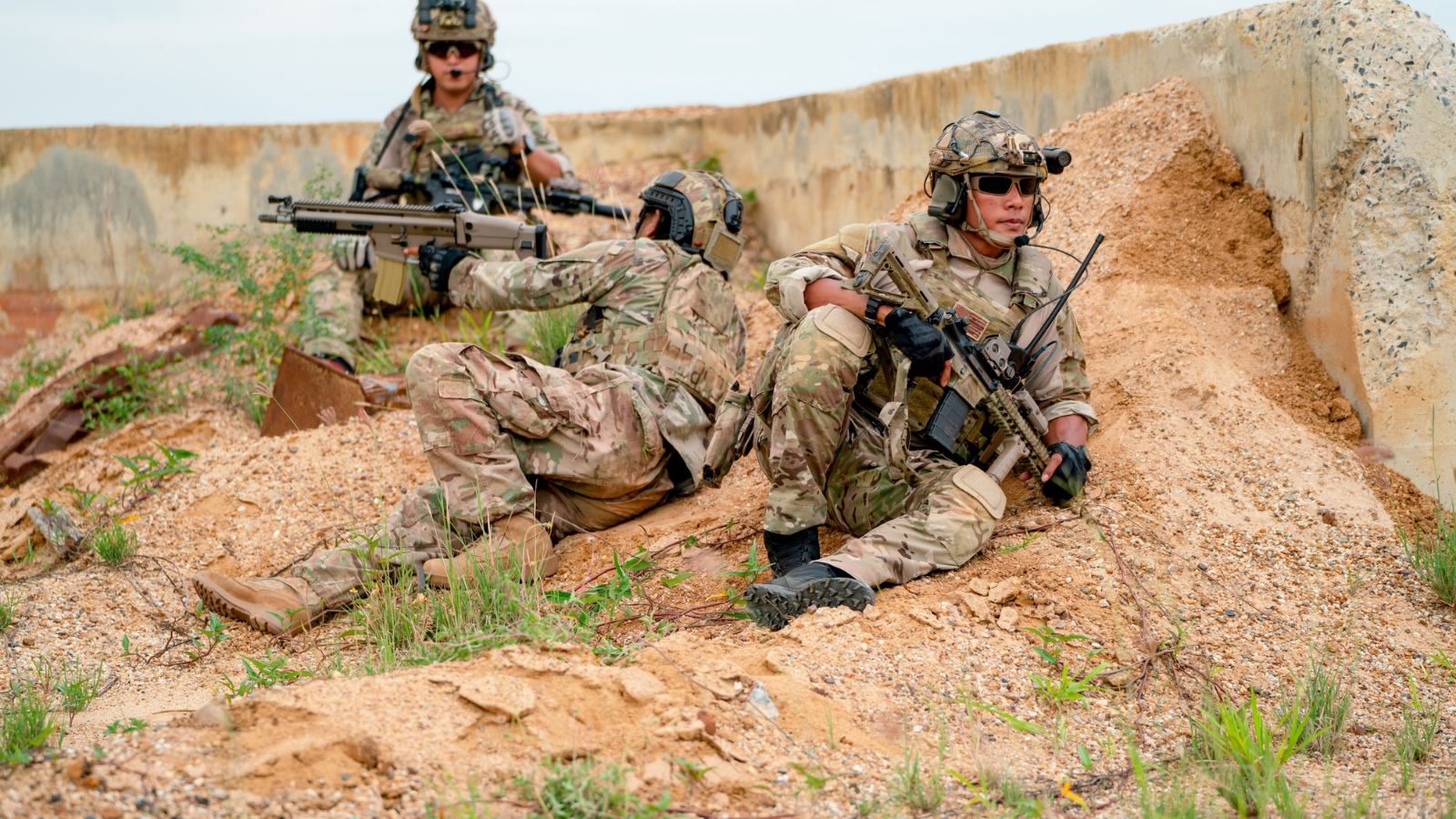
A HH-60W Jolly Green II helicopter was destroyed, along with two MC-130J Commando II aircraft used for special operations and personnel recovery. Losing these assets increases the danger for deployed troops and limits rapid extraction during combat, leaving soldiers and special forces more vulnerable.
Budgetary Shockwaves from Aircraft Losses
The Pentagon initially estimated $25 billion for repairs and replacements, later revising the estimate to $29 billion. Aircraft’s valuations vary, particularly planes no longer in production, but the financial pressure is undeniable.
Congress now faces tough decisions on supplemental funding, procurement adjustments, and reprogramming to fill critical capability gaps.
Iranian Reconstitution Accelerates Threat

U.S. intelligence confirms that Iran is rebuilding its military industrial base faster than expected, resuming drone production, and reconstructing missile sites.
This rapid reconstitution threatens U.S. air operations and suggests that future engagements could incur even higher aircraft losses. The evolving threat landscape demands updated strategies, stronger defenses, and enhanced ISR coverage.
Lessons for Future Military Strategy
The Congressional report emphasizes that aircraft losses provide insight into survivability in contested airspace and may influence procurement and deployment strategies. Balancing technological superiority, cost efficiency, and operational risk is now a top priority.
Military planners will need to reassess strategies for high-threat environments to ensure readiness while mitigating exposure to increasingly sophisticated adversaries.
Key takeaway: Losing over 40 aircraft in less than three months highlights the financial and operational strain of modern warfare. The U.S. must strengthen aircraft survivability, adapt ISR strategies, and prepare for adversaries capable of rapid military reconstruction.