A monthly subscription may seem inexpensive when it is purchased, but several small recurring payments can quietly take up a noticeable portion of a household budget.
Streaming services, music applications, cloud storage, software memberships, online publications, and shopping subscriptions are all examples of services that may automatically charge customers.
The problem is not necessarily that subscriptions are bad. Many people use them regularly and receive value from them. The difficulty comes when customers forget what they signed up for, overlook price increases, or continue paying for services they rarely use.
The Federal Trade Commission advises consumers to review free-trial conditions, automatic renewals, and cancellation requirements before signing up.
Here are eight subscription charges worth checking regularly.
Streaming Entertainment Services

Video streaming subscriptions are among the easiest recurring payments to overlook.
A household may subscribe to one service to watch a particular show and later add another platform for different movies or sporting events.
Over time, these monthly payments can add up, especially when family members maintain separate accounts.
Review the services currently being paid for and identify which ones are actually used.
If two platforms offer similar entertainment options, consider whether you need both. Some services also allow customers to pause memberships instead of paying continuously.
Music Streaming Memberships
Music applications can provide convenient access to songs, playlists and podcasts.
However, people sometimes keep paid subscriptions even after they stop using the service regularly.
Check whether you are paying for an individual, family, or student membership and whether the plan still matches the number of people using it.
If several household members pay separately, compare available family plans and their conditions.
The aim is not to cancel every service but to make sure the money being spent reflects actual use.
Cloud Storage Payments
Cloud storage subscriptions can be useful for storing photographs, videos, documents, and other digital files.
However, some customers purchase additional storage and later forget about the recurring charge.
Check which account is connected to the subscription and how much storage you’re using.
You may discover that you are paying for multiple storage services or maintaining a larger plan than necessary.
Before canceling, confirm where important files are stored and whether they have been backed up elsewhere.
Mobile Applications With Paid Features
Many mobile applications offer free versions alongside paid memberships.
These may include editing tools, productivity applications, language-learning platforms, and specialized services.
A customer might pay for a feature during a particular project and then forget to cancel when the need has passed.
Check your phone’s subscription settings and review which applications have active recurring payments.
Remember that deleting an application from your phone does not necessarily cancel the subscription. You may need to cancel through the platform or the company that manages the billing.
Online Shopping Memberships
Shopping memberships sometimes include delivery benefits, exclusive discounts, or access to special offers.
They can be useful for customers who regularly purchase products from the same retailer.
However, someone who initially joined for one purchase may continue paying long after the original reason has disappeared.
Check the renewal date, annual fee, and included benefits.
Compare the subscription cost with the amount you actually save through its discounts or delivery offers.
Digital Newspaper and Magazine Subscriptions
Digital publications frequently offer introductory prices to attract new readers.
The promotional price may last for a limited period before the subscription renews at a different rate.
The FTC advises customers to understand automatic-renewal conditions before accepting free trials or promotional offers.
Review your publication subscriptions and check whether the current price still matches what you originally agreed to pay.
If you no longer read a publication regularly, consider whether keeping the subscription makes sense.
Fitness and Entertainment Platform Memberships
Some people subscribe to online classes, workout platforms, gaming services, or entertainment memberships for specific activities.
The payment may continue even after the person changes interests or stops participating.
Review the membership history and identify services that have not been used recently.
Check whether the company offers a pause option, a cheaper plan, or a cancellation process that allows you to return later.
Don’t assume a service will stop charging just because you stopped opening it.
Free Trials That Automatically Become Paid Plans
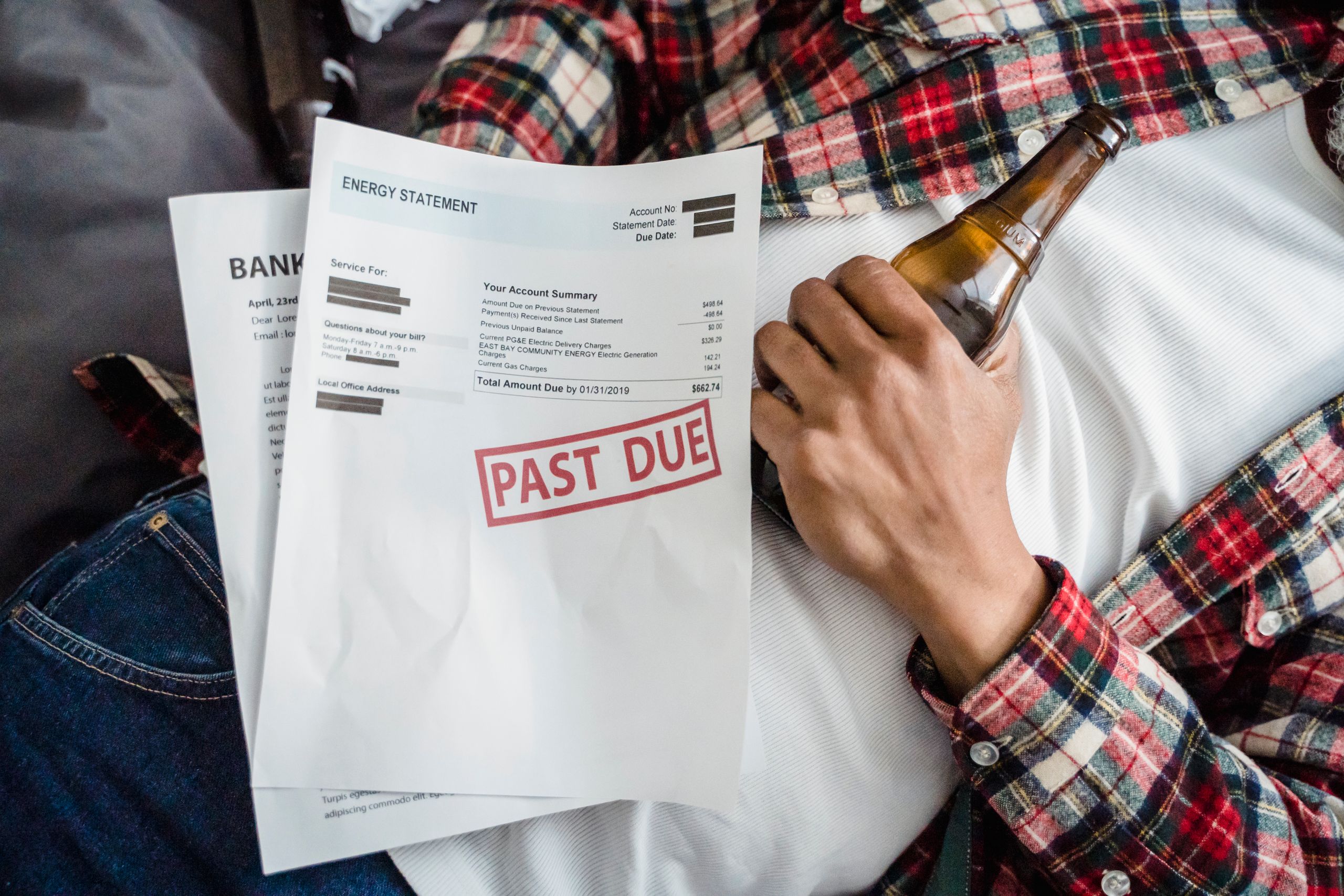
Free trials are designed to let customers explore a service before committing to a paid subscription.
However, many trials require payment details during registration and automatically convert into paid memberships if they are not canceled before the deadline.
The FTC explains that customers should read the terms carefully, understand when billing begins, and keep records of cancellation requests.
Before accepting a free trial, note the end date and check how cancellation works.
If you decide not to continue, cancel before the stated deadline and keep any confirmation email or reference number.
How to Review Your Subscriptions
Start by checking your bank statements, debit card transactions, and mobile application subscription settings.
Create a list of every recurring payment, including its amount, billing date and renewal frequency.
Then decide which services are essential, which provide occasional value, and which can be canceled.
If a company continues charging you after you have properly canceled, contact the provider and your payment institution. The FTC also provides guidance on reporting unwanted subscription charges.
Final Thought
Subscriptions can make everyday life more convenient, but forgotten memberships can gradually increase monthly expenses.
Reviewing recurring payments regularly gives households a clearer picture of where their money is going. A few minutes spent checking statements can help you spot services you no longer use and avoid unnecessary charges.