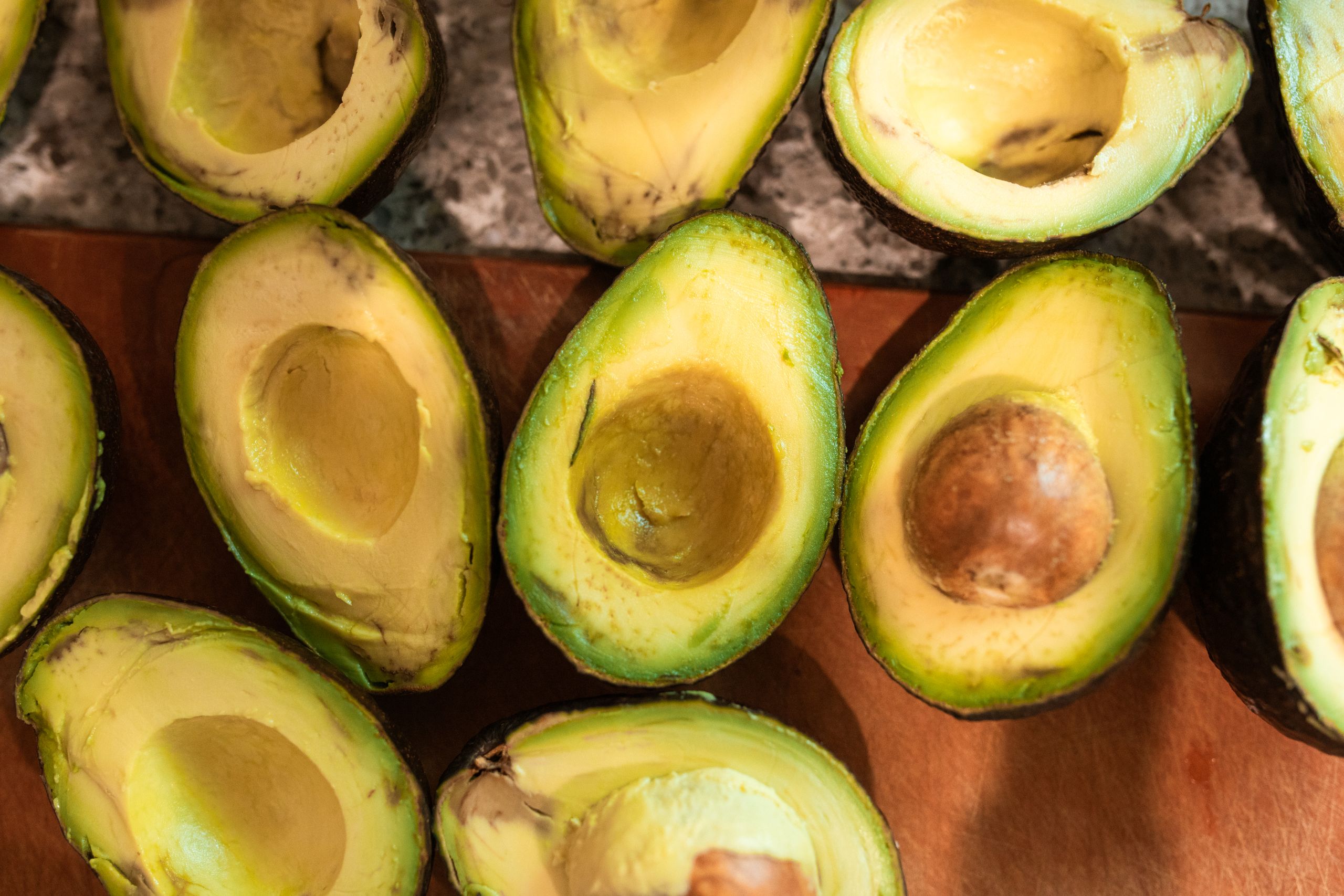
Avocados have been sold to us as the clean, creamy symbol of modern healthy eating. We spread them on toast, mash them into guacamole, slice them into salads, blend them into smoothies, and treat them like the soft green answer to everything from heart health to better lunches. The fruit has become so normal in American kitchens that we rarely pause to ask what sits behind its polished supermarket image.
Yet the avocado story is far more complicated than the wellness glow around it suggests. Behind that buttery texture are serious concerns about water use, deforestation, organized crime pressure, hidden calories, allergy risks, food waste, and a supply chain that can stretch across borders before the fruit lands in a grocery cart. Avocados can still belong in a balanced diet, but we should understand the full price of eating them so often.
The Water Cost Can Be Brutal in Dry Growing Regions
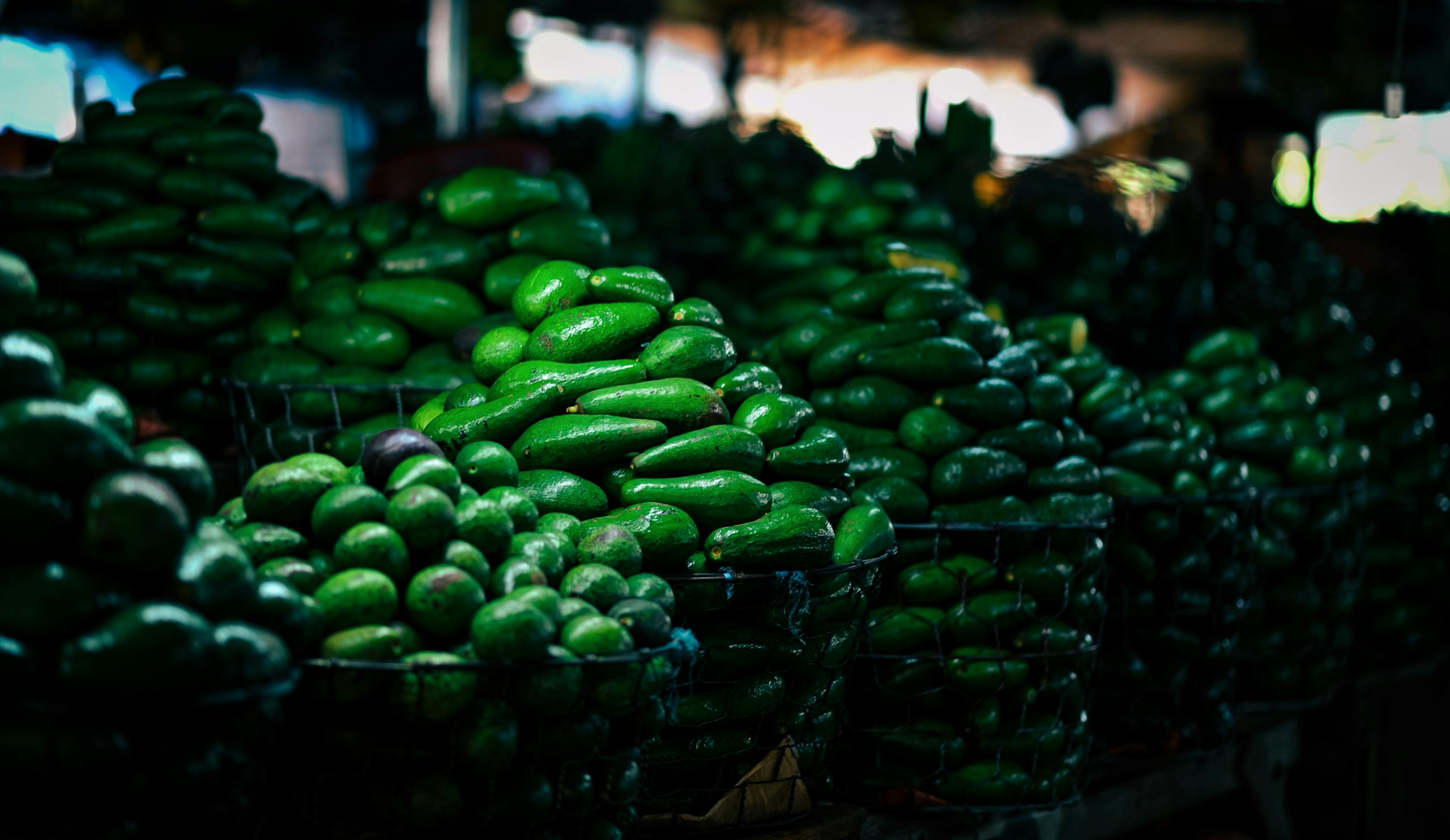
The creamy texture of an avocado hides one of its biggest controversies: water. Avocado trees need reliable moisture, and that becomes a serious problem when production expands in regions already facing drought, shrinking streams, and competition between commercial farms and local communities. When we buy avocados casually, we may not see the water pressure behind them, but growers, small farmers, and nearby residents often feel it first.
This does not mean every avocado is automatically irresponsible. It means the growing region matters. An avocado produced under better water management is not the same as one tied to illegal pumping, stressed aquifers, or irrigation that deprives nearby communities. As demand rises, the question is no longer simply whether avocados are healthy for us. We also have to ask whether the land producing them can keep paying the environmental bill.
Illegal Orchards Have Turned Some Avocados Into a Deforestation Problem
Avocado farming becomes far more troubling when forests are cleared to make room for orchards. In parts of Mexico, the pressure to satisfy export demand has encouraged illegal land conversion, with pine forests and biodiverse landscapes replaced by profitable avocado trees. That shift can damage wildlife habitat, reduce natural water retention, weaken soil health, and make local ecosystems less resilient.
The danger is that deforestation does not always show up on a fruit label. A perfect avocado in a supermarket bin may look clean, fresh, and harmless, even though the supply chain behind it can be difficult for shoppers to trace. That is why sustainability claims matter. If companies sell avocados as “responsibly sourced,” we should expect serious proof, not soft green branding wrapped around a messy reality.
Organized Crime Pressure Has Tainted the Avocado Trade
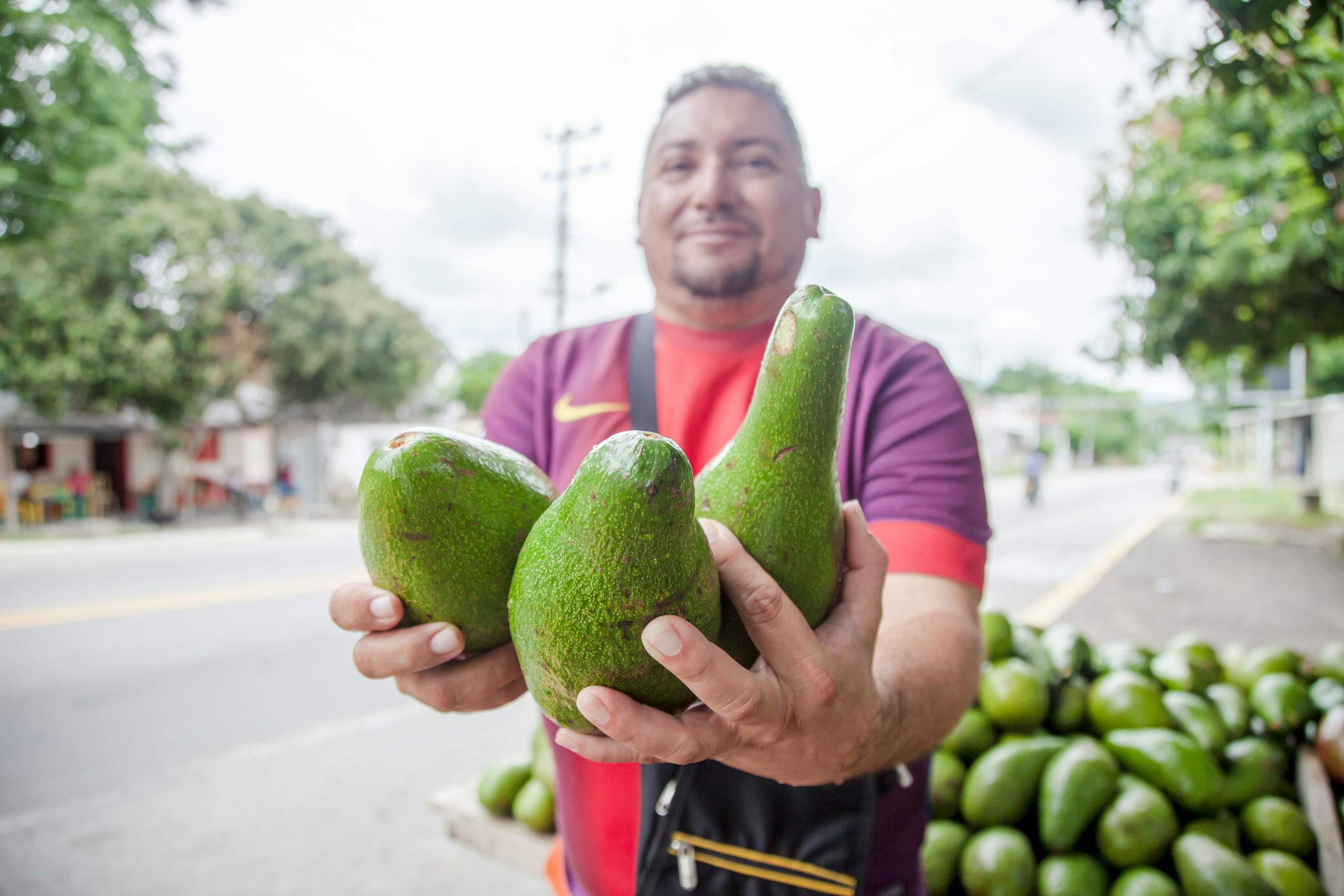
The avocado boom has created enormous profits, and wherever profits rise quickly, exploitation can follow. In some producing regions, criminal groups have been accused of extorting growers, influencing local trade, and using intimidation to control parts of the supply chain. This makes the fruit far more politically and socially complicated than its friendly brunch image suggests.
For consumers, the difficult truth is that food can carry hidden power struggles. The avocado on a plate may have passed through farmers, packers, inspectors, exporters, transporters, and retailers before reaching us. If parts of that chain are affected by violence or coercion, the real cost becomes bigger than the price at checkout. We are not just buying flavor. We are participating in a global system that deserves more transparency.
Avocados Can Quietly Add More Calories Than People Realize
Avocados are nutritious, but they are not calorie-free magic. Their healthy fats make them satisfying, but those same fats also make them energy-dense. A few slices on toast can be reasonable, but a large scoop of guacamole, half an avocado in a salad, and avocado oil dressing on the same day can quickly push a meal beyond what many people intended.
The problem is not the fruit itself. The problem is the health halo surrounding it. When a food is labeled “good fat,” people often stop measuring it. We should treat avocados as a rich ingredient, not an unlimited green garnish. Used thoughtfully, they can support a balanced diet. Used carelessly, they can turn a light meal into a surprisingly heavy one.
Some People With Kidney Concerns Need to Be Careful
Avocados are naturally high in potassium, which is helpful for many people but not ideal for everyone. People with certain kidney problems may need to monitor potassium intake closely, especially if blood tests show elevated levels. For them, avocado is not automatically forbidden, but it should be handled with medical guidance rather than casual internet advice.
This is where healthy eating becomes personal. A food that supports one person’s diet can complicate another person’s condition. We should avoid treating avocados as universally perfect. Anyone managing chronic kidney disease, high potassium, or a medically restricted diet should ask a qualified health professional how much avocado is safe and how often it fits.
The Import Dependence Makes Prices and Supply Fragile
The United States depends heavily on imported avocados, especially from Mexico. That reliance keeps supermarket bins stocked through much of the year, but it also creates vulnerability. Weather problems, border delays, inspection issues, labor disruptions, security threats, trade restrictions, or disease pressures can quickly affect supply and prices.
This is why avocados can swing from affordable to frustratingly expensive. When one region dominates supply, shoppers feel the impact when that region faces trouble. We may think of avocados as an ordinary grocery staple, but the supply chain behind them is anything but simple. It is international, weather-sensitive, politically exposed, and highly dependent on smooth cross-border movement.
Avocado Allergies Can Catch People Off Guard

Avocado allergies are not the most common food allergy, but they can be serious for those affected. Some people experience itching, swelling, stomach discomfort, hives, or stronger reactions after eating avocado. Others may react because of cross-sensitivity linked to latex or certain fruits, which makes the issue harder to predict.
The tricky part is that avocado now appears in more places than people expect. It can show up in dips, smoothies, sushi rolls, dressings, vegan desserts, spreads, sauces, and even beauty products containing avocado oil. For someone sensitive to it, the fruit is not just a brunch ingredient. It becomes something they have to watch for carefully.
The “Healthy Fat” Label Can Distract From Better Balance
Avocados deserve credit for their unsaturated fats, fiber, and useful nutrients. Still, the modern obsession with them can crowd out other affordable, nutrient-rich foods. Beans, lentils, nuts, seeds, olive oil, eggs, leafy greens, and seasonal vegetables can all play important roles in a balanced diet, often at a lower cost and with less supply chain drama.
We should stop treating avocado as the mandatory badge of healthy eating. A meal does not become smarter just because it has avocado on top. True nutritional quality comes from variety, portion control, and consistency. Avocado can help, but it should not become the only symbol of wellness on the plate.
Food Waste Makes the Avocado Habit Even More Expensive
Avocados are famously unforgiving. They can sit rock-hard for days, ripen while no one is paying attention, and turn brown just when we finally want to use them. That short window creates household waste, especially when people buy bags of avocados instead of one or two pieces they can realistically eat.
Waste matters because the fruit already carries water, labor, transport, refrigeration, and packaging costs. Throwing away an overripe avocado means wasting more than a few dollars. It means wasting the resources behind it. Smarter buying, better storage, and realistic meal planning can make avocado consumption less wasteful and less expensive.
Demand Can Put Small Farmers Under Pressure
High demand can bring income to farming communities, but it can also reshape local economies in uncomfortable ways. When one export crop becomes extremely profitable, land values rise, water competition grows, and smaller producers may struggle to compete with larger commercial operations. Communities can become dependent on one crop that is vulnerable to disease, climate stress, market shifts, and political disruption.
This is the quieter side of the avocado boom. A product that feels like a harmless grocery trend in one country can change land use, labor patterns, and local power dynamics in another. We should care about those consequences because food trends are never isolated. They travel through farms, families, roads, rivers, forests, and markets before they reach us.
Avocado Farming Can Stress Biodiversity
Turning diverse landscapes into intensive avocado orchards can reduce biodiversity. Forests, mixed farms, and native vegetation support birds, insects, soil organisms, and other wildlife that keep ecosystems balanced. When land is simplified into one dominant crop, nature loses complexity, and that loss can create long-term environmental damage.
This does not mean avocado orchards are always destructive. Better farming practices can reduce harm through legal land use, responsible irrigation, tree cover protection, soil conservation, and stronger oversight. The concern is rapid expansion without enough accountability. When demand moves faster than regulation, ecosystems often pay first.
The Brunch Culture Around Avocados Can Hide Bigger Costs

Avocado toast became a cultural joke, then a lifestyle symbol, then an everyday menu item. Restaurants can charge a premium for it because the fruit signals freshness, wellness, and modern taste. But the branding can make people overlook how simple the dish really is: bread, avocado, seasoning, maybe an egg, and a markup.
This matters because avocado has become more than food. It has become a status ingredient. We see it in trendy cafes, fitness meals, clean-eating posts, and luxury grocery displays. That image can detach the fruit from its deeper consequences. The more glamorous avocado becomes, the easier it is to forget the water, land, labor, and trade pressures behind it.
Conclusion
Avocados are not villains, but they are not innocent little superfoods either. Their rise has brought health benefits, farming income, and global popularity, but it has also created serious questions about water use, forest loss, crime pressure, supply chain transparency, price volatility, allergies, kidney concerns, and food waste.
We can still enjoy avocado toast, guacamole, salads, and creamy green sauces. We simply should not eat them with our eyes closed. The real lesson is not to abandon avocados completely. It is important to understand that even the trendiest healthy foods can carry hidden costs when demand grows faster than responsibility.