Owning a car can feel like freedom until maintenance, repairs, and hidden costs pile up. Many drivers overlook warning signs that make their vehicles more expensive than they realize. Understanding the 10 worrying signs your car is costing you more than it is worth can save money and prevent frustration.
From constant repairs to inefficient performance, small problems add up fast. Each sign carries hidden expenses that eat into your budget and daily convenience. Recognizing these issues early helps you make informed decisions about whether to keep, repair, or replace your car.
Frequent Repairs and Unexpected Breakdowns

A car that demands constant repairs quickly becomes a financial burden. Oil leaks, engine problems, and suspension issues drain wallets and time. Ignoring recurring problems increases the likelihood of major failures that could have been prevented.
Repair bills often escalate when minor issues are neglected. A simple fix today can become a complex problem tomorrow. Buyers who track maintenance history can spot patterns and avoid expensive surprises.
Even if the car runs, repeated breakdowns lower reliability. Towing, emergency fixes, and repair visits consume both money and energy. Assessing repair frequency helps determine whether the vehicle is worth keepin
Poor Fuel Efficiency
Low miles per gallon translates to high costs at every stop. Older models or poorly maintained engines consume more fuel than modern alternatives. Over time, these costs surpass the savings from buying a used or cheaper vehicle.
Fuel-efficient cars reduce monthly spending and environmental impact. Ignoring efficiency wastes resources and increases stress over fluctuating gas prices. Tracking fuel consumption highlights whether a car is a financial drain.
Drivers often overlook small changes in mileage. A gradual decline signals engine strain or improper maintenance. Acting early prevents ongoing losses and unnecessary expenses.
High Insurance Premiums
Expensive coverage adds to total ownership costs, especially for older or high-risk vehicles. Frequent claims, accident history, and model type influence premiums. Many drivers fail to factor insurance costs into their car purchases, leading to unexpected financial strain.
Some cars are costly to insure due to safety ratings or repair costs. Failing to compare insurance options can make a vehicle less affordable than anticipated. Regularly reviewing premiums ensures the car remains financially viable.
Insurance costs also reflect potential repair risks. Cars with poor safety or high theft rates attract higher premiums. Evaluating coverage early protects budgets and avoids surprises.
Frequent Tire Replacements
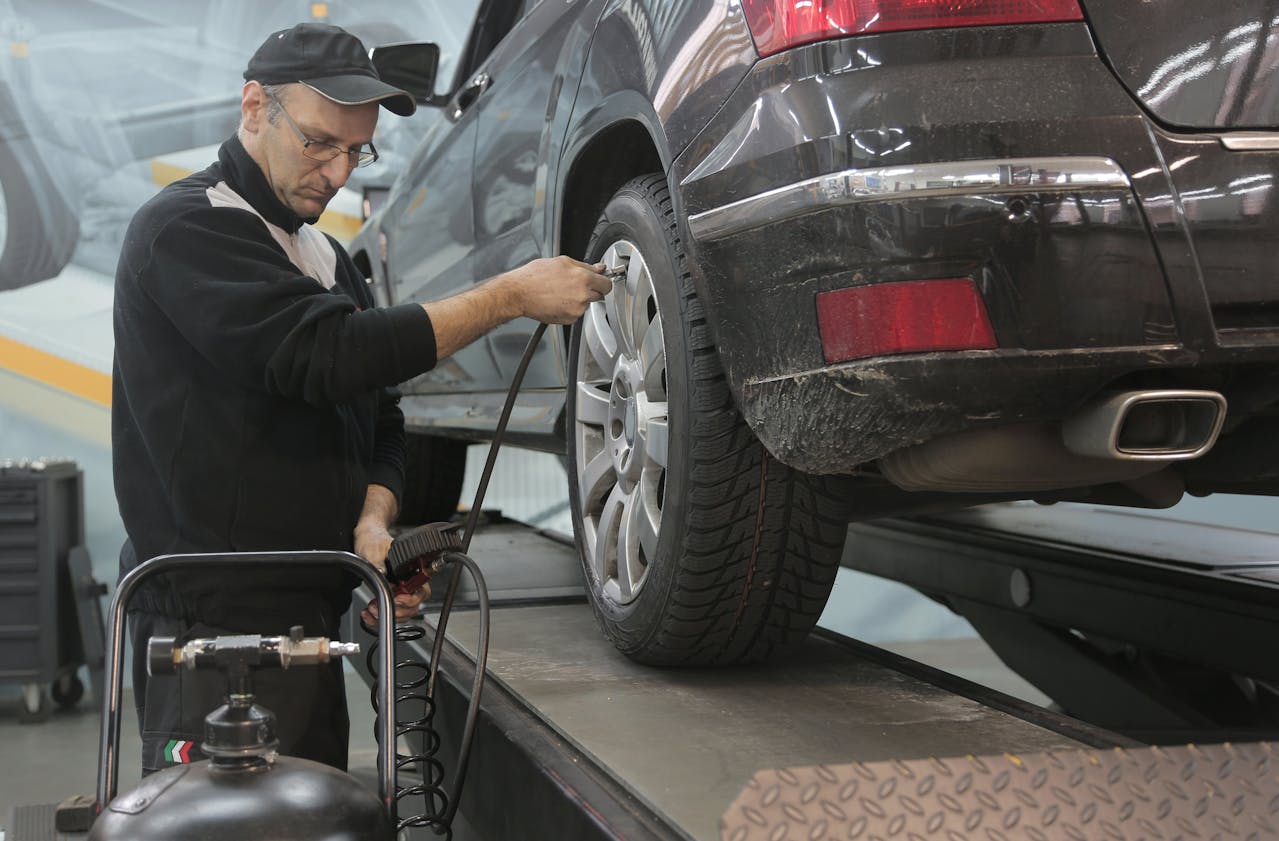
Worn or uneven tires lead to extra expenses and compromise safety. Poor alignment, heavy driving, or cheap replacements result in repeated purchases. Ignoring tire wear risks accidents and increases repair costs.
High-quality tires last longer but require an upfront investment. Skipping inspections allows small issues to worsen quickly. Regular checks keep drivers safe and reduce long-term expenses.
Proper tire maintenance also improves fuel efficiency and handling. Uneven tire wear indicates deeper mechanical problems. Addressing these issues prevents multiple layers of cost.
Decreasing Resale Value
Cars that lose value rapidly cost more in the long run. Accidents, poor maintenance, and outdated technology lower market appeal. Selling a vehicle under these conditions often results in financial loss.
Drivers underestimate the effect of cosmetic damage and neglected services. A car with visible wear attracts lower offers from buyers. Maintaining appearances and service history maximizes resale potential.
Resale value also affects trade-in and financing options. Vehicles with a high depreciation limit future buying power. Monitoring value trends ensures smarter ownership decisions.
Hidden Mechanical Issues
A car may appear functional while hiding costly internal problems. Transmission wear, brake system issues, and engine stress can escalate expenses. Many owners discover these problems only after significant damage occurs.
Listening for unusual noises, monitoring fluid levels, and checking performance help identify hidden faults. Ignoring these signs leads to emergency repairs. Early detection reduces repair costs and preserves vehicle longevity.
Regular diagnostic checks also reveal issues before they compromise safety. A proactive approach prevents minor problems from becoming catastrophic. Understanding mechanical health protects both money and security.
Expensive Parts and Labor

Luxury or older vehicles often require costly replacement parts. Labor-intensive repairs further increase total expenses. Many drivers fail to consider these costs before committing to a purchase.
Hard-to-find or outdated parts command premium prices. Even routine maintenance may require specialized labor. Knowing potential expenses helps prevent budget surprises.
Choosing a car with accessible parts and service options saves money. High-cost repairs compound financial stress over time. Evaluating these factors ensures a sustainable ownership experience.
Persistent Warning Lights
Dashboard warnings indicate problems that require attention. Ignoring alerts like check engine, ABS, or tire pressure lights leads to bigger issues. Many drivers dismiss these signals, thinking they are minor inconveniences.
Warning lights communicate critical information about vehicle health. Failure to respond increases repair costs and potential danger. Addressing alerts promptly prevents small issues from escalating.
Regular monitoring improves both safety and financial outcomes. Cars with unresolved warnings are at risk of breakdowns or accidents. Paying attention to these signs protects drivers and investments.
Uncomfortable Driving Experience
A car that vibrates, pulls to one side, or handles poorly can be costly in both repairs and stress. Suspension, alignment, or frame problems affect comfort and safety. Ignoring these signs allows the issues to worsen, making driving unpleasant.
Comfort also reflects underlying mechanical health. Steering stiffness, brake resistance, or strange noises indicate hidden damage. Evaluating driving quality helps determine whether the car is a financial liability.
Persistent discomfort affects long-term enjoyment and resale value. A smooth and responsive ride signals a healthier car. Making informed decisions reduces unnecessary spending and frustration.
Poor Maintenance History
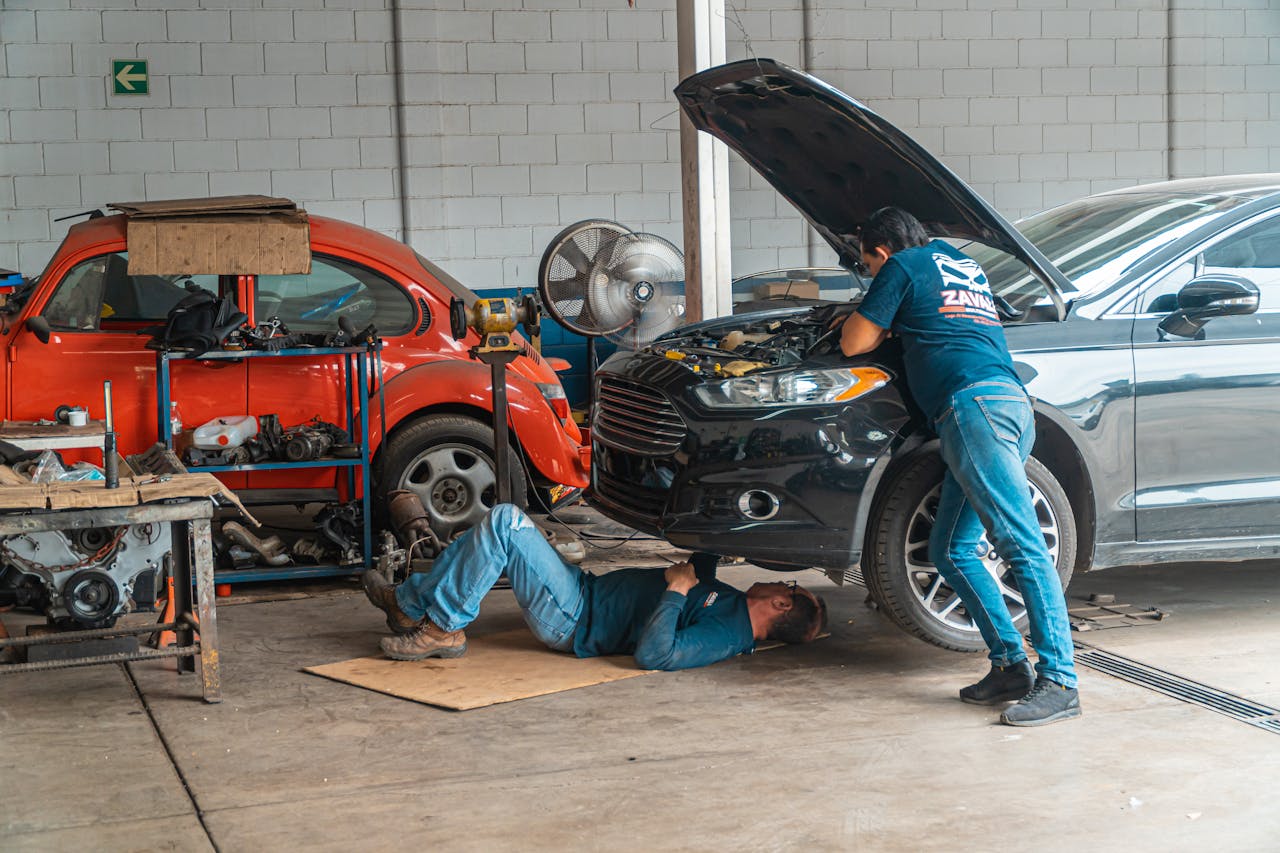
A neglected service schedule can make a car more expensive than it seems. Missing oil changes, delayed inspections, and skipped repairs increase risks and costs. Many buyers overlook maintenance records when assessing vehicle value.
Regular documented service ensures reliability and reduces future expenses. Cars without a clear history often carry hidden problems. Inspecting records protects owners from unexpected financial burdens.
Maintenance also correlates with safety and performance. A well-maintained car delivers longer life and fewer surprises. Reviewing history is a crucial step before purchase or continued ownership.
Conclusion
Owning a vehicle comes with ongoing responsibilities, but ignoring warning signs unnecessarily inflates costs. The 10 worrying signs your car is costing you more than it is worth highlight areas to monitor carefully. From frequent repairs to poor maintenance to high insurance costs, each factor influences financial and personal well-being.
Awareness and proactive evaluation prevent small problems from becoming expensive disasters. Checking fuel efficiency, mechanical health, and documentation ensures a balanced cost of ownership. By paying attention to these warning signs, drivers maintain safety, save money, and make informed choices about whether to keep, repair, or replace their car.