A woman should not need a safety routine to live a normal day. She should not have to hold her keys between her fingers in a parking lot. She should not have to share her location before a date. She should not have to cover her drink, check the back seat, avoid certain streets, or laugh off a creepy comment to get through work.
Yet many women in America do this every day.
They move through ordinary spaces with a second mind running in the background. One part of the mind handles life. The other scans the room. Who is behind me? Where is the exit? Did he follow me? Is my phone charged? Can my friend still see my location?
This is not about saying every place is dangerous. It is not about saying every man is a threat. It is about recognizing the spaces where women often have to stay alert in ways many people never notice. Safety should not feel like homework. For too many women, it still does.
Homes where fear hides in plain sight
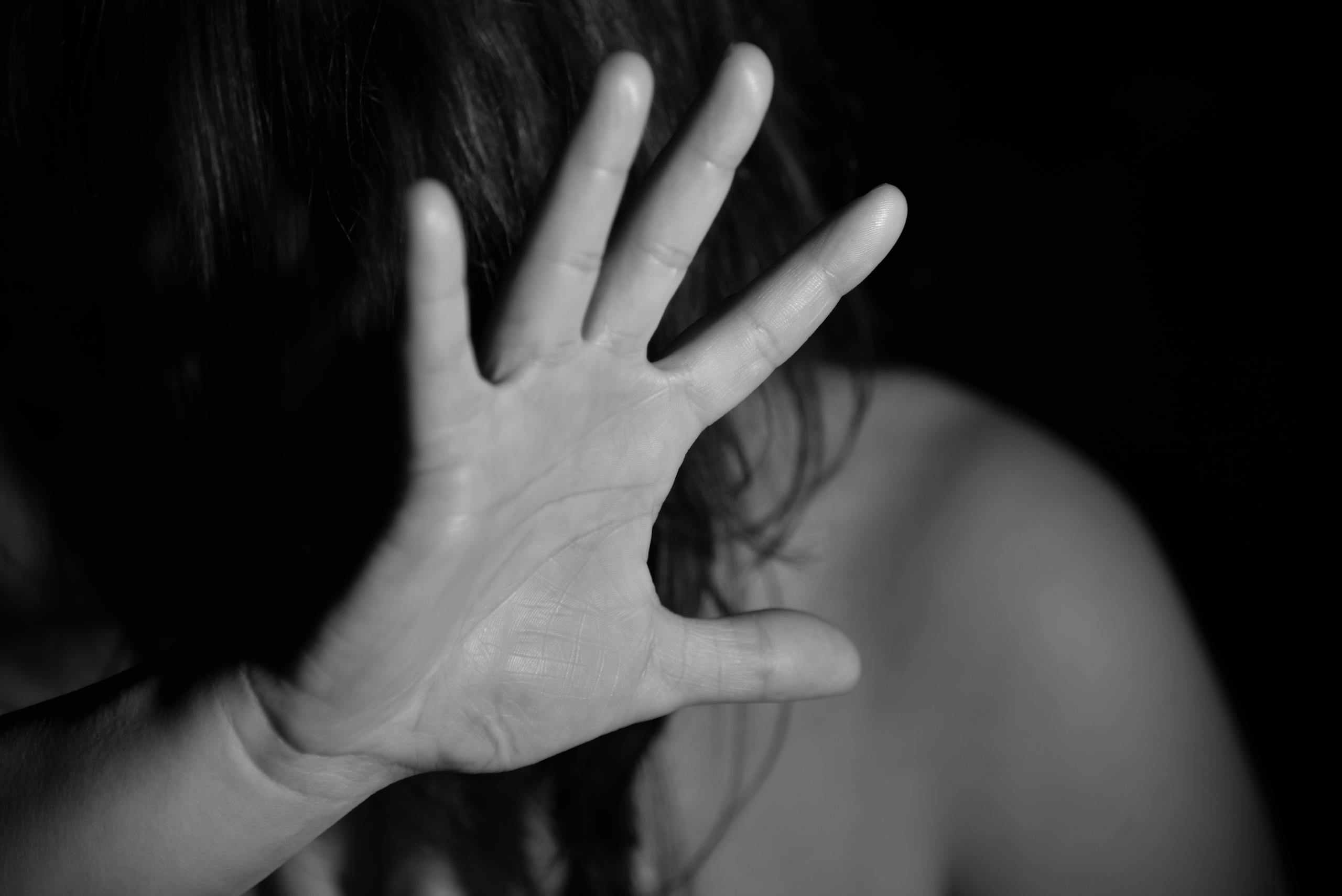
Home should feel like the safest place in the world. For many women, it does. For others, it becomes the place where fear begins. That is what makes abuse at home so disturbing. It can happen in a kitchen, a bedroom, a driveway, or a living room that looks peaceful from the street.
Danger at home can be hard for outsiders to see. A woman may smile at work. She may answer texts. She may post family photos .<|join|>She may post family photos. Then she may return to a house where every word, delay, bill, or phone notification can trigger fear.
Recent national data shows that millions of women experience intimate partner violence in the U.S., including sexual violence, physical violence, or stalking by a partner. That is why home cannot be left out of this conversation. Danger does not always wait in a dark parking lot. Sometimes it has a key.
Workplaces where harassment gets dressed up as humor
Work should be about skill, effort, and earning a living. It should not feel like a place where women have to dodge creepy jokes, unwanted touching, private messages, or pressure from someone who controls their schedule.
Workplace harassment often hides behind the excuse of “just joking.” A comment gets laughed off. A stare gets ignored. A message gets deleted. A woman may stay quiet because she needs the job, the hours, the reference, or the promotion.
That is what makes it so heavy. The risk is not only emotional. It can become professional. Speaking up may feel like risking income, reputation, or career growth. Workplace data shows that women file most sexual harassment charges, which reflects how deeply this issue still affects women at work.
College campuses after dark<|join|>College campuses after dark
College is supposed to feel like freedom. New friends. Dorm rooms. Late-night study sessions. Football games. Coffee runs. First apartments. A life that starts feeling bigger.
But many women learn another lesson quickly. Do not walk alone late. Watch your drink. Text when you get home. Avoid that party. Do not trust every familiar face.
Campus danger often feels confusing because it can come from people inside the same social world. A classmate. A friend of a friend. Someone from a party. Someone everyone else seems to like. Campus climate surveys show that sexual assault and misconduct remain serious concerns across major universities.
That reality can change the college experience. It can turn independence into caution. It can make women plan their nights around safety instead of joy.
Online spaces that bring harassment home
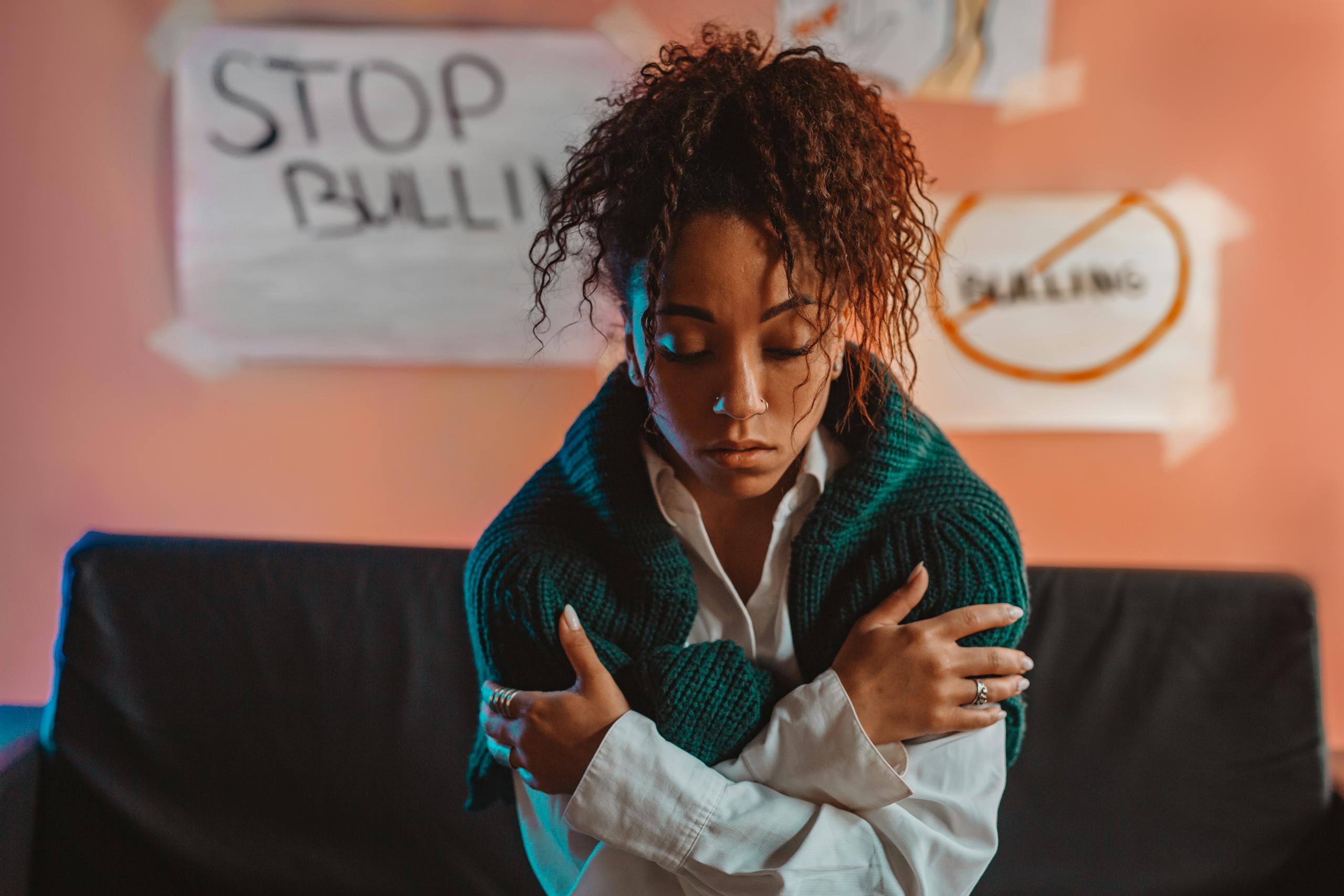
The internet should enable women to build careers, share ideas, make friends, run businesses, and speak freely. Instead, online spaces can turn hostile fast.
A woman posts an opinion. A stranger sends threats. She rejects a message. He keeps going. She shares a photo. Someone makes it sexual. She blocks one account. Another appears.
The worst part is that online harassment does not always stay online. It can become doxxing, stalking, image abuse, workplace trouble, or real-world fear. A woman can close the app and still feel unsafe. Public polling has found that many Americans have faced online harassment, and women often experience abuse that is sexual, threatening, or deeply personal.
For women, the screen can feel less like a barrier and more like another door someone can force open.
Streets where harassment feels routine
Walking outside should not feel like entering a stage. A woman should be able to buy coffee, jog, wait for a bus, or walk home without being followed, filmed, touched, shouted at, or cornered.
Yet street harassment is so common that many women treat it as part of public life. They cross the street. They avoid eye contact. They take longer routes. They change clothes before leaving. They pretend not to hear.
That kind of fear shrinks freedom. It makes a normal sidewalk feel manageable. A national study found that many women reported street harassment in public, including verbal harassment, being followed, and unwanted touching.
The damage is not only in the moment .<|join|>The damage is not only in the moment. It is about how women change their lives to avoid the next one.
Public transit stops and empty stations
Public transit should make life easier .<|join|>Public transit should make life easier. It gets people to work, school, appointments, stores, and home. But for many women, transit can feel risky, especially at night or in isolated stations.
A nearly empty train platform can feel different when someone keeps staring. A crowded bus can feel different when someone stands too close. A late-night stop can feel different when the next ride is 20 minutes away.
The problem is not just fear. It is a limited choice. If a woman avoids a bus route, a train station, or a late shift because she feels unsafe, it affects her work, money, school, and independence. Research on transit safety has found that harassment on public transit can shape how women travel, where they wait, and when they feel able to move freely.
Transit safety is not only about cameras and lights. It is about whether women can move through public life without feeling trapped between risk and necessity.
Bars, clubs, and parties where fun can turn unsafe
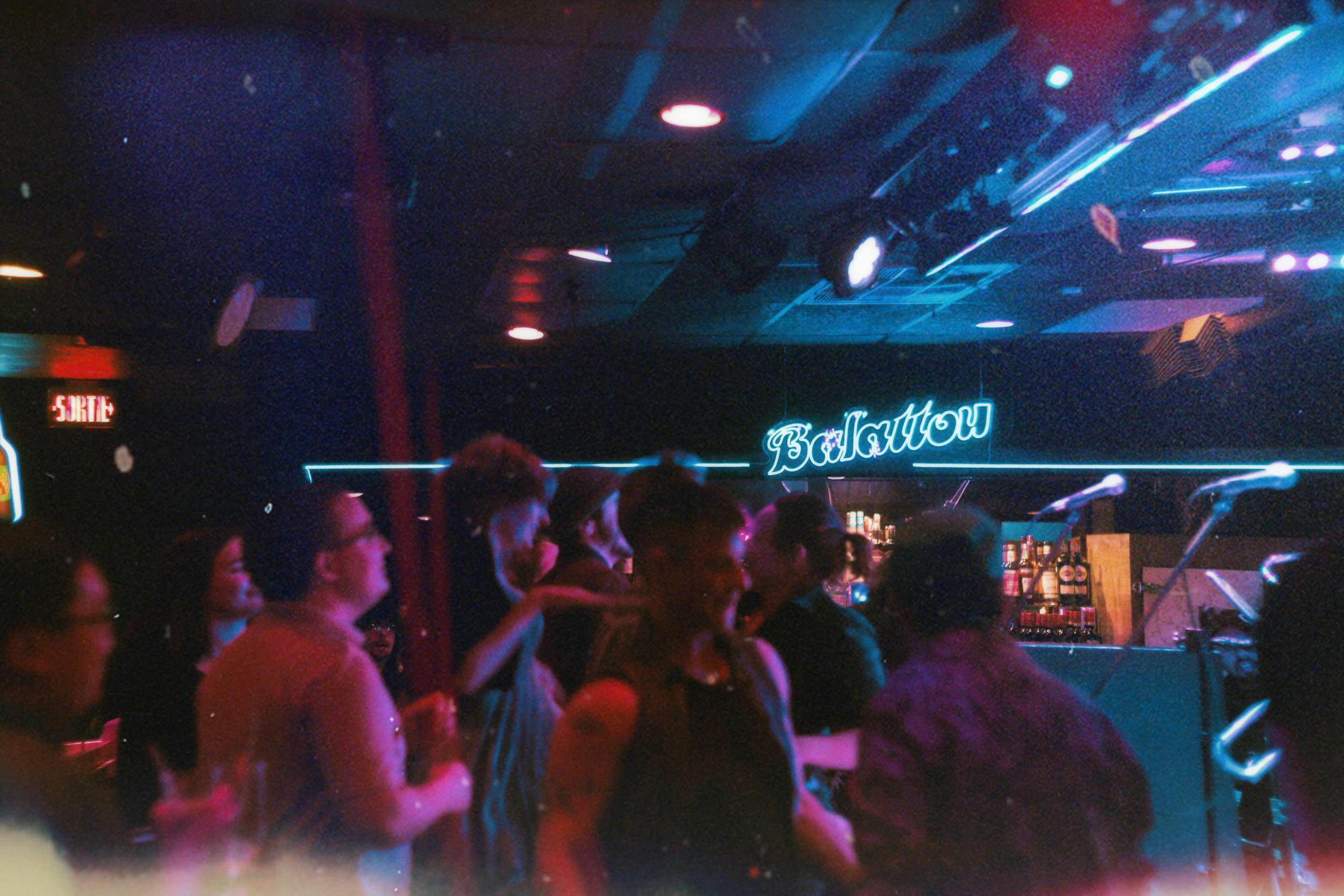
Nightlife can be joyful. Music, friends, birthdays, dancing, drinks, and one more stop before going home can make a night feel alive.
But these spaces can also become risky fast. Alcohol, crowds, dim lighting, pressure, and strangers can blur danger. So, women already know.
That matters because sexual violence often comes from someone familiar, not only from strangers. Available data on perpetrators of sexual violence shows why the “dangerous stranger” idea does not capture the full reality.
That is why women watch drinks. They move in groups. They share rides. They check on friends in bathrooms. They make exit plans before the night even starts. This is not because women dislike fun. It is because fun can turn unsafe when someone decides consent does not matter.
Parking lots and garages after dark
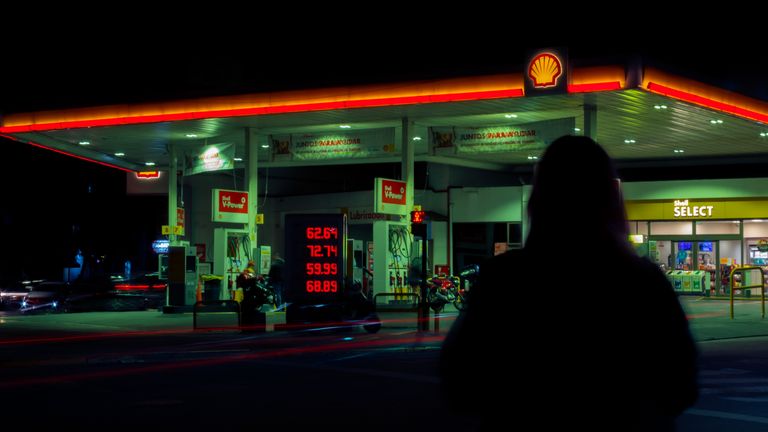
Parking lots and garages are ordinary places. Grocery stores. Office buildings. Apartment complexes. Hospitals. Malls. Stadiums. Airports. They can also feel deeply unsettling.
The lighting may be weak. The corners may be blind. The stairwell may be empty. The walk to the car may feel too long. A woman may quickly unlock the door, check the back seat, start the car, and leave before relaxing.
That routine says a lot. Many women do not experience public space as neutral. They scan it. They calculate. They prepare. A parking lot does not need to be dangerous every time to feel unsafe. It only needs enough stories, enough near misses, and enough uncertainty to make caution feel necessary.
Rideshare trips that require trust in a stranger
Rideshare apps can help women avoid walking alone, waiting at empty stops, or driving after drinking. But they also require trust.
A woman gets into a stranger’s car. She checks the plate. She confirms the name. She watches the route. She shares the trip. She sits near the door. She keeps her phone in her hand.
Most rides end safely. Still, safety reports include serious rideshare safety incidents, including sexual assault, physical assault, and fatalities connected to trips.
That tension makes ridesharing complicated. It can be both a safety tool and a safety risk. For many women, the ride home is not relaxing until the door closes behind them.
Healthcare spaces where women feel dismissed
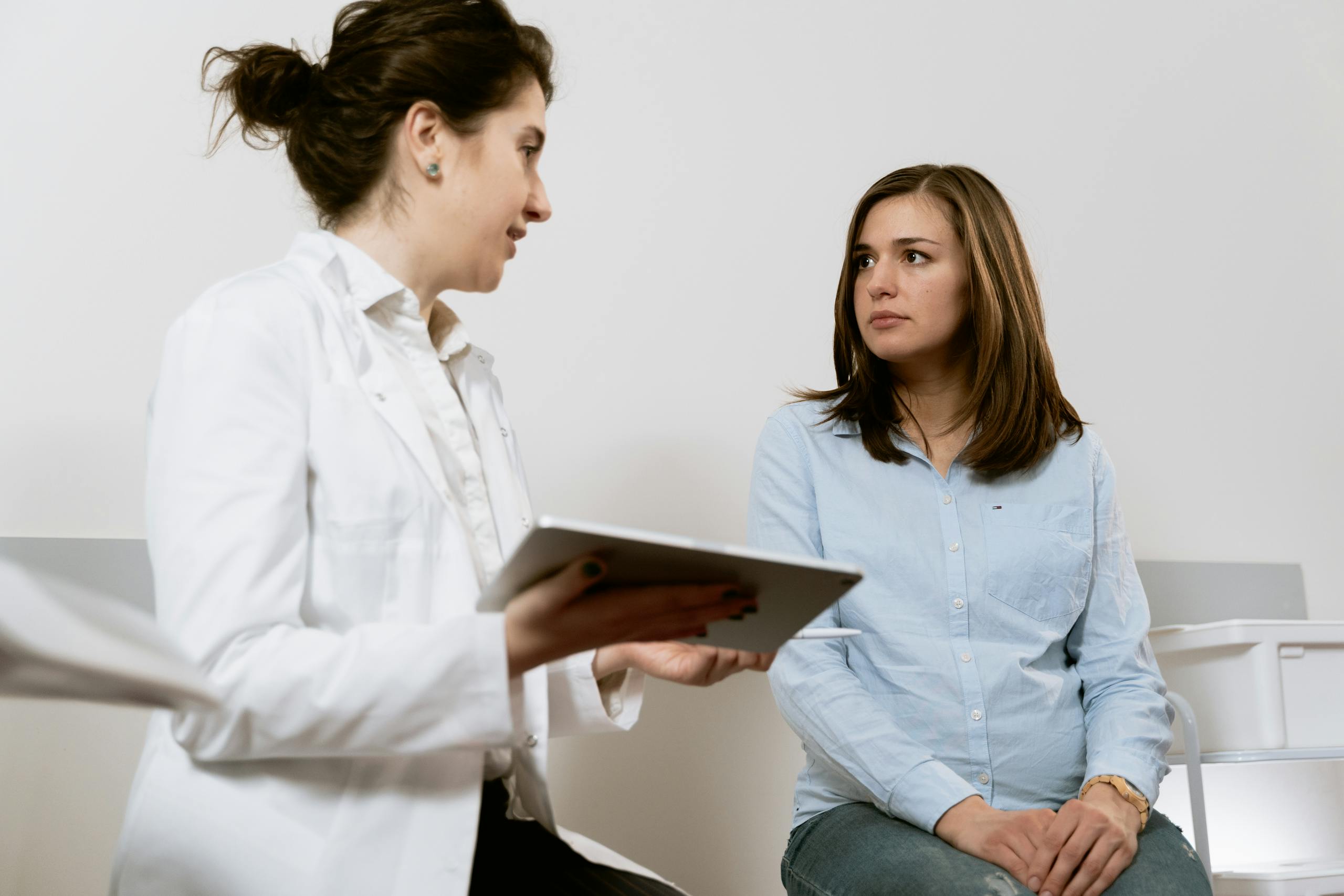
Safety is not only about violence. It is also about being believed. A doctor’s office should be a place where women feel heard. But many women know what it feels like to describe pain and feel brushed aside. They know what it feels like to be told stress is the issue before anyone looks deeper. They know what it feels like to leave an appointment with the same fear they brought in.
This matters because being dismissed can become dangerous. A delayed diagnosis can change a life. A missed symptom can become a crisis. Research on gender and pain notes that women’s pain is often dismissed, which can deepen distrust and delay care.
Healthcare spaces become unsafe when women feel they must fight to be believed. A system does not have to be violent to cause harm. Sometimes harm begins with not listening.
Conclusion
Women should not have to treat everyday life like a safety obstacle course. Home, work, campus, sidewalks, transit, bars, parking lots, rideshares, online spaces, and healthcare offices should not require constant scanning.
Yet many women move through these spaces with caution built into their routines. They prepare before leaving. They adjust their behavior. They manage other people’s reactions. They take safety measures that should never have become the norm.
The point is not to tell women to be more careful. Women are already careful. The real question is why so many spaces still require them.