Dinner does not always need a new recipe. Sometimes, it needs a better supporting ingredient.
The noodles are cooked. The vegetables are roasted. The rice is ready. Everything is perfectly serviceable, but the meal could use something more: a little heat, a sharper edge, or a savory finish that makes you reach for another bite.
That is where a thoughtfully stocked pantry earns its space.
These seven ingredients offer different ways to change a familiar meal. They aren’t interchangeable, and they aren’t discoveries in the cuisines that have long relied on them. Learning what each contributes is more useful than buying every bottle at once.
Start with the flavor your cooking is missing, then give one ingredient a regular job.
Gochujang: Heat With Sweetness and Depth
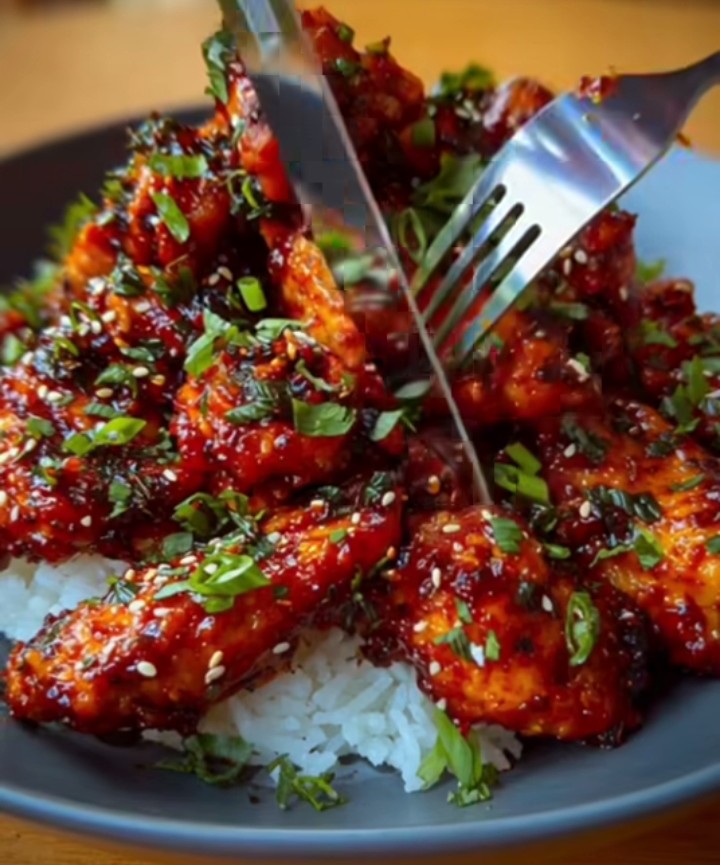
Gochujang isn’t just hot sauce in a tub.
The fermented Korean red pepper paste brings spiciness, sweetness, and color to dishes, as Korean cooking educator Maangchi explains in her gochujang ingredient guide. It is also used in bibimbap, the mixed rice dish.
For an easy starting point, loosen a small spoonful with water and vinegar to make a sauce for a rice bowl. Taste before adding more.
You could also mix a little into mayonnaise for a sandwich spread. That is a home-cooking adaptation, not a claim to a traditional Korean preparation.
The key is letting the paste blend into the dish rather than expecting it to behave like a thin bottled sauce.
Chili Crisp: A Finishing Touch With Texture
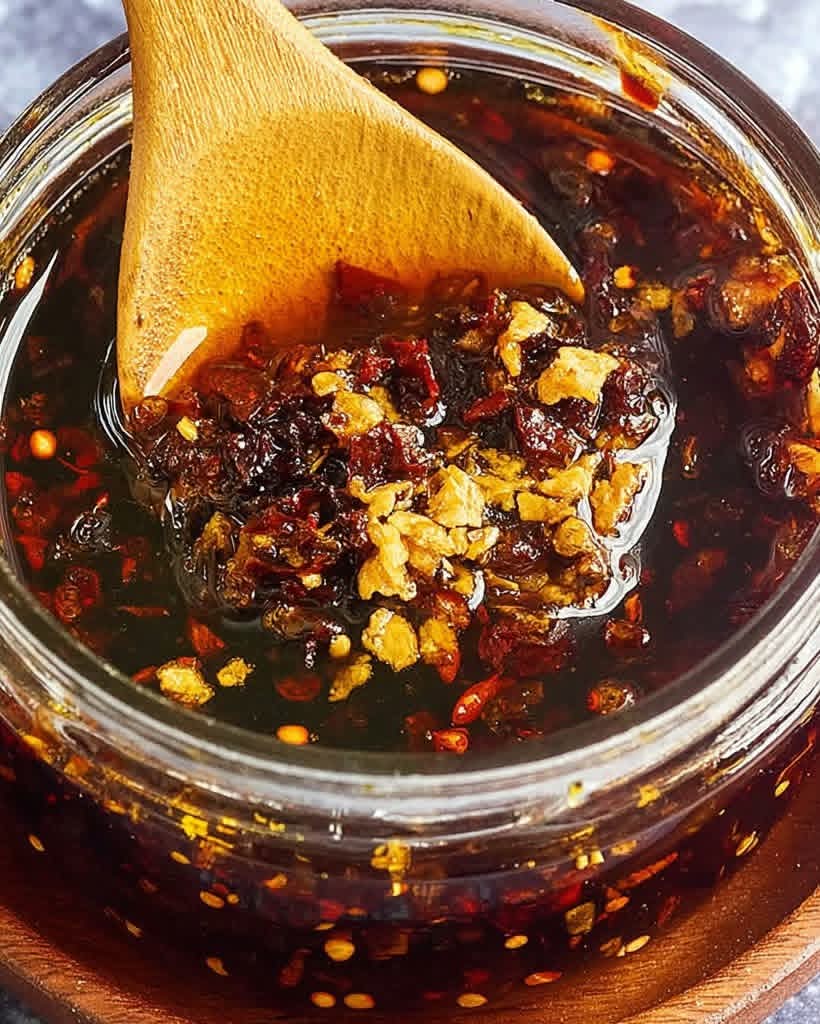
Chili crisp offers more than heat. Its appeal comes from the mix of seasoned oil and flavorful solid ingredients.
Recipes vary. For example, Fly By Jing’s published ingredient list includes dried chili pepper, fermented soybean, garlic, shallots, and Sichuan pepper alongside the oils. That describes one product, not a universal formula or a brand ranking.
Try a small spoonful over eggs, noodles, or roasted vegetables. For a gentler introduction, set some aside and add it as you eat.
Pay attention to both parts of the jar. A spoonful mostly oil will give a different result than one with plenty of solids.
Let it finish a meal instead of automatically stirring it into everything.
Brewed Soy Sauce: Look Past the “Premium” Label
A higher price or an elegant bottle does not tell you how a soy sauce will work in dinner.
The useful questions are more specific: What style is it? How is it made? Does the recipe call for Chinese light soy sauce, dark soy sauce, or another variety?
Serious Eats’ Chinese pantry guide distinguishes versatile light soy sauce from darker, thicker varieties and discusses naturally brewed options. Here, “light” identifies a style, not a promise of reduced salt.
For everyday cooking, try a little in a mushroom pan sauce or a dipping sauce. Taste before adding other salty ingredients.
If you explore a specialty bottle, use it simply so you can notice its flavor. “Premium” is less useful than knowing what you enjoy.
Related: 5-healthy-spices-to-keep-in-your-kitchen-simple-ingredients-worth-knowing/
Black Vinegar: A Tangy Counterpoint
Some meals need acidity rather than more seasoning.
Chinese black vinegar brings tang alongside deeper, sometimes malty notes. Serious Eats describes its use in dipping sauces, stir-fries, and dishes where it balances richer flavors.
Try a splash in a dumpling dipping sauce, or add a little to cooked mushrooms before serving. Start modestly and taste.
Treat black vinegar as a distinct ingredient, not as white vinegar or balsamic.
Its job here is contrast. If the dish already feels rich and savory, a sharper note may be more interesting than another layer of salt.
Toasted Sesame Oil: Aroma Before Quantity
Toasted sesame oil makes its presence known quickly.
Made from toasted sesame seeds, it has a concentrated fragrance. Serious Eats recommends it for cold dishes and finishing applications, noting that heating can diminish its aroma.
Try a small drizzle over cooked rice, noodles, or a cucumber salad. Add it near the end so you can notice what it contributes.
There is no need to pour it as generously as a neutral cooking oil. Begin with less than you think you need, then adjust.
Think of it as the final aromatic detail, not the foundation of every pan.
Hoisin Sauce: Sweet-Savory Body
Hoisin is useful when you want a sauce with both flavor and substance.
Its ingredients and complexity vary, but it’s a thick condiment that works well in glazes and dipping sauces. Serious Eats compares its versatility to barbecue sauce.
For a quick experiment, loosen it with a little water and vinegar, then taste the balance. Use it as a dipping sauce or spoon it over a cooked dish.
Because it already contributes sweetness and seasoning, check the result before adding sugar or salt.
Hoisin can make a familiar meal more interesting without requiring a long ingredient list. Just avoid treating every brand as identical.
Doubanjiang: A Savory Starting Point
Doubanjiang brings a different kind of depth from a finishing sauce.
The fermented chili-and-broad-bean paste is associated with Sichuan cooking and is used in dishes such as mapo tofu. Serious Eats describes its concentrated savory character and how a small amount can make a big impact.
As a home-cooking experiment, stir a little into the base of a mushroom or ground-meat sauce. Taste before adding other seasonings.
Do not assume it can replace gochujang spoon for spoon. They have different ingredients and culinary roles.
Understanding that difference is part of the pleasure: two pastes can both be bold without doing the same job.
Give One Ingredient a Place in Your Routine
You do not need seven purchases to improve tonight’s dinner.
Choose one ingredient, read its label, and follow its storage instructions. Then use it in a simple meal where you can recognize what changed.
A finishing drizzle, a tangy splash, or a spoonful worked into a sauce can give familiar cooking a different direction. Which flavor would you invite into your kitchen first, and what everyday dish would you let it reinvent?