Chain dining in America is entering a reset phase in 2026, with 11 major brands facing closures, restructuring, or sales pressure across 1,000+ locations. From Wendy’s cutting up to 350 stores, to Denny’s moving toward a $620M private buyout, the message is consistent: the restaurant landscape is tightening fast, and diners are feeling it at the counter, the drive-thru, and the bill.
Wendy’s: 350 Closures Signal a Fast-Food Reset Moment
Wendy’s is heading into 2026 with a major footprint shift, including hundreds of underperforming locations across the U.S. (reportedly up to 350) and declining same-store performance in multiple regions.
That matters because Wendy’s still operates roughly 6,000 restaurants globally, meaning even a 5–6% trim is a major structural shake-up.
According to Visual Capitalist, the U.S. fast-food industry grew to $388 billion in 2023 after a decade of rapid expansion, contributing to longer drive-thru wait times, leaner staffing on shifts, and higher combo meal prices that in many places now range from $10 to $14. Even popular menu items such as spicy chicken sandwiches cannot fully offset the operational pressures many weaker franchises are facing.
Denny’s: A $620M Buyout and 150+ Closures Reshape the Diner Giant.
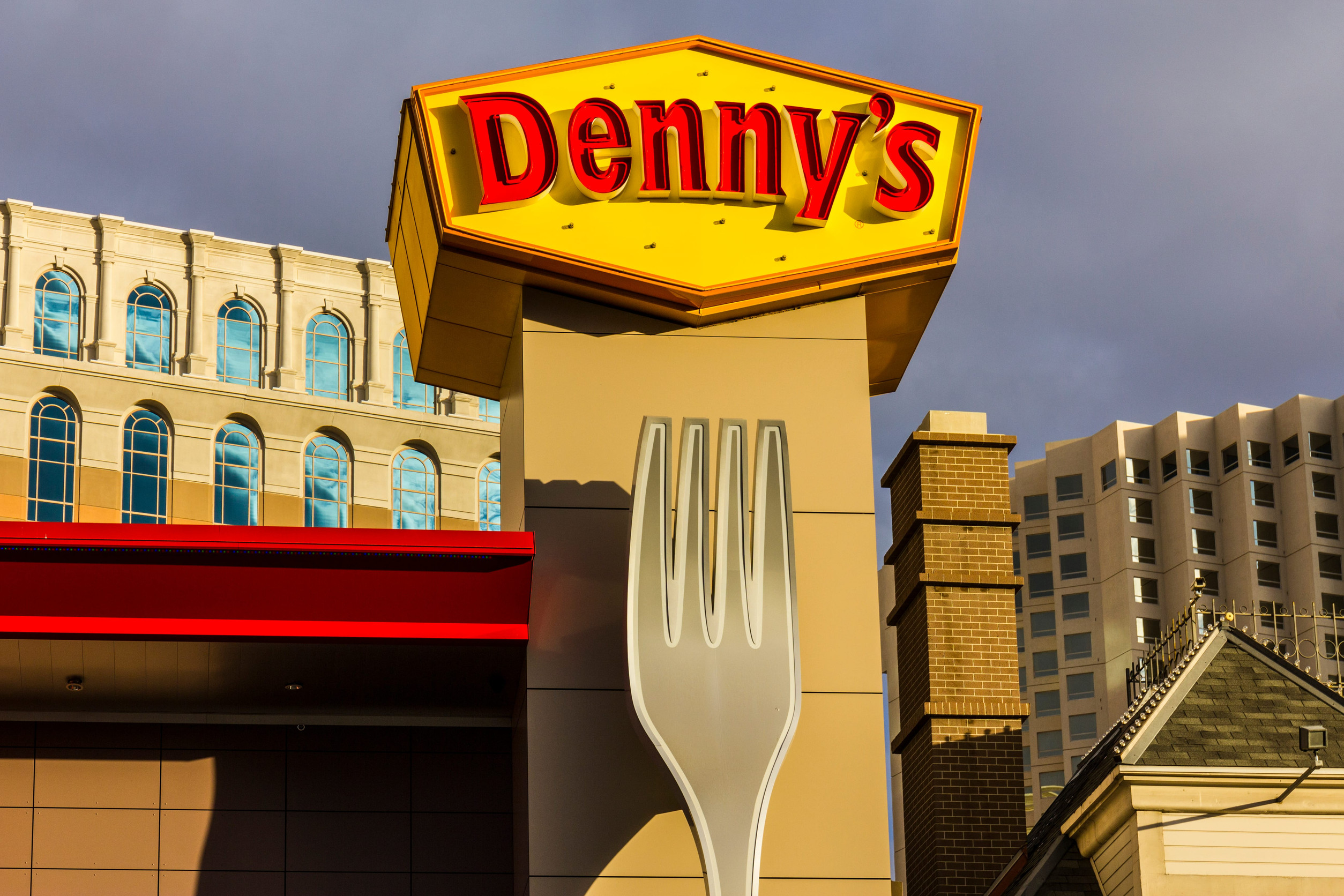
Denny’s is undergoing one of its biggest transitions in decades, with about 150 restaurant closures already recorded and a $620 million private equity acquisition expected to be finalized in 2026.
That puts the chain into a restructuring phase that typically lasts 12–24 months, during which cost-cutting becomes the priority.
According to Fox News, fewer fast-food chains across the country are keeping their locations open overnight, a trend that began during the COVID-19 pandemic and has not fully reversed. For brands known for their 24/7 operations, even small changes to their hours can significantly impact the customer experience.
TGI Fridays: Bankruptcy Pressure Across 1,000+ Global Locations
TGI Fridays continues to operate under Chapter 11 bankruptcy protection, with dozens of U.S. closures and hundreds more internationally across roughly 1,000 locations worldwide.
Casual dining chains like Fridays are especially vulnerable because they rely on high labor costs (often 30–35% of revenue) and large dining spaces that are expensive to maintain.
Customers are reporting a 10–20% menu contraction in some locations and table turnover times exceeding 45–60 minutes during peak hours, signaling operational strain.
The brand still survives on nostalgia, but the financial pressure is shaping a very uneven dining experience.
Panera Bread: A Fast-Casual Brand Facing Trust and Pricing Gaps
Panera operates more than 2,000 cafés, but rising prices and operational shifts have created a noticeable divide between expectation and reality.
A typical meal now frequently lands between $12–$18 per person, a 15–25% increase in many markets over recent years, while customers report portion shrinkage of up to 10% in select menu categories.
Changes in production systems and franchise instability have also contributed to regional inconsistency.
The biggest issue is perception: Panera still markets “freshness,” but many customers now compare it directly to grocery prepared meals that cost 30–40% less per serving.
Jack in the Box: Up to 200 Store Closures and Rising Menu Costs
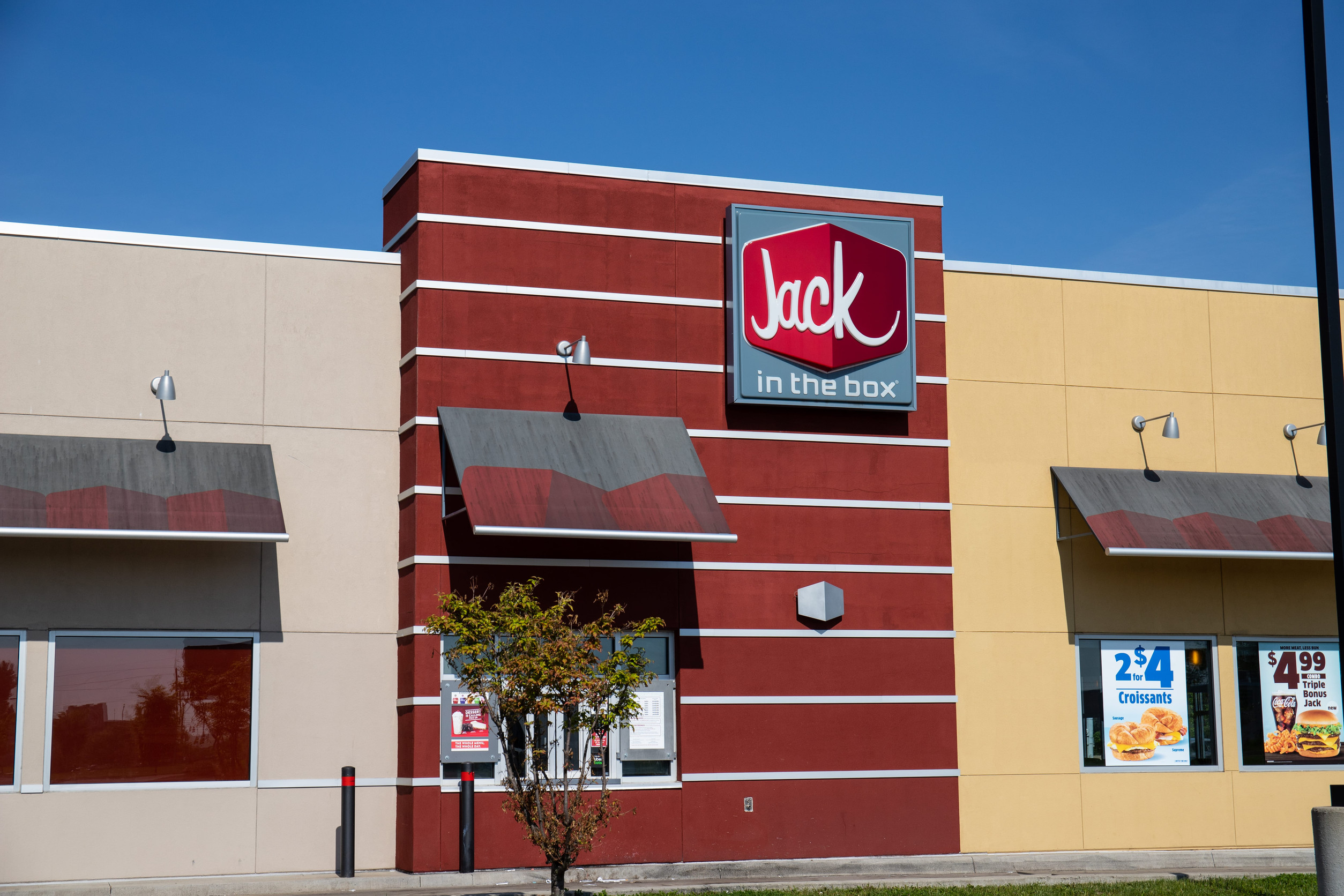
Jack in the Box is actively trimming its footprint, with prior plans signaling up to 200 store closures tied to underperforming locations and debt-reduction strategies.
The chain operates in a tough late-night segment where labor shortages can reduce staffing to 2–3 employees per shift during off-peak hours, leading to longer wait times and order inconsistencies.
According to Visual Capitalist, eating at major fast food chains has become 63 percent more expensive on average since 2014, with combo meal prices increasing significantly compared to a decade ago. This rapid inflation, combined with operational shifts, can lead to noticeable differences in customer experience between locations.
Hooters: Bankruptcy Restructuring Across Dozens of Locations
Hooters is navigating bankruptcy restructuring while planning asset sales and franchise transitions across dozens of corporate-owned locations in the U.S.
Industry reports suggest that food and labor costs have increased 7–9% year-over-year, squeezing profitability in already thin-margin casual dining.
Customers often see the impact through reduced staffing (sometimes 20–30% leaner shifts), fewer menu promotions, and slower kitchen turnaround times during peak hours exceeding 25–35 minutes.
The brand is trying to modernize its identity, but transition periods typically produce uneven customer experiences.
Noodles & Company: Declining Traffic and Price Pressure in Fast Casual
Noodles & Company has been closing underperforming stores while experiencing traffic declines estimated at mid-single digits year over year in select markets.
According to the Economic Research Service, while some ingredient costs, such as eggs and beef, rose in 2024, with egg prices up 8.5 percent and beef and veal increasing 5.4 percent, dairy prices actually declined slightly by 0.2 percent. These shifts have led to menu adjustments and pricing changes at fast-casual restaurants, though not all ingredients experienced the same cost increases.
The result is a brand caught between affordability and sustainability, with some locations performing well and others struggling to justify repeat visits.
Pizza Hut: Hundreds of Closures and Delivery Competition Pressure
Pizza Hut has been reducing its U.S. store base for years, with hundreds of closures tied to shifting delivery habits and franchise profitability concerns.
The delivery market is now far more competitive, with third-party apps controlling 30–40% of pizza orders in some metro areas, changing how revenue is shared.
According to a report from Bar & Restaurant, many restaurant operators have experienced longer delivery times and inconsistent product quality, which they often attribute to staffing challenges.S. consistency varies sharply by location.
Papa John’s: 500+ Store Optimization Plan Reshapes Footprint
Papa John’s is in the midst of a long-term optimization plan to close or relocate 500+ underperforming stores by 2027.
The strategy is focused on improving margins, but customers often experience the early-stage effects first.
According to a recent article in Nature, more than a third of on-demand food delivery orders now arrive late, which underscores the growing delivery challenges facing the industry. While strong stores continue to operate efficiently, less robust markets are experiencing these delays more acutely.
Outback Steakhouse: Steakhouse Pricing Under Pressure
Outback Steakhouse continues operating across 700+ global locations, but casual steak pricing has climbed significantly, with average checks now often hitting $20–$35 per person before drinks or appetizers.
Food inflation for beef has remained elevated at roughly 5–8% annually in recent cycles, pressuring portion consistency and menu flexibility.
Customers in some regions report longer ticket times (35–50 minutes for entrées during peak dining hours) as staffing levels tighten.
The brand still performs well in suburban markets, but value perception is becoming more sensitive.
Applebee’s: The $1B+ Value Model Facing Identity Pressure

Applebee’s operates hundreds of U.S. locations but continues to rely heavily on discount-driven promotions, with some value meals priced as low as $8–$12 during promotional cycles.
However, casual dining costs have increased across the sector by 6–10% over recent years, making profitability dependent on strict cost control and high-volume traffic nights.
According to the American Customer Satisfaction Index, rising prices are leading households earning less than $75,000 a year to cut back on restaurant visits, highlighting the challenge that national chains face in balancing affordability with quality in a competitive market.
What This Means for Diners in 2026
Across these 11 chains, a clear pattern is emerging. More than 1,000 store closures and restructuring moves are reshaping familiar brands, while prices have risen about 5% to 25% in recent years. At the same time, restaurant performance now varies sharply, with 10% to 40% differences in service and quality between locations, and staffing cuts of around 15% to 30% in some markets are slowing operations and reducing consistency.
For diners, the reality is straightforward: chain restaurants are no longer automatically reliable. The experience now depends far more on the individual location than the brand name. In 2026, the smartest move is to treat each restaurant as its own operation within a larger system, where quality, service, and value can differ significantly from one door to the next.