The house may have looked normal from the street. Bills came in, dinner got served, school clothes were folded, and neighbors probably saw nothing strange behind the front door.
Inside, though, some children grew up learning that one parent’s mood could change the whole weather of the home. A slammed cabinet, a cold stare, or a fake smile in public could tell them exactly what kind of night they were about to have.
Narcissistic parents’ rules often made little sense because the rules were not always about safety, respect, or discipline. Many were about control, image, loyalty, silence, and ensuring the parent remained at the center of the story.
The word narcissistic can describe everyday self-centered behavior, but narcissistic personality disorder is a clinical diagnosis. In family life, the damage often comes from repeated patterns that make children feel responsible for an adult’s ego.
Made Love Feel Conditional
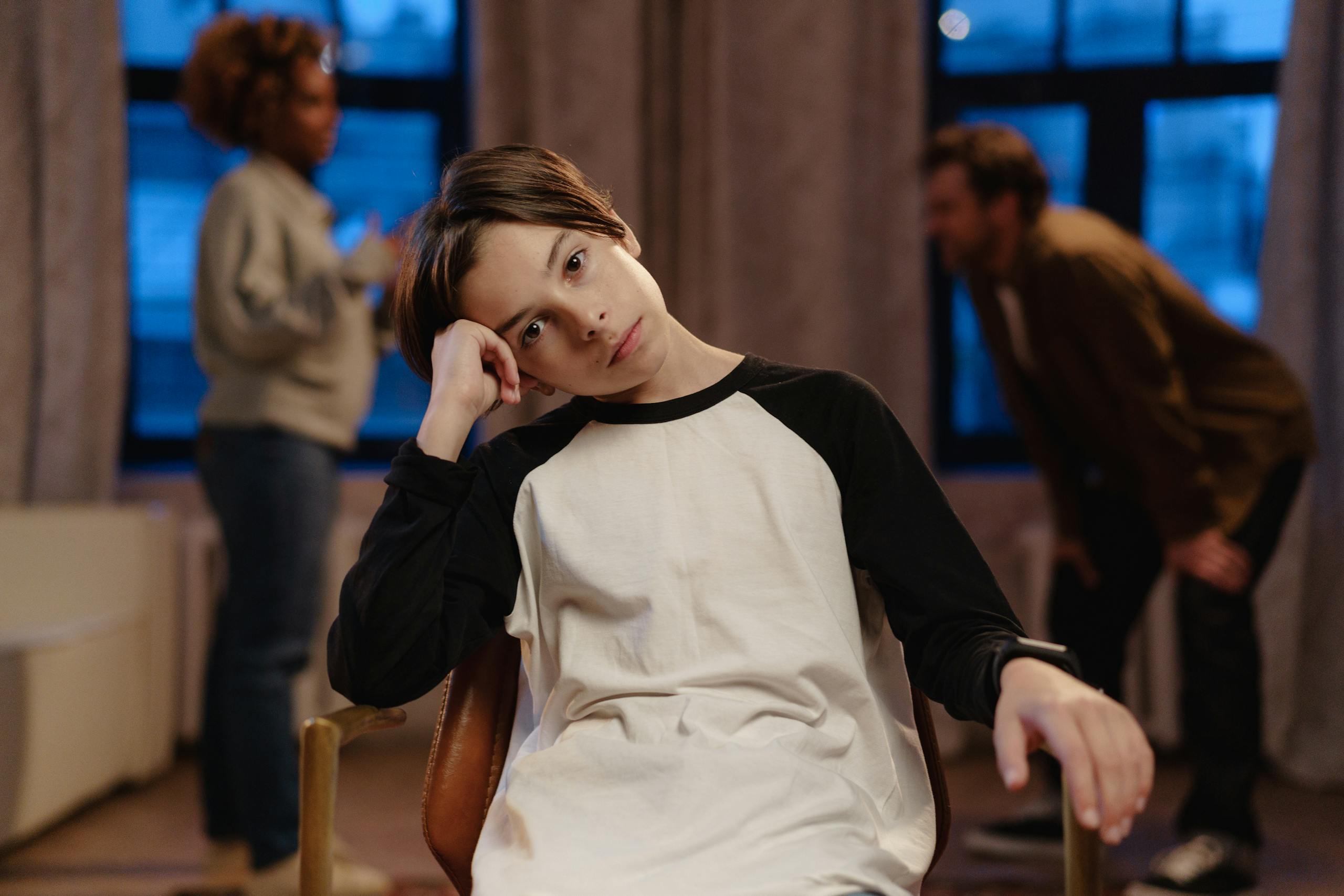
Some children learned that love was not steady. It arrived when they made the parent look good, stayed quiet, performed well, or acted grateful enough. One mistake could turn warmth into silence, anger, or rejection.
That kind of rule teaches a child to seek approval rather than feel secure. They may become adults who overexplain, overachieve, or panic when someone seems disappointed, because love once felt like something that could disappear overnight.
Never Make the Family Look Bad
A child could be hurting, embarrassed, lonely, or scared, but the family image came first. Narcissistic parents often cared more about how things appeared to teachers, relatives, church members, neighbors, or coworkers than how the child actually felt.
This rule forced children to smile through confusion. They learned to protect the parents’ reputation while hiding their own pain, which can make honesty feel dangerous long after childhood ends.
Always Agree With the Parent in Public
Some children were expected to nod, laugh, and support whatever the parent said, even when the parent was wrong. Disagreement in public could be treated like betrayal, disrespect, or humiliation.
That rule teaches kids to abandon their own judgment. Instead of learning how to think clearly, they learn how to read the room and survive it. Over time, their own voice can start to feel like a risk.
Do Not Have Feelings That Inconvenience the Parent

Sadness, anger, fear, or embarrassment could become a problem if they interrupted the parent’s comfort. A child might be told they were too sensitive, dramatic, ungrateful, or difficult for having a normal emotional reaction.
Children need room to feel without being punished for it. Repeated emotional pressure can become part of a child’s stress load, and prolonged adversity can shape the toxic stress response in ways that affect development and security.
Keep Secrets Even When They Hurt
Some children were told not to tell anyone what happened at home. They learned that family problems must stay hidden, even when those problems involved fear, cruelty, neglect, or emotional harm.
This rule protects the adult, not the child. It teaches children that loyalty means silence, even when silence keeps them isolated. When a child cannot safely tell the truth, the home becomes a place where confusion has nowhere to go.
Be Perfect, But Never Outshine the Parent
A child might be pushed to get straight A’s, win awards, behave beautifully, and impress adults. Yet if the child received too much attention, the parent could become jealous, dismissive, or suddenly critical.
That double bind is exhausting. The child learns to succeed carefully, never too loudly, never too proudly, and never in a way that makes the parent feel small. Achievement becomes less about joy and more about managing someone else’s insecurity.
Apologize Even When You Did Nothing Wrong

In some homes, the parent was never truly wrong. The child had to apologize for the parent’s anger, the parent’s overreaction, or the conflict the parent created. Peace depended on the child accepting blame.
That rule can damage a child’s sense of reality. Definitions around child maltreatment categories include emotional harm and neglect, which matters because constant blame can teach children to distrust their own memories, instincts, and boundaries.
Do Not Set Boundaries With the Parent
A child who wanted privacy, rest, respect, or emotional space could be accused of being selfish. The parent might enter rooms, inspect phones, demand personal details, or punish distance as a sign of rejection.
Boundaries are normal, but narcissistic parents often treat them like rebellion. That leaves children feeling guilty for needing space. Later in life, they may struggle to say no without feeling cruel.
Take Care of the parents’ feelings first.
Some children became emotional caretakers before they understood what that meant. They learned to calm the parent down, cheer the parent up, praise the parent, or avoid saying anything that might trigger a bad mood.
That role reversal can steal a child’s childhood. Instead of being protected, they become responsible for protecting the adult’s ego. Research on adverse childhood experiences shows how stressful childhood environments can affect health, relationships, and well-being later in life.
Be Grateful No Matter How You Were Treated
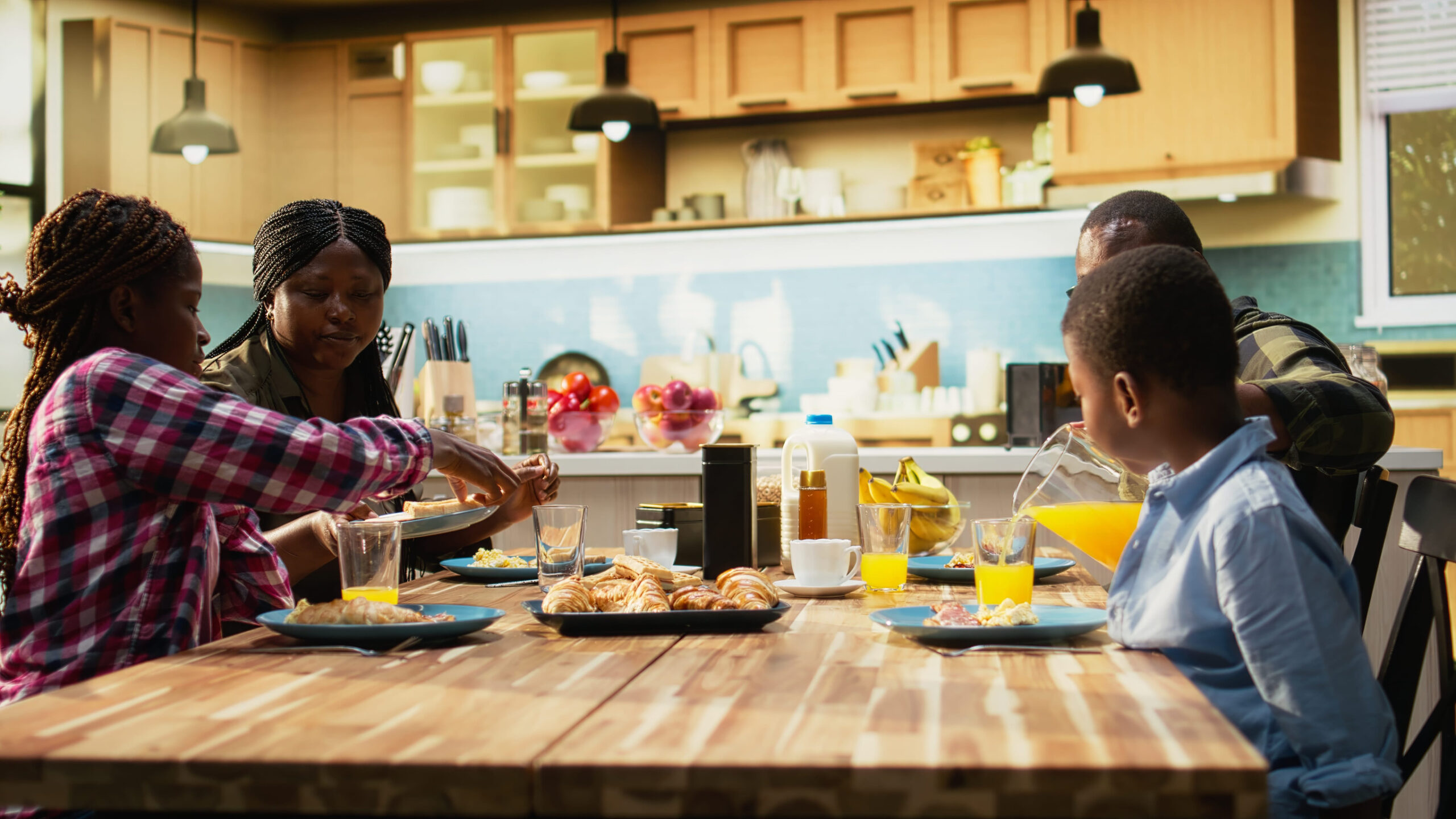
Some children were told they had no right to complain because they had food, clothes, a roof over their heads, or school supplies. The message was clear: basic care canceled out emotional pain.
Gratitude should never be used to silence hurt. A child can appreciate what was provided and still recognize what was missing. Human beings need more than survival, and healthy social connections depend on feeling seen, safe, and valued.
Forgive Quickly, so the Parent Never Has to Change
The final rule was often the most painful. The child had to move on fast, accept weak apologies, or pretend nothing happened because the parent did not want accountability. The family peace depended on forgetting, not repairing.
This is why narcissistic parents’ rules can follow people into adulthood. They teach children to doubt their pain, protect the person who hurt them, and call endurance love. If a child had to obey rules that protected a parent’s ego more than their own heart, how long does it take to finally stop calling that normal?