A man can walk out of prison in fresh clothes, step into a Walmart parking lot, hear traffic rushing by, smell fast food from across the street, and still feel trapped. The gate opens, but his mind may not. The world looks normal to everyone else. People scroll their phones, complain about gas prices, grab coffee, and rush through errands like any other day.
To him, everything may feel too loud. Every choice may feel too big. Every stranger may feel like someone to study before he can relax. That is the part many Americans rarely see because prison is often discussed through mugshots, courtrooms, crime shows, and tough political slogans.
The story does not end when the sentence ends. Prison can follow people into bedrooms, grocery stores, job interviews, family dinners, church pews, buses, and quiet Sunday mornings. Research on the psychological impact of incarceration shows that prison can train people to survive in ways that may later make freedom harder to handle.
Here are ten terrifying ways prison changes people forever.
Prison Can Destroy Basic Trust
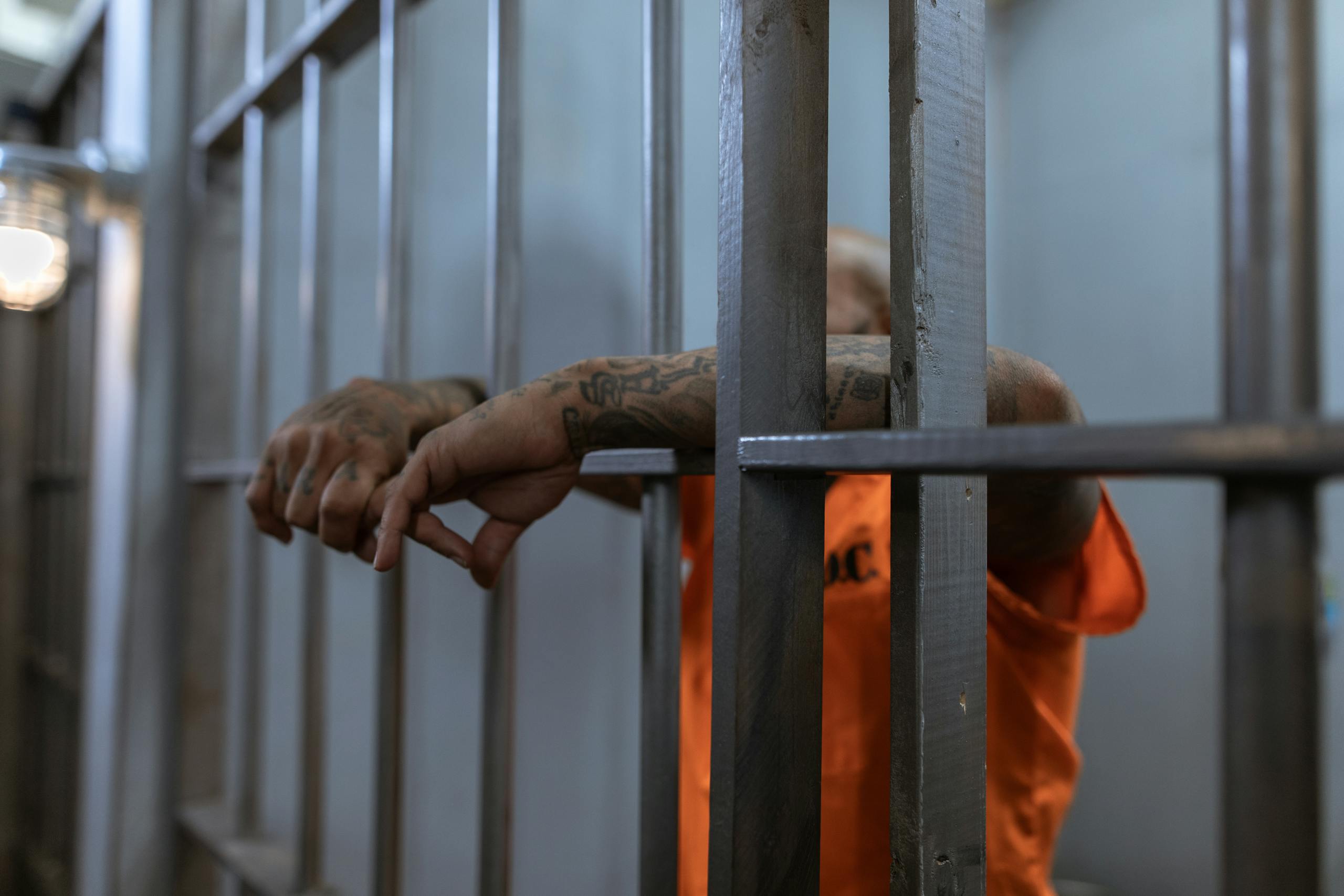
Prison teaches people to read rooms as if their safety depended on it, because sometimes it does. A smile can hide a setup. A casual question can carry a warning. A small mistake can turn someone into a target. Inside, trust is not handed out like a friendly handshake at a backyard cookout.
That lesson can follow a person home. A kind coworker may feel suspicious. A partner asking a simple question may come across as pressure. A stranger standing too close in a checkout line may feel threatening. Even in freedom, the mind may keep asking the same question. What does this person really want from me?
Sleep Stops Feeling Safe
Most Americans think of sleep as a private escape. A locked door, a soft pillow, a blanket, maybe the quiet hum of a fan. Prison can ruin that comfort. Lights may stay on. Doors slam. People shout. Guards make rounds. Conflict can erupt without warning.
After release, the body may still act like it is inside. Some people wake at every sound. Some sleep facing the door. Some cannot relax unless they know every exit in the room. Studies have found serious sleep problems among people in correctional settings, including short sleep and insomnia symptoms tied to poor sleep behind bars.
Freedom Can Feel Too Big
Freedom sounds simple until someone has spent years being told when to wake up, eat, shower, move, line up, speak, and wait. Prison shrinks daily life into rules and routines. Choice becomes smaller until even ordinary decisions feel strange.
Then release comes, and everyone expects instant joy. But a grocery store aisle can feel like a maze. A restaurant menu can feel like too many decisions at once. A phone full of apps can feel like a foreign language. The world kept moving, and the person had to learn how to move with it again.
Every Room Becomes a Threat Map
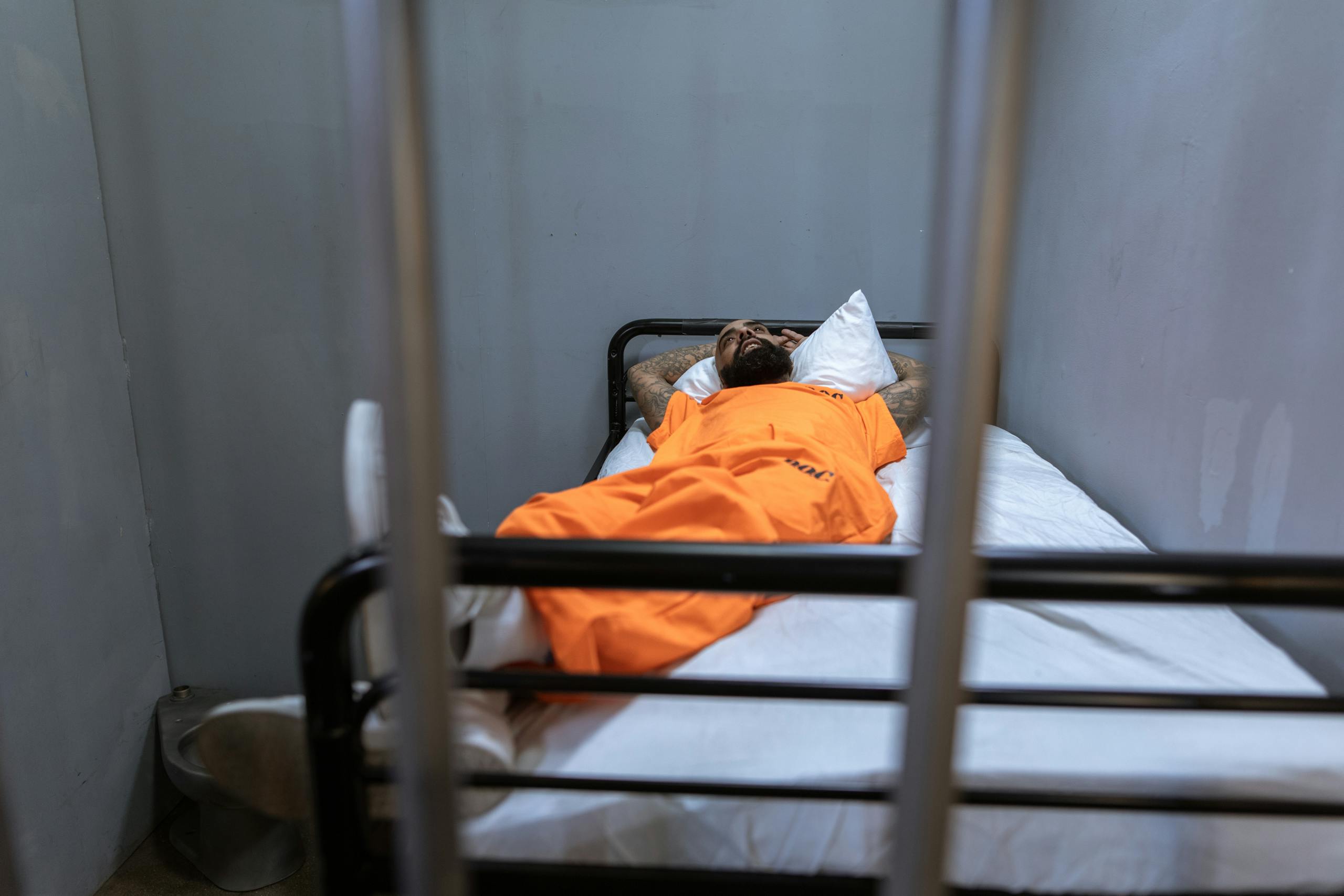
In prison, awareness is not paranoia. It is protection. People learn to notice who is watching, who is angry, who is too quiet, who is standing near the exit, and who has changed their tone. They study hands, posture, shoes, corners, and silence.
Outside, that habit can become exhausting. A crowded Target, a packed subway, a noisy bar, or a family cookout can feel like a room full of risks. They may sit with their back to the wall. They may avoid crowds. They may seem tense for no clear reason. But to them, danger does not need to announce itself. It only needs one second.
Emotions Get Locked Behind Armor
Prison does not always reward softness. Fear, grief, affection, embarrassment, and sadness can become dangerous to show. Many people learn to keep a straight face even when they are breaking inside. They learn not to cry, beg, look weak, or hand anyone a weapon.
That emotional armor can be hard to remove. A mother may want a hug, but the person freezes. A partner may want honesty, but the words do not come. A child may ask a simple question, and the answer comes out cold. They may feel love deeply, but prison has trained them to hide anything that can be used against them.
Relationships Do Not Snap Back
Families often imagine release as a reunion scene. The door opens, everyone cries, and life finally goes back to normal. Real life is usually messier. Children have grown. Partners have changed. Parents have aged. Friends have moved on. The person coming home may feel like a visitor in a life that once belonged to them.
Love may still be there, but distance changes its shape. Calls were limited. Visits were timed. Affection was restricted. Every day, family life happened without them. Research repeatedly shows the value of family support during reentry, but that support can be complicated when everyone has been changed by the years apart.
A Record Can Become an Identity

Prison can turn a person into a number, a charge, a file, or a record. Day after day, the system reminds them of what they did, where they are, and what category they belong to. Over time, that label can creep into the mind and start to sound like the truth.
After release, the label often follows them. Job applications ask about criminal history. Landlords hesitate. Neighbors whisper. Old mistakes become the first thing some people see. Reinvention becomes harder when the world keeps handing someone the same old name tag.
Normal Life Can Feel Embarrassing
Prison does not just take years. It takes practice. The outside world changes fast. Phones change. Banking changes. Hiring changes. Transportation changes. Even ordering food can feel different after enough time away.
Someone may come home and feel embarrassed by simple tasks. Using self-checkout. Applying for work online. Setting up email. Reading bus schedules. Creating a resume. Paying bills through an app. These things may look easy to everyone else, but to someone cut off from normal life, they can feel like proof that the world moved on without them.
Anger Becomes the Fastest Shield
Anger can protect people in prison. It creates distance. It sends a warning. It keeps others from seeing fear, sadness, shame, or confusion. In a place where respect can affect safety, anger may become the quickest language.
Outside, that same shield can damage everything. A small correction at work may feel like disrespect. A partner’s concern may sound like control. A stranger’s rude tone may feel like a challenge. The person may not want to explode, but their body reaches for anger before it reaches for patience. Prison can make peace feel less familiar than conflict.
The Fear of Going Back Lingers

Release does not always feel like relief. For many people, it comes with pressure from every direction. Find a job. Find housing. Rebuild family trust. Follow parole rules. Avoid old friends. Pay fees. Stay calm. Stay clean. Stay perfect. One mistake can feel like a trapdoor under the floor.
That fear can shape every day. A traffic stop may cause panic. A missed appointment may feel catastrophic. A simple argument may feel dangerous. People returning home often face major barriers to stability, which can make reentry after prison difficult even when they genuinely want to rebuild.
Conclusion
Prison changes people because it is not just a building. It is a survival system. It teaches lessons that may keep someone alive inside but make life harder outside. Suspicion, silence, anger, light sleep, emotional distance, and constant scanning can become invisible scars.
That does not mean people cannot heal. Many do. They rebuild families, careers, faith, discipline, and confidence. They become mentors, workers, parents, leaders, and examples of what second chances can look like. But healing takes more than opening a prison gate. It takes support, accountability, patience, opportunity, and a society willing to see more than a record.
The terrifying truth is simple. Some prison doors open once. Others stay inside the mind for years.