Faith is under constant strain in modern America. The relentless news cycles, political chaos, and social media frenzy make it difficult for anyone to find quiet moments of reflection. This erosion of calm is happening everywhere, and it affects daily life, personal relationships, and inner clarity.
Political Polarization

The constant conflict between political parties has infiltrated spaces meant for reflection and prayer. Congregations and spiritual communities are splitting along party lines, leaving many older and younger members feeling isolated and tense. Faith is increasingly associated with loyalty to opinions rather than inner conviction, making spiritual practice feel like a battlefield.
People face impossible choices between their personal beliefs and social pressures, which creates persistent stress. This tension erodes the natural trust and comfort once found in shared spiritual traditions. Spiritual spaces that were meant to bring clarity now amplify anxiety and judgment.
Media Overload
Endless streams of alarming news fill every device, distracting the mind from peaceful contemplation. Stories of violence, corruption, political crises, and disasters dominate feeds, making it hard to connect with the spiritual self. Meditation, prayer, and reflection are constantly interrupted by the urgency of headlines.
Scrolling through social media and news feeds replaces the quiet focus once reserved for inner work. The sheer volume of information creates mental fatigue, which spreads into spiritual exhaustion. Many feel overwhelmed and unable to sustain meaningful spiritual practices amid constant distraction.
Viral Fear Culture
Trending online content spreads fear faster than reality can unfold, making crises feel immediate and personal. Viral videos, sensationalized posts, and shock-driven narratives dominate feeds, leaving viewers anxious and distrustful. Fear begins to replace hope, and genuine spiritual reflection becomes secondary to survival instincts.
Exposure to constant digital panic reshapes perception, creating an ongoing state of tension and alertness. Spiritual practices are sidelined as people respond to imagined threats and sensationalized warnings. Calm becomes fleeting in a world obsessed with virality and outrage.
Political Corruption
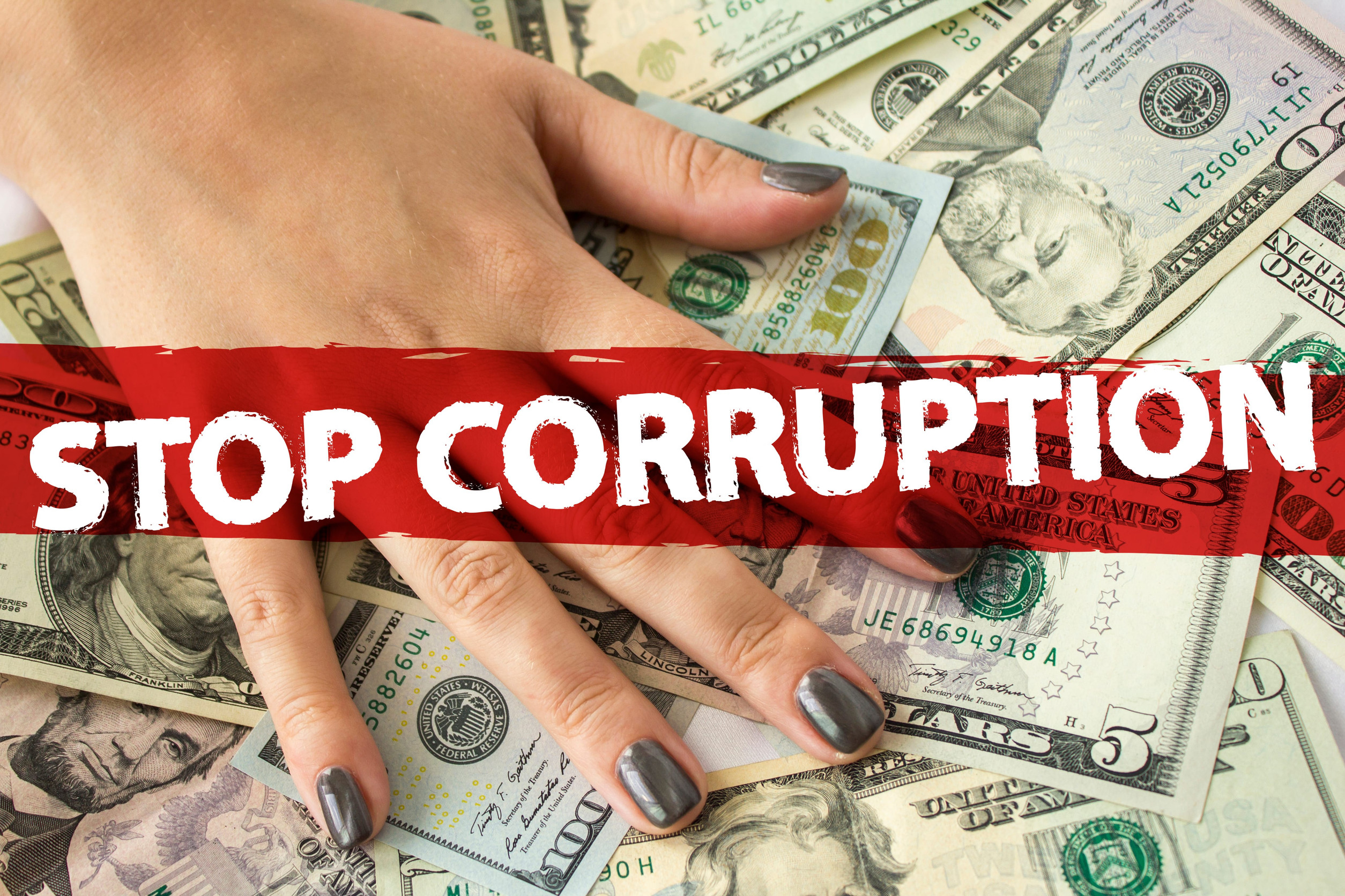
Revealed scandals and systemic abuses undermine faith in leaders, institutions, and social structures. Americans increasingly question the integrity of systems they once trusted for guidance and stability. This erosion of trust extends into personal values, leaving people uncertain about how to align morality and ethics with spiritual beliefs.
Disillusionment spreads as accountability appears inconsistent or absent, leaving a pervasive sense of injustice. Doubt replaces certainty, and spiritual trust is fractured. The struggle to find reliable moral anchors makes inner peace feel fragile and constantly under threat.
Moral Confusion
Rapid cultural shifts and conflicting messages make it difficult to know what is right or wrong. Social debates and viral controversies dominate attention, challenging traditional guidance. People are left second-guessing their decisions, ethics, and spiritual paths.
The resulting stress and guilt create a constant tension that erodes serenity. Inner frameworks that once offered clarity are under pressure, making spiritual reflection confusing and exhausting. Daily choices feel heavier when moral certainty is absent.
Economic Anxiety

Financial instability and uncertainty shape personal decisions and mental space. Concerns about bills, housing, employment, and the economy intrude on time that could be used for contemplation or spiritual practice. The weight of economic fear diminishes the ability to feel calm or secure.
Survival needs naturally take precedence over reflection, creating a scarcity mindset that clashes with spiritual principles of abundance and gratitude. Anxiety and stress compete with meditation and introspection for attention. Spiritual practices are often shortened, postponed, or abandoned entirely under financial strain.
Health Crises
Public health emergencies and personal health challenges amplify stress and distract from spiritual priorities. Worry about illness, medical access, and personal vulnerability can dominate mental energy and reduce focus on reflection. The body and mind feel burdened, making stillness feel uncomfortable or impossible.
Chronic stress and fear of the unknown erode energy that could otherwise be directed toward spiritual growth. Practices like prayer, journaling, or contemplation are shortened or skipped entirely. Spirituality becomes a secondary concern when survival and well-being feel precarious.
Legal and Social Uncertainty
Rapidly changing laws, social debates, and cultural norms create constant uncertainty. People question how to behave ethically, socially, and spiritually in an environment that seems unpredictable and contentious. Familiar moral frameworks feel unstable and unreliable.
This ongoing adaptation to shifting realities generates stress that penetrates spiritual life. Inner confidence and clarity are challenged when external pressures constantly demand adjustment. Peace is compromised when uncertainty dominates daily existence and spiritual routines.
Distrust of Institutions
Scandals in government, religion, and corporations fuel skepticism and erode trust. People increasingly doubt guidance from traditional authorities, leaving them to navigate morality and ethics independently. Spiritual peace suffers when structures that were once dependable are revealed as flawed or self-serving.
This loss of trust forces individuals to reconstruct faith and values without the safety of institutional support. Many feel alone in seeking clarity or meaning. The absence of reliable anchors heightens anxiety and reduces confidence in spiritual decision-making.
Isolation and Disconnection

Digital connections cannot fully replace real-world community and support, leaving many emotionally and spiritually isolated. Genuine human interaction and shared reflection are reduced, increasing feelings of loneliness. Isolation amplifies stress and reduces the opportunity for shared spiritual growth.
Disconnected individuals struggle to sustain accountability and meaningful connection in spiritual practice. Solitude often turns into worry instead of reflection. Without community, inner peace becomes harder to maintain and sustain over time.
Conclusion
Modern America creates relentless pressure on spiritual life, from political division to viral fear and economic stress. Every headline, social media post, and scandal chips away at serenity and complicates personal reflection. Spiritual peace is increasingly under threat in a culture obsessed with distraction and anxiety.
Despite these harsh pressures, individuals continue to find ways to preserve calm through personal rituals, mindfulness, and selective engagement. Spirituality adapts when people prioritize inner clarity over external chaos. Reclaiming peace requires awareness of these threats and the courage to protect quiet spaces from constant societal intrusion.