Politics already has a way of turning dinner tables into debate stages, comment sections into boxing rings, and old friendships into awkward silences. But the Russian linked ads from the 2016 election showed something even darker: America’s anger could be studied, packaged, and sold back to Americans through their own screens.
These ads did not need tanks, speeches, or dramatic spy movie scenes. They needed Facebook pages, Instagram posts, sharp slogans, emotional images, and millions of people scrolling too quickly to ask who was really behind the message.
The frightening part is how ordinary some of it looked. A patriotic post about borders. A religious message about evil. A pro-gun image with children. A rally invitation that looked like it came from real Americans. The danger was not just foreign interference. The danger was how easily outrage could be disguised as community, faith, justice, humor, or patriotism.
They Turned Faith Into a Political Weapon
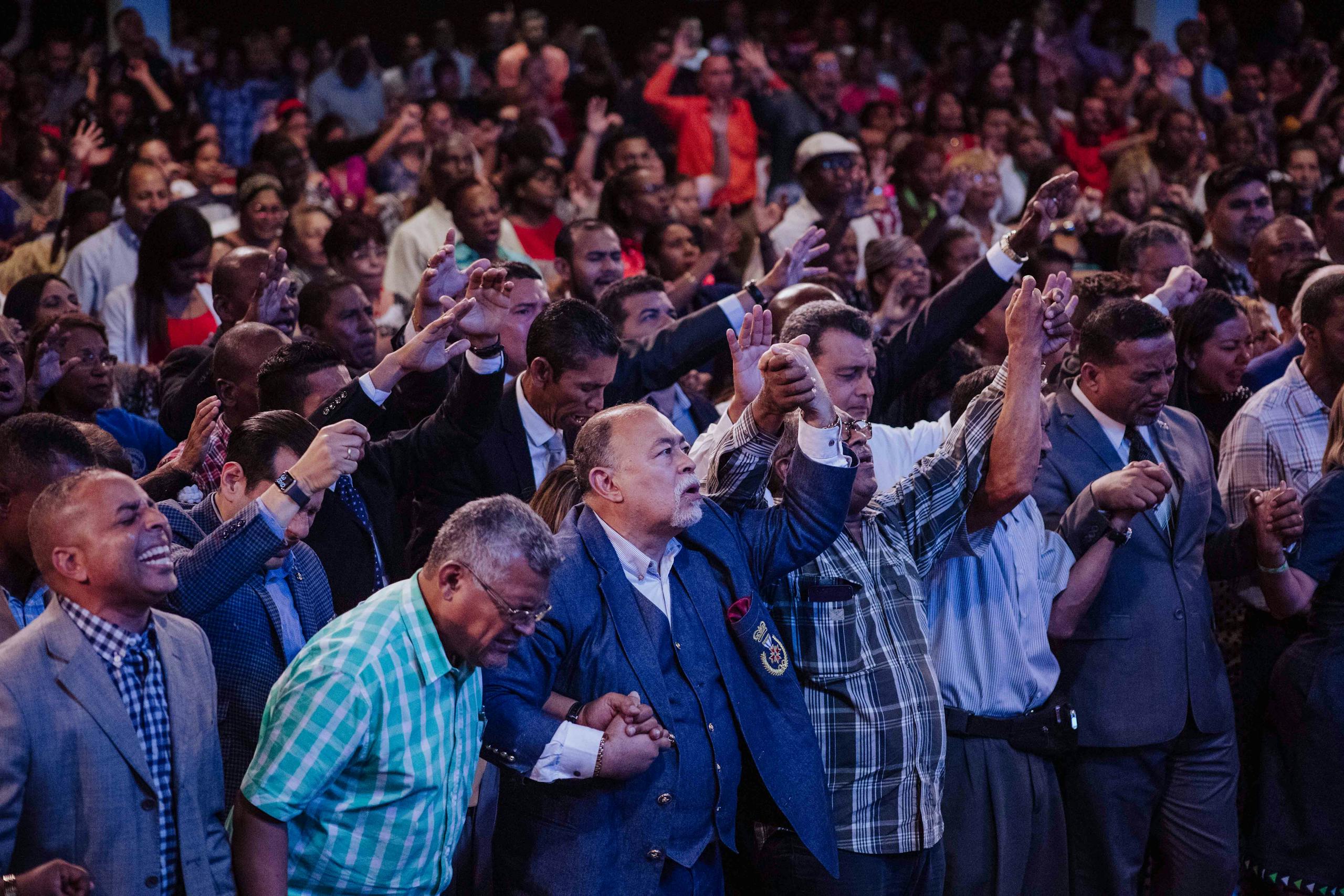
One of the most disturbing tactics was the use of religious language to make politics feel like a holy war. Some ads framed Hillary Clinton in extreme spiritual terms, pushing the idea that voting against her was not just a political choice but a moral battle.
That kind of messaging hits hard because faith is deeply personal for millions of Americans. Once politics is dressed up as good versus evil, compromise starts to look like betrayal.
This trick works because it does not ask people to think carefully. It asks them to react emotionally. A voter who believes their faith is under attack may share a post before checking who made it, who paid for it, or why it appeared in their feed. That is how propaganda becomes dangerous. It does not always invent new beliefs. Sometimes it simply hijacks beliefs people already hold.
They Used Immigration Fear to Spark Anger
Immigration was another major emotional trigger. Some ads pushed frightening images and messages suggesting that undocumented immigrants were violent threats to American safety. The goal was clear: make people feel invaded, cornered, and angry enough to stop seeing immigration as a policy issue. Instead, it became a fear issue.
That kind of messaging can turn regular citizens into suspicious neighbors. It can make people look at families, workers, and communities through the lens of panic. The most dangerous ads did not need to explain immigration law or border policy. They only needed to press the fear button hard enough. Once fear takes over, facts often arrive too late.
They Posed as Patriots to Stir Up Secession Talk
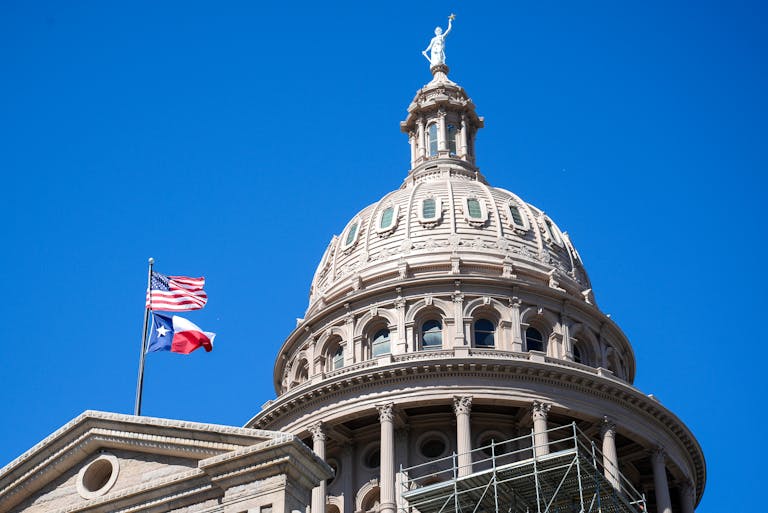
Some of the ads targeted Texans with messages about secession if Hillary Clinton won. That was not just a political disagreement. That was an attempt to push Americans toward the idea that losing an election meant the country itself was no longer worth belonging to. It took normal partisan frustration and dragged it toward something much more extreme.
This is where propaganda becomes especially poisonous. Democracy depends on people accepting losses, arguing again, voting again, and staying inside the same national house even when they hate the furniture.
Messages about breaking away feed the belief that political opponents are not fellow citizens anymore. They become enemies, invaders, or people to escape from. That is a brutal way to weaken a country from the inside.
They Exploited Gun Culture With Emotional Images

One Russian linked post promoted the idea of teaching children to use firearms for protection. In America, guns are already one of the most emotionally charged topics in public life. The ad did not need a long argument. It used the emotional force of children, safety, family, and fear all at once.
That combination is powerful because parents naturally want to protect their children. A post like that can make gun ownership feel less like a policy debate and more like a test of whether someone cares about their family. This is how manipulation works best. It takes a real concern and twists it into a political identity marker. Suddenly, disagreement feels personal, not practical.
They Tried to Split Democrats From the Inside
The ads did not only target conservatives or Trump supporters. Some pushed pro Bernie Sanders messaging and anti Hillary Clinton themes aimed at widening cracks inside the Democratic base. That made the operation more dangerous because it was not simply one sided cheerleading. It was emotional sabotage designed for multiple audiences.
This tactic understood something ugly about American politics: people often distrust their closest ideological neighbors more than they admit. A disappointed primary voter can be easier to inflame than a total political opponent.
By feeding resentment between Sanders supporters and Clinton supporters, the ads turned party tension into a deeper wound. The goal was not unity. The goal was frustration, suspicion, and withdrawal.
They Made Fake Grassroots Movements Look Real
The most effective propaganda often looks ordinary. These ads used names, pages, slogans, and imagery that felt local or familiar. They did not always scream “foreign interference.” Some looked like the kind of post a cousin, church member, veteran, activist, or neighbor might share. That is exactly why they were so dangerous.
Americans are more likely to trust content that feels like it came from their own side. A fake page that sounds patriotic, religious, progressive, conservative, or community minded can slip past people’s defenses. By the time the truth comes out, the emotional damage may already be done. The post has been shared, the argument has started, and the distrust has taken root.
They Turned Social Media Into a Political Trap

The broader lesson is bigger than one election. These ads showed how social media rewards emotion faster than accuracy. Anger travels quickly. Fear travels quickly. Humiliation, tribal pride, and moral panic travel even faster.
A foreign troll operation did not need to understand every American deeply. It only needed to understand which buttons Americans were already pressing on each other.
That is what makes the story so alarming years later. The same habits still exist. People still share posts before checking them. Political pages still use outrage as bait. Comment sections still reward the loudest voice over the clearest one. The Russian linked ads from 2016 were not just a strange historical scandal. They were a warning label for the modern American internet.
Conclusion
The most frightening thing about these ads is not that they were clever. It is that they were familiar. They sounded like America arguing with itself, which made them easier to believe and harder to catch. They used faith, guns, race, immigration, party loyalty, and patriotism as emotional fuel.
That should bother every American, no matter which side of politics they support. A country does not need to agree on everything to survive, but it does need enough trust to recognize manipulation when it arrives wearing a familiar flag.
The Russian linked ads proved that division can be bought, targeted, boosted, and disguised as everyday opinion. The real defense is not silence. It is slower thinking, better questions, and the courage to ask who benefits when Americans are furious at each other all the time.
I avoided claiming that the ads alone changed the election result, since official investigations documented interference but did not prove a precise voter impact figure. The safer and stronger angle is that the ads tried to inflame division, impersonate Americans, and exploit existing political tensions.