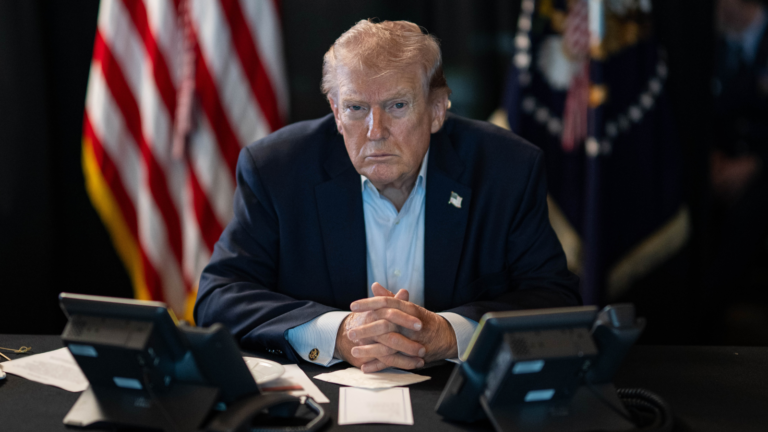
The Middle East rarely gives any leader a clean political stage, but Donald Trump’s regional ambitions now face a familiar complication: Benjamin Netanyahu. Their alliance still appears strong from the outside, yet the priorities behind it are no longer aligned
Trump wants deals, leverage, and a legacy built around regional power. Netanyahu wants military pressure, political survival, and security dominance. That clash is becoming one of the most important sources of tension shaping the region.
Netanyahu’s Gaza Strategy Keeps Regional Anger Burning

Trump’s Middle East vision depends heavily on stability, but the war in Gaza keeps inflaming public anger across the Arab world. Every new image of destruction makes it harder for Arab governments to move closer to Israel without facing backlash at home.
Netanyahu argues that Israel must keep military pressure on Hamas until the threat is neutralized. The problem is that prolonged war damages the diplomatic atmosphere Trump needs for bigger regional deals. Instead of opening doors, Gaza keeps slamming them shut.
Saudi and Israel Normalization Becomes Harder to Sell
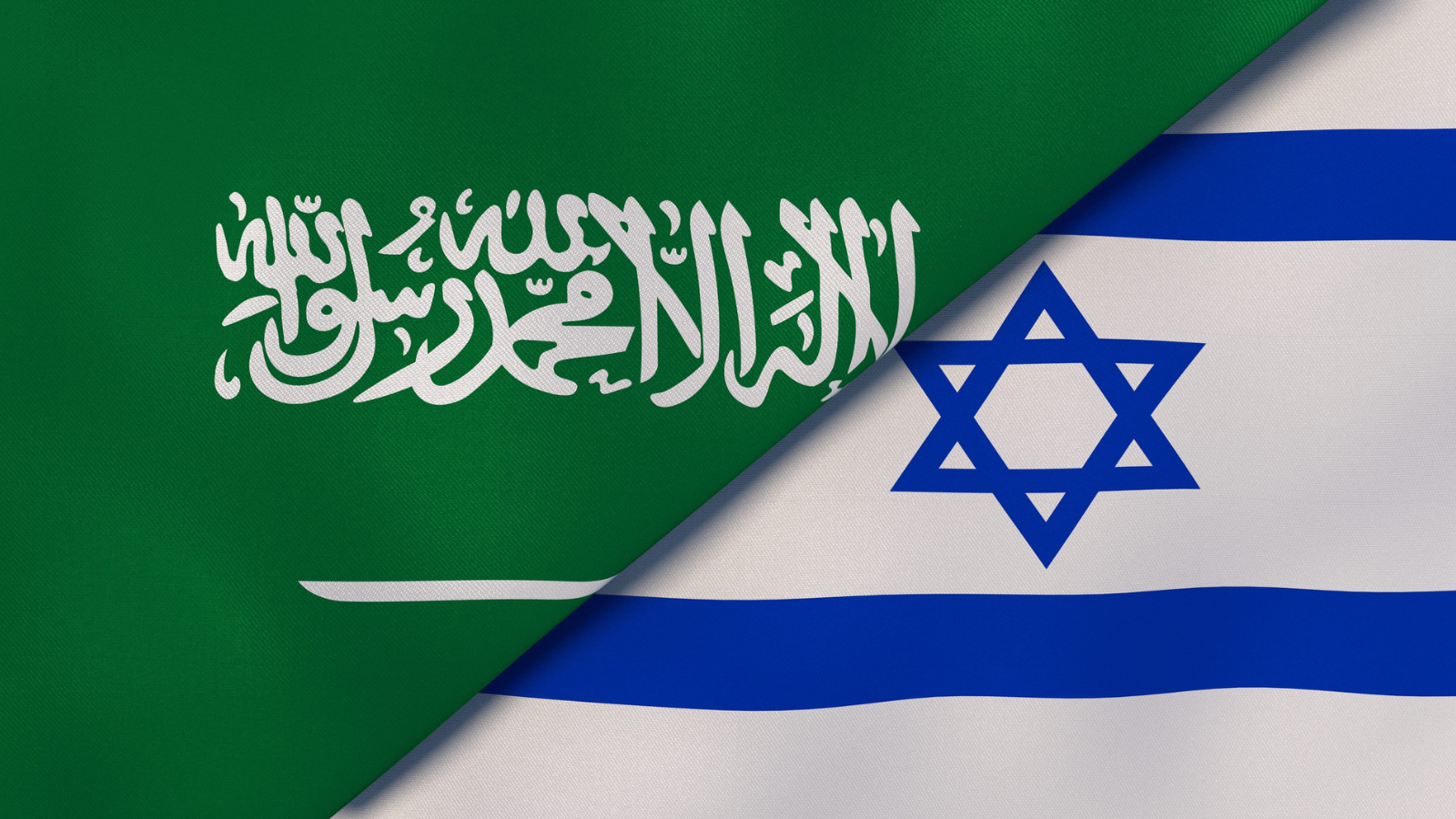
Saudi Arabia remains the biggest prize in any U.S. backed Middle East deal. A formal agreement between Saudi and Israel would give Trump the kind of diplomatic victory he could brand as historic.
Netanyahu’s wartime posture makes that deal much harder. Saudi leaders cannot ignore public outrage over Gaza, and they are unlikely to rush into normalization while Palestinian suffering dominates regional headlines. Trump may want the handshake, but Netanyahu’s strategy keeps making the room colder.
Iran Tensions Could Pull Trump Into a Bigger Crisis
Trump has long favored pressure on Iran, but that does not mean he wants a full regional war. His political brand depends on appearing strong without getting drawn into another costly Middle East conflict.
Netanyahu has a much more urgent view of Iran. Israel sees Tehran’s nuclear ambitions, missiles, and proxy networks as direct threats. If Netanyahu pushes confrontation too far, Trump could find himself managing the very escalation he prefers to avoid.
Netanyahu’s Political Survival Narrows His Choices
romayanu/123rf
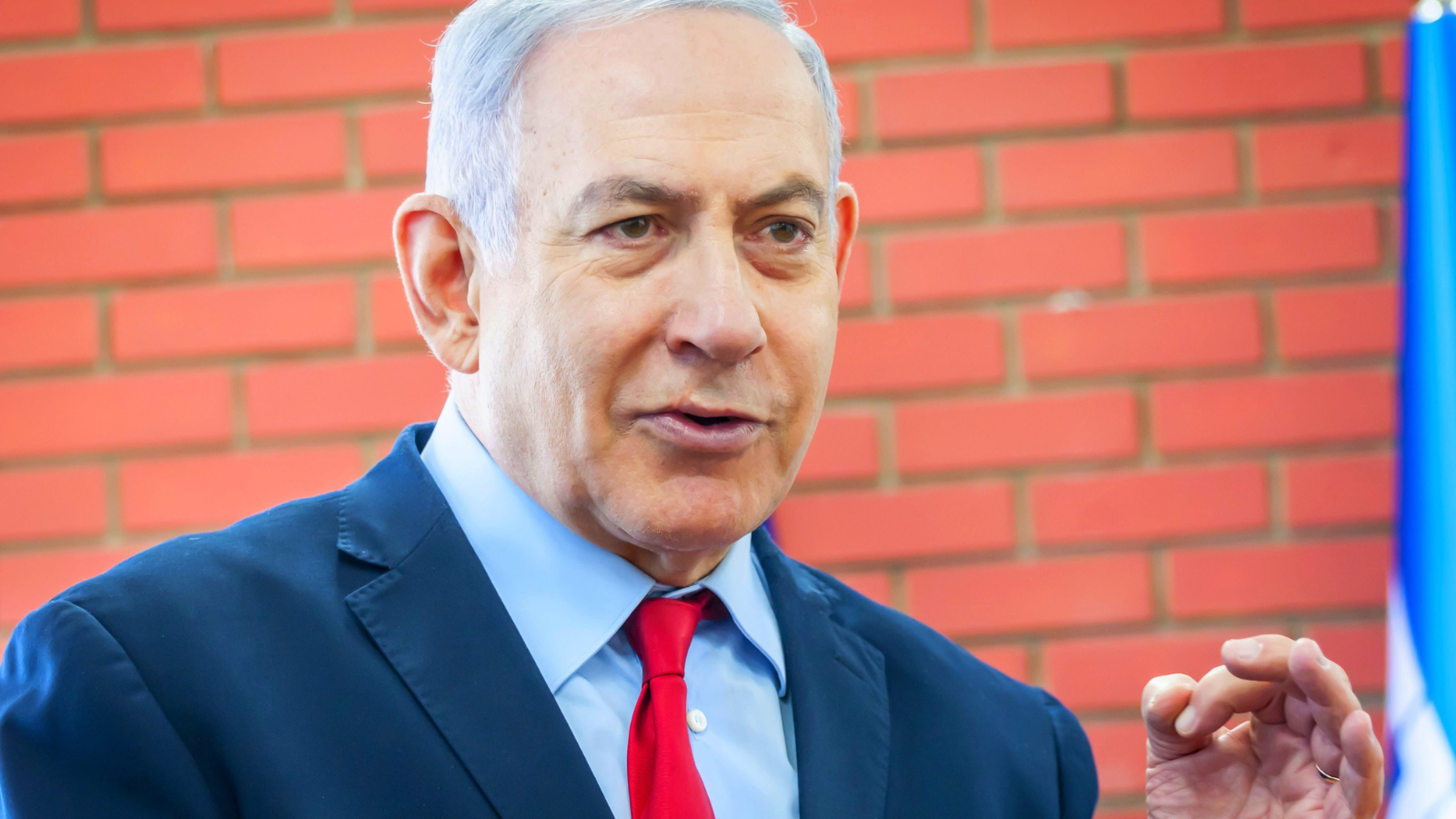
Netanyahu is not only making decisions as Israel’s prime minister. He is also making decisions as a leader, fighting for political survival inside a deeply divided country.
That pressure matters. A softer approach could anger hardline partners in his coalition, while a prolonged war delays some domestic political reckoning. Trump’s goals may be regional, but Netanyahu’s calculations are also personal and domestic.
Trump Wants Deals, Netanyahu Wants Deterrence
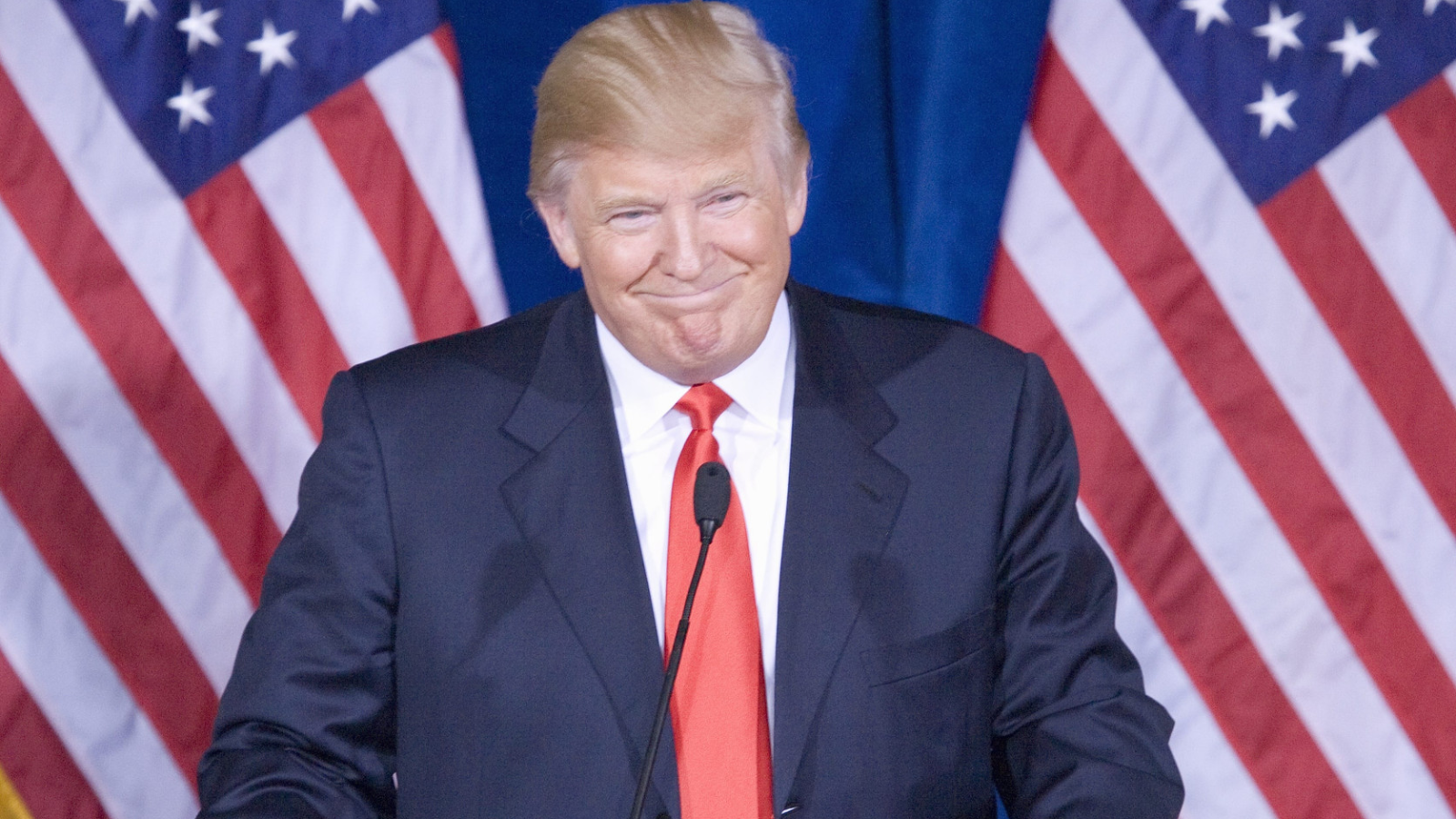
Trump’s foreign policy instincts often revolve around negotiation, optics, and leverage. He wants big announcements, visible wins, and agreements that show American influence.
Netanyahu is operating from a different playbook. His focus is deterrence, military credibility, and proving that Israel will punish threats with force. Those two approaches can work together for a while, but they clash when war begins to block diplomacy.
Arab Leaders Have Less Room to Compromise
Many Arab governments may privately value security cooperation with Israel and the United States. Publicly, however, Gaza has made compromise much more dangerous.
This puts Trump in a difficult position. He needs Arab leaders to participate in a regional reset, but Netanyahu’s actions leave them with fewer political options. Even friendly governments cannot look too eager while their citizens are furious.
American Conservatives Are More Divided Than Before

eamesbot/123rf
Support for Israel remains strong inside the Republican Party, but the old consensus is no longer as simple. A growing “America First” wing wants fewer foreign entanglements, less overseas spending, and more focus on domestic problems.
That creates a challenge for Trump. He cannot abandon Israel politically, but he also cannot look like Netanyahu is dragging him into an endless regional crisis. The more the war expands, the more uncomfortable that balance becomes.
The Humanitarian Crisis Weakens Israel’s Global Standing
Israel’s security concerns remain real, but the humanitarian toll in Gaza has changed global perception. Civilian casualties, displacement, hunger, and damaged infrastructure have turned the war into a public relations disaster for Israel’s closest allies.
Trump understands image better than most politicians. If Netanyahu’s war strategy keeps generating global outrage, Trump’s regional plans become harder to defend. Diplomacy needs trust, and the crisis keeps draining it.
Trump’s Legacy Goals Are Running Into Netanyahu’s War Goals
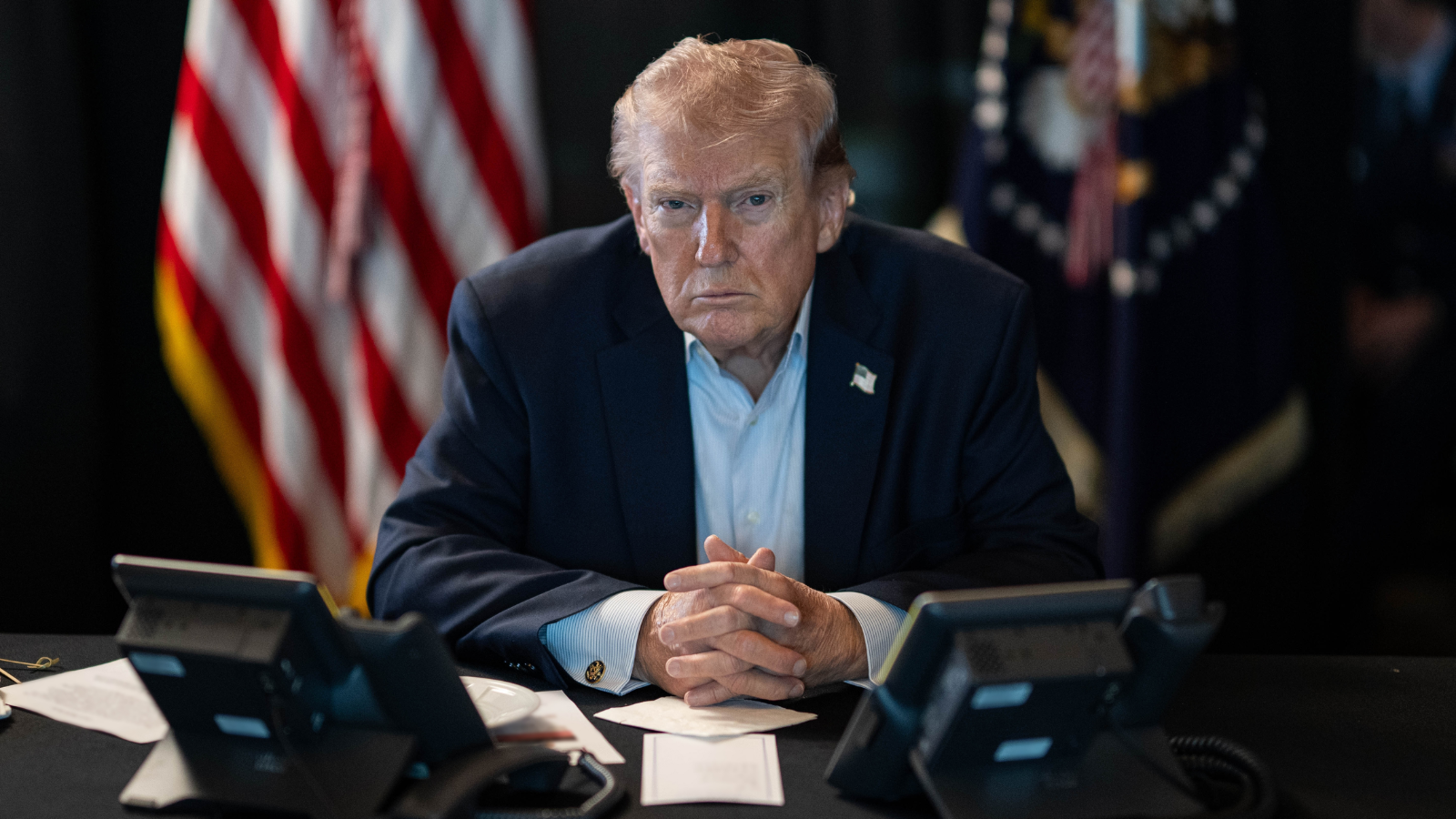
Trump wants to be remembered as the leader who reshaped the Middle East through strength and dealmaking. Netanyahu wants to be remembered as the leader who protected Israel against its enemies at any cost.
Those goals are not always compatible. One needs to be calm enough for agreements. The other accepts pressure, conflict, and escalation as the price of survival. That is why Netanyahu is no longer just Trump’s ally in the region. He is also becoming one of the biggest obstacles to Trump’s Middle East agenda.
Conclusion
Trump and Netanyahu still share enemies, interests, and a long political history. But the Middle East has changed, and its priorities are no longer perfectly aligned. Trump needs stability, Saudi cooperation, and diplomatic momentum. Netanyahu needs military pressure, coalition support, and domestic survival.
That gap is where the tension now lives. The alliance may continue, but it is no longer frictionless. In a region where every move creates a reaction, Netanyahu’s strategy could make Trump’s biggest Middle East promises much harder to deliver.