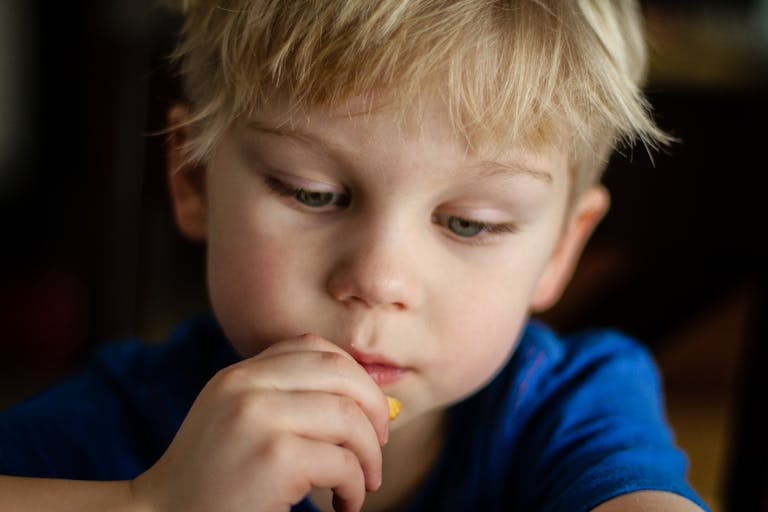
America’s baby conversation has changed. For years, people treated parenthood as the natural next step after adulthood, marriage, and stable work. Now, more Americans are looking at the cost, pressure, health risks, climate anxiety, unstable relationships, and daily exhaustion of modern life and deciding that having children no longer feels automatic.
The shift is not just emotional. It is measurable. The U.S. total fertility rate fell to about 1.62 births per woman in 2023, far below the replacement level of 2.1. Pew Research Center also found that 57% of adults under 50 who are unlikely to have children say a major reason is simple: they just do not want to. That blunt answer may sound cold to older generations, but for many younger adults, it feels honest, practical, and overdue.
Many Americans Simply Do Not Want the Parenting Life
The biggest reason more Americans do not want kids is also the one people often try to explain away. Many adults are not waiting for better timing, more money, or the perfect partner. They have looked at parenthood closely and decided it does not match the life they want. That choice is becoming easier to say out loud because childfree adults now see more examples of full lives built around travel, careers, friendships, pets, creative work, caregiving, and personal freedom.
This matters because the old script treated children as proof of maturity. Today, more adults see maturity as knowing what they can handle and what they genuinely want. Parenthood requires time, money, sleep, patience, emotional labor, and lifelong responsibility. When someone says they do not want kids, many are not rejecting family. They are rejecting a version of adulthood that was handed to them without asking.
The Cost of Raising a Child Feels Brutal

Money is one of the loudest reasons Americans hesitate. Housing, groceries, insurance, transportation, medical bills, and student loans already stretch many households. Adding a child can feel like adding a second financial life before the first one is stable. Recent inflation adjusted estimates place the cost of raising a child through age 18 at roughly hundreds of thousands of dollars, before college even enters the picture.
For many couples, the math feels unforgiving. Childcare can rival rent in some cities. A bigger home may be needed. Health insurance costs can rise. One parent may reduce hours or leave work, which lowers income right when expenses climb. We can call parenting priceless, but bills still arrive in real dollars. That financial pressure makes some adults ask a hard question: can we give a child a good life without destroying our own stability?
Childcare Has Become a Crisis Inside the Decision
The childfree debate often focuses on birth, but many Americans are more worried about what happens after the baby arrives. Childcare is expensive, hard to find, and emotionally stressful to manage. Parents may spend months on waitlists, rearrange work schedules, or depend on grandparents who may still be working themselves. For adults without strong family support nearby, the idea of raising children can feel almost impossible.
This is where the decision becomes less about love and more about infrastructure. Many people like children. They may even imagine themselves as good parents. What stops them is the system around parenting. When paid leave is limited, childcare is costly, and work culture rewards constant availability, parenthood can feel like a private burden created inside a public failure.
Medical Concerns Make Parenthood Feel Riskier

Some Americans do not want kids because of medical reasons, and that category is broader than many people assume. It can include infertility, chronic illness, genetic conditions, disability, mental health concerns, pregnancy complications, or fear of losing access to safe reproductive care. For women especially, pregnancy is not a simple lifestyle choice. It can change the body, career, health, finances, and future in permanent ways.
Medical concerns also affect men and partners who worry about passing on health conditions, managing caregiving responsibilities, or supporting a high risk pregnancy. In a country where medical bills can become financially devastating, the health side of parenthood feels heavier. Some adults decide that avoiding parenthood is not selfish. It is a protective choice based on real limits.
Many Adults Have Not Found the Right Partner
Parenting with the wrong person can turn a dream into a lifelong conflict. That fear keeps many Americans from having children, especially those who watched difficult marriages, messy separations, or unstable co parenting situations growing up. Some adults would rather remain childfree than tie themselves permanently to someone who is unreliable, emotionally unavailable, financially careless, or unsure about family life.
The decline in marriage rates and the rise of delayed partnerships also affect the decision. People are dating longer, marrying later, and becoming more cautious about commitment. For some, that caution is healthy. They understand that children need more than two adults in the same house. They need emotional safety, consistency, patience, and teamwork. Without that foundation, many adults choose peace over pressure.
Age Makes the Decision More Complicated

Age works in two opposite directions. Younger adults may feel too early, too broke, too unsettled, or too focused on building their lives. Older adults may feel the window has narrowed, their energy has changed, or the medical risks have grown. By the time some people feel financially and emotionally ready, they may no longer feel physically ready.
This delay is reshaping American family planning. More people spend their twenties surviving rent, debt, education, career shifts, and unstable relationships. Then their thirties arrive with higher expectations and less time. The result is a quiet squeeze. People are told to wait until they are ready, then judged when waiting changes the answer.
The State of the World Makes Parenthood Feel Heavy
Many Americans are not just thinking about diapers and daycare. They are thinking about school shootings, political division, climate disasters, online harm, loneliness, economic shocks, and the rising cost of basic life. Bringing a child into the world can feel emotionally complicated when the future looks unstable. This does not mean people believe life has no beauty. It means they feel the weight of responsibility more sharply.
The phrase state of the world can sound vague, but the fear behind it is specific. Parents must explain danger, protect innocence, pay for safety, and prepare children for a future that feels less predictable than the one they inherited. Some adults decide they do not want that burden. Others feel it would be unfair to bring a child into a world they already struggle to trust.
Climate Anxiety Has Entered Family Planning

Climate change is not the top reason most Americans avoid children, but it has become part of the conversation. Heat waves, wildfires, floods, storms, droughts, and rising insurance costs make the future feel less abstract. Younger adults have grown up with climate warnings as background noise, and some now connect those warnings to family planning.
For some people, climate anxiety is about the planet. For others, it is about quality of life. They wonder what food prices, housing safety, migration, health risks, and disaster recovery will look like over the next several decades. Even when climate is not the deciding factor, it can reinforce a larger feeling that parenthood now comes with more uncertainty than previous generations faced.
Some Parents Do Not Want More Children
The conversation is not only about adults with no kids. Many parents are also deciding one child is enough, or that their family is complete sooner than expected. They already know what parenting costs because they are living it. They know the sleep loss, childcare bills, emotional strain, school logistics, medical appointments, and career sacrifices. That lived experience can make the decision against more children feel clear.
This is important because it challenges the idea that people avoid children only because they misunderstand parenthood. Many parents understand it deeply and still choose not to expand their families. They may love their children fiercely and still admit that another baby would stretch the household too far. That honesty is becoming more common, and it may be one of the clearest signs that America’s family model is changing.
Conclusion
Americans are not rejecting children for one neat reason. They are responding to a life that feels more expensive, more unstable, more demanding, and less forgiving than the one previous generations were promised. Some simply do not want kids, and that answer deserves to stand without interrogation.
Others might have wanted children in a different economy, with better healthcare, stronger family support, cheaper childcare, or a more hopeful future.
The deeper story is not that Americans suddenly dislike children. It is that more adults are taking parenthood seriously enough to say no when the life around them does not support it. That may sound alarming to people worried about birth rates, but it also reveals something honest about modern adulthood. People are no longer treating parenthood as an obligation.
They are treating it as a choice with consequences, and many are deciding the cost is too high.