A 25-year-old mother of six has turned a defense of her own motherhood into an argument about women who choose not to have children. In a TikTok video, the creator behind @lyndsayb12 said she had spent nearly every year since age 15 pregnant or breastfeeding. She loves being a mother, she explained, even though she had recently said she did not want another baby at that moment.
She said she had adjusted to raising five children, returned to the gym, and felt good about her body and discipline. Commenters apparently read her admission as resentment toward motherhood. She pushed back, saying she wakes up happy to care for her children and has breastfed five of her six.
The sharpest part came when she addressed women criticizing her. She suggested some appeared miserable despite being attractive and having no children. Her video reflects her reaction to critics in her comment section; it does not establish that most women without children are unhappy.
Her story includes a substantial support system
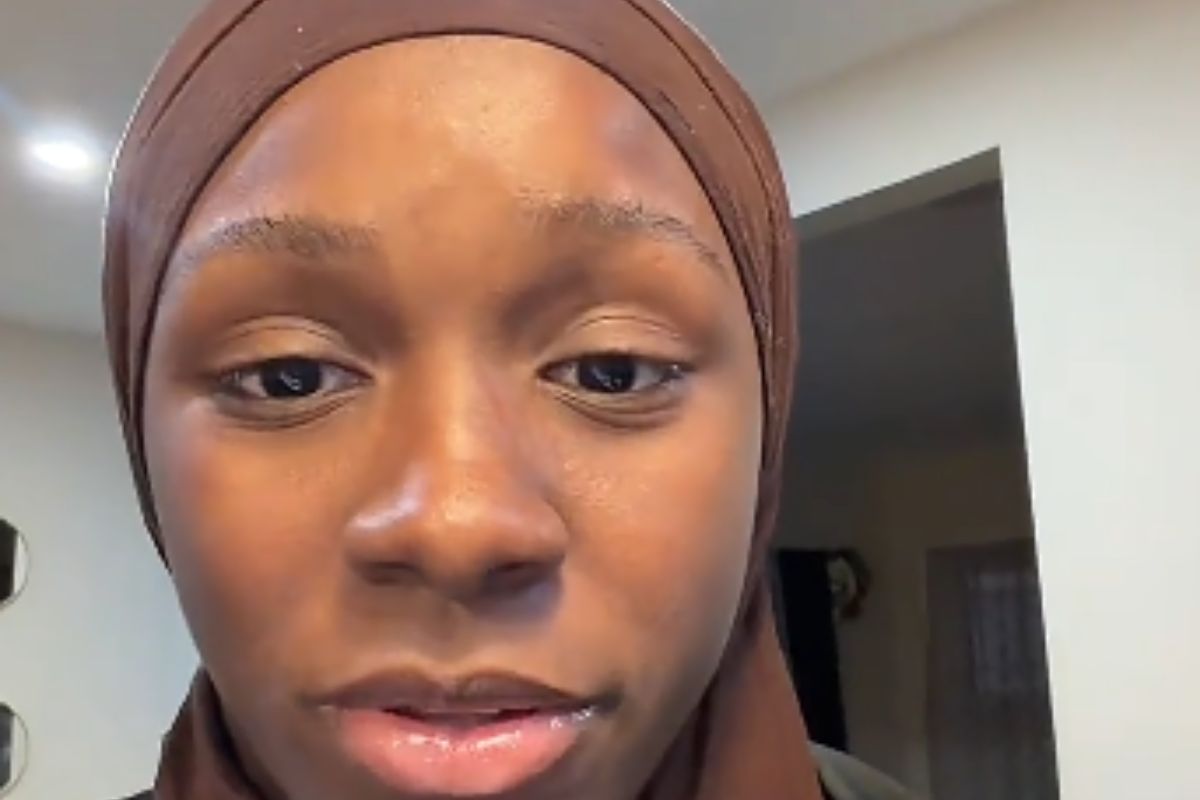
The creator, currently a single mom, said her father supported her and her children as a teenager, paid her rent after she turned 18, bought her a car, covered bills, and later wired nearly $10,000 to help her buy a house. She also relied on her husband and continued calling her father when she needed help.
Her comments about her own mother were more severe. She said her mother had little involvement with the grandchildren and suggested cigarettes and alcohol were how she coped with motherhood.
She also described people who smoke and drink as mentally weak. Turning a personal decision to avoid those habits into a measure of another woman’s character is harsh, especially when she cannot fully know their circumstances.
Why does her father take on responsibility for her baby daddy anyway?
Her father’s involvement also raises questions about how parenting responsibilities are distributed after a relationship ends. The creator admitted that even when she was married, she continued turning to her father for help, sometimes upsetting her husband in the process. She said she believed her father appreciated being someone his daughter could depend on.
Now that she is single, the extent of her father’s involvement becomes an interesting part of her family story. The video does not explain what financial or parenting responsibilities the children’s father currently assumes, or how much of that work falls on her own father. That distinction matters when evaluating the support she receives and the demands of raising six children.
Adults without children do not describe one shared life
A July 2024 Pew Research Center report surveyed 2,542 adults age 50 and older who had never had children, plus 770 adults ages 18 to 49 who had no children and said they were unlikely to have them.
Among the younger group, 71% said having a fulfilling life has little to do with whether someone has children; the figure was 66% among older adults without children. Pew also found that 64% of women under 50 who were unlikely to have children named simply not wanting them as a major reason.
The survey measured views about fulfillment, not each respondent’s daily happiness. Its results give no statistical basis for branding childfree women as miserable.
More women are delaying motherhood
The U.S. Census Bureau’s analysis of its Current Population Survey Fertility Supplement shows how much the timing of motherhood has shifted. In 2024, 63% of women ages 25 to 29 had not had children, up from about 50% in 2014. Among women ages 20 to 24, the share without children rose from about 75% to 85%. The share of women ages 45 to 50 without children fell from 16.7% in 2014 to 14.9% in 2024, suggesting some women were having children later. These figures describe childbearing by age, not a permanent choice to remain childfree.
The creator’s timeline is unusual in the current U.S. context. The Centers for Disease Control and Prevention’s National Center for Health Statistics reported that the birth rate for teenagers ages 15 to 19 fell to 11.7 births per 1,000 females in 2025, down 7% from 2024 and another record low. Her account of becoming a mother at 15 and having six children by 25 is far from the typical experience of American women her age.
A happy mother does not get to grade every other woman
The U.S. Surgeon General’s 2024 advisory on parental well-being reported that 48% of parents said their stress felt completely overwhelming on most days, compared with 26% of other adults. The finding shows that raising a family can be demanding even for people who love their children.
The creator is entitled to take pride in her family, fitness, and the discipline she says helps her manage daily life. She is also entitled to say she did not want another pregnancy at one point. A mother can need a break, miss her old routine, or feel finished having children for now while still loving the children she has.
The uncomfortable truth in this debate is how quickly women turn their own choices into verdicts on other women. The creator’s happiness is real as her own account of it. The misery she assigns to women criticizing her is speculation. Six children do not make someone an authority on every woman’s inner life.
Women should be allowed to love motherhood loudly. Women who do not want children should be allowed to say so without being treated as bitter, jealous, or broken. A comment section is not a reliable measure of somebody else’s happiness.