Turn on the radio in traffic, scroll TikTok after work, or sit in a barbershop on a Saturday afternoon, and sooner or later, a rap song will mention guns, hustling, prison, betrayal, money, police, or survival. For some Americans, that sounds like glorifying crime. For others, it sounds like someone finally saying out loud what life feels like in neighborhoods that rarely get gentle headlines.
Rap has always made America uncomfortable because it refuses to wear church clothes for polite company. It can sound like a confession, a movie scene, a warning, a diary entry, a street sermon, and a business plan all at once. The crime talk is not always literal. It is not always fake, either. That gray area is exactly why the subject keeps pulling people in.
Rap Came From Places America Often Ignored

Hip-hop was not born in a boardroom with a marketing team and a clean press release. It came from block parties, apartment buildings, street corners, playgrounds, family pressure, police tension, and young people creating sound out of whatever they had. It grew in places where survival was not a metaphor. It was rent, food, safety, respect, and getting home alive.
That background matters because the music carried the pressure of the environment that created it. Hip-hop grew from the economically struggling South Bronx in the late 1970s, where young people built a culture around rapping, DJing, dance, graffiti, style, and voice. Hip-hop began there.
When American rappers talk about crime, they often draw on a world where crime wasn’t a TV plot. It was part of the neighborhood weather.
Crime Lyrics Can Sound Like Neighborhood Reporting
Some rap songs work like the evening news, except the reporter is not standing in a blazer outside yellow tape. The rapper is telling the story from the corner, the stoop, the county jail call, the funeral repast, the apartment complex, or the backseat of a car, where everyone is pretending not to be scared.
That is why crime lyrics can feel so vivid. They often describe who got arrested, who got betrayed, who disappeared, who made money, who lost everything, and who learned too late that the streets do not love anyone back. To outsiders, it may sound like bragging. To some listeners, it sounds like a neighborhood talking to itself because nobody else bothered to listen.
Survival Gets Mistaken for Celebration
America loves to confuse description with approval. A rapper can describe drug dealing, gun violence, or police pressure, and some listeners immediately assume the song is cheering it on. Sometimes rappers do glorify danger, but plenty of songs are more complicated than that. They are about pressure, fear, poverty, and what people do when they feel cornered.
Hip-hop has long reflected poverty, drugs, gang violence, and other realities in parts of urban America. Urban realities shaped the music in ways that still echo today. A song about crime may not be saying, “This life is beautiful.” It may be saying, “This life is what I saw before I had better words for pain.”
Prison Is Too Close to the Story
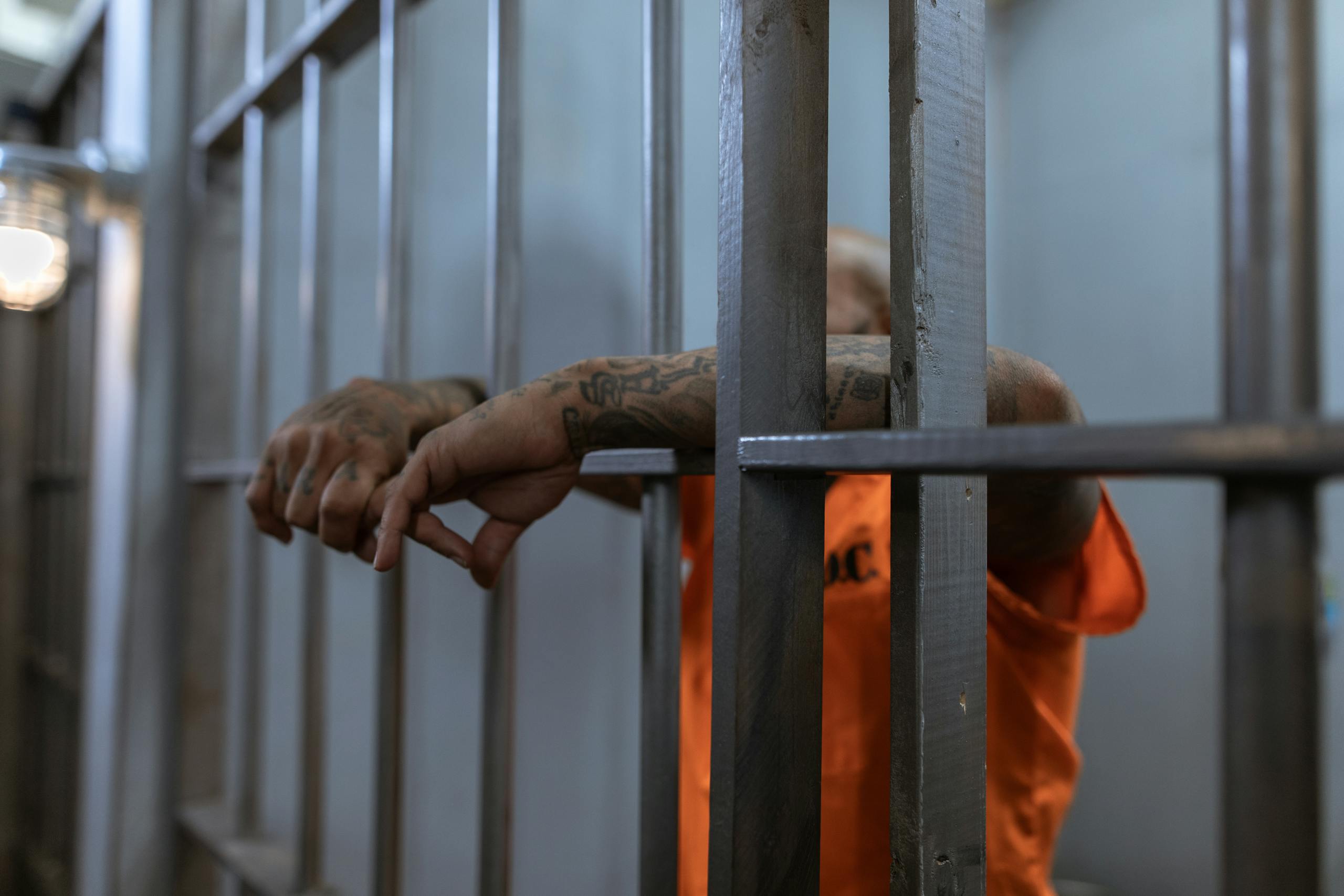
For many Americans, prison is something they see on true crime shows. For many rap communities, prison can be a family experience. A cousin is locked up. A father missing for years. A friend is waiting for a trial. A boyfriend calling from the county. A mother saving money for the commissary. That reality naturally enters the music.
The scale of incarceration has shaped generations of families, especially in communities that have been heavily policed and heavily punished.
One major report estimated that one in five Black men born in 2001 is likely to experience imprisonment in his lifetime, even after a decline from earlier generations. One in five. That kind of shadow does not stay out of art. It becomes a verse, a hook, a warning, or a wound.
Pain Sounds Different Over a Beat
Rap can make pain sound confident. That is part of its magic and part of why people misunderstand it. A rapper may deliver a line about violence with swagger, but under that swagger may be grief, fear, numbness, revenge, trauma, or a memory that never stopped making noise.
A beat can turn a funeral into a chant. It can turn fear into posture. It can turn trauma into something a person can survive for three minutes and thirty seconds. Exposure to community violence can seriously affect young people’s mental health, especially when violence becomes part of the environment in which they grow up. Community violence affects the mind long before it becomes music.
The Music Business Rewards Danger
America criticizes violent rap, then streams it, quotes it, debates it, reacts to it, and turns it into content. That contradiction is important. The industry knows that danger sells. A calm song about healing may be meaningful, but a dangerous image can move faster through timelines, playlists, blogs, gossip pages, and comment sections.
Some rappers lean into crime-heavy themes because attention is currency. The scarier the persona, the more clickable the artist can become. That does not mean every rapper is pretending. It means the market often rewards the hardest version of the story. When danger becomes profitable, the music business rarely asks for softer truths.
Some Rappers Are Playing Characters
American entertainment has always loved characters who break rules. Gangster movies, mob dramas, outlaw westerns, antihero TV shows, crime novels, and true-crime podcasts all prove that. Rap is no different. Some artists create a larger-than-life version of themselves, part real and part performance.
The problem is that rap feels so personal that listeners often treat every line like sworn testimony. A rapper may be telling a story, exaggerating a persona, speaking from memory, borrowing neighborhood folklore, or building a brand. Sometimes the line between art and reality gets messy. That messiness is part of rap’s power and part of why it attracts so much controversy.
Crime Talk Can Be a Warning, Not an Invitation
Some of the strongest rap songs about crime do not make street life sound fun. They make it sound exhausting. Paranoia, funerals, prison calls, dead friends, family pain, guilt, betrayal, and regret are everywhere in the music if people listen closely enough.
A rapper may describe hustling to show the trap, not sell the lifestyle. The story may sound cinematic, but the ending is often ugly. The friend dies. The money vanishes. The trust breaks. The police arrive. The family suffers. The artist survives but does not always sound free. That is not a celebration. That is a warning with bass.
Authenticity Has Become a Trap
Rap fans often demand “realness.” They want artists to sound authentic, not manufactured. But that demand can turn dangerous when “real” gets confused with violent, criminal, reckless, or always ready for conflict. An artist who grows, heals, moves away, gets therapy, or chooses peace may get accused of going soft.
That pressure can keep crime themes alive even after a rapper becomes successful. Some artists escape the conditions that shaped them, but still feel expected to perform the danger that made people believe in them. It becomes a trap. Fans want growth, but only if it still sounds dangerous enough to entertain them.
America Has Always Been Obsessed With Outlaws

Rap did not invent America’s love of crime stories. This country has always been fascinated by people who break rules with style. Cowboys, mobsters, bootleggers, bank robbers, biker gangs, prison escapees, cartel dramas, and mafia movies have been part of American entertainment for decades.
That is why the outrage around rap can feel selective. A gangster film is called gritty. A crime podcast gets called fascinating. A prestige TV villain gets called complex. But when a rapper tells a crime story from the block, people suddenly act like America has never enjoyed outlaw mythology before. Rap did not create the obsession. It made it rhyme.
Crime Lyrics Make America Look in the Mirror
The reason crime keeps showing up in rap is simple: crime keeps showing up in America. Poverty, broken schools, prison, drugs, guns, policing, trauma, money hunger, and survival pressure do not disappear because listeners want cleaner playlists. Rap often forces the country to hear what it would rather mute.
That does not mean every lyric is responsible. It does not mean every artist should be excused. It means the music is bigger than easy judgment. Rap is not only a soundtrack to crime. It is also a soundtrack to inequality, ambition, grief, performance, and the complicated American hunger to turn pain into money.
Conclusion
American rappers rap about crime because crime sits close to many of the stories hip-hop was built to tell. Some lyrics are memories. Some are warnings. Some are exaggerations. Some are business moves. Some are trauma dressed in confidence. Some are characters created for an audience that claims to hate danger but keeps pressing play.
The mistake is treating every crime lyric as either pure confession or pure glorification. Rap is messier than that because America is messier than that. If the country wants to understand why crime keeps showing up in the music, it has to look beyond the beat. It has to look at neighborhoods, prisons, poverty, fame, trauma, and a culture that has always loved outlaw stories as long as someone else was paying the price.