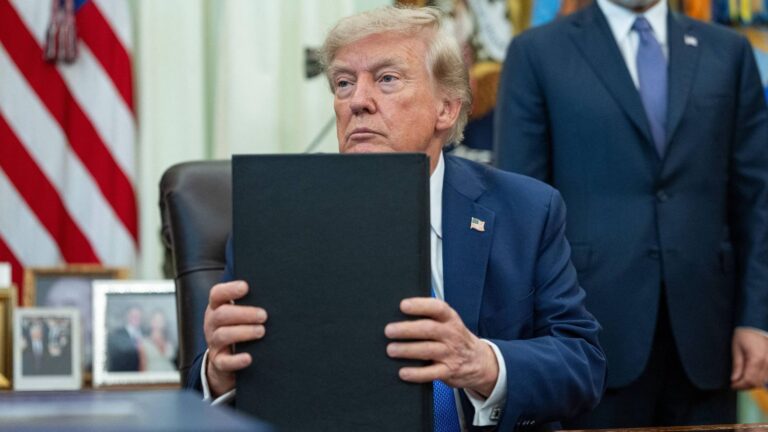
Rosie O’Donnell has returned to one of the central arguments in her decades-long feud with President Donald Trump: that television helped create a polished character that many Americans eventually accepted as reality.
During a July 15 appearance on the Drama Queens podcast, O’Donnell argued that Trump was marketed to the country as a brilliant billionaire whose instincts were rarely wrong. In her telling, The Apprentice did more than entertain viewers. It transformed a controversial New York businessman into a national symbol of wealth, authority and decisive leadership.
“He was never a successful businessman,” O’Donnell said, offering her opinion of Trump’s record. She claimed that the television franchise fed viewers a misleading story about his wealth and abilities for years.
Her language was fierce, but the broader question behind it is serious: How much political power can be built inside an editing room?
O’Donnell Says Television Sold America a Character

The Apprentice premiered on NBC in 2004 with a simple but powerful formula. Ambitious contestants competed for a position inside Trump’s business organization while Trump sat at the head of a dramatic boardroom table, judged their performances and dismissed one contestant with the phrase, “You’re fired.”
The program gave viewers a carefully constructed image. Trump appeared to own dazzling buildings, command loyal employees and make difficult business decisions without hesitation.
O’Donnell said that image was a “lie” presented through The Apprentice and its celebrity edition. She also alleged that damaging footage showing Trump’s private behavior was kept away from the public.
Her criticism is supported, at least in part, by people who worked around the program.
Jonathon Braun, a supervising producer, previously said editors sometimes had to rebuild episodes around Trump’s unpredictable decisions. When Trump selected someone for elimination, producers searched through available footage to make the decision appear reasonable to viewers.
Former NBC marketing executive John D. Miller later expressed regret for helping promote Trump as an extraordinarily successful business leader. Miller said the network created a narrative in which Trump lived like royalty and operated as a superior executive, an image he described as significantly exaggerated.
Reality television never promised to function as a financial audit. Its purpose was drama, suspense and ratings. However, millions of viewers encountered Trump through the show, not through bankruptcy filings, financial statements or complicated reporting about his companies.
The character was simple: Trump was rich, Trump was powerful, and Trump always knew whom to fire.
The Business Record Was More Complicated
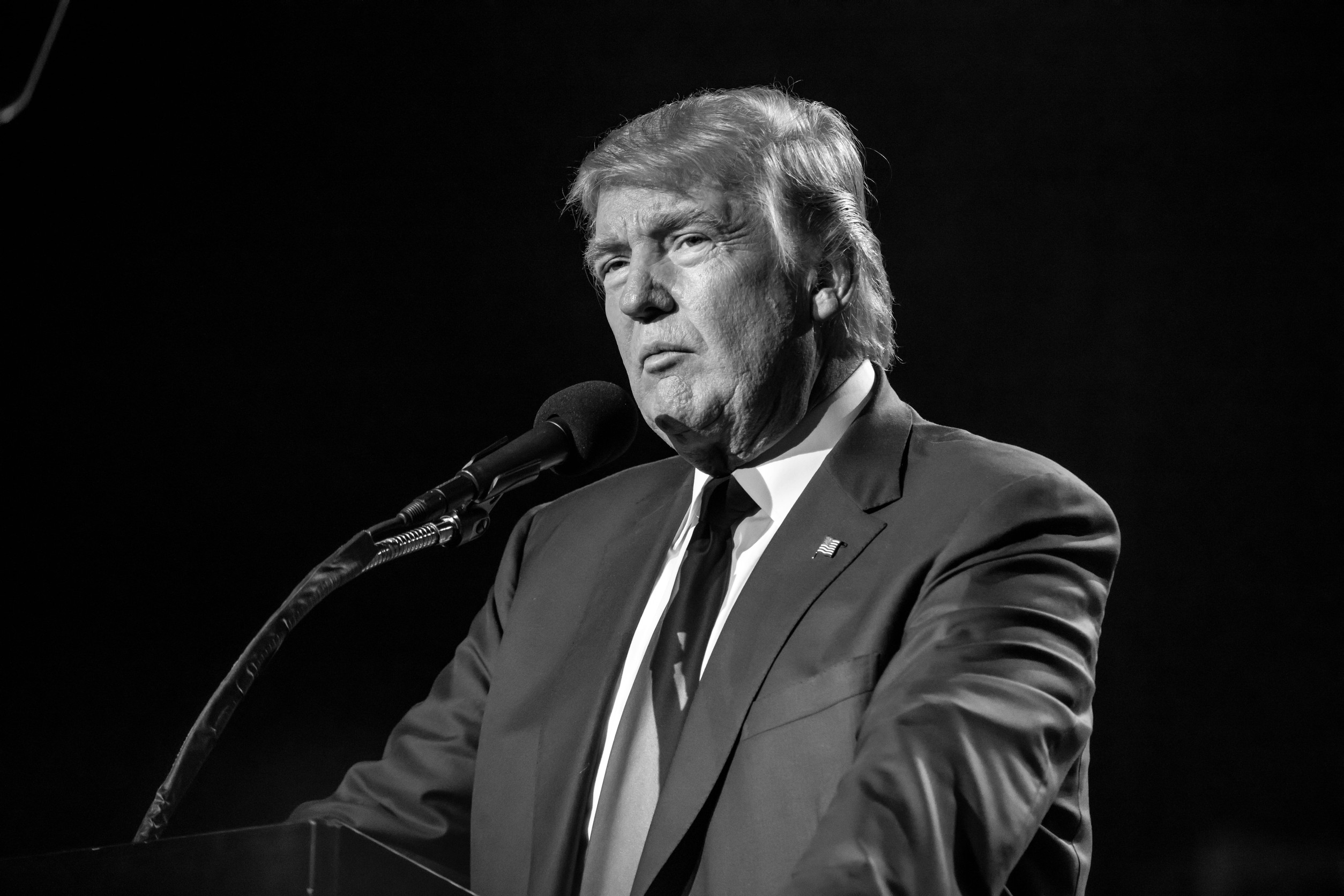
Trump undeniably achieved fame in real estate, licensing, entertainment and branding. His name appeared on hotels, casinos, golf courses, residential buildings and consumer products.
Yet his business history also included major failures and corporate bankruptcy proceedings involving casino and hotel operations. Those were business bankruptcies, not personal bankruptcy filings, an important distinction that is often lost in political arguments.
O’Donnell’s sweeping declaration that Trump “was never a successful businessman” remains her personal judgment. Business success can be measured through wealth, survival, influence, branding or profitability, and Trump has long claimed that his record proves his skill.
What is far less debatable is that The Apprentice simplified a complicated financial history. The program did not present Trump as a businessman with victories, losses, inherited advantages, debt disputes and failed ventures. It presented him as the unquestioned master of the boardroom.
That image became politically valuable when Trump launched his presidential campaign. A candidate who had spent years playing a decisive executive on television entered politics with a character already familiar to millions of Americans.
O’Donnell believes many voters were not persuaded by a traditional political résumé. They were persuaded by a television story they had watched for years.
The 34-Count Conviction Raises a Different Question
O’Donnell also criticized people who continued supporting Trump despite his criminal conviction and other controversies.
For accuracy, Trump was not convicted in 34 separate criminal cases. On May 30, 2024, a Manhattan jury found him guilty on 34 felony counts of falsifying business records in the first degree. Prosecutors said the records concealed reimbursements connected to a payment made before the 2016 election.
Trump denied wrongdoing, called the prosecution politically motivated and pursued an appeal.
In January 2025, Justice Juan Merchan imposed an unconditional discharge. That meant Trump received no prison sentence, fine or probation, although the conviction remained on the record.
The appeal was still moving through New York’s courts in 2026. A May 19 court order confirmed that Trump had perfected his appeal and that the appellate court was accepting supporting legal briefs.
Trump’s supporters frequently argue that the case was legally weak, politically driven, or irrelevant to his performance as president. O’Donnell sees continued support differently. She believes many voters have become so invested in Trump’s public character that abandoning him would require admitting they had been misled.
“It’s very hard for people to realize that they fell for it,” she said.
A Feud That Became Part of American Politics
The hostility between O’Donnell and Trump began publicly in 2006 after she criticized him on The View during a discussion about Miss USA winner Tara Conner. Trump responded with personal insults and described O’Donnell as “a woman out of control.” Their conflict continued long after both had left their original television roles.
What began as a celebrity quarrel eventually became something larger. Trump moved from reality television into the White House. O’Donnell became one of his most persistent celebrity critics.
Her latest comments are unquestionably partisan and deeply personal. Still, the history of The Apprentice gives her argument weight beyond the familiar insults.
The show did not invent Trump’s ambition, wealth or talent for self-promotion. It did, however, package those qualities into a powerful national myth.
Years later, Americans are still debating where the television character ended, and the political leader began.