Weddings are moments meant to shine with joy, love, and celebration, but a few missteps can instantly overshadow the couple’s hard work. Guests play a crucial role in maintaining the atmosphere, and a single faux pas can ripple across the day. From wardrobe blunders to behavior misfires, understanding proper etiquette ensures you contribute positively and keep the focus where it belongs—on the bride and groom.
Observing these boundaries is more than tradition; it is respect for the couple’s planning, their budget, and the memories they are building. We break down the 13 key mistakes guests should never make, helping you navigate wedding etiquette with confidence and grace.
Showing Up Dressed Like You Are the Main Event
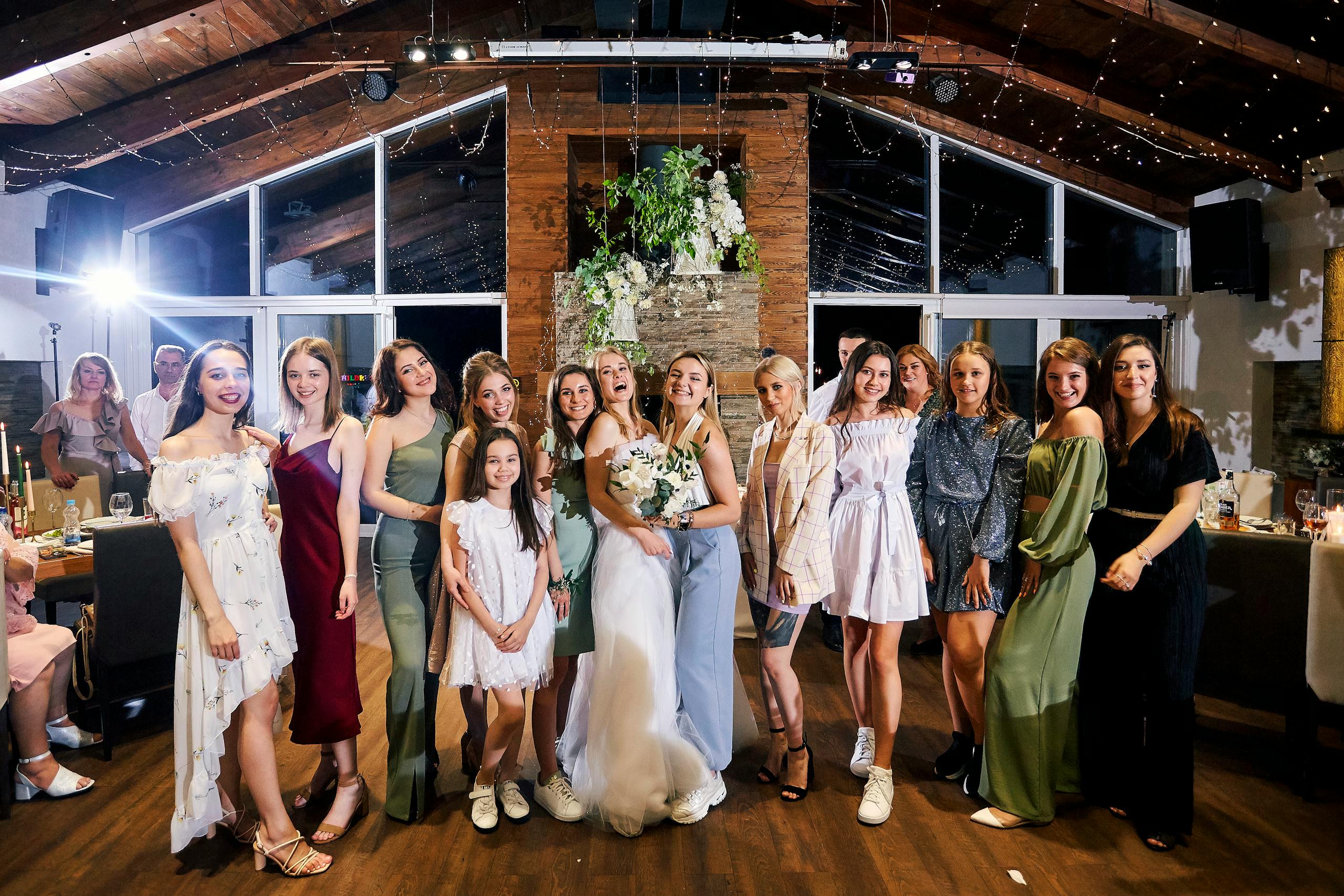
Wearing white remains a universal wedding etiquette trap. This color is traditionally reserved for the bride, and showing up in it can come across as inconsiderate or attention-seeking. Opt for other shades that harmonize with the wedding palette to avoid stealing focus or creating awkward tensions.
Selecting a color that complements the event enhances both your presence and the visual flow of the celebration. Guests choosing pastel tones or jewel hues maintain elegance without overshadowing the bride, allowing the couple to shine naturally in their spotlight.
Bringing Uninvited Guests Without Permission
Adding a surprise guest without consent can throw off seating arrangements, catering, and overall logistics. Invitations are curated carefully, reflecting budgets and venue capacity. Always confirm a plus one before assuming it’s acceptable.
Ignoring this can create tension or embarrassment for both the couple and you. Attending alone unless explicitly invited ensures you respect the carefully planned guest list and avoid unnecessary disruptions.
Treating the Open Bar Like a Personal Challenge

Open bars and celebrations make drinking tempting, but overconsumption leads to sloppy behavior, embarrassing interactions, or inappropriate comments. Maintain moderation and alternate alcoholic beverages with water to stay composed throughout the festivities.
Responsible drinking safeguards your dignity and the enjoyment of other guests. By pacing yourself, you remain fully present and contribute to a polished, joyful environment.
Filming Everything and Blocking the Photographer
Excessive phone activity distracts from meaningful engagement and can disrespect the ceremony. Silence your device and avoid filming or scrolling during critical moments. Capturing the day with photos is fine, but constant screen time diminishes your presence.
Putting phones away enhances social connection and appreciation for the event. It allows authentic engagement with family, friends, and the couple, preserving memories through active participation rather than digital documentation.
Giving an Awkward or Attention-Seeking Speech

Interrupting speeches with chatter or laughter at the wrong time undermines the moment. Listen attentively, respond appropriately, and save side conversations for intermissions. This courtesy demonstrates consideration for both speakers and the newlyweds.
Respecting speeches ensures that the emotional and narrative flow remains uninterrupted. It allows heartfelt sentiments to resonate fully, creating memorable and meaningful moments for all in attendance.
Arriving late and missing key events
Late arrivals can disrupt the ceremony, while early departures during significant events, such as the first dance or cake cutting, are often viewed as rude. Plan travel time carefully to ensure punctuality. Aim to remain present throughout major milestones.
Timely attendance communicates respect for the couple’s planning and effort. Remaining for important events allows shared experiences, reinforcing bonds with friends and family in a seamless celebration.
RSVP Promptly and Update if Plans Change
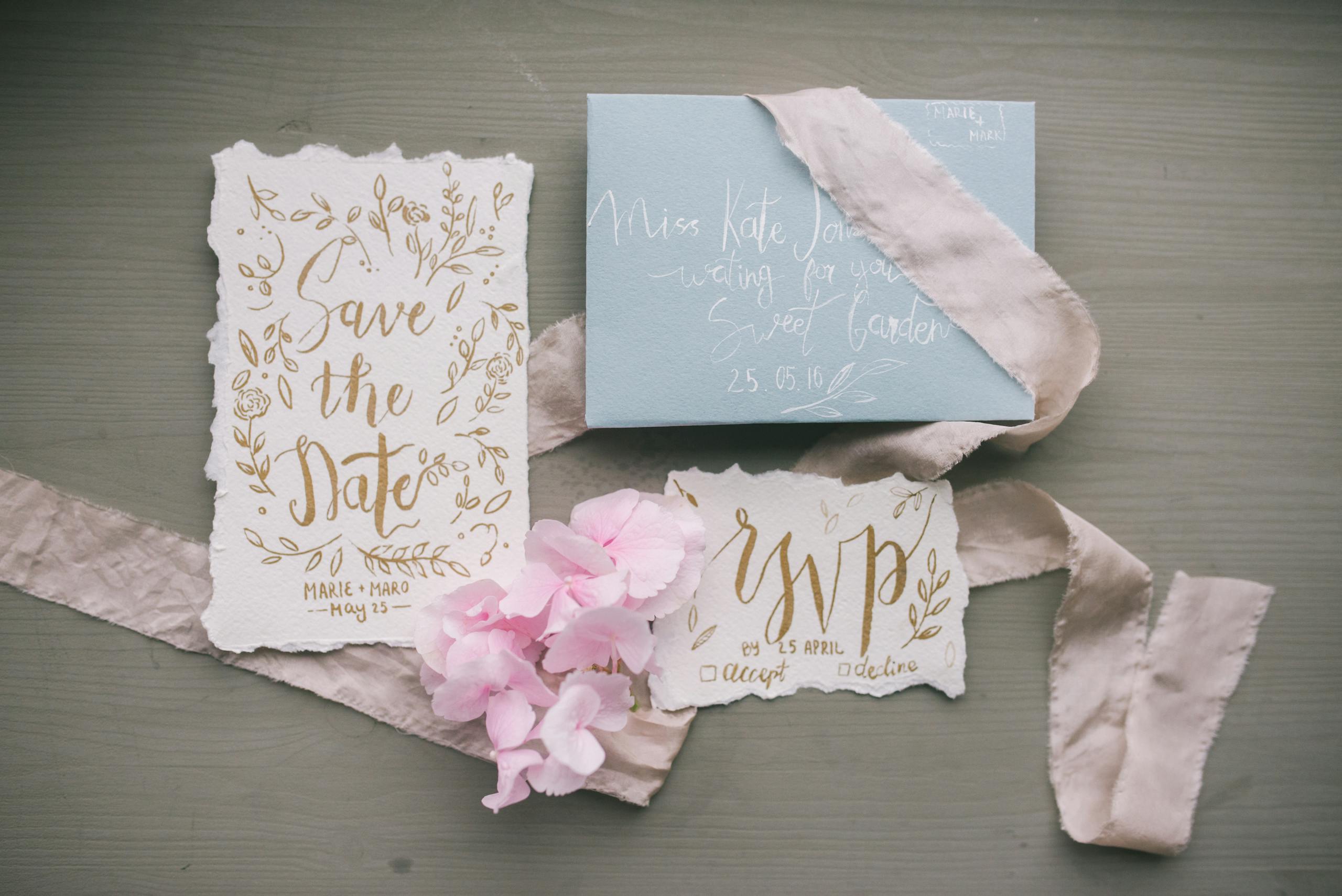
Delays in an RSVP complicate seating arrangements and catering logistics. Respond immediately upon receiving invitations, and promptly communicate any changes in attendance. Timely replies ease the stress on planners and allow accurate resource allocation.
Efficient communication reflects responsibility and consideration for the couple’s organizational efforts. It prevents avoidable confusion, ensuring a smooth and well-executed event for all participants.
Conclusion
This structured approach helps guests navigate key areas that impact the day, from attire to interactions, ensuring each wedding remains joyous, seamless, and memorable.