Ever walk into the grocery store for a few ingredients and leave with a cart full of things you never planned to buy? Many home cooks know this experience all too well.
The funny thing is, wasting money at the grocery store doesn’t always mean buying expensive products. Sometimes, it’s grabbing an extra box of pasta, choosing a bigger package because it looks cheaper, or buying fresh ingredients for meals you’ll probably never make.
And those little decisions can add up.
The smartest grocery shoppers aren’t necessarily the ones buying the cheapest products. They choose food they’ll actually cook and enjoy. Here are nine common shopping habits that can quietly waste your grocery budget, plus practical ways to avoid them.
Buying Ingredients You Already Have
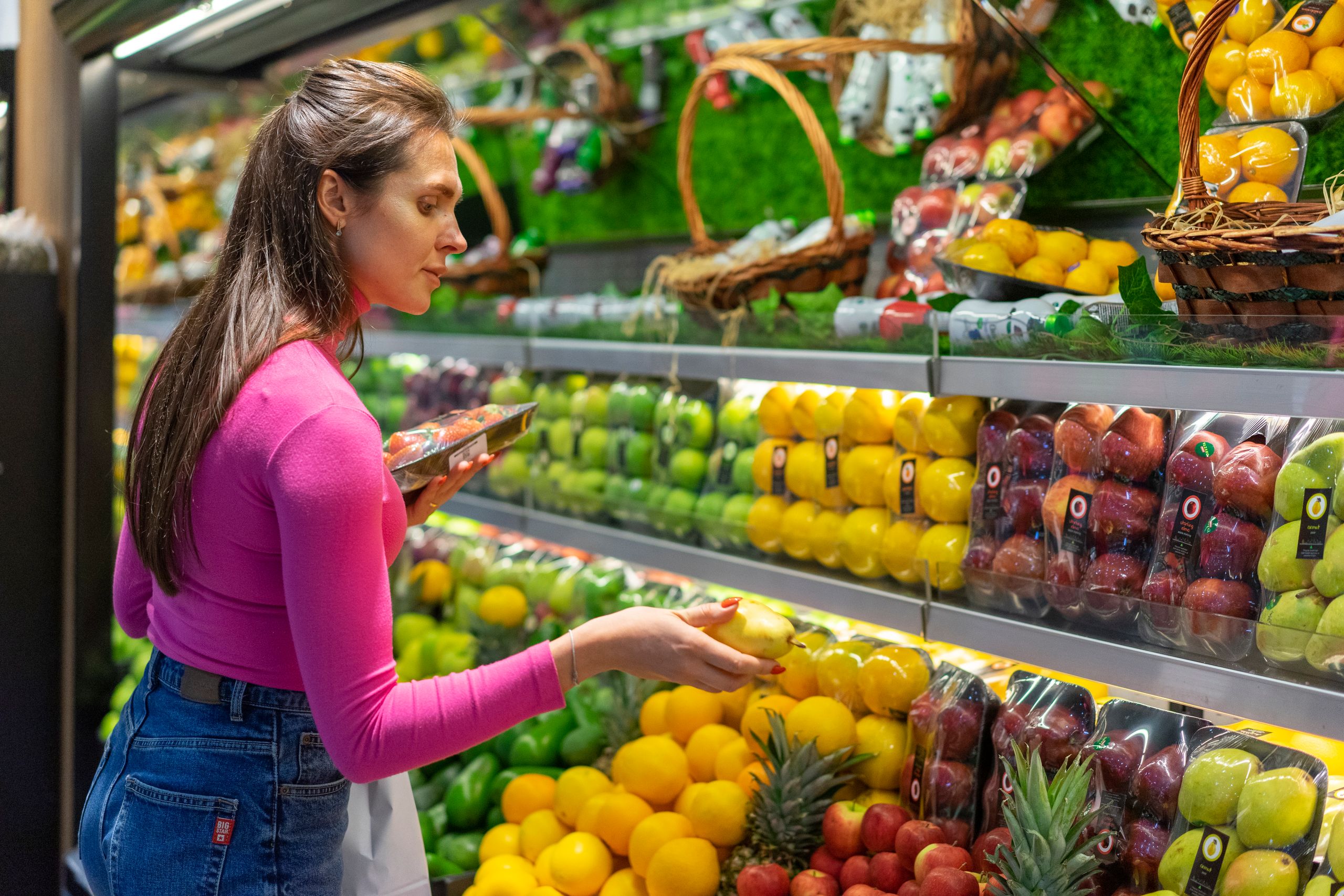
Buying ingredients you already have is an easy mistake, especially when your pantry looks more like a crowded storage closet than an organized kitchen. You grab another box of pasta or can of beans because you can’t remember what you already have.
A 16-ounce box of Great Value Penne Pasta was listed at $1.36 at Walmart, which might seem like a harmless purchase. But repeatedly buying ingredients you don’t need can tie up grocery money and leave you with unnecessary duplicates.
Before heading to the store, take a quick look through your pantry, refrigerator, and freezer. Check how much pasta, rice, canned tomatoes, and other staples you already have, then build your shopping list around what’s actually missing.
Assuming Multipacks Always Save Money
Buying multipacks without checking the unit price can turn a supposed bargain into an unnecessary expense. Bigger packaging and impressive quantities don’t automatically mean you’re getting a discount.
Consider Great Value Garlic Powder at Walmart. One 3.4-ounce bottle was listed for $1.13, while a six-pack containing identical bottles cost $6.78.
That’s the same price per bottle, so the multipack offers no savings in that comparison. You’re simply spending more upfront to bring home six containers instead of one.
Before celebrating a bulk-buying bargain, compare the unit price and consider how much you’ll realistically use. Sometimes, the smaller purchase is the smarter choice.
Buying More Milk Than You’ll Use
Buying the biggest milk container because it’s cheaper per ounce sounds like excellent grocery math. Unfortunately, that calculation doesn’t help much when some of the milk ends up being discarded.
Walmart displayed Great Value Whole Milk at $2.72 for a gallon and $1.36 for a half gallon. The gallon offers the lower price per ounce, but that doesn’t automatically make it the better purchase for every household.
Imagine needing only half a gallon before your next grocery trip. Buying the larger container and throwing away the remainder means spending $2.72 instead of $1.36.
A better approach is to shop based on your actual cooking plans and household habits. A smaller container you use up completely can offer better value than a larger one you don’t.
Paying Extra for Precut Ingredients
Buying pre-cut vegetables when you can prepare them yourself can be a convenience expense worth reconsidering. Saving preparation time is fine, but that convenience isn’t always necessary.
Freshness Guaranteed Diced Yellow Onions, sold in an eight-ounce package, appeared at Walmart for $3.03. That’s approximately 38 cents per ounce for onions that have already been chopped.
For busy evenings, that might be money well spent. However, if you’re already preparing dinner and don’t mind chopping onions, it may be worth comparing prices on whole onions.
Check local prices and remember that whole vegetables require peeling and trimming. The goal isn’t to reject convenient ingredients, but to decide when you’re genuinely benefiting from paying for preparation.
Related: Stop Throwing Money Away: 8 Grocery Store Items That Are Quietly Draining Your Budget.
Choosing Familiar Brands Without Comparing Prices
Buying a familiar brand automatically can make grocery shopping easier, but it may also keep you from discovering cheaper alternatives.
Walmart listed a 15-ounce can of Great Value Black Beans for $0.92. A four-pack of GOYA Black Beans, with 15.5 ounces per can, was listed at $5.92, or $1.48 per can.
The two products aren’t identical in package size, and their taste and texture haven’t been shown to be equivalent. Still, the difference gives shoppers a reason to compare their options.
Try a less-expensive alternative in a familiar dish, such as chili or black-bean soup. If you enjoy the result, you may have found an easy way to reduce your regular grocery spending without changing your favorite recipes.
Buying Salad Greens Without a Meal Plan
Buying fresh salad greens for meals you haven’t actually planned is one of those grocery habits that starts with good intentions. That container of spinach looks wonderful in the produce section, but somehow never makes it onto the dinner table.
A five-ounce package of Marketside Organic Baby Spinach appeared in a Walmart related-product listing for $3.14. The price isn’t necessarily the problem; the potential waste comes when those greens sit unused.
Before buying salad greens, decide which meals will include them. Maybe you’re preparing salads for lunch or planning to add spinach to a soup or frittata.
Giving ingredients a specific purpose makes them easier to remember when it’s time to cook. Your refrigerator shouldn’t become a collection of meals you meant to make.
Ignoring Frozen Vegetables
Overlooking frozen vegetables can make weeknight cooking more complicated than necessary, especially when your schedule changes unexpectedly.
Walmart listed a 12-ounce bag of Great Value Frozen Broccoli Florets for $1.16, while a larger 32-ounce package appeared at $2.88. In those listings, the larger bag had a slightly lower price per ounce.
Frozen vegetables can be useful when you want ingredients available without planning every meal around a fresh produce purchase. They’re particularly convenient for recipes where frozen ingredients suit the intended texture and preparation.
That doesn’t mean frozen broccoli always costs less than fresh broccoli. The better decision depends on local prices, your recipe, and how much you expect to use.
Buying Fresh Herbs for a Single Garnish
Buying fresh herbs for one tiny garnish can leave you wondering what to do with the rest of the package.
A half-ounce container of fresh basil appeared in Walmart listings for $1.92, with another promotional listing showing $1.49. It’s a relatively small purchase, but the value disappears when most of the basil goes unused.
Before putting fresh herbs into your cart, think about another meal where they could shine. Basil might work in a tomato salad, pasta dish, or homemade sauce later in the week.
You can also choose recipes that use herbs already sitting in your kitchen. Fresh ingredients are wonderful, but planning several uses for them makes each purchase more worthwhile.
Replacing Pantry Staples Too Soon
Throwing away pantry ingredients simply because their best-by date has passed can lead to unnecessary replacement purchases.
Take Great Value Garlic Powder, listed at $1.13 for a 3.4-ounce bottle. Replacing it automatically without considering its actual condition could mean buying something you don’t yet need.
For dry seasonings, best-by dates generally indicate when the manufacturer expects the product to deliver its preferred quality. Flavor and aroma can gradually fade, particularly when storage conditions aren’t ideal.
Check the manufacturer’s guidance and evaluate whether your seasoning still performs well in cooking. Keeping spice containers tightly closed and away from heat, sunlight, and moisture can also help preserve their quality.
The Best Grocery Bargain Is the Food You Actually Use
Smart grocery shopping isn’t about buying the cheapest thing on every shelf. It’s about choosing ingredients that fit your budget, your recipes, and the meals you’ll realistically make.