Three days without electricity, running water, or easy access to supermarkets might sound manageable until it actually happens. The government is encouraging households to prepare enough emergency supplies to manage for 72 hours without relying on everyday services. The advice has sparked conversations about whether three days of food and water would really be enough if a serious disruption lasted longer.
Some preparedness enthusiasts believe households should aim for a week or more of supplies, particularly when considering problems with electricity, transport and food distribution. Others argue that three days is a sensible starting point for most families and that expecting everyone to build a much larger stockpile could create unnecessary anxiety.
The debate raises an important question: How prepared should an ordinary household really be?
ThE Government Wants Households Ready for 72 Hours
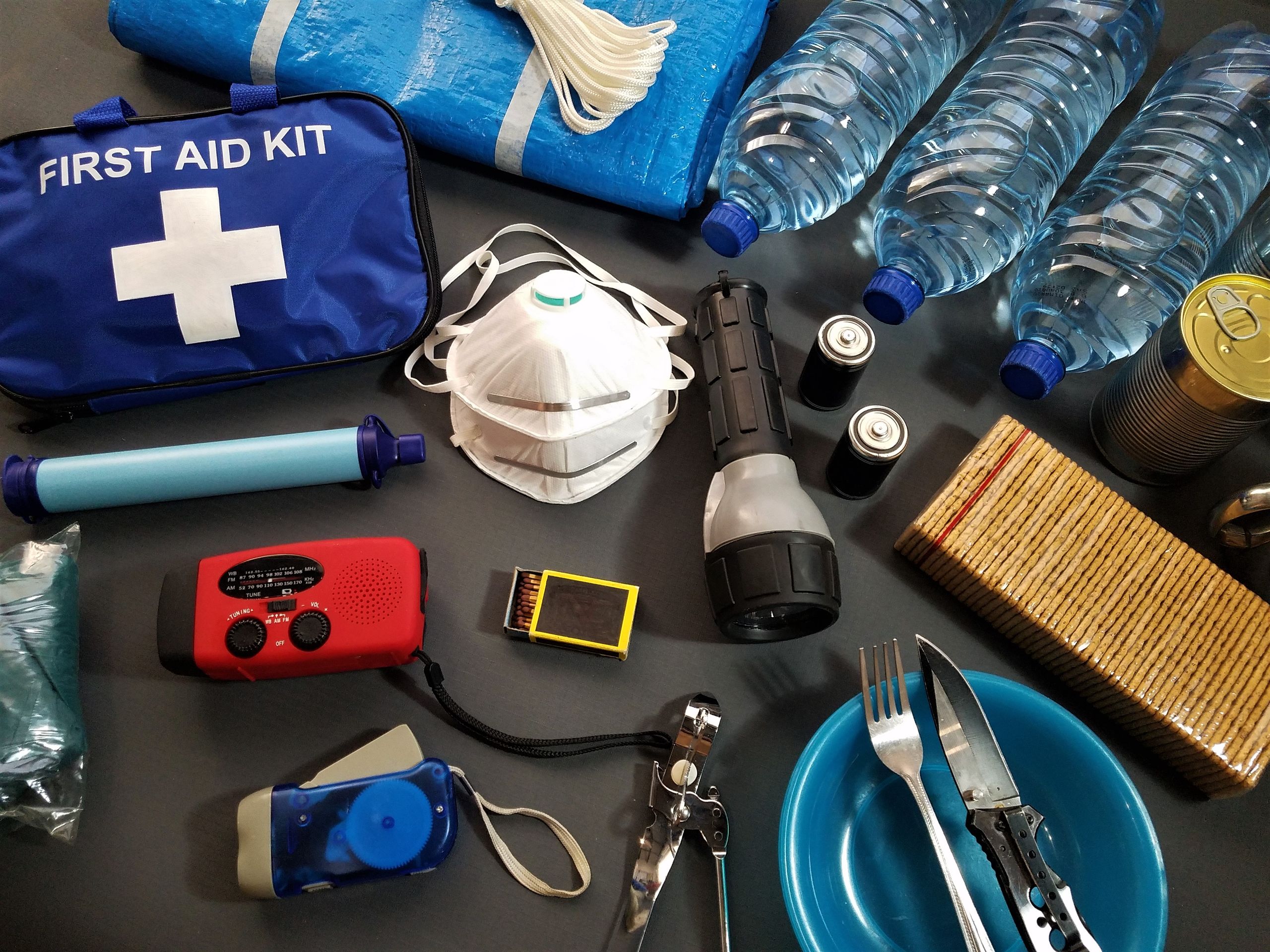
The government is encouraging people to prepare for up to three days of disruption to essential services. This includes situations involving severe weather, flooding, electricity failures, water interruptions and problems affecting transport or communications. The recommendation is not a warning that a major disaster is imminent, but an effort to help households manage while normal services are restored.
The first few days following an emergency can be particularly challenging. Emergency responders and local authorities may need time to assess damage, organize assistance, and restore essential services. Having basic supplies at home means families can manage some immediate needs without depending entirely on outside help.
Some People Believe Three Days of Food Is Not Enough
The recommendation has prompted debate on Reddit, where one user questioned whether a three-day food supply would be sufficient. The discussion focused on what might happen if an emergency affected electricity, shops, and the systems responsible for delivering food. Some participants argued that preparing for seven days or longer would provide a more comfortable safety net.
Others pointed out that the government needs to recommend something ordinary households can realistically afford and store. One commenter suggested starting with three days and gradually building a larger supply if finances and storage space allow. The discussion also highlighted an important distinction: preparing for a temporary disruption is different from trying to survive a complete breakdown of essential services.
Power Outages Could Make Ordinary Food Supplies Less Useful
Having plenty of food in the cupboard is helpful, but what happens when the electricity goes out? Refrigerators and freezers may stop working, while electric cookers and microwaves become unavailable. Someone with plenty of ingredients but no safe way to prepare them could quickly discover that their emergency food supply is not particularly practical.
This is one concern raised in the Reddit discussion, where participants questioned whether preparedness advice paid enough attention to cooking without electricity. The UK guidance recommends keeping food that does not require cooking or refrigeration. Tinned foods, crackers, dried fruit and ready-to-eat meals can be useful options, especially when paired with a manual can opener.
Water Deserves More Attention Than Food
Food tends to dominate emergency shopping lists, but having enough drinking water is just as important. FEMA and the British Red Cross recommend approximately 2.5 to 3 liters of drinking water per person each day when preparing for a 72-hour emergency. That means one adult would need roughly 7.5 to 9 liters for three days, before accounting for additional water needed for cooking and hygiene.
A family of four would therefore need approximately 30 to 36 liters just for drinking. That is quite a bit of water to store, particularly for people living in smaller apartments. Households should also consider what they would do if normal water supplies were interrupted, rather than assuming bottled water will be the only concern.
Some Countries Recommend Longer Emergency Supplies
The discussion has also drawn attention to preparedness recommendations in other European countries. Norway has advised households to maintain supplies for seven days, while Germany has historically recommended keeping enough essential supplies for up to ten days. These differences reflect varying national preparedness approaches and the importance placed on helping households manage disruptions before outside assistance becomes available.
The longer recommendations have encouraged some people to question whether the government’s three-day target should eventually increase. However, a larger emergency supply also requires more storage space, money and regular replacement of perishable items. For many households, building a three-day supply first is a much more realistic way to begin.
An Emergency Kit Needs More Than Canned Food
A useful emergency kit should cover several everyday needs rather than simply filling a cupboard with food. The US government’s Ready.gov recommends including water, nonperishable meals, a first aid kit, flashlights, spare batteries, and a battery-powered or hand-crank radio. A manual can opener is also useful if the food supply contains canned products.
Households should also account for prescription medication, personal hygiene products, important documents, and supplies for babies or pets. A charged power bank can help keep phones working when electricity is unavailable. These details matter because an emergency affects more than mealtimes, and even a relatively short disruption can make ordinary household responsibilities difficult.
Building a Larger Supply Does Not Have to Happen Overnight
One practical suggestion emerging from the Reddit discussion was to add a few extra items during regular grocery shopping rather than buying everything at once. Someone might purchase an additional tin of beans, soup, or vegetables each week and gradually build a small emergency supply. This approach is particularly useful for households working with limited budgets or storage space.
It also helps to choose foods the family already eats instead of purchasing unfamiliar emergency products that might eventually expire. Supplies should be checked regularly, with older items used and replaced before their expiration dates. A modest collection of familiar foods, drinking water, and essential household items is far more useful than an expensive emergency kit nobody knows how to use.
Three Days Is a Starting Point, Not a Guarantee
The disagreement over 72-hour emergency supplies comes down to how much disruption people believe they should prepare for. Three days can provide a useful cushion during common emergencies while authorities work to restore services. However, severe weather, damaged infrastructure, or prolonged transport problems could create situations where households need additional supplies.
There is no single emergency kit that works perfectly for every family. People living in flood-prone areas, remote communities, or households with medical needs may require additional preparations. Rather than treating the government’s recommendation as a maximum limit, households can use it as a starting point and gradually build a supply that reflects their circumstances.