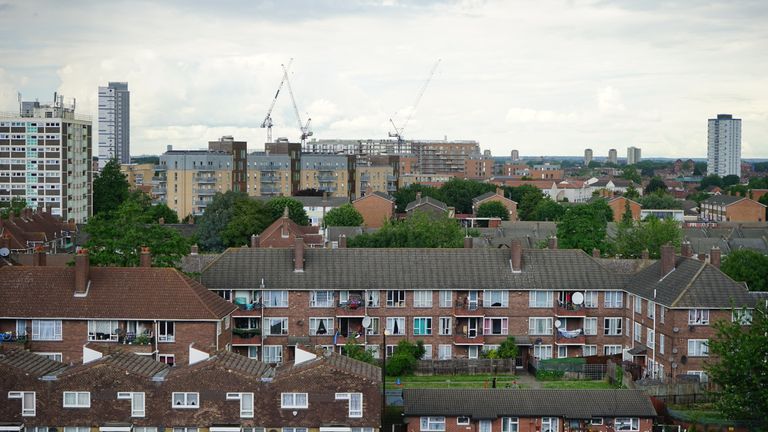
Every time a president moves, America pays. The motorcade rolls, police lights flash, roads close, officers work overtime, and local life bends around one person’s security needs.
But for many Americans, the frustrating question is not whether a president should be protected. Of course, he should. The real question is why local taxpayers are often left holding the bill when the job is clearly tied to federal power.
That is the anger sitting behind a House bill that would allow the Secret Service to reimburse local police, fire departments, and other agencies for costs tied to protecting President Donald Trump at his properties in Florida, New Jersey, and New York.
It sounds like a Washington paperwork issue, but it hits a nerve that many Americans already understand: local budgets are tight, public services are stretched, and somehow the bill always seems to fall downward.
Local taxpayers may pay first, even when the duty is federal.
The president is a national figure. Protecting him is a national responsibility. Yet when presidential security lands in a town, city, or county, local agencies often become part of the operation almost immediately.
That means police departments may have to provide officers, vehicles, traffic control, road closures, perimeter support, emergency response, and overtime. Fire and rescue teams can also be pulled into the planning. None of that is free, and none of it is small when visits happen again and again.
For ordinary Americans, this feels backward. A local family pays county taxes expecting basic services, safer streets, faster emergency response, better roads, and reliable public works. Then a federal security need arrives, and the same local budget is suddenly expected to absorb costs that started far above the town level.
Palm Beach shows how fast the bill can explode.
Palm Beach County has become the clearest example of how expensive presidential protection can get. With Mar-a-Lago serving as one of Trump’s most important private residences, the county has had to prepare for repeated security operations tied to his visits.
The reported cost has climbed into the tens of millions, with local officials preparing for a security burden of around $45 million. That number is not pocket change. It is the kind of figure that forces residents to ask what else could have been funded with the same money.
A $45 million security tab sounds like something that belongs in a federal budget debate, not on the shoulders of a county. That is why this issue is so easy for Americans to understand. People are already tired of being told there is no money for local needs, only to watch public money appear when powerful people require special protection.
Police overtime becomes the hidden tax nobody voted on.
When presidential security increases, local police departments do not magically receive extra officers overnight. They rely on the people they already have, often through overtime, schedule changes, and reassigned duties.
That creates a hidden tax on the community. Residents may not see a new line item on their personal bills, but they feel the pressure through strained public services and budget transfers. Officers who would normally be patrolling neighborhoods may be redirected to motorcade routes, roadblocks, or perimeter duty.
This is where the frustration gets real. Americans are repeatedly told that police departments are short-staffed, emergency response is under pressure, and cities are struggling to manage crime, traffic, drugs, homelessness, and public safety calls. Then those same departments are expected to help shoulder a federal protection mission without guaranteed immediate relief.
Road closures punish workers, parents, and small businesses.
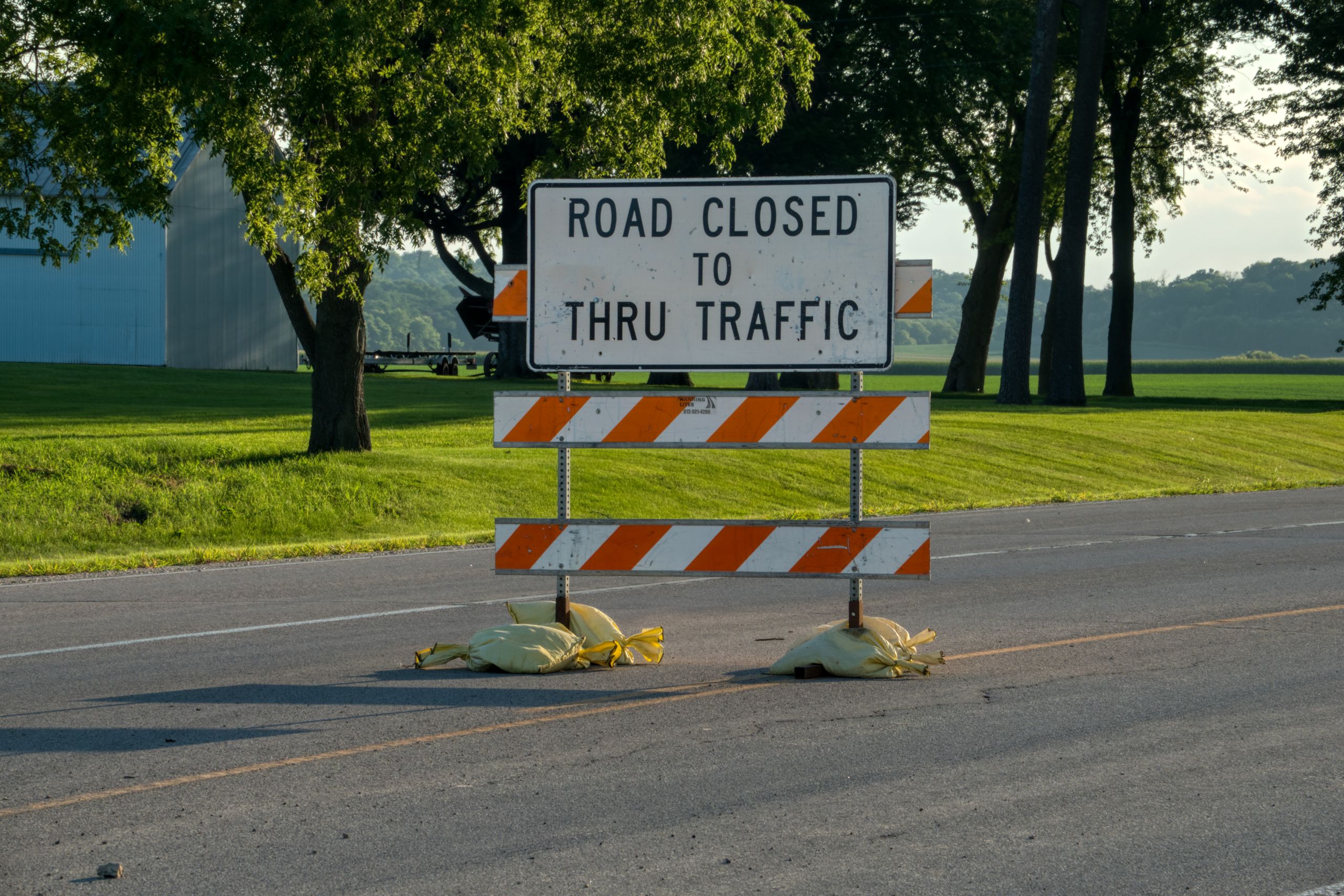
Presidential security is not just a budget issue. It changes daily life for people who have nothing to do with politics.
Road closures can delay workers trying to get to their jobs. Parents can get stuck in traffic while picking up children. Delivery drivers can lose time and money. Small businesses near secured areas can deal with blocked access, fewer customers, confused visitors, and frustrated employees.
That is why this story has a strong everyday angle. Most Americans do not live inside political circles, but they know what it feels like when a closed road, a delayed commute, or a security perimeter disrupts a normal day. They also know powerful people rarely feel those disruptions the way regular people do.
Small communities can be hit harder than big cities.
New York City may have the size and infrastructure to handle large security operations, even when they are expensive and disruptive. Smaller communities do not have that same cushion.
Places like Bedminster, New Jersey, face a different kind of pressure. When a high profile presidential property sits in or near a smaller community, the security operation can become a major local event every time the president arrives. A town budget is not built like a federal agency budget.
That imbalance matters. A large city may absorb a high cost with pain. A small town may have to make sharper trade offs. The same federal security expectation can hit communities very differently depending on their size, staffing, tax base, and existing public safety needs.
The bill proves local governments are tired of being the backup wallet.
The Presidential Security Resources Reimbursement Act is important because it addresses a problem that local governments have been raising for years. Local agencies are essential to Secret Service operations, but they often do not have the money to carry the burden without help.
This bill would allow reimbursement for services, personnel, equipment, and facilities. That wording matters because security costs are not limited to officers standing in one place. The real cost can include vehicles, communications support, emergency staging, traffic operations, overtime, and other resources pulled into the protective mission.
In plain English, local governments are saying they cannot keep acting like Washington’s backup wallet. They can help protect national leaders, but they should not have to drain local funds to do it.
The issue became more urgent after the Trump assassination attempt.
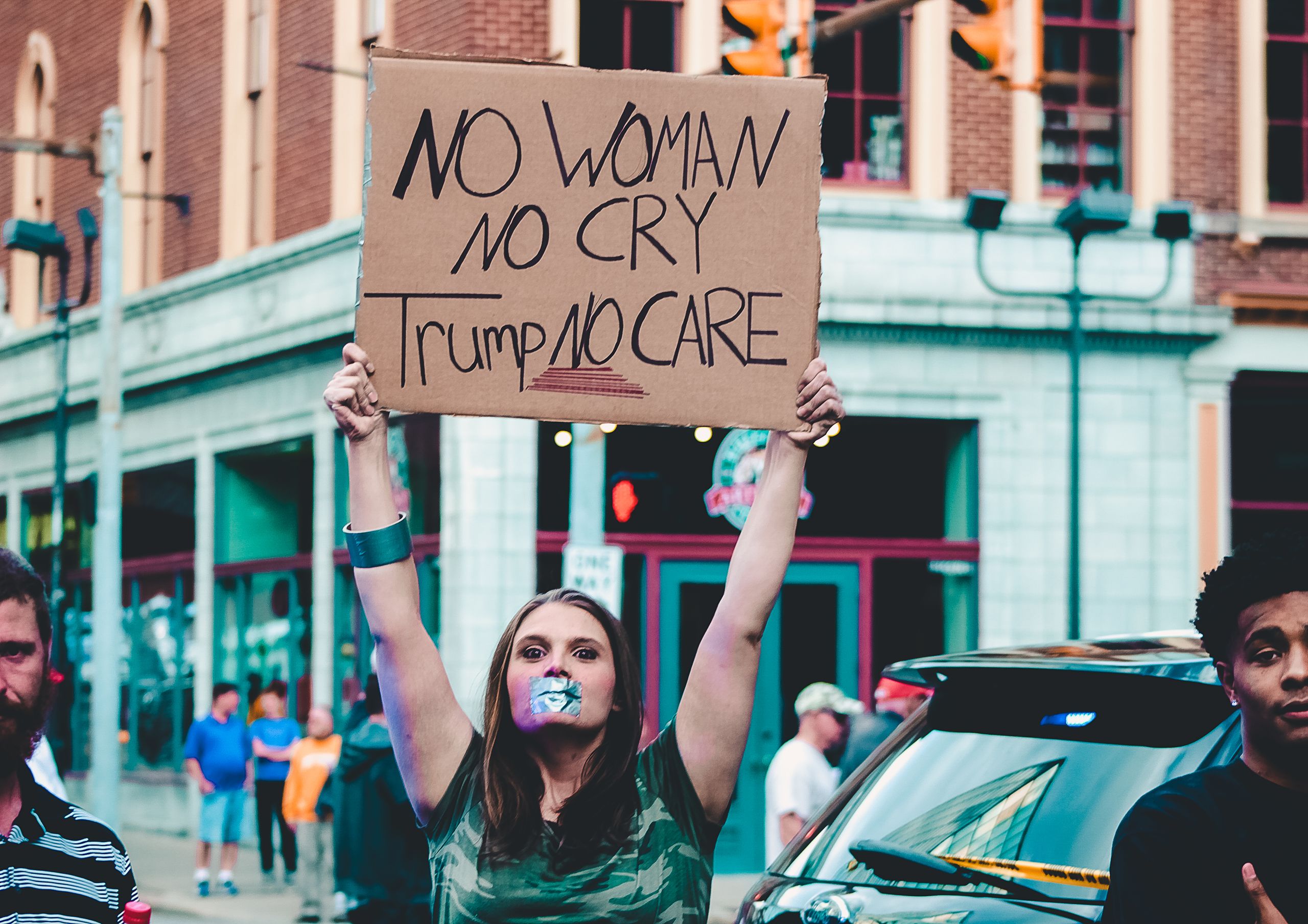
The security conversation around Trump changed after the assassination attempt at his Butler, Pennsylvania, rally in July 2024. After that moment, protection concerns became more intense, more visible, and more expensive.
A later security scare near Trump’s West Palm Beach golf course added to those concerns. Once threats become more serious, security operations grow. More caution means more manpower. More manpower means more overtime. More overtime means more costs pushed onto someone’s budget.
That is the uncomfortable part for taxpayers. The country wants leaders protected, especially after violence or attempted violence. But when the security footprint expands, Americans want to know why the financial burden does not expand at the federal level first.
Bipartisan support shows this is bigger than Trump loyalty.
One reason this bill matters is that it is not only a Republican talking point. Rep. Tom Kean Jr., a New Jersey Republican, reintroduced the bill, and Rep. Lois Frankel, a Florida Democrat whose district includes Mar-a-Lago, backed it as a cosponsor.
That bipartisan support tells us something important. This is not simply a debate about whether someone likes Trump or dislikes him. It is a debate about whether local taxpayers should pay for federal security demands tied to any protected national figure.
That makes the issue harder to dismiss. A Democrat representing a district affected by Mar-a-Lago security and a Republican representing a district affected by Bedminster security can both see the same problem from the ground. Their voters may disagree on Trump, but they can agree that local budgets should not be punished for federal protection needs.
Americans are tired of watching the powerful create bills for everyone else.
This story hits a deeper national mood. Many Americans already feel squeezed by higher prices, property taxes, insurance costs, rent, groceries, medical bills, and utility payments. They are tired of being told to sacrifice while government systems find ways to protect the powerful first.
That is why a Trump security reimbursement bill can spark such strong reactions. It touches something people already believe: when powerful people move through the country, ordinary people pay in time, money, inconvenience, or stress.
The issue is not whether presidential security matters. It does. The issue is whether a county, town, or city should be financially punished because the president spends time there. For many Americans, the answer is simple: protect the president, but do not quietly send the bill to local taxpayers.
The House bill raises a question that feels much bigger than one president, one party, or one set of properties. When Washington’s security needs land in local communities, who should pay for the disruption, the overtime, the equipment, and the public safety strain?
For Palm Beach, Bedminster, New York, and any other community pulled into the orbit of presidential protection, this is not just a political story. It is a local money story. It is a public safety story. It is a taxpayer fairness story.
Americans can support strong presidential protection while still demanding a fair answer on cost. The motorcade may leave town after the cameras disappear, but the invoice stays behind. If Washington creates the security burden, Washington should not expect local taxpayers to carry it alone.