Michigan drivers are once again feeling pressure at the pump as gas prices edge higher statewide, but it is the Lansing-East Lansing region that is drawing attention for something more unusual than a simple increase: a split fuel market where prices can vary sharply depending on where and when motorists fill up. According to AAA, the state average for regular unleaded rose to about $4.18 per gallon, a slight increase from $4.15 a week earlier.
While still below last month’s highs, prices remain more than a dollar higher than the same time last year, underscoring how quickly fuel costs have reset expectations for drivers across Michigan. But beneath the statewide average, a more complicated picture is emerging, one defined by volatility, conflicting data points, and station-level price fragmentation that is reshaping how consumers experience fuel costs in real time.
A $1 year-over-year jump is still shaping household budgets.
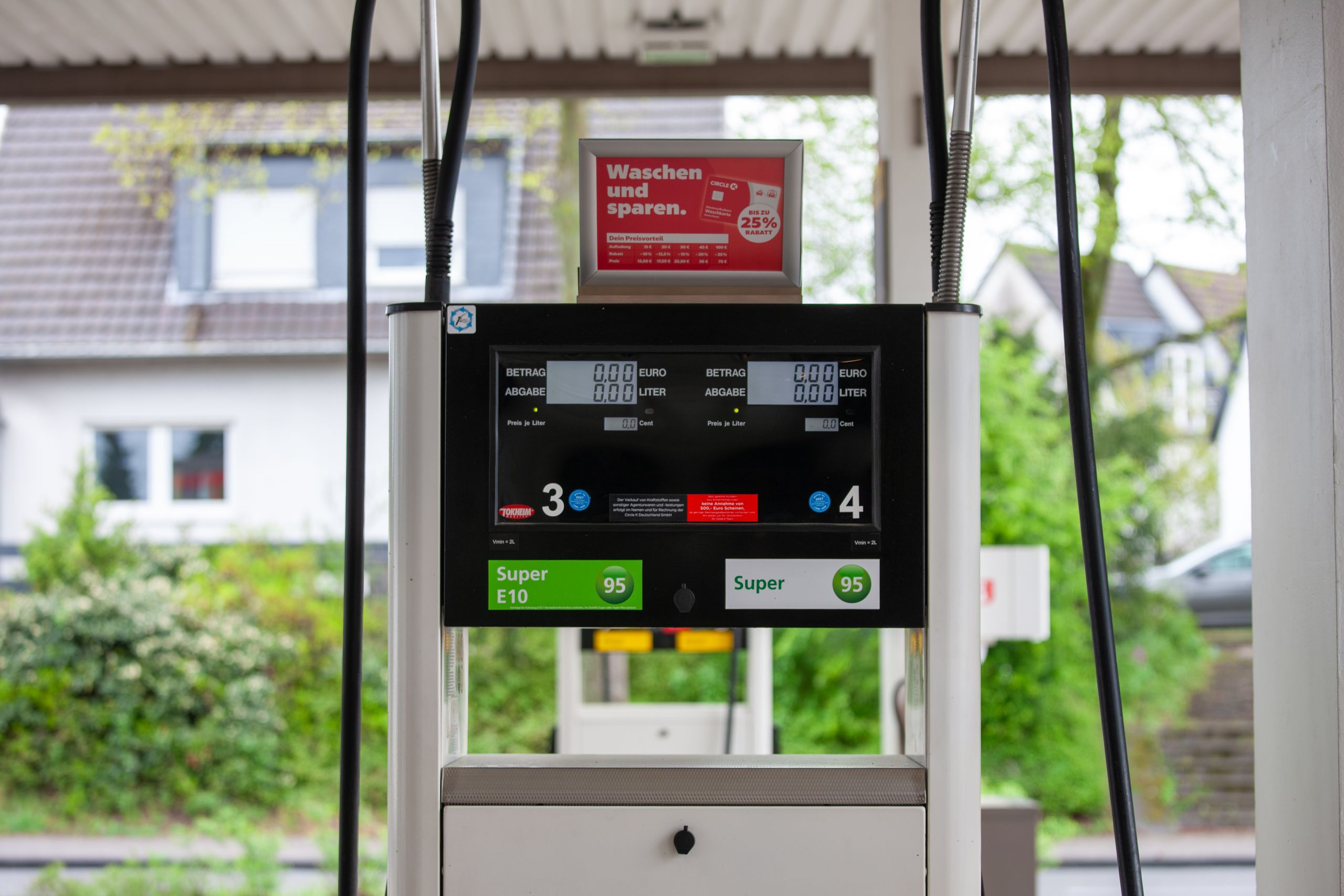
Even with recent fluctuations, Michigan’s fuel prices remain significantly elevated compared to last year, when averages sat near $3.09 per gallon. That gap of more than $1 per gallon continues to ripple through household budgets, especially for commuters and families who rely on consistent driving routines.
While prices have retreated from last month’s peak near $4.88, the relief has been partial rather than structural. The result is a market that feels less like a steady trend and more like a series of sharp adjustments layered over long-term inflation pressure.
Lansing shows a rare “split-at-the-pump” reality.
Nowhere is that inconsistency more visible than in the Lansing-East Lansing metro area, where drivers are encountering conflicting price signals depending on which data source or which gas station they rely on. AAA reports the metro average hovering around $4.14 per gallon, while other tracking tools have recently recorded readings closer to $3.91 in the same region.
That gap highlights a growing reality in fuel pricing: the experience of gas costs is becoming increasingly local, even hyperlocal. In practical terms, it means two drivers in the same metro area can see noticeably different prices within the same week, sometimes within the same day.
Why Lansing has become a volatility zone
The Lansing split is not just a statistical anomaly. It reflects how fuel pricing now operates at a highly fragmented level. Station-level pricing decisions, delivery timing, and competitive positioning all play a role in creating uneven price patterns.
Some stations adjust quickly in response to market shifts, while others lag behind, creating temporary “price pockets” across the city. The result is a metro area where prices do not move in unison, but instead shift in staggered waves that can confuse even regular commuters.
A statewide market shaped by sharp regional contrasts
Across Michigan, the pattern of uneven pricing continues. Ann Arbor and Metro Detroit remain among the highest-cost areas in the state, with averages holding above $4.20 per gallon. In contrast, Marquette continues to stand out as one of the lowest-priced regions, sitting just under $4.00.
Other cities, including Flint, Jackson, and the Saginaw-Bay City-Midland region, fall somewhere in between, reinforcing a patchwork pricing system rather than a unified statewide trend. For drivers, this means fuel costs are no longer just about when they fill up but where.
The hidden mechanics behind price fragmentation
While crude oil prices set the broad direction of the market, local fuel prices are increasingly shaped by logistics and competition at the station level. Delivery timing plays a key role. Stations that receive fuel earlier or later in a pricing cycle may reflect outdated costs compared to nearby competitors.
In high-traffic metro areas, stations may also adjust prices more aggressively to match or undercut nearby rivals. This creates a dynamic environment where prices do not simply rise or fall; they shift unevenly across short distances.
National easing, local pressure
Nationally, gas prices have shown signs of easing in recent weeks, offering some relief during the summer driving season. However, Michigan continues to sit above the national average, keeping the state in a higher-cost bracket despite broader downward trends.
That divergence adds another layer of complexity: while national headlines suggest moderation, local drivers are still navigating elevated and uneven pricing conditions.
How drivers are adjusting at the pump

As prices fluctuate unevenly, consumer behavior is beginning to shift in response. Many drivers now compare prices more actively before fueling, while others adjust routes to pass lower-cost stations.
In metro areas like Lansing, some motorists are even delaying fills or opting for partial tanks to manage short-term cost swings. These small behavioral changes reflect a larger reality: fuel pricing is no longer just a background expense; it is a daily decision-making factor.
A market that looks stable, but feels anything but
On paper, Michigan’s gas prices show modest movement. But on the ground, drivers are experiencing something far more fragmented. Between year-over-year increases, conflicting metro readings, and station-level volatility, the state’s fuel market is becoming increasingly uneven in how it behaves and how it is felt.
For Lansing and beyond, the message is clear: the price at the pump is no longer one number; it is a shifting range, depending on where you are standing when you look at it.