You can feel it in the checkout line when groceries cost more than last week, and someone on the TV over the register is shouting about a culture war. You can feel it at family dinners where one headline turns mashed potatoes into a battlefield.
Most Americans are not sitting around reading committee reports after work. They are trying to pay bills, keep insurance, manage childcare, survive traffic, and stay sane while politics turns every frustration into a campaign weapon.
That is why the idea that U.S. politics rewards stupidity and punishes sense feels so familiar to many people. The loudest voice often wins the clip, the nastiest line gets the share, and the careful person explaining details looks boring by comparison.
The result is a country where practical thinking can feel like weakness. Outrage gets attention, slogans beat solutions, and voters are left wondering why common problems keep surviving from one election cycle to the next.
Outrage Gets More Attention Than Solutions
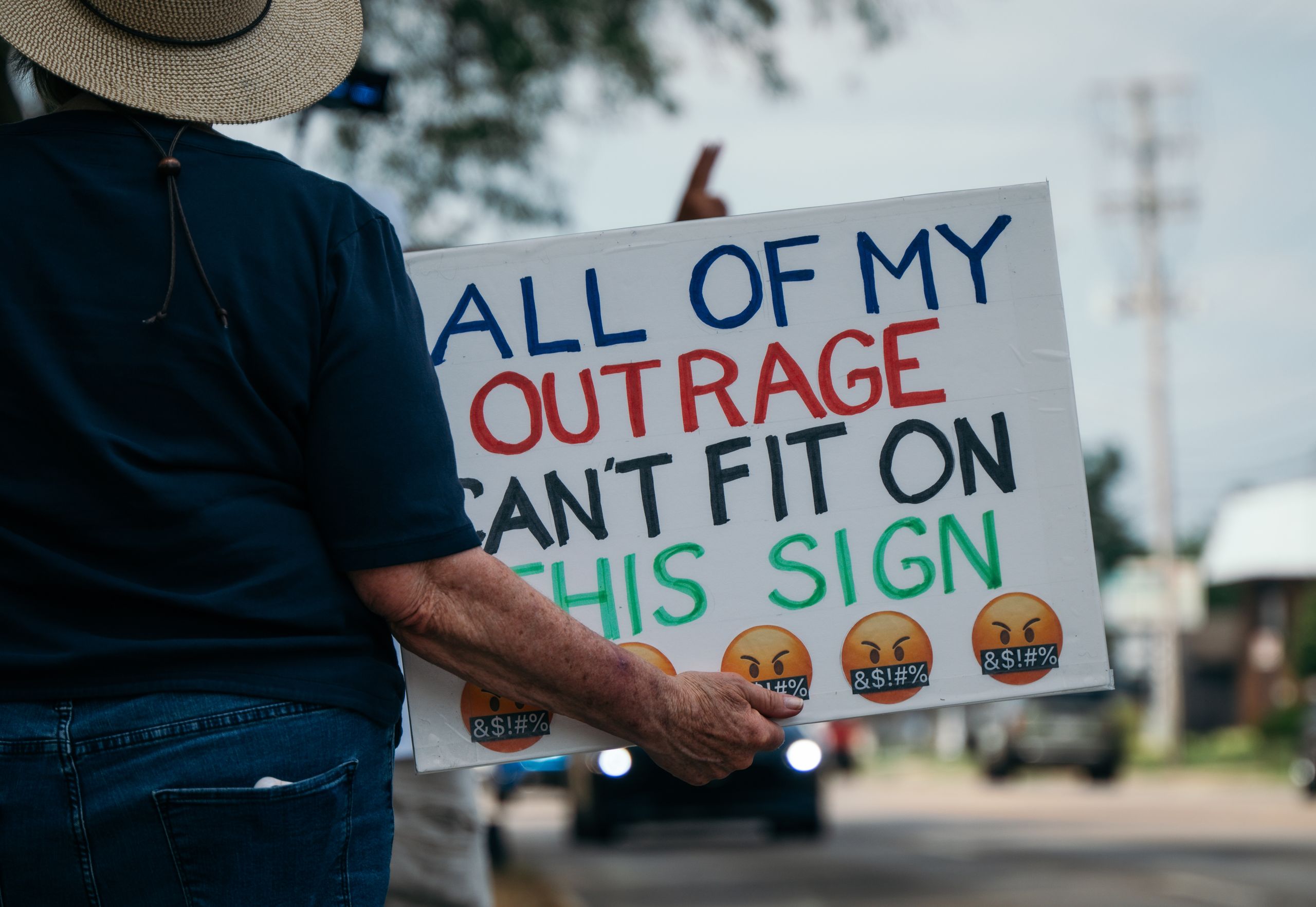
In modern politics, anger travels faster than patience. A furious sound bite can dominate cable news, social feeds, campaign emails, and dinner table arguments long before anyone asks whether the idea behind it actually works.
That creates a dangerous reward system. Politicians who inflame people may get more attention than those who explain policy, and that attention often translates into money, influence, and power in a system built to chase the next reaction.
Trust Is So Low That Cynicism Feels Smart
When people lose faith in government, they stop expecting serious answers. Every proposal sounds like a trick, every compromise looks like betrayal, and every institution feels like it is hiding something.
That distrust did not appear from nowhere. Years of low public trust levels have made cynicism feel like wisdom, even when it leaves voters too exhausted to demand better from anyone.
Money Makes Bad Ideas Harder to Kill
A weak idea can survive a long time if enough money stands behind it. Campaigns, ads, consultants, donor networks, and outside groups can keep a message alive long after ordinary voters have stopped believing it.
That is one reason practical sense often loses ground. When dark money spending reaches record levels, politics starts to feel less like public service and more like a bidding war for public attention.
Safe Seats Reward Performers More Than Problem Solvers

In many districts, the real election is not the general election. It is the primary, where a smaller and more intense group of voters can punish anyone who sounds too reasonable, too flexible, or too willing to work across the aisle.
That can reward performance over governing. When candidates fear their own base more than the other party, they learn to act tougher, speak louder, and avoid the kind of compromise that actually gets hard things done.
Gerrymandering Makes Accountability Feel Optional
Voters are supposed to choose leaders. Too often, district lines make it seem as though leaders are choosing their voters first. That changes the incentive from persuasion to protection.
Tools like a redistricting report card show how maps can be judged for fairness, competitiveness, and partisan balance. When competition shrinks, politicians have less reason to listen to people outside their safest crowd.
The System Rewards Blocking More Than Building
In Washington, stopping something can be easier to sell than making something work. A politician can block a bill, blame the other side, send a fundraising email, and call it courage before voters ever see a serious alternative.
The Senate’s own cloture motion counts show how often procedural fights shape what can move forward. When obstruction becomes a career strategy, practical problem-solving starts looking politically risky.
Simple Lies Often Beat Complicated Truths

A clean lie can fit on a bumper sticker. The truth may need history, numbers, tradeoffs, and context, which makes it much harder to sell in a country already overloaded with information.
That is how weak arguments keep winning airtime. A politician can repeat a false claim with confidence, and by the time experts correct it, the emotional damage has already spread through group chats, talk shows, and social media feeds.
Media Distrust Makes Every Fact Feel Partisan
A healthy democracy needs shared facts, but many Americans now treat information like team merchandise. If a fact hurts their side, they suspect the source. If a claim flatters their side, they share it before checking.
That distrust creates a perfect home for political nonsense. With media trust low, even accurate reporting can be dismissed as biased, allowing politicians to evade consequences by attacking the messenger.
Voters Get Punished for Wanting Nuance
Nuance is not weakness, but politics often treats it like cowardice. Say a problem has more than one cause, and someone will accuse you of dodging. Admit the other side has one valid point, and your own side may call you disloyal.
This is one of the ugliest ways U.S. politics rewards stupidity and punishes sense. It trains people to pretend simple answers exist for hard problems, even when healthcare, housing, crime, taxes, schools, immigration, and wages all demand careful thinking.
Everyday Problems Become Campaign Props
Americans are tired because many political fights orbit real pain. Rent is high, medical bills are scary, schools feel strained, families are stressed, and workers often feel trapped between rising costs and flat pay.
Yet those problems are often used as campaign fodder rather than treated as urgent work. Reports on household financial pressure show how many families are managing strain, but politics too often turns that stress into slogans rather than relief.
Key Takeaway
The reason U.S. politics rewards stupidity and punishes sense is not that Americans are foolish. It is because the system often rewards the wrong behaviors, including outrage, loyalty tests, money games, obstruction, and performance.
Common sense still exists in the country. You can hear it from parents comparing grocery receipts, workers juggling shifts, small business owners begging for stability, and voters who are tired of being treated like props in someone else’s power game.
The tragedy is that serious people often sound quieter than performers. Until politics rewards honesty, patience, competence, and results more than rage, Americans will keep watching the loudest actors win attention while the most obvious problems keep getting worse.