Boomers are not cheap. They just know the difference between a smart purchase and a shiny trap with a price tag. This is the generation that will spend real money on a sturdy sofa, a dependable car, a good mattress, a trusted repair person, or a family vacation that creates memories.
What many boomers resist is the modern habit of turning every simple thing into a gadget, a subscription, an app, or a trend. They grew up in homes where appliances lasted, furniture arrived ready to use, and buying something meant owning it for years. In 2026, that practical mindset still shapes the products many boomers refuse to bring into their homes.
Furniture That Comes in a Giant Box

Many boomers have little patience for furniture that arrives flat-packed with screws, wooden pegs, confusing diagrams, and one tool that looks like it came from a toy set. They remember buying dressers, tables, and bookshelves that arrived fully assembled, felt solid, and did not require half a Saturday to build.
The bigger problem is trust. Boomers often see ready-to-assemble furniture as temporary, flimsy, and harder to repair. A cheap bookshelf may look good online, but if it wobbles after one move, it stops feeling like a bargain and starts feeling like wasted money.
Air Fryers and Trendy Kitchen Gadgets
Air fryers have a loyal fan base, but many boomers still wonder why the oven suddenly needed competition. They already know how to roast, bake, fry, reheat, and cook full meals with the tools they have used for decades. To them, another countertop appliance can feel more like clutter than convenience.
That same skepticism applies to egg cookers, avocado slicers, mini waffle makers, automatic stirrers, and other single-purpose kitchen gadgets. Boomers tend to prefer tools that do many jobs well. A sharp knife, sturdy pan, and reliable oven still feel more useful than a viral gadget that may end up forgotten in a cabinet.
Smart Refrigerators With Touchscreens
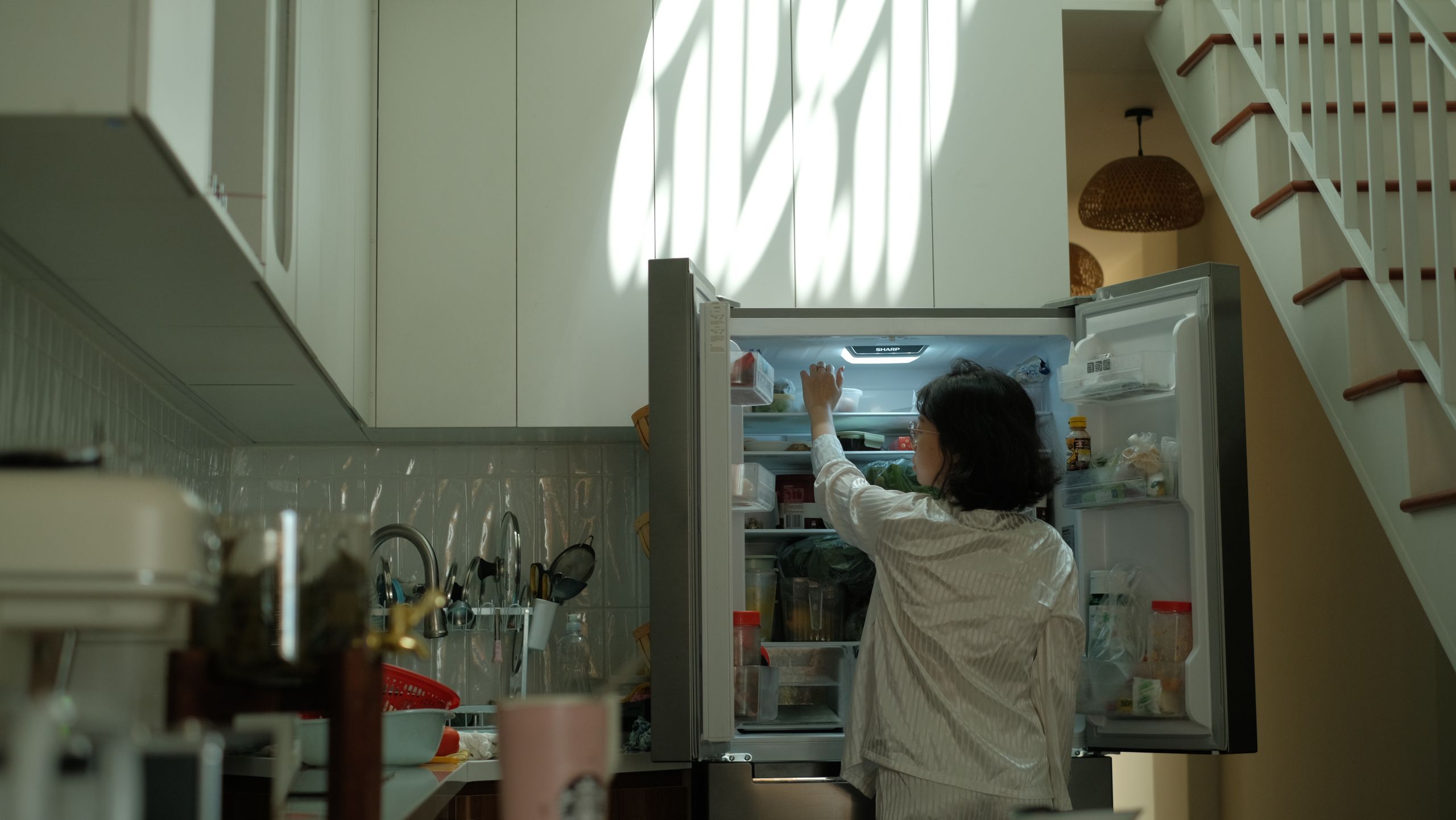
A refrigerator with Wi-Fi, cameras, apps, and a touchscreen may sound futuristic, but many boomers see it as unnecessary. They want a fridge that keeps food cold, stores groceries properly, makes ice if needed, and lasts for years. A screen on the door does not make leftovers safer or lettuce fresher.
Repair concerns make smart fridges even less appealing. Traditional appliances can already be expensive to fix, and smart features add more parts that can glitch, break, or become outdated. Boomers often prefer a simple refrigerator because simple usually means dependable.
Monthly Subscription Boxes
Subscription boxes are designed to feel fun, personal, and surprising. Many boomers hear something different: automatic payments for products they did not personally choose. Beauty boxes, snack boxes, pet boxes, clothing boxes, and hobby boxes may sound exciting, but they can also create clutter fast.
Boomers tend to prefer direct control over their purchases. They want to see what they are buying, compare quality, check the price, and decide whether it is worth bringing home. A monthly box full of mystery items can feel less like a treat and more like a bill attached to random stuff.
Meal Kits With Tiny Portions and Big Prices
Meal kits promise easy dinners, but many boomers see them as overpriced groceries in fancy packaging. They have planned meals, stretched leftovers, cooked for families, and made dinner from pantry basics for years. Paying extra for pre-measured rice, tiny sauce cups, chopped vegetables, and recipe cards can feel unnecessary.
The packaging also bothers many practical shoppers. Insulated boxes, ice packs, liners, plastic cups, and cardboard inserts can create a pile of waste before dinner even begins. For boomers, grocery shopping still offers more control, better value, and fewer things to throw away.
Toothbrushes That Need an App
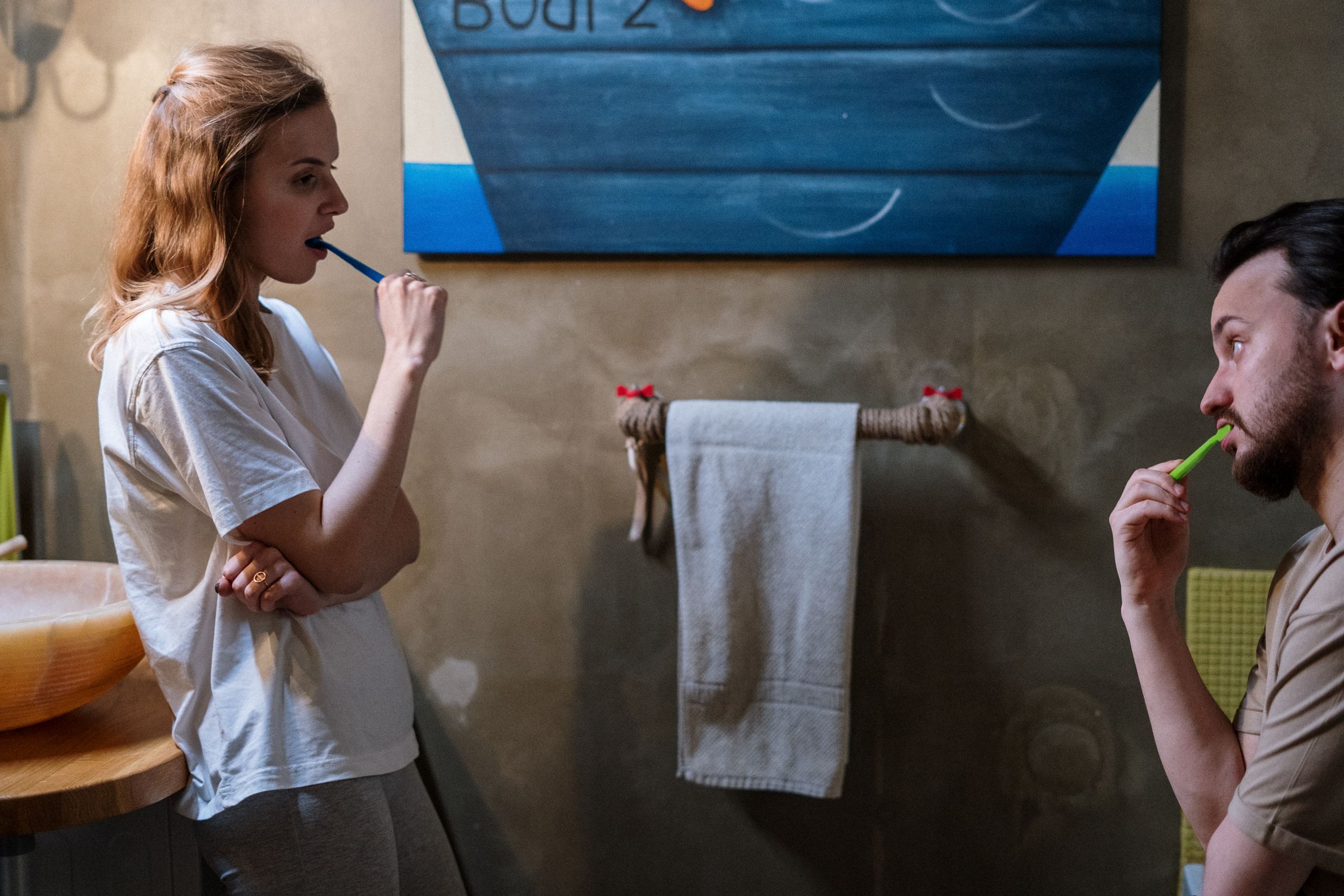
Electric toothbrushes make sense to plenty of boomers. App-connected toothbrushes are where many draw the line. Brushing teeth is supposed to be simple, not a daily performance review from a phone screen.
Once a toothbrush starts tracking pressure, angles, brushing time, missed spots, and phone notifications, it can feel like technology has gone too far. Boomers often reject products that turn ordinary habits into digital tasks. They have brushed their teeth for decades without Bluetooth, and they are not eager to change that now.
Fast Fashion That Falls Apart Quickly
Fast fashion can look tempting because it is cheap, trendy, and easy to replace. Boomers are often less impressed because they grew up expecting clothes to last. A good coat, sweater, handbag, or pair of shoes was supposed to stay useful for years, not fall apart after a few washes.
Many boomers prefer classic pieces, stronger fabrics, better stitching, and familiar brands. They may not chase every trend, but they understand value. A low-priced shirt that shrinks, fades, or twists at the seams quickly does not feel like a deal. It feels like money quietly thrown away.
Virtual Reality Headsets
Virtual reality may be impressive to gamers and tech fans, but many boomers still see VR headsets as awkward, expensive, and isolating. The idea of wearing a bulky device to enter a digital world does not appeal to everyone.
Many would rather watch a movie, visit family, read, travel, garden, or enjoy something that happens in real life. Comfort is another issue. Some users feel dizzy, tired, or disconnected while using VR.
Even when the technology is advanced, boomers usually need a strong practical reason before buying it. If it looks like an expensive toy, they are likely to leave it alone.
Robot Vacuums That Need Babysitting

Robot vacuums promise effortless cleaning, but many boomers are not convinced they clean as well as a regular vacuum. Watching a little machine bump into chair legs, miss corners, or get stuck under furniture does not exactly build confidence.
A traditional vacuum may take effort, but at least it gives the person control.The app setup makes robot vacuums even less attractive. A normal vacuum turns on and works. A robot vacuum may need Wi-Fi, mapping, charging, updates, filter replacements, and occasional rescue missions from under the couch.
For many boomers, that sounds less like convenience and more like managing another device.
Streaming Service Bundles
Streaming was supposed to make television cheaper and easier. For many boomers, it now feels like cable broke into several pieces and came back with more passwords. One show is on one app, sports are on another, news is somewhere else, and every service seems to have its own price hike.
That confusion makes traditional TV feel surprisingly comforting. Boomers often want to turn on the television, find something familiar, and watch without having to search through five apps. Streaming can be useful, but once the bills stack up, many boomers start asking why everyone worked so hard to reinvent cable.
Conclusion
Boomers are often called stubborn shoppers, but that misses the bigger truth. Many of them are simply tired of products that make life more complicated than it needs to be. They are not against comfort, technology, or convenience.
They are against paying more for things that feel weaker, trendier, or less dependable than what they already own. Their buying habits offer a useful lesson in 2026. A product should solve a real problem, last long enough to justify the price, and make daily life easier without adding stress.
Boomers may roll their eyes at smart fridges, meal kits, robot vacuums, and subscription boxes, but their main question is one every shopper should ask more often: Do we really need this, or are we just being sold another trend?