For millions of Americans, the promise of stability through full-time employment has become a fragile illusion. Despite clocking long hours and shouldering responsibilities, workers increasingly find their paychecks stretched thinner than ever.
The harsh reality is that full-time work, once synonymous with financial security, now often fails to cover the rising costs of living, leaving households vulnerable to debt, stress, and economic precarity. Understanding why this shift has occurred requires a deep dive into structural, cultural, and economic pressures reshaping the American labor landscape.
From stagnant wages to skyrocketing housing costs, the forces undermining financial stability are complex and interconnected. Rising consumer debt, inflation, and changing employment expectations compound the problem, eroding the value of a traditional paycheck. Beyond numbers, this crisis carries human consequences.
Families are cutting back on essentials, skipping medical care, and delaying life milestones like buying homes or starting families. The following exploration identifies eight brutal reasons full-time work no longer pays enough, illustrating the systemic challenges workers face today.
Housing Costs Outpacing Paychecks
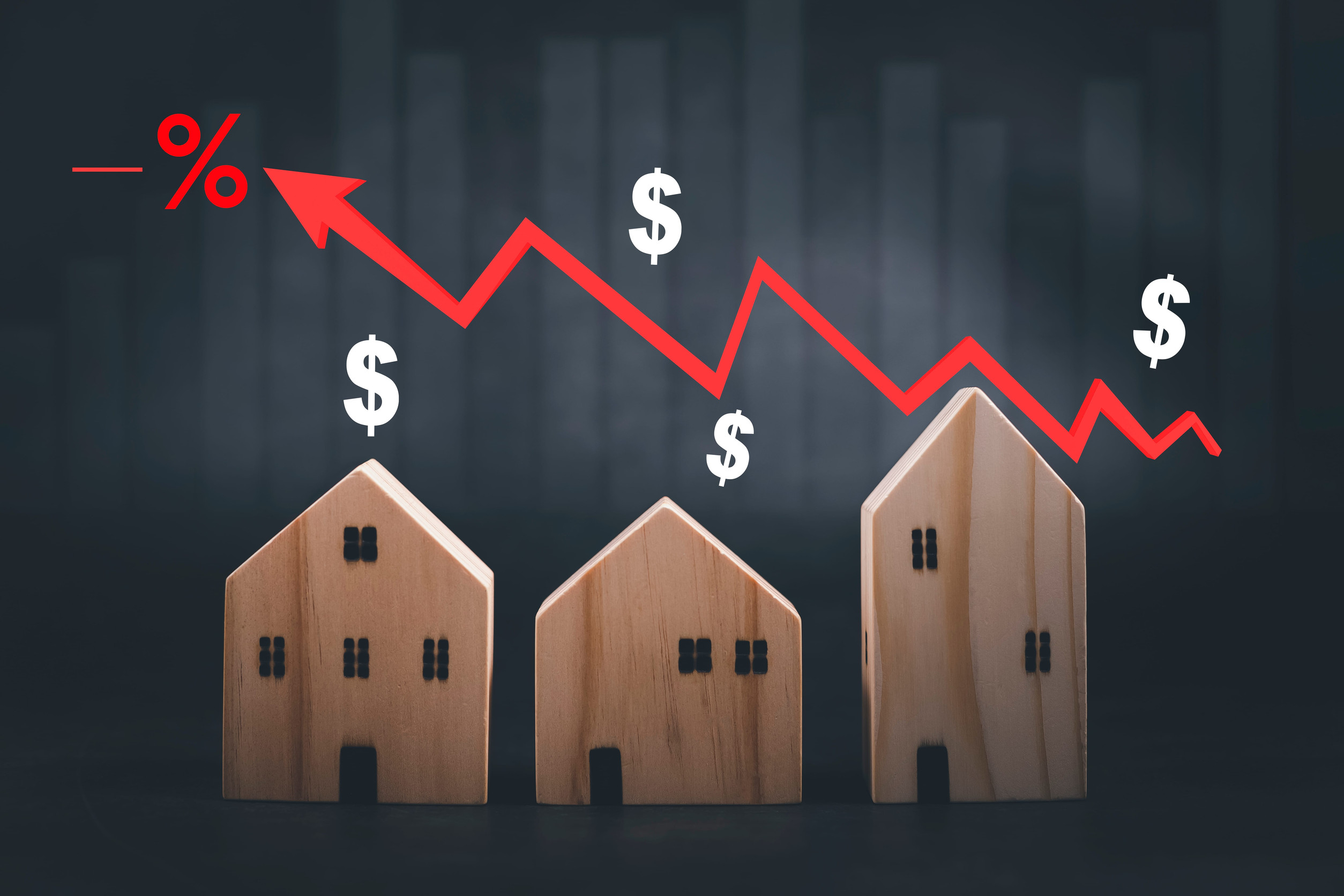
One of the most visible pressures on full-time workers is the relentless rise in housing costs. Rent and home prices have surged in nearly every U.S. city, often outpacing wage growth for decades. Even middle-income earners find themselves allocating a disproportionate share of income to housing, leaving little room for savings or discretionary spending.
This imbalance has forced many to compromise on location, commute times, and living conditions, thereby reducing quality of life and increasing stress. Urban centers that once promised proximity to jobs and amenities have become financially inaccessible to the very workers fueling their economies.
Long-term, this trend threatens the accumulation of generational wealth, as homeownership, the traditional avenue for building assets, remains out of reach for many full-time earners.
Stagnant Wages Amid Rising Expenses
While the cost of living has climbed steadily, wage growth has lagged far behind. Full-time positions that historically supported a family now often barely cover essentials. Industries reliant on hourly or entry-level labor are particularly affected, with workers seeing little increase in real income over the last decade.
This stagnation has wide-reaching effects on consumption patterns, retirement savings, and mental health. Families juggle multiple jobs or side hustles to meet basic needs, often sacrificing rest, recreation, and long-term financial planning. The disconnect between effort and reward is fueling a growing sense of frustration and distrust in the labor system.
Healthcare Costs Draining Paychecks
Healthcare expenses have become a significant drain on full-time earnings. Insurance premiums, co-pays, and unexpected medical bills can consume a significant portion of monthly income. Even workers with employer-sponsored insurance find themselves vulnerable to high deductibles and out-of-pocket costs that erode financial stability.
The implications extend beyond wallets. Delayed care due to cost can exacerbate health problems, reduce productivity, and increase absenteeism. Families must constantly weigh financial trade-offs against health needs, creating stress that undermines both personal well-being and long-term financial security.
Student Loan Debt Limiting Financial Mobility

For many Americans, student loans represent a hidden tax on earning potential. Large monthly payments reduce disposable income and delay critical milestones such as buying a home or saving for retirement. The burden disproportionately affects younger workers, who may enter the workforce with substantial debt but limited opportunities for wage growth.
Student debt also limits mobility, as workers may avoid relocating for better-paying positions to stay near affordable housing or family support. The financial pressure compounds over time, trapping borrowers in cycles of debt and insecurity that standard full-time work rarely alleviates.
Inflation and Everyday Living Costs
Inflation has intensified the squeeze on full-time workers. Grocery bills, utility costs, and transportation expenses have all risen, often faster than wages. Even modest households find discretionary spending shrinking, forcing tough choices between necessities and savings.
This relentless cost pressure magnifies financial stress and erodes the purchasing power of a paycheck. The gap between earnings and basic living expenses leaves little buffer for emergencies, making even small setbacks potentially catastrophic.
Gig Economy Competition Undermining Wages

The rise of gig and contract work has transformed labor markets, introducing uncertainty and wage pressure across sectors. Employers increasingly rely on flexible labor, reducing full-time job opportunities and suppressing bargaining power for traditional employees.
This shift creates a ripple effect. Workers face stagnant wages, unpredictable schedules, and fewer benefits. The perceived security of full-time employment is undermined as companies exploit the flexibility of labor markets to minimize costs while transferring risk onto employees.
Corporate Consolidation Reducing Worker Leverage
Corporate mergers and market concentration have further weakened employees’ negotiating power. Large firms often dominate regional economies, limiting competition for talent and reducing wage pressure. Workers may have fewer options to switch jobs for higher pay or better benefits, especially in specialized industries.
The consequences are visible in wage suppression, reduced benefits, and slower promotion tracks. When a single employer controls a significant share of the job market, workers effectively face a captive labor environment, limiting upward mobility despite full-time employment.
Psychological and Cultural Pressures to Overwork

Finally, cultural norms around productivity and success intensify the financial strain. Many workers feel compelled to accept overtime, second jobs, or unpaid labor to maintain economic stability. This overwork can lead to burnout, decreased productivity, and long-term health issues that ironically reduce earning potential.
The expectation to perform continuously reinforces a system where time and health are monetized at the expense of personal well-being. The societal pressure to equate work with worth amplifies financial challenges, creating a cycle in which full-time employment no longer guarantees security or quality of life.
Final Thought
The struggle of full-time workers reflects a broader economic reality. Labor structures, cost pressures, and cultural expectations have shifted, leaving many Americans financially exposed despite their dedication.
The erosion of the traditional paycheck’s value raises questions about the sustainability of current economic systems and whether new solutions, ranging from policy reform to corporate accountability, can restore financial stability for the workforce.
As households navigate this landscape, the harsh truth remains clear. Full-time work is no longer the reliable path to security it once promised, and Americans must confront the systemic challenges reshaping their financial futures.
This long-form analysis underscores the urgency for policymakers, employers, and communities to address the forces that leave hardworking individuals struggling to make ends meet. It invites reflection on what constitutes fair compensation, social support, and economic justice in a modern labor market defined by uncertainty and rising costs.