The stock market feels oddly exciting right now, and that alone should make people nervous. Buffett’s stock market warning has struck a nerve because many everyday investors now treat trading like entertainment rather than a serious financial decision. The scary part is simple, because when investing starts feeling like a game, the house usually knows more than the player.
This is not just about Wall Street suits and billionaire boardrooms. It touches grocery budgets, retirement dreams, mortgage stress, family planning, and the tiny phone screen where people chase the next hot stock before breakfast. So yes, Buffett’s stock market warning matters, and these brutal truths explain why many Americans are suddenly paying attention.
The Market Is Starting to Feel Too Much Like a Casino
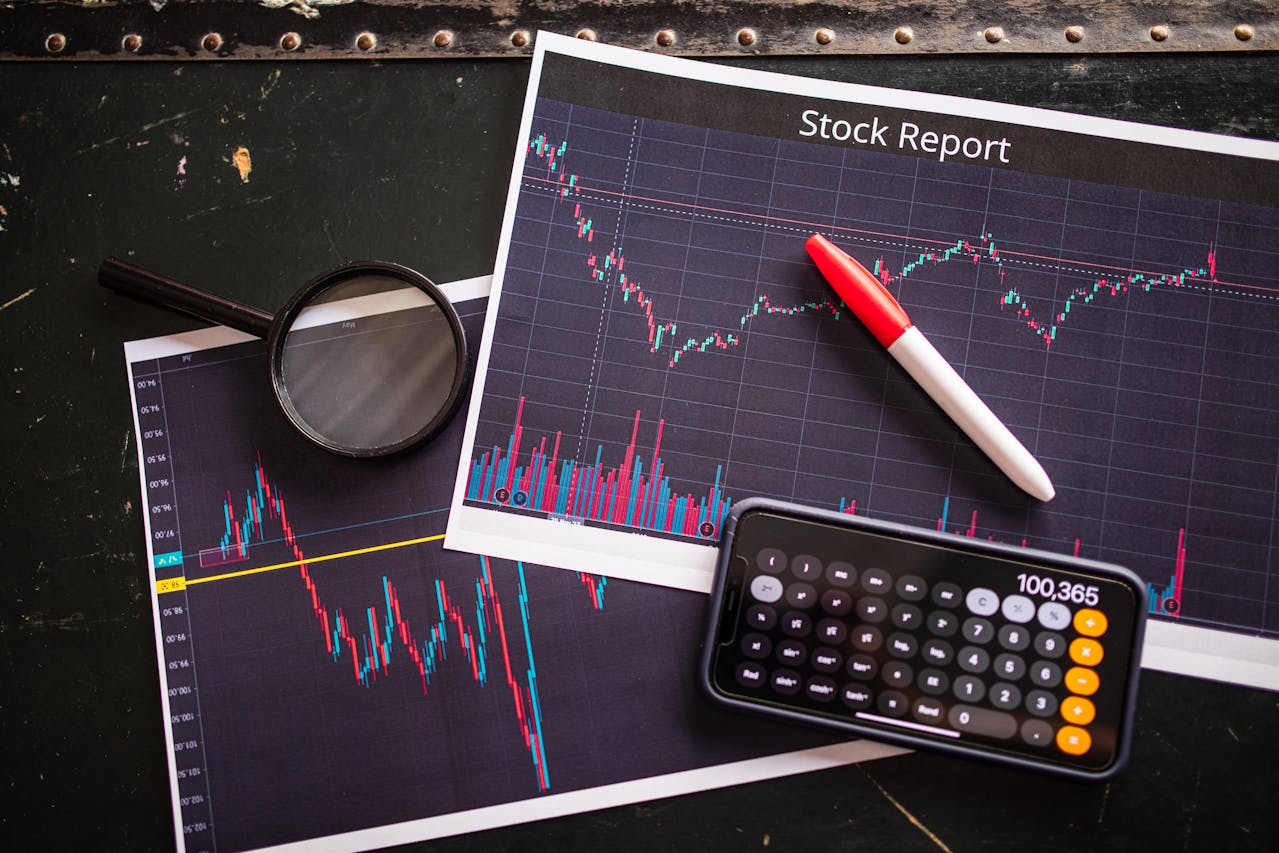
The first brutal truth is that too many people now chase action instead of value. Stocks once felt like ownership in real companies, but many investors now treat them like digital scratch cards. Is it investing if the whole plan depends on vibes, panic, and a lucky tap on a trading app?
This shift changes the mood around money in a dangerous way. People stop asking whether a company makes sense and start asking whether it might pop by lunchtime. That is not confidence, friend, that is financial caffeine wearing a nice blazer.
The lifestyle impact shows up fast. A person can check a stock chart at dinner, feel rich by dessert, and feel crushed before bed. FYI, that emotional roller coaster is not a wealth plan, even if the app has cute colors.
Easy Trading Has Made Risk Feel Too Casual
Modern trading feels smooth, fast, and almost harmless. A few taps can move money into stocks, options, crypto, or whatever trend is yelling loudest that week. That convenience can help careful investors, but it can also make reckless decisions feel weirdly normal.
The old friction gave people time to think. Now, the screen turns hesitation into action before common sense catches up. Who needs patience when a glowing button can turn anxiety into a purchase, right?
This is where Buffett’s warning becomes personal. Easy access can trick people into believing easy profit should follow. When it does not, the loss feels less like a market lesson and more like a punch to the household budget.
Hype Is Drowning Out Common Sense
Hype has become one of the loudest forces in the market. Social feeds turn every stock into a storyline, complete with heroes, villains, and dramatic predictions. The problem is that drama sells attention, but it rarely builds wealth.
Investors can get pulled into stories before they check the facts. A company may look exciting online yet still struggle with profits, debt, leadership, or real demand. The internet can make weak ideas look dressed for the Met Gala, which is impressive and ridiculous.
This matters because people bring market stress into daily life. They watch creators, follow comment sections, and start doubting their own judgment. How can anyone think clearly when every scroll screams that missing out is basically a personality flaw?
Many Investors Are Forgetting Patience

Patience sounds boring until panic arrives. Buffett built his reputation on discipline, time, and a calm approach to owning strong businesses. That style feels painfully slow in a culture that wants fast money, fast results, and fast bragging rights.
The market punishes impatience in quiet ways. A person can sell too soon, buy too late, or jump between trends until fees, taxes, and mistakes eat the gains. The tragedy is not always one huge loss, but many small bad choices stacked like unpaid bills.
This truth hits retirees, young workers, and families differently. Everyone wants their money to grow, but not everyone can afford the risk of wild swings. IMO, patience may look dull, but dull beats broken with dramatic music.
Expensive Stocks Leave Less Room for Error
A great company can still become a risky investment at the wrong price. That is one reason Buffett’s stock market warning feels so sharp right now. When investors pay too much for future hope, even good news may not be enough.
High expectations create fragile markets. If a company misses growth goals, faces competition, or simply sounds less magical for one quarter, the price can fall hard. Suddenly, the stock that looked unstoppable starts acting like it tripped over its own confidence.
This is not just a spreadsheet problem. Overpaying can delay retirement goals, create family tension, and make investors question every choice. Wealth can grow through discipline, but it can shrink quickly when excitement replaces judgment.
Short-Term Bets Can Poison Long-Term Plans
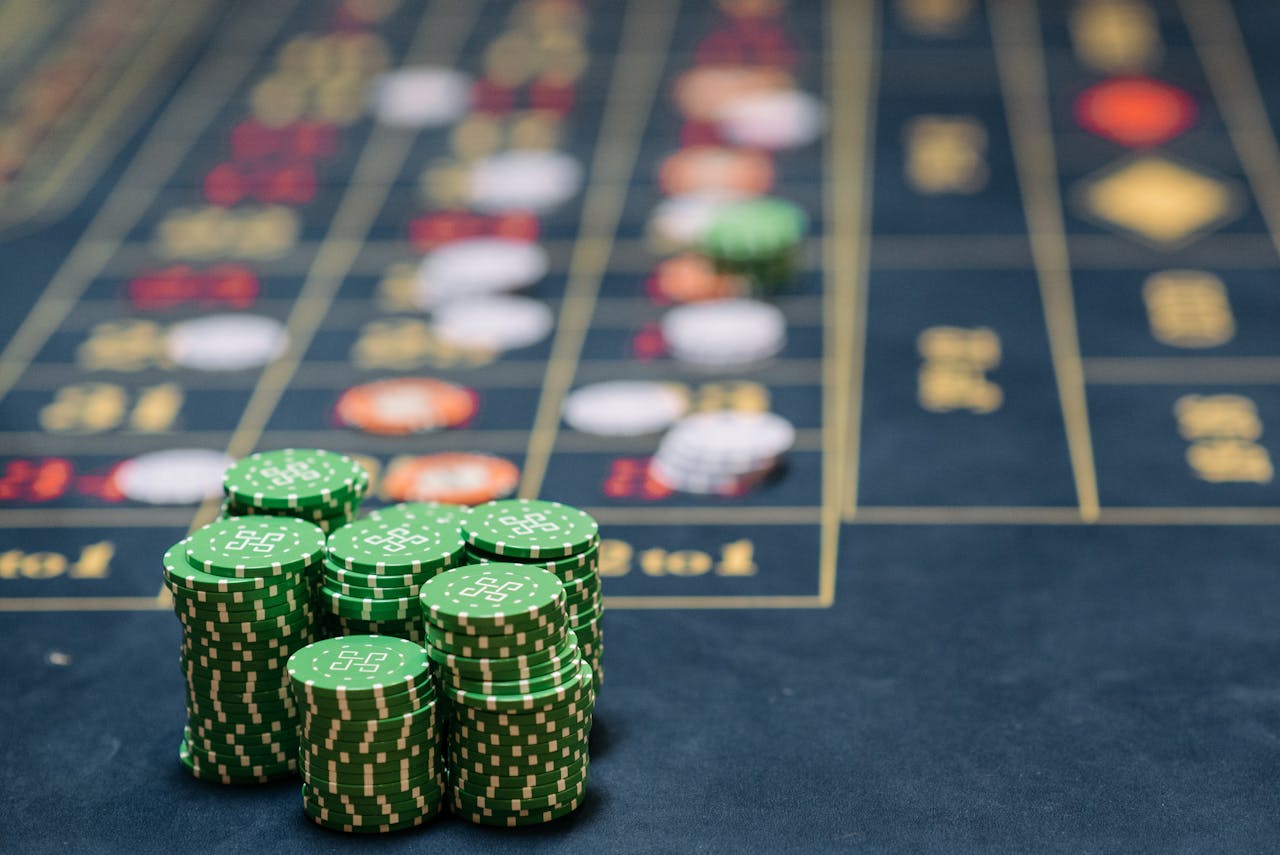
Short-term trading has a way of pretending to be smarter than it is. It offers the thrill of quick wins, instant feedback, and constant movement. But long-term goals usually need boring habits, not financial fireworks.
A retirement account does not need daily drama to succeed. It needs steady contributions, balanced risk, and enough patience to survive ugly headlines. The trouble begins when people use long-term money for short-term thrills.
That mistake can hurt more than pride. It can damage college savings, emergency funds, home plans, and retirement security. What looks like a quick trade can quietly become a lifestyle problem with a password.
Fear of Missing Out Is Making People Reckless
Fear of missing out has become a market force. People see others posting gains and start feeling foolish for sitting still. That pressure can push investors into trades they barely understand.
The market loves impatience because impatience creates mistakes. People buy when prices climb, sell when prices fall, and call it a strategy because panic needs a nicer outfit. Be honest, have you ever trusted a trend just because everyone else looked confident?
This emotional pressure can spill into normal life. Friends compare portfolios, families debate risk, and social media turns money into a public performance. Investing should support life, not turn every dinner conversation into a mini Wall Street hearing.
Cash No Longer Feels Like a Safe Pause

Many investors treat cash like failure during a hot market. They see unused funds and feel pressure to put them to use somewhere exciting. Yet cash can offer flexibility, especially when prices look stretched, and opportunities feel scarce.
Buffett has long treated patience and available cash as tools, not signs of fear. That mindset clashes with a culture that mocks anyone who refuses to chase the crowd. Funny how waiting suddenly looks weak until the market drops and everyone wants options.
For households, cash can mean peace. It can cover emergencies, reduce stress, and stop people from selling investments at the worst moment. A little breathing room can protect a family better than a flashy bet.
Wall Street Often Profits From Investor Restlessness
Here is a harsh truth people rarely enjoy hearing. A restless investor can be profitable for the financial machine. More trading can mean more spreads, more fees, more products, and more opportunities for platforms to keep users engaged.
That does not mean every service is bad. It means investors should ask who benefits when they trade more often. The answer may not always be the person staring at the phone in sweatpants.
This matters because money choices now blend with entertainment habits. Alerts, charts, rankings, and trending lists can pull people back into action. The market does not need to chase you down the street when your phone already does the job.
Selling Everything May Be the Wrong Lesson
Buffett’s stock market warning does not mean every investor should rush for the exit. Panic selling can create its own damage, especially for people with long timelines and solid plans. The warning points more toward discipline than fear.
Smart investors can review their portfolios without turning the moment into a financial fire drill. They can ask whether they understand what they own, whether risk fits their life, and whether hype has pushed them off track. That kind of honesty can feel uncomfortable, but it beats pretending everything is fine because the market smiled yesterday.
The brutal truth is that the best move may be calmer than people expect. Trim risk if needed, rebuild balance, and stop treating investing like a national sport. Your future self will not care if today felt exciting, but it may care deeply if today was careless.
Conclusion
Buffett’s stock market warning lands because it speaks to something bigger than stocks. It points to a culture where money, entertainment, status, and anxiety now live on the same screen. People do not just invest anymore; they watch, react, compare, panic, brag, and refresh until their nerves need a vacation.
The brutal truth is that market danger often begins before the crash. It starts when people stop thinking clearly, ignore price, chase hype, and confuse movement with progress. A rising market can still be risky if people in it act as if nothing can go wrong.
So should everyone sell their stocks because Buffett sounds worried? Not necessarily, and that is the part many viral headlines love to skip. The better move is to slow down, assess your risk, protect your real-life goals, and remember that wealth rarely grows well in a panic.
The market will always tempt people with shiny promises. Some promises will pay, and many will vanish like a hot trend after everyone buys the merch. The smartest investors do not need to win every moment, because they are busy protecting the life their money is supposed to support.