Water has earned its wellness halo for good reason. It helps regulate body temperature, cushions joints, supports digestion, carries nutrients, and keeps nearly every major body system running. The trouble starts when “drink more water” turns into a rule we follow even after the body has already had enough.
Too much water can dilute sodium in the blood, creating a condition called hyponatremia. Sodium helps control fluid balance around cells, including brain cells, so a sharp drop can become dangerous fast. Medical sources link severe cases to confusion, seizures, coma, and, in rare cases, death, especially when water intake overwhelms the body’s ability to excrete excess fluid.
You Are Drinking Water Even When You Are Not Thirsty
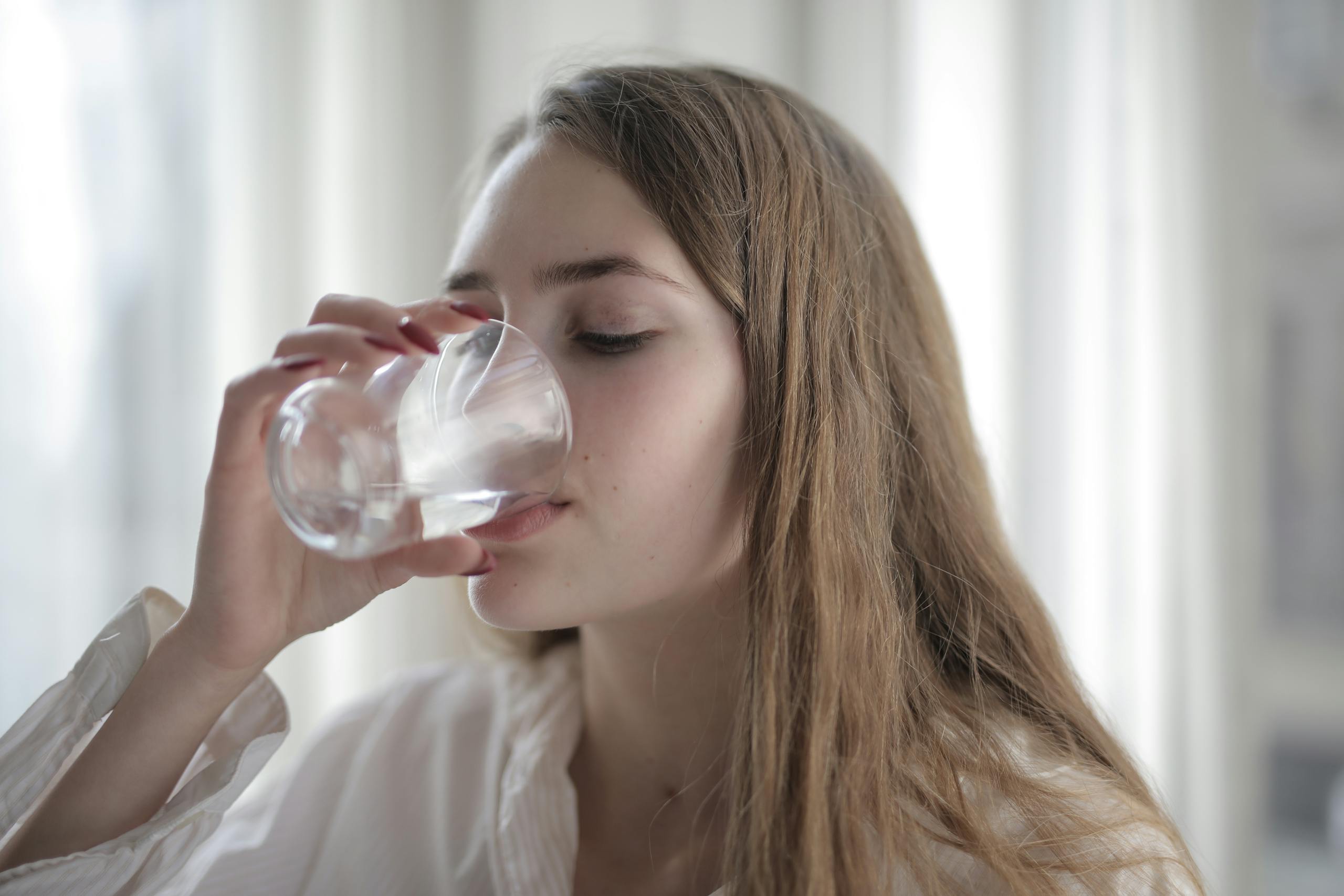
Thirst is not a weakness. It is one of the body’s built-in feedback systems, and for most healthy adults, it remains a useful guide. When we keep forcing water because of a bottle goal, a fitness app reminder, or the belief that more water automatically means better health, we can cross from healthy hydration into unnecessary overload.
This matters most when drinking becomes mechanical. If we sip constantly all day, drink large amounts before bed, or keep refilling a bottle even when our stomach already feels full, we may be ignoring the body’s stop signals. Exercise researchers have also warned endurance athletes that drinking to thirst is a safer strategy than drinking aggressively to “stay ahead” of dehydration.
Your Urine Is Always Completely Clear
Clear urine can happen after a large drink, and that alone is not a crisis. The pattern becomes more meaningful when urine stays almost colorless all day, especially alongside constant bathroom trips and a heavy water routine. Fluids dilute the yellow pigments in urine, so the more we drink, the clearer urine tends to look.
A pale yellow shade is often a more realistic sign of balanced hydration than a toilet bowl that looks like plain water every hour. If urine stays clear even when we are not drinking much, that can point to other health issues, including diabetes or kidney problems, so it deserves medical attention rather than guesswork.
You Are Running to the Bathroom Every Hour

Frequent urination is one of the clearest everyday clues that fluid intake may be higher than the body needs. We all urinate more after coffee, alcohol, cold weather, certain medications, or a big bottle of water, but an all-day cycle of drinking and peeing can suggest that hydration has turned excessive. The body is trying to remove what it does not need.
This sign becomes more important when it disrupts normal life. If work, sleep, errands, or social plans revolve around finding the nearest restroom, water may no longer be helping. It may be pushing the kidneys into constant cleanup mode, especially if the habit comes with clear urine, bloating, headaches, or fatigue.
You Wake Up at Night to Pee More Than Usual
Nighttime bathroom trips can have many causes, including pregnancy, diabetes, urinary issues, prostate problems, medications, caffeine, and sleep disorders. Still, drinking a lot of water late in the day can make the problem worse. A large evening intake gives the body extra fluid to process when it should be winding down.
This creates a frustrating loop. We wake up to pee, sleep poorly, feel tired the next day, then drink more water because we think fatigue means dehydration. If nighttime urination increased after starting a heavy water routine, the timing is worth noticing. Balanced hydration should support energy, not break sleep into small, exhausted pieces.
You Feel Bloated or Nauseous After Drinking
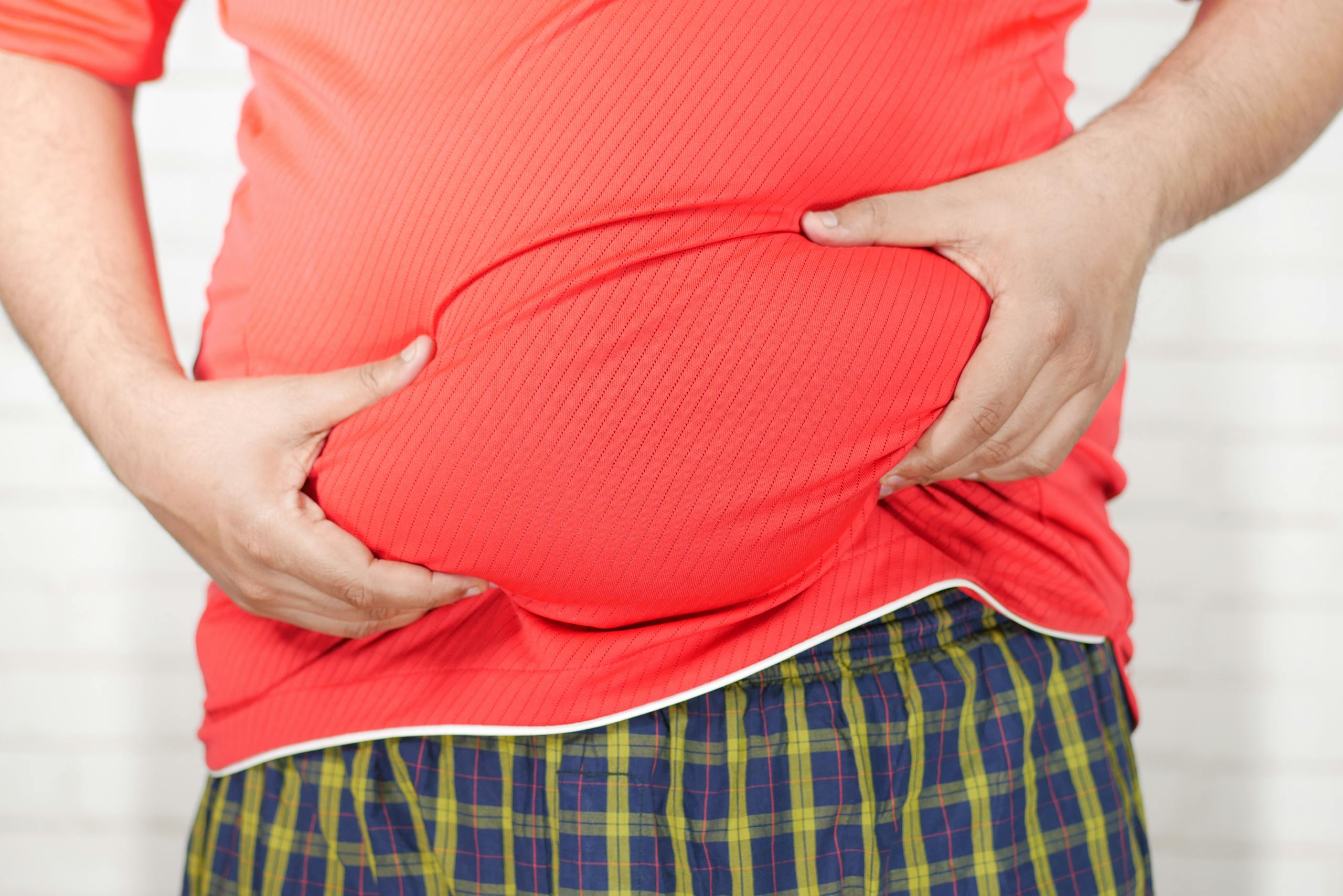
The stomach can only tolerate so much volume at once. Drinking a lot of water quickly can leave us feeling sloshy, stretched, nauseous, or uncomfortably full. Cleveland Clinic lists nausea, vomiting, and bloating among mild symptoms linked to water intoxication, and those symptoms deserve attention when they appear after unusually high fluid intake.
The risk rises when nausea appears with headache, confusion, weakness, or vomiting. Those symptoms can overlap with dehydration, which is why people sometimes drink even more water and accidentally make the situation worse. When symptoms intensify after more water, the answer is not another bottle. It is time to stop, reassess, and seek medical help if symptoms are concerning.
You Are Following a One-Size-Fits-All Water Rule
The famous “eight glasses a day” idea is simple, catchy, and incomplete. Fluid needs change with body size, climate, sweating, diet, pregnancy, breastfeeding, illness, medications, altitude, and activity level. Mayo Clinic notes that many healthy adults meet needs around 2.7 liters of total fluid per day for women and 3.7 liters for men, and that total includes water from foods and other drinks.
That number is not a command to drink that much plain water on top of soup, fruit, tea, coffee, smoothies, and meals. It is a broad intake estimate. A person eating water-rich foods, working indoors, and exercising lightly may need less plain water than someone sweating through outdoor labor in summer. The smartest hydration plan starts with context.
Your Hands, Feet, or Face Look Puffy
Overhydration does not always mean the same thing for every person. In some cases, it reflects drinking far more than the body needs. In others, it involves fluid retention because the heart, kidneys, liver, hormones, or medications affect how the body handles water. Medical guidance notes that clinicians distinguish excess water from increased blood volume by checking for weight gain, edema, and blood or urine electrolyte levels.
Puffiness is not a diagnosis by itself, but it is a signal. Rings may feel tighter, shoes may feel snug, the face may look swollen in the morning, or ankles may hold marks from socks. If swelling appears with shortness of breath, chest discomfort, sudden weight gain, confusion, or reduced urination, it needs prompt medical evaluation.
You Have Headaches That Arrive With Heavy Hydration
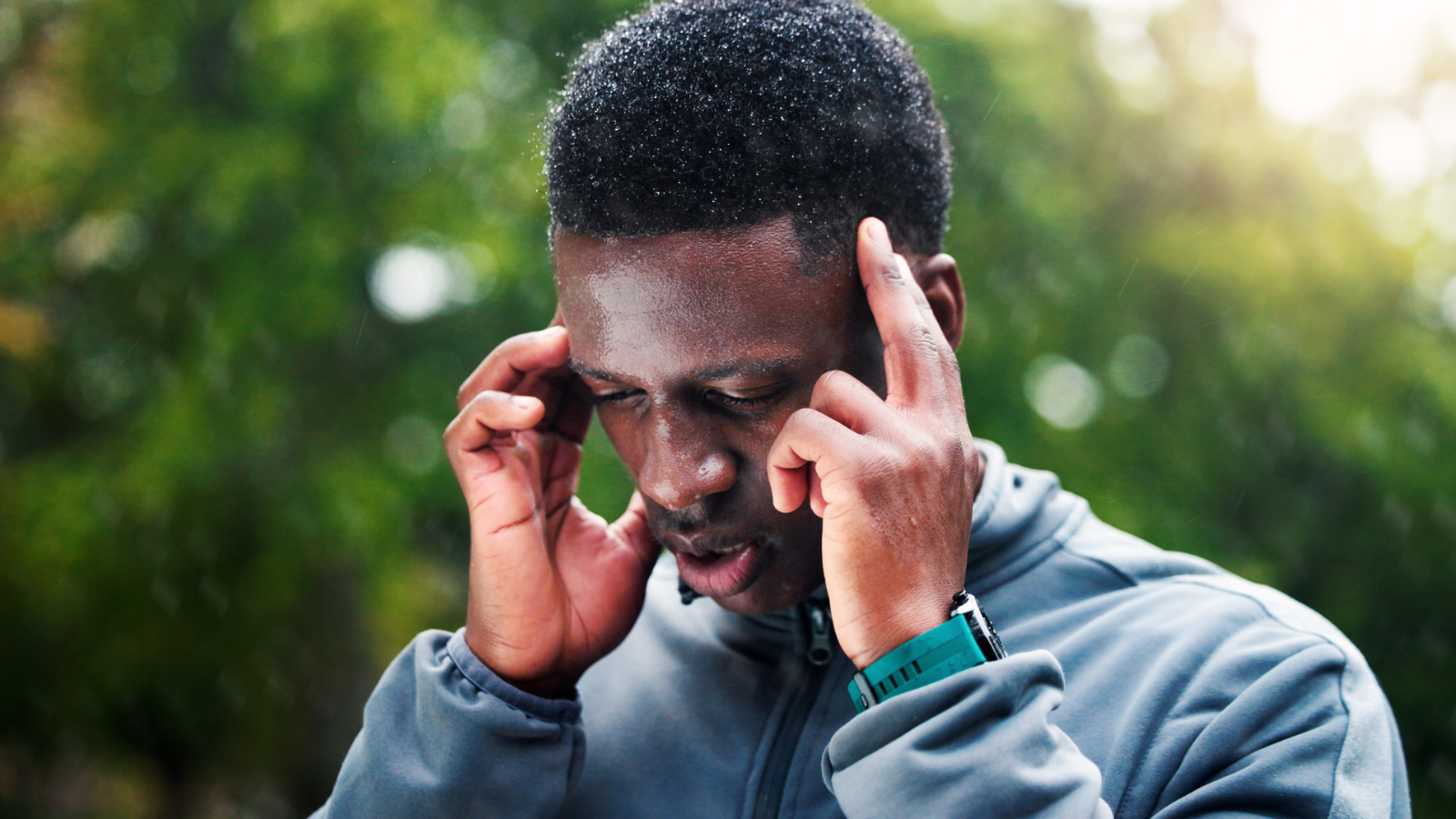
A headache after drinking water sounds backward, but it can happen when excess water contributes to low sodium. Hyponatremia affects fluid balance, and brain cells are especially sensitive to swelling when sodium levels fall. Medical references list headache among symptoms that can appear with low sodium, along with nausea, weakness, confusion, and more severe neurological problems.
The pattern matters. A random headache may come from stress, screen time, poor sleep, hormones, caffeine withdrawal, illness, or dehydration. A headache that appears after unusually high water intake, especially during a fitness challenge, heat exposure, illness, fasting, or endurance exercise, should not be brushed aside as “detox.” Bodies do not need to be flooded to be cleaned.
You Feel Weak, Crampy, or Strangely Tired
Sodium is not just “salt.” It helps muscles and nerves communicate properly. When sodium drops too low, the body can respond with weakness, cramps, low energy, and a strange heaviness that does not match the day’s activity level. Mayo Clinic includes cramping and weakness among symptoms that should prompt medical advice in people at risk for hyponatremia.
This is where hydration culture can become confusing. Tiredness and cramps are often blamed on dehydration, so many people drink more water. Yet if the real issue is dilution of electrolytes, more plain water may deepen the imbalance. That does not mean everyone needs sports drinks all day. It means we should stop treating every body complaint as a water shortage.
You Feel Confused, Foggy, or Off Balance
Brain-related symptoms are the red flag zone. Mild overhydration may cause few obvious signs, but fast-developing or worsening overhydration can bring vomiting, balance trouble, confusion, seizures, or coma. MSD Manual explains that brain cells are particularly vulnerable when water excess and low sodium develop quickly.
Confusion after heavy water intake is never something to “sleep off.” The same goes for sudden clumsiness, unusual drowsiness, slurred speech, severe headache, fainting, seizure, or loss of consciousness. Mayo Clinic advises emergency care for serious hyponatremia symptoms such as nausea and vomiting, confusion, seizures, or loss of consciousness.
You Are Trying to “Flush Out” Illness, Salt, Sugar, or Toxins
Drinking water can support normal kidney function, but the idea that we can force the body to flush out every cold, salty meal, sugar binge, or vague “toxin” by chugging water is risky. The kidneys already regulate water and electrolytes with impressive precision. Normal kidneys can excrete large amounts of urine in a day, but hyponatremia can still occur when intake overwhelms excretion or when medical conditions reduce the body’s ability to remove free water.
This myth also encourages extremes. Someone feels guilty after a salty dinner, panics after a high-sugar day, or tries to “cleanse” before a weigh-in, then drinks far beyond thirst. The body does not need punishment by water. It needs regular meals, sensible fluid intake, rest, and medical care when symptoms are serious.
You Drink Huge Amounts Around Workouts

Exercise makes hydration important, but it also makes overhydration easier to misunderstand. Some athletes drink aggressively before, during, and after long events because they fear dehydration. That strategy can backfire during marathons, hikes, cycling events, military training, or long, hot-weather workouts, especially when sweat losses and sodium balance are not considered.
Exercise-associated hyponatremia is tied to excessive fluid intake during prolonged activity, and research reviews emphasize drinking according to thirst as a practical prevention strategy. Sports drinks do not erase the risk if someone is still consuming too much total fluid. During long exertion, the goal is balance, not turning the stomach into a reservoir.
The Smarter Way to Hydrate
Better hydration is not about winning a bottle-counting contest. It is about giving the body enough fluid to function without disrupting its electrolyte balance. For most healthy adults, thirst, urine color, activity level, climate, and diet give useful everyday clues.
We should drink more when the heat, sweat, fever, vomiting, diarrhea, pregnancy, breastfeeding, or intense exercise increase fluid needs. We should stop forcing water when the body signals fullness, nausea, constant urination, or discomfort. Water is essential, but the healthiest amount is still an amount the body can actually use.