A woman should not need a permission slip from the culture to want a corner office. She should not need one to want a husband, a baby, a quiet home, a soft life, a wild career, a business, a passport full of stamps, or a Sunday dinner table full of kids either. The whole point of freedom is that a woman gets to choose a life that fits her, not one that makes strangers on the internet clap.
That is where modern feminism gets complicated. It promised women more options, but some of its loudest voices now make certain choices feel embarrassing, outdated, or politically suspicious. A woman can reject marriage and get applause.
She can want marriage and get a lecture. She can chase a promotion and get praised. She wants to stay home with her children and get treated like she lost a debate she never entered. That does not feel like liberation. It feels like a new rulebook with better branding.
It Replaced One Rulebook With Another
For generations, women were told to be quiet, agreeable, pretty, domestic, and grateful. Modern feminism was supposed to blow that old script to pieces. Yet in some spaces, it simply handed women a new one. Be ambitious. Be independent. Be sexually confident. Be politically perfect. Need no one. Apologize for nothing. Never admit you want a softer life.
That may sound empowering at first, but a script is still a script. Real freedom means a woman can become a CEO without being called cold and become a homemaker without being called brainwashed. Many Americans still support gender equality even when they do not personally identify with the feminist label, which shows that women’s freedom is often bigger than movement branding.
It Made Traditional Choices Feel Like a Crime Scene
A woman can spend her whole childhood hearing that she can be anything, then grow up and discover that “anything” comes with fine print. Want to be a lawyer? Great. Want to start a company? Amazing. Want to marry young, raise kids, cook dinner, build a home, and make family the center of your life? Suddenly, people start acting like she needs rescuing.
That is the contradiction many women feel but rarely say out loud. Modern feminism often celebrates choice in theory, then grades women harshly for choosing tradition. Freedom should not mean rejecting marriage, motherhood, faith, femininity, or family just to prove independence.
A woman should not have to live like a corporate warrior to be taken seriously. Sometimes freedom looks like a corner office. Sometimes it looks like a minivan in a Target parking lot with goldfish crackers under the seat.
It Turned Independence Into Isolation
Independence is powerful. It helps women leave bad relationships, earn their own money, protect their futures, and make decisions without having to beg for approval. But somewhere along the way, independence began to be marketed as emotional isolation. Need nobody. Trust nobody. Build alone. Heal alone. Win alone. If that sounds exhausting, it is.
Women are human beings, not self-help slogans with rent payments. Love, support, friendship, family, and community are not weaknesses. They are part of a healthy life. A woman who wants a strong partner is not less free.
A woman who leans on her family is not less capable. The “do everything alone” message looks tough online, but it can feel brutal in real life, especially when women already report higher stress levels in many parts of daily life.
It Made Career Success the Only Approved Dream

America loves a hustle story. The woman who wakes up at 5 a.m., runs a company, lifts weights, packs lunches, closes deals, drinks green juice, and still looks camera-ready gets treated like the gold standard of modern womanhood. Ambition matters, and women deserve every seat they earn. The problem begins when career status becomes the only form of female success to receive public respect.
Not every woman wants her life measured by promotions, titles, awards, and LinkedIn updates. Some want steady work and a peaceful home. Some want motherhood. Some want art, faith, travel, marriage, caregiving, or a slower rhythm. Women accounted for the majority of civilian labor force gains, but work participation is not the full measure of freedom.
It Downplayed the Real Cost of Having It All
“Having it all” sounds beautiful until “all” means the job, the kids, the marriage, the bills, the laundry, the aging parents, the school emails, the meal planning, the dentist appointments, the birthday gifts, and the invisible emotional spreadsheet running in a woman’s head all day.
Modern feminism pushed women into public power, which mattered. But it did not always force homes, workplaces, or policies to change fast enough to support that shift. That leaves many women living with two full-time jobs, one paid and one invisible. They are expected to earn, nurture, organize, remember, soothe, schedule, and smile.
Mothers remain deeply connected to the labor force, with labor force participation among mothers with children under 18 reaching 73.9% in 2025. That number should spark a serious conversation about support, not another lecture about leaning in harder.
It Turned Men Into Opponents Instead of Partners
Plenty of women have real reasons to be angry. They have been dismissed, underpaid, threatened, controlled, harassed, ignored, or harmed. Those experiences deserve honesty, not sugarcoating. But some modern feminist messaging takes a painful truth and stretches it into a bad rule: men are the problem.
That does not free women. It traps them in suspicion. A healthy movement should challenge abuse, sexism, and unfair systems without teaching women to see every man as a future enemy. Many women want love, marriage, fatherhood, teamwork, and partnership.
That does not make them weak. It makes them human. Freedom should help women choose better partners, set better boundaries, and demand respect, not make trust feel foolish.
It Made Public Shame Look Like Power

Every American has seen it now. One awkward comment, one messy breakup, one bad opinion, one private text, one clumsy mistake, and suddenly the internet turns into a courtroom with no judge and no mercy. Speaking up about abuse and harassment matters. Silence protected too many harmful people for too long. But public accountability and public humiliation are not the same thing.
Some corners of modern feminism have blurred that line. They reward pile-ons, screenshots, and social punishment while calling it empowerment. That can make women afraid to think out loud, change their minds, forgive, disagree, or admit complexity. Freedom requires room for growth. If every mistake becomes a public execution, everyone starts performing instead of speaking honestly.
It Sold Body Positivity but Kept the Beauty Pressure
Modern feminism told women to love their bodies, reject impossible standards, and stop living for male approval. That message should have been freeing. Then social media got involved and turned confidence into another performance. Be natural, but polished. Be body positive, but photogenic. Be confident, but still marketable. Be “authentic,” but use good lighting.
The pressure did not disappear. It moved into the phone. Women and girls now live inside a constant comparison machine where every face can be filtered, and every body can be judged. Research has linked social media exposure to body image concerns, showing that the digital marketplace has not released women from beauty pressure so much as made the mirror portable.
It Made Motherhood Sound Like a Trap
Motherhood should never be forced on women. No woman should be reduced to reproduction, pressured into parenting, or told her worth depends on having children. That old pressure was real, and many women suffered under it. But some modern feminist spaces have swung so far in the opposite direction that motherhood now gets treated like surrender.
That message can hurt women who deeply want children. It can make them feel silly, outdated, or less ambitious for choosing a role that has shaped human life from the beginning. Motherhood is hard, but hard does not mean oppressive.
Often, the real problem is not motherhood itself. It is the lack of support around mothers, the cost of child care, the pressure on families, and the way society praises mothers in speeches while failing them in policy.
It Punished Women for Thinking Differently
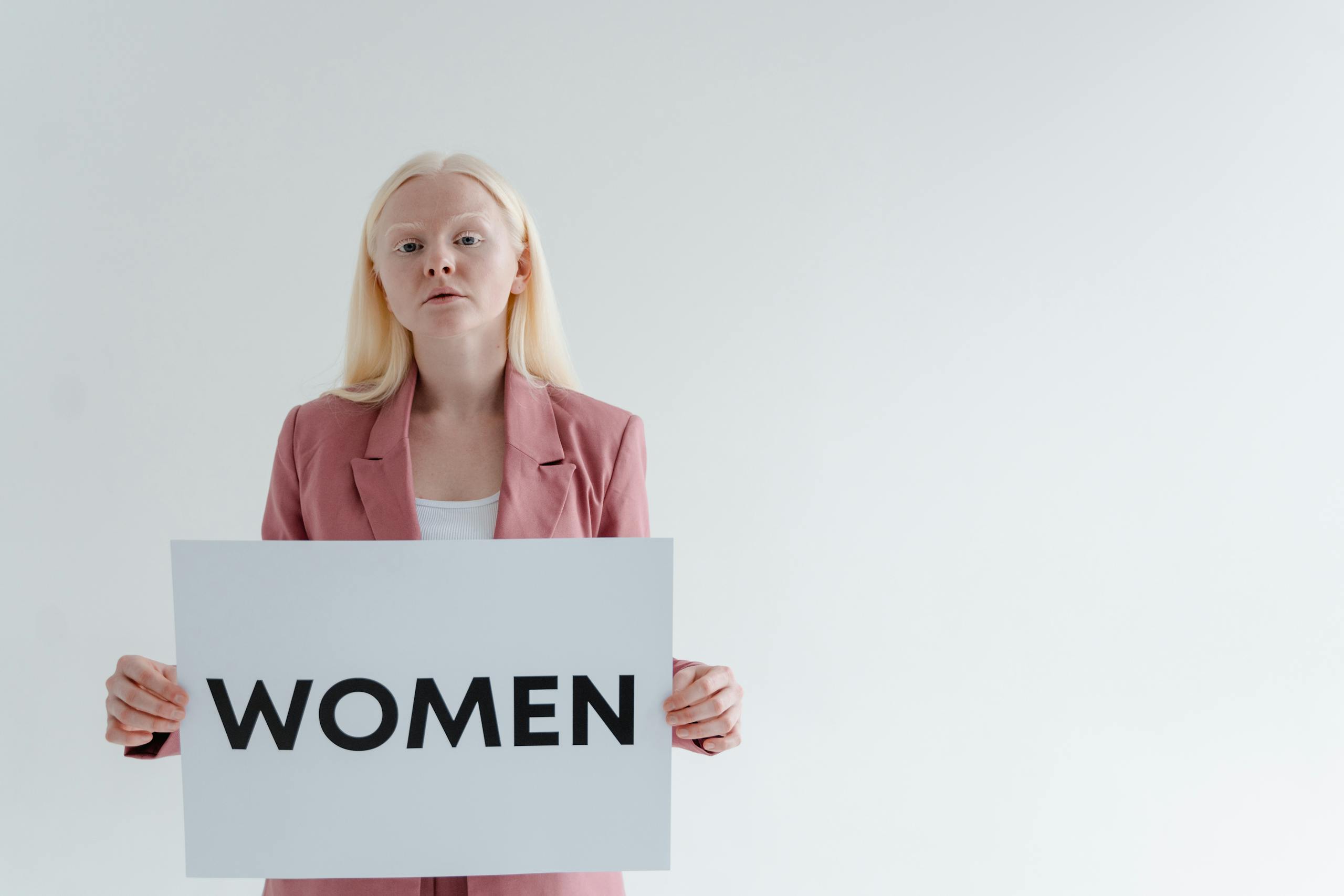
A free woman should not have to vote a certain way, date a certain way, dress a certain way, speak a certain way, or define empowerment exactly like everyone else in her social circle. Yet some modern feminist spaces treat disagreement like betrayal.
Women who question the movement’s language or priorities can quickly get labeled as backward, insecure, internalized, dangerous, or not really “for women.”
That is not freedom. That is social control. Women are not a political bloc, a brand identity, or a single approved opinion. They are individuals with different values, backgrounds, beliefs, dreams, and wounds. Public attitudes show a major gap in how men and women see respect and dignity for women in society, which should invite deeper conversation, not punishment for thinking differently.
Conclusion
Modern feminism gave women language, courage, visibility, legal power, and the confidence to challenge unfair systems. That should not be erased. But a movement built around freedom loses credibility when it starts telling women which choices count as enlightened and which ones make them suspect. Women did not fight to escape one box just to be placed inside another with trendier wallpaper.
The real test of women’s freedom is simple. Can a woman choose ambition without being called selfish? Can she choose marriage without being called weak? Can she choose motherhood without being dismissed? Can she choose singleness without being pitied? Can she choose softness without being mocked? Can she disagree without being exiled?
A better feminism would not fear women’s choices. It would protect them. It would stop treating the boardroom woman as more evolved than the stay-at-home mother, or the single woman as more liberated than the wife, or the loudest woman as the bravest person in the room. Real freedom is not one approved script. It is the power to write your own life without asking the culture for permission.