American parenting used to come with fears you could at least picture clearly. A kid falling off a bike. A teenager missing curfew. A bad report card stuffed deep inside a backpack. Today, the fear feels bigger, quieter, and harder to name.
Parents now raise children in a country where a school alert can freeze the whole day, a phone can carry strangers into a bedroom, and one fake pill can turn a family’s life into a memorial post. They still pack lunches, smile at pickup, clap at games, and tell everyone they are fine.
But behind the minivan doors, kitchen counters, and late-night group chats, many American parents are secretly terrified.
Their Child’s Mental Health Is Quietly Slipping Away

One of the scariest things for parents today is not knowing what their child is really carrying. A kid can laugh at dinner, post a funny video, make decent grades, and still feel broken inside. That fear makes parents study every mood shift, every closed door, every “I’m fine,” and every long silence from the back seat.
The numbers make that fear impossible to dismiss. In 2023, 40% of U.S. high school students reported persistent sadness or hopelessness, 20% seriously considered suicide, and 9% attempted suicide, based on persistent sadness rates.
Parents are not overreacting when they worry about what their children are not saying. They know pain can hide behind grades, jokes, headphones, and a bedroom door that stays closed too long.
School Safety No Longer Feels Guaranteed
Every parent wants school to feel ordinary. Drop-off lines, lunchboxes, book fairs, football games, spelling tests, hallway gossip, and exhausted teachers should be the story. But too many American parents now say goodbye in the morning with a thought they hate themselves for having: please let them come home.
That fear did not appear out of nowhere. Firearms have remained the leading cause of death for U.S. children and teens ages 1 to 17, based on recent firearm death data. That reality changes how parents hear school announcements, lockdown drills, sirens, and breaking news alerts. A place built for learning should not feel like a place where parents quietly calculate risk.
Social Media Is Shaping Their Kids Before They Can
Parents used to worry about who their child sat beside at lunch. Now they worry about who is inside their child’s phone at midnight. Social media can bring jokes, friendship, creativity, and connection, but it can also bring comparison, cruelty, body pressure, sleep loss, anxiety, and a permanent audience for every mistake.
That is why so many parents feel outmatched. Recent survey data found that 55% of parents were extremely or very concerned about teen mental health, and 44% of concerned parents pointed to social media as the biggest negative influence, based on teen mental health concerns.
The fight over screen time is no longer just about discipline. It is about protecting attention, confidence, sleep, and a child’s sense of self.
Online Predators Can Reach Children Through Ordinary Devices
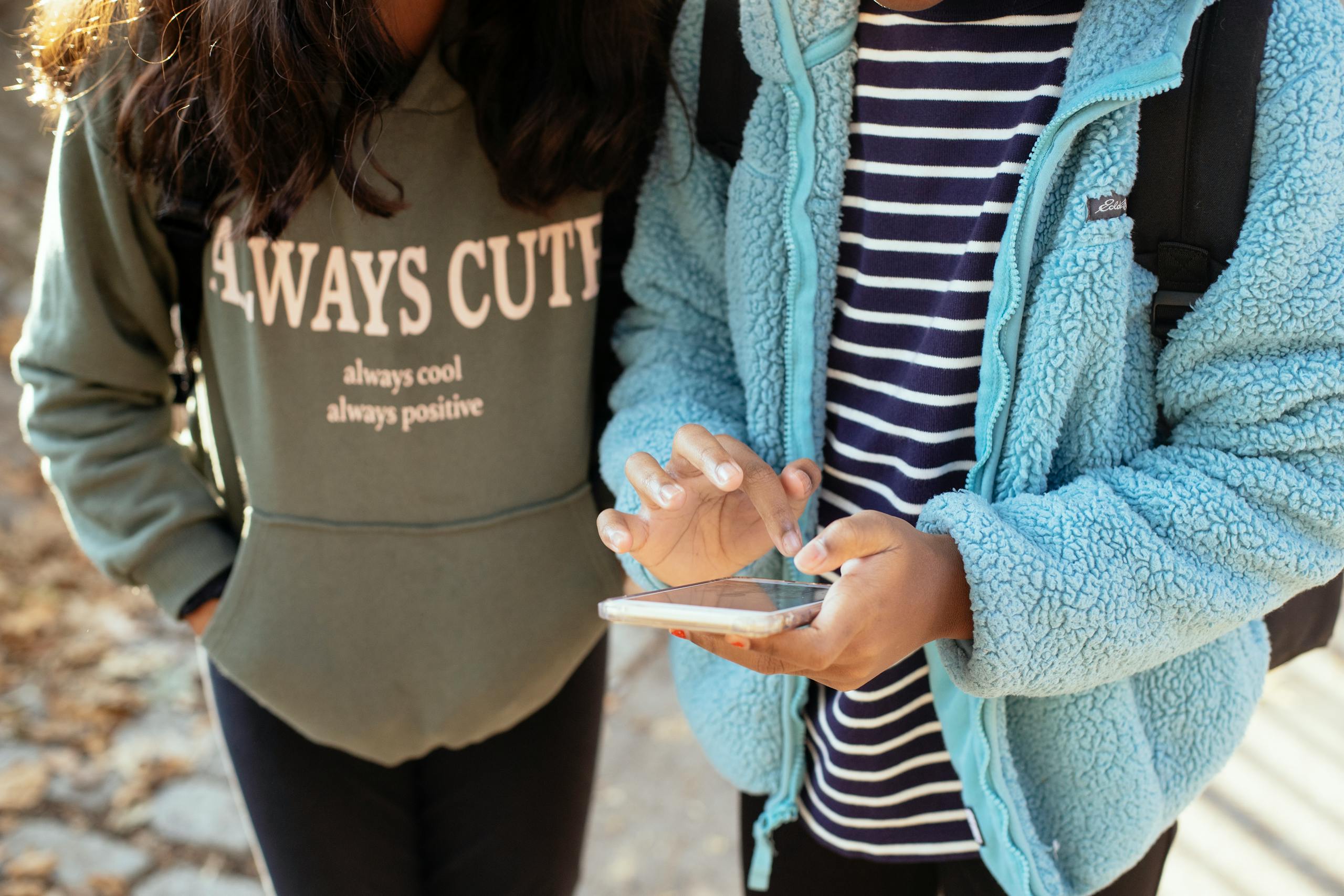
The old “stranger danger” talk was simple. Do not get into a car. Do not follow someone at the mall. Do not talk to strange adults near the playground. Today’s danger can arrive through a gaming chat, a fake profile, a direct message, a group chat, or someone pretending to be another child.
That is what terrifies parents most. In 2025, the national tip system received 21.3 million reports involving suspected child sexual exploitation, with more than 53,000 flagged as urgent or involving a child in imminent danger, according to child exploitation reports.
Parents are not being dramatic when they check privacy settings or ask who their child is messaging. They know the front door may be locked while the digital door is wide open.
Cyberbullying Follows Kids Into Their Bedrooms
Bullying used to have a cruel schedule. It happened at school, on the bus, at practice, or in the neighborhood. Now it can follow a child home, sit beside them at dinner, and glow beside their pillow after midnight.
A nasty group chat, a humiliating post, an edited photo, or a pile-on can make a child feel trapped with no safe place to breathe. Recent survey findings show that about 58% of U.S. middle and high school students have experienced cyberbullying at some point, based on cyberbullying survey data.
Parents fear this because the damage can happen silently. A child may be bullied in a room full of family and still feel completely alone.
One Fake Pill Can Destroy a Family
Parents used to imagine drug danger as a slow slide. Wrong friends, bad parties, repeated choices, and warning signs that might give the family time to act. Today, one counterfeit pill can be enough to end a child’s life before parents even know there was a problem.
That is the nightmare. In 2025, authorities seized more than 47 million fentanyl-laced counterfeit pills and nearly 10,000 pounds of fentanyl powder, equal to more than 369 million lethal doses, based on the counterfeit pill threat.
A teenager may think they are taking something for anxiety, sleep, pain, focus, or fun. Parents know one hidden ingredient can turn a secret into a funeral.
Child Care Costs Are Breaking the Family Budget

American parents love their children, but love does not pay the daycare invoice. Many families are quietly terrified that they cannot afford the life they already built. Rent, groceries, car payments, insurance, medical bills, school supplies, sports fees, and child care can turn family life into a beautiful thing running on financial fumes.
The cost is not small. Families pay an average of $13,128 per child each year for child care. That number explains why parents delay having another child, leave jobs, move closer to relatives, or feel guilty every time they check the bank app. For many families, child care is no longer a service. It is a second mortgage with finger paint.
Their Kids Are Falling Behind in School
Parents can handle a bad grade. What scares them is the feeling that their child is losing confidence, attention, reading skills, math skills, and the basic tools needed to build a future. A child who once loved stories may now avoid books. A math worksheet can turn into tears. Homework can reveal what report cards politely hide.
The concern is real. National reading scores fell in both fourth and eighth grade in 2024, and one-third of eighth graders scored below the basic level. Parents feel that gap at the kitchen table. They know learning loss is not just a school problem. It can shape confidence, opportunities, and how a child sees themselves.
Climate Anxiety Is Entering Childhood
Parents used to comfort kids through thunderstorms, nightmares, and monsters under the bed. Now, children ask about wildfires, floods, hurricanes, heat waves, air quality, and whether the planet will still be safe when they grow up. That is a heavy fear for a child to carry.
Young people are carrying it anyway. A large survey of U.S. youth ages 16 to 25 found that 85% were at least moderately worried about climate change, and 57.9% were very or extremely worried, based on their responses. Parents are not only scared of storms. They are scared their children are inheriting a future that already feels unstable.
Parents Are Burned Out and Afraid Their Kids Can Feel It

One of the quietest fears parents carry is the fear that their own stress is leaking into the house. They worry their children can sense the bills, the marriage tension, the job pressure, the exhaustion, the guilt, and the silent panic after bedtime. They wonder if they are damaging their kids even while giving everything they have.
That fear has weight. Nearly half of parents say that, most days, their stress feels completely overwhelming, compared with about a quarter of other adults, according to the Parent Stress Crisis. This is the fear parents rarely say out loud. They are not only afraid of the world hurting their children. They are afraid their own survival mode is becoming part of childhood, too.
Conclusion
American parents are not secretly terrified because they are weak. They are terrified because parenting now feels like trying to protect a child from threats that move faster than family rules can keep up. The danger is not always outside the house. Sometimes it is in a phone, a school alert, a fake pill, a daycare bill, a report card, a weather warning, or a child’s quiet mood shift.
Still, parents keep showing up. They check phones, pack lunches, sit through practices, pay impossible bills, ask hard questions, listen through slammed doors, and love their children through a world that keeps raising the stakes. The fear is real. But so is the devotion. And in many American homes, that devotion is the only thing stronger than the terror.