Josephine Rios did not sound like a woman looking for a political fight. She sounded like someone who had reached the frightening point where politics had walked through her front door and sat down beside her family.
Outside Rep. Young Kim’s Anaheim Hills office, Rios stood among angry protesters worried about possible cuts to Medi-Cal, California’s version of Medicaid. But her story carried a sharper sting than most. She said she once helped elect Kim. Now she fears the congresswoman could support a budget path that may threaten the care her 7-year-old grandson depends on every month.
That is what made the protest feel bigger than another loud afternoon outside a congressional office. It was not just a crowd yelling at a politician from the other side. It was a warning from people who believe they helped put someone in power and now want proof that she will protect them when the vote matters.
The Protest Was Really About Fear Inside American Homes

The crowd outside Kim’s office included health care workers, caregivers, local residents, and advocates who feared that federal budget fights could lead to deep Medicaid cuts. Some protesters carried signs. Some wore medical gowns. Others staged a die-in to show what they believed was at stake if vulnerable people lost access to care.
The images were dramatic, but the message was simple. For families who rely on Medi-Cal, this is not a debate about numbers on a government spreadsheet. It is about medication, therapy, home care, disability support, nursing home services, and the fragile routines that keep people alive and functioning.
That is why the protest had so much emotional weight. People were not only angry about Washington politics. They were afraid that decisions made far away could hit their children, siblings, parents, and patients in the most personal way possible.
One Supporter’s Anger Cut Through the Noise
Rios stood out because she was not speaking as a lifelong opponent of Kim. She said she had been one of Kim’s strongest advocates and had convinced friends and family to vote for her. That kind of frustration is politically dangerous because it comes from inside the circle of trust.
Her warning was direct. If Kim votes to cut Medi-Cal, Rios said she would work just as hard to help remove her from office. It was the kind of statement that can follow a politician long after the protest signs are gone.
For Kim, that creates a difficult problem. It is one thing to face criticism from voters who were never likely to support you. It is another to hear from someone who says she once helped carry your message and now feels personally betrayed.
Her Grandson’s Care Gives the Story Its Heart
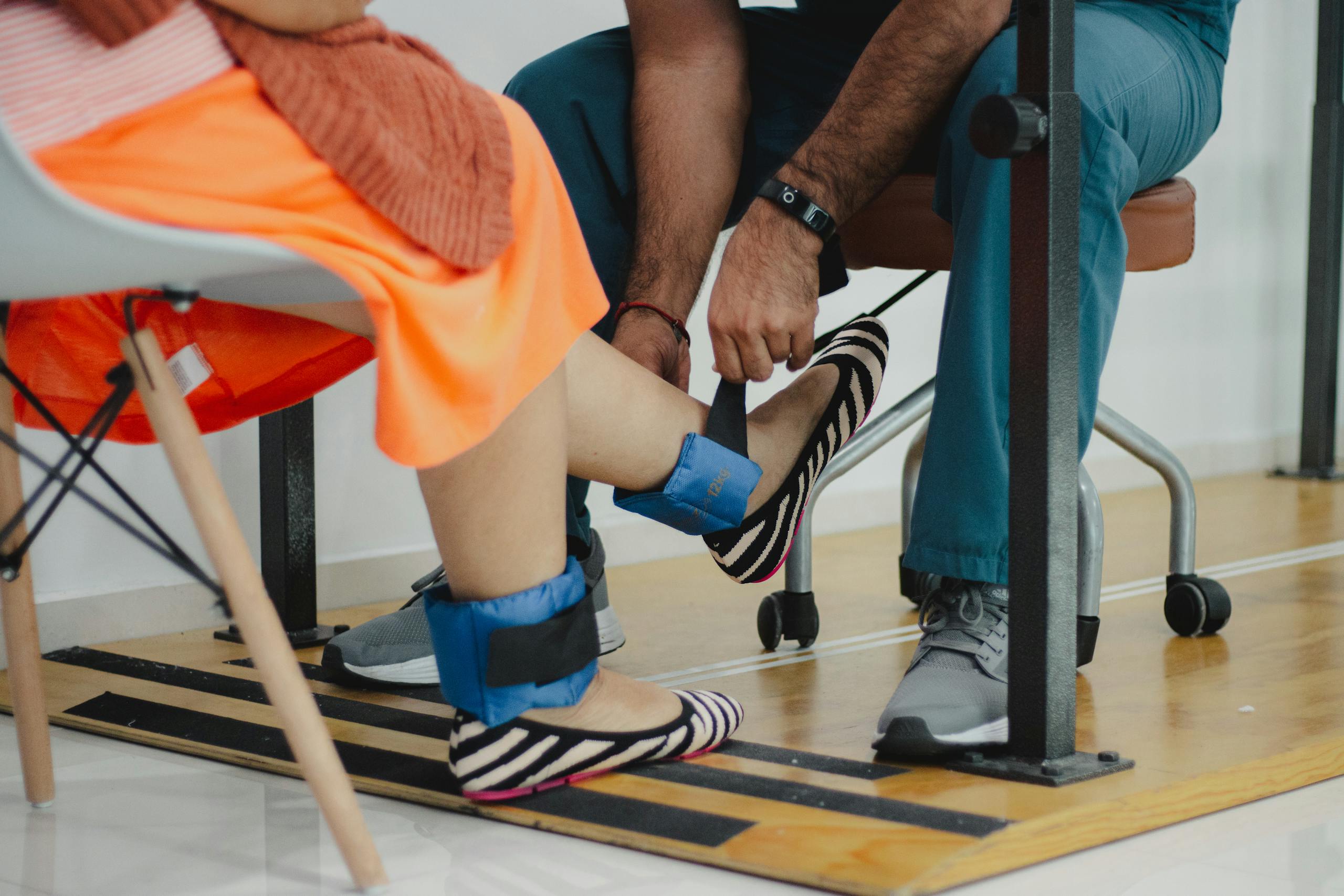
Rios said she was protesting because of her grandson, Elijah, who has cerebral palsy. His care reportedly costs about $5,000 a month and includes physical therapy, speech therapy, occupational therapy, and medication to help prevent severe seizures.
That number is the part of the story that many families will understand immediately. A $5,000 monthly medical burden would crush many households. For a child with serious health needs, those services are not luxuries. They can shape movement, speech, safety, comfort, and everyday dignity.
This is where the Medicaid debate becomes painfully human. Lawmakers may talk about efficiency, fraud, spending control, and long-term budgets. Families hear those words and think about the next appointment, the next prescription, and the possibility of losing help they cannot replace on their own.
Kim Is Trying to Walk a Narrow Political Line
Kim’s office has said she is committed to protecting and strengthening health care, including vital Medicaid services for vulnerable people. She has also said she would not support a budget that fails to protect those services.
That statement matters, but protesters clearly want more than reassurance. They want certainty. They want a firm public stand that no budget deal will put people like Elijah at risk.
The pressure is especially intense because Kim represents a district where many people rely on Medi-Cal. When a health program touches thousands of households in a district, it stops being an abstract policy fight. It becomes a local survival issue.
The Budget Fight Could Become a Voter Backlash

Republicans have argued that they are focused on cutting waste, fraud, and abuse rather than taking care away from people who truly need it. That message may sound reasonable in a campaign speech, but it becomes harder to sell when families fear losing actual services.
That is the political danger in this story. Voters often support budget discipline in theory. They get far less patient when the savings could come from programs that help disabled children, low-income workers, caregivers, seniors, and families living one medical crisis away from financial collapse.
For Kim and other lawmakers in competitive districts, Medicaid is not just another issue. It can become a test of loyalty. Voters may forgive policy disagreements, but they rarely forget how abandoned they feel when their family’s health is on the line.
The Most Powerful Message Came From a Former Believer
The protest outside Kim’s office was loud, but Rios’ story gave it the emotional center. She was not simply asking a politician to vote differently. She was reminding that politician who helped put her there.
That is what makes the story so compelling. It captures a larger American frustration with politics. People vote for leaders hoping they will protect real families, not disappear behind budget language once the election is over.
Rios’ warning was personal, but it spoke to a wider fear. Families who rely on Medi-Cal do not want to become bargaining chips in a national spending fight. They want their children to keep receiving care. They want their loved ones to stay safe. They want the people they elected to remember them after the campaign signs come down.
For Kim, the question is now simple and uncomfortable. Will her vote match the promise her office is making, or will supporters like Rios decide that helping elect her was a mistake they need to correct?