Life feels a little heavier at the checkout lately. Tariffs have quietly crept into our wallets, making everyday items more costly and trips to the store a little more stressful. From groceries to gadgets, this invisible price hike is real, and the ten points below reveal why Americans are paying more for the same things.
These ten brutal ways tariffs affect daily life show how politics trickles into our routines. Each one uncovers hidden stressors and financial strain that often go unnoticed. By understanding these consequences, you can plan smarter and protect your budget from unexpected hits.
Groceries Costing More

Every visit to the grocery store brings subtle shocks. Items like fruits, vegetables, and packaged goods have slowly increased in price, creating tension for families trying to stretch a budget. Have you noticed how a simple shopping trip now requires more mental math than ever?
Imported products face additional taxes, and costs inevitably trickle down to consumers. Budget-conscious shoppers must weigh quality against affordability. FYI, what was once a routine purchase can now feel like a mini financial workout.
Even staples like rice, coffee, and cooking oils feel pricier. Americans are forced to adjust their eating habits or settle for lower quality. This is one of the harshest, yet least discussed, effects of tariffs on daily life.
Electronics and Gadgets Rising
Smartphones, laptops, and household gadgets have become subtly more expensive. Tariffs on imported electronics increase costs for retailers, who then pass them to customers. Do you ever hesitate before clicking buy now because the price feels a little too high?
Gadget upgrades feel less urgent but more punishing when each model carries an inflated price tag. Americans often absorb these costs quietly, unaware of their cumulative effect. Even small increases can add up over time, turning simple tech purchases into financial stress.
Accessories like headphones, chargers, or smart devices are not spared. Budget travelers and students feel the strain first, especially when shopping online. It is an unseen tax that affects almost everyone, from professionals to teenagers.
Household Appliances Price Hike
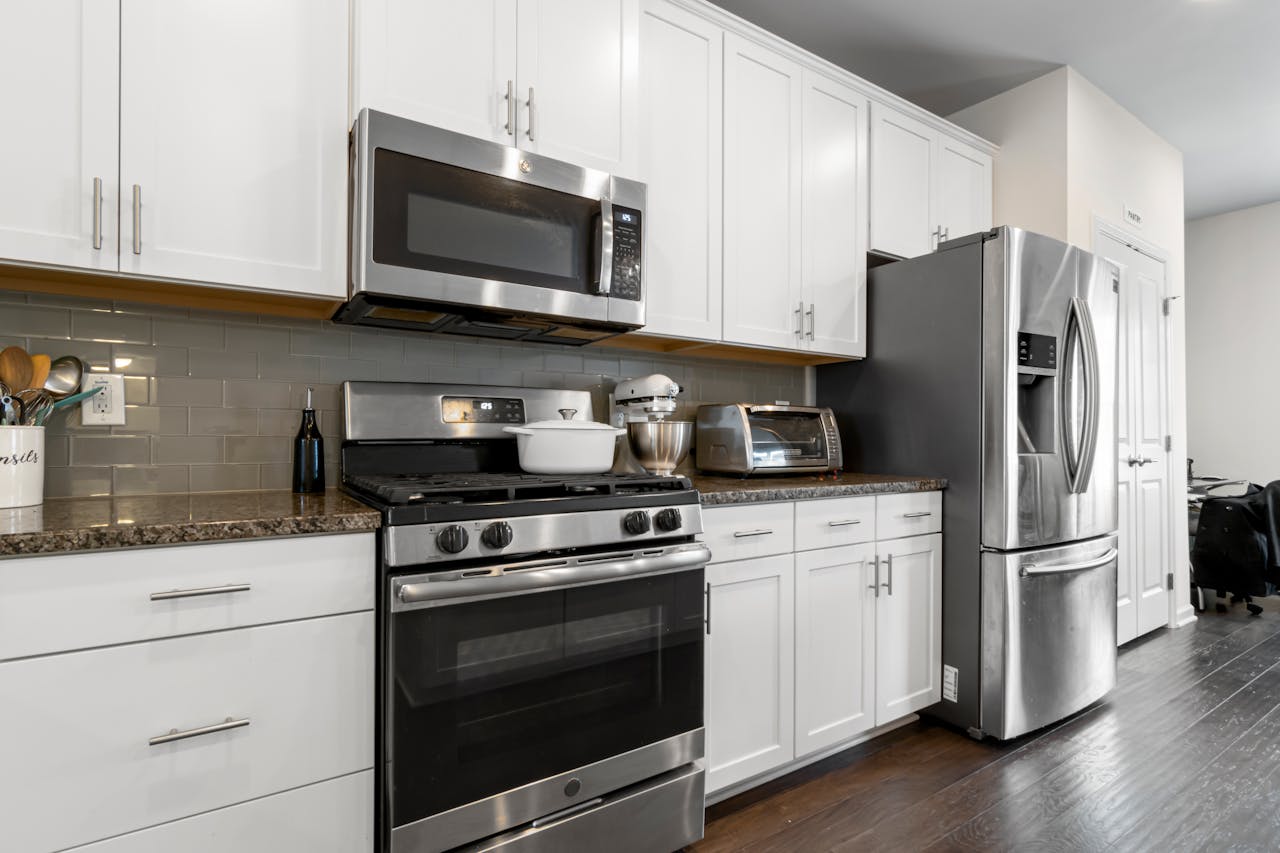
Buying a new fridge, microwave, or washing machine now comes with extra mental calculations. Tariffs on imported appliances force families to choose between saving and immediate needs. Have you ever wondered why a product feels suddenly out of reach, even with a planned budget?
Domestic alternatives often lack the variety or quality of imports, forcing tough trade-offs. Shoppers must research more to find value without sacrificing performance. Even minor cost increases make upgrades feel like luxury decisions.
Everyday conveniences like coffee makers and vacuum cleaners have become costlier too. These products may seem small, but the financial impact accumulates. Americans must constantly balance household necessities with rising expenses.
Clothing and Fashion Inflation
Tariffs on imported textiles and clothing affect what we wear. Shirts, jeans, and jackets cost more, changing shopping habits and wardrobe priorities. Have you ever skipped an outfit you liked because the price suddenly seemed too high?
Retailers often adjust pricing to cover tariff costs, leaving buyers to absorb the difference. Fast fashion items feel less accessible, and style budgets shrink. What once felt like affordable fashion now feels financially taxing.
Footwear, accessories, and seasonal items also carry extra hidden costs. Shoppers must adapt by buying fewer items or opting for cheaper alternatives. Tariffs quietly shape style choices without consumers even noticing.
Car Prices Increasing
Buying or leasing a new car has become more complicated. Imported vehicles face tariff-related taxes, pushing total costs higher. Even small increases can influence decisions between models, brands, and financing options.
Used cars can feel like a safer option, but even these are affected indirectly. Higher demand and production costs filter down, leaving buyers with limited affordable choices. For budget-conscious drivers, tariffs create constant financial pressure.
Vehicle accessories and maintenance items also reflect these hidden increases. Tires, electronics, and replacement parts now feel like mini investments. Budgeting for travel and transportation requires extra effort and planning.
Travel and Airline Costs
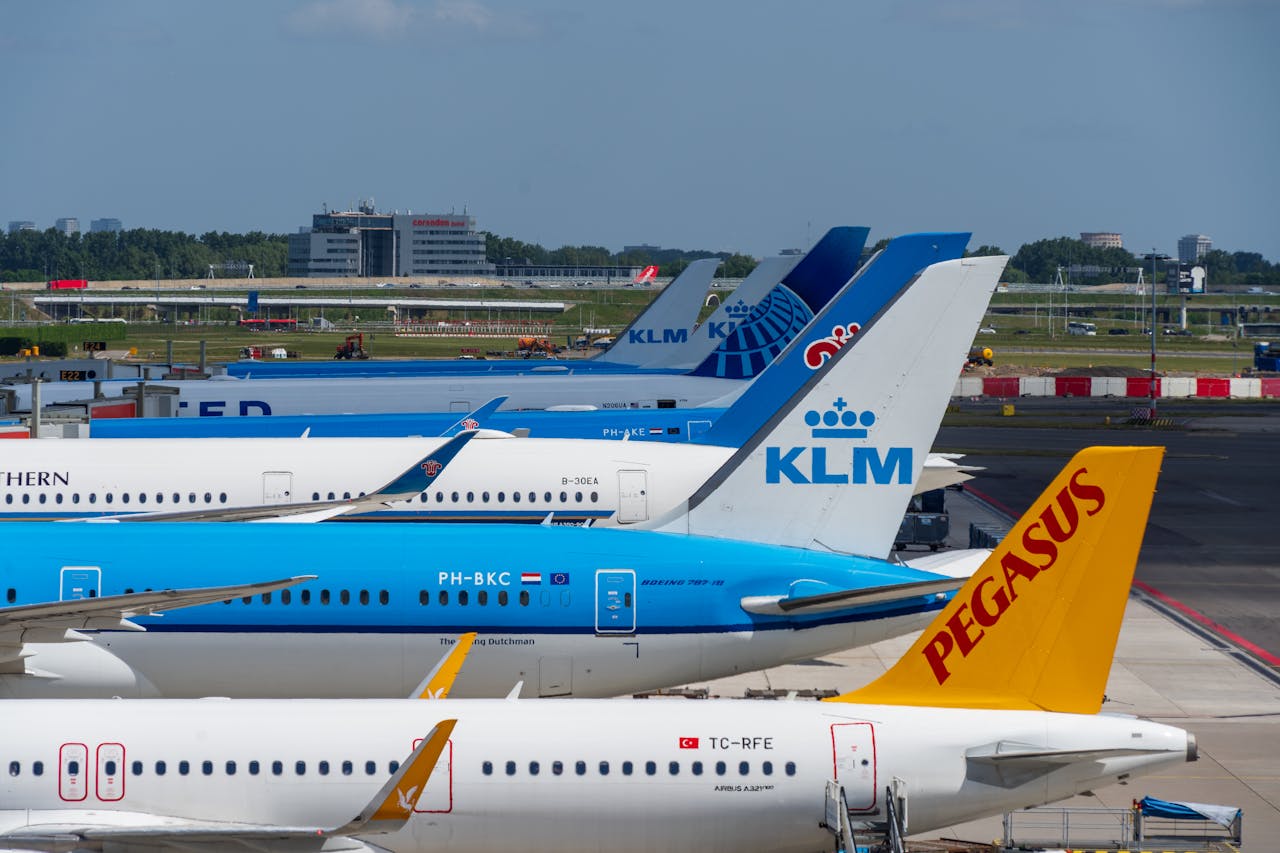
Airlines and travel companies incorporate tariffs into ticket prices, often quietly. Domestic trips may feel slightly pricier, while international flights absorb the cost of imported fuel surcharges and services. How often do you notice your planned weekend getaway suddenly hitting the wallet harder than expected?
Tour operators and hotels also reflect tariff costs indirectly through food, utilities, and imported amenities. Budget travelers feel this immediately in meals and accommodations. It is one of the subtle yet impactful ways tariffs shape daily experiences.
Travel insurance and additional fees also carry hidden increases. Americans must calculate travel costs more carefully. This is a harsh reminder that even leisure comes with financial vigilance in today’s tariff-heavy environment.
Household Goods and Furniture
Everything from sofas to kitchen utensils is affected. Imported materials are taxed, forcing higher prices at stores. Budget-conscious shoppers must constantly weigh quality against affordability.
Even basic items like towels, bedding, and kitchenware are included in this hidden increase. Families face tough choices about what to buy or replace. This quietly shifts household planning into a more calculated, sometimes stressful exercise.
Electronics integrated into furniture or home-office products feel the pinch, too. Home upgrades become more deliberate, less impulsive. It is a clear illustration of how tariffs seep into everyday living.
Restaurant and Dining Costs
Eating out feels subtly more expensive. Imported ingredients, wine, and specialty items add to restaurants’ costs. Do you ever notice menu prices creeping up without explanation?
Some restaurants adjust portion sizes to offset expenses. Others quietly raise prices while maintaining appearance and ambiance. Budget-conscious diners feel this financial pressure immediately.
Even fast food and casual dining reflect indirect effects. Ingredients, packaging, and utilities contribute to incremental increases. This is a tangible reminder of how tariffs infiltrate everyday life.
Healthcare Products and Medicines

Pharmaceuticals and medical devices are also influenced. Imported medications and tools incur tariffs, increasing costs for patients and facilities. Even minor price increases can create noticeable stress for families and seniors.
Over-the-counter remedies, supplements, and vitamins reflect similar trends. Shoppers may adjust brands or quantities to compensate. It is a subtle yet impactful consequence that affects health budgeting.
Medical equipment for home use, such as blood pressure monitors, thermometers, and other devices, also becomes more expensive. Americans must plan purchases carefully or face unexpected strain. Tariffs quietly affect not only convenience but also well-being.
Education and Office Supplies
Tariffs touch items used in schools, offices, and at home. Books, stationery, and educational tools may cost more, forcing families to reconsider purchases. How often do you notice school shopping budgets stretching thinner than before?
Electronics for learning or work also carry indirect increases. Laptops, projectors, and printers are priced higher due to imported components. Students, parents, and remote workers feel this effect clearly in their planning.
Even art and hobby supplies are impacted. Small increases accumulate over time, subtly reducing discretionary spending. Tariffs quietly alter lifestyle habits and daily decision-making across generations.
Conclusion
These ten brutal ways tariffs are quietly making American life more expensive show how hidden politics affects daily living. From groceries and clothing to travel, healthcare, and electronics, each subtle cost increase changes routines, priorities, and budgets.
The key takeaway is that awareness and careful planning can mitigate these pressures, helping Americans maintain financial balance. IMO, knowing the full impact of tariffs allows smarter choices, turning frustration into proactive budgeting and a more manageable lifestyle.