Winter can turn a simple grocery run into a major expedition. Between freezing temperatures, busy schedules, and those evenings when cooking sounds like too much work, a well-stocked pantry can save the day. The trick isn’t filling every shelf with random cans you’ll forget about. It’s choosing ingredients that can turn into several different meals. These eight canned foods deserve a spot in your kitchen before winter arrives.
Canned Tomatoes: The Starting Point for Countless Dinners
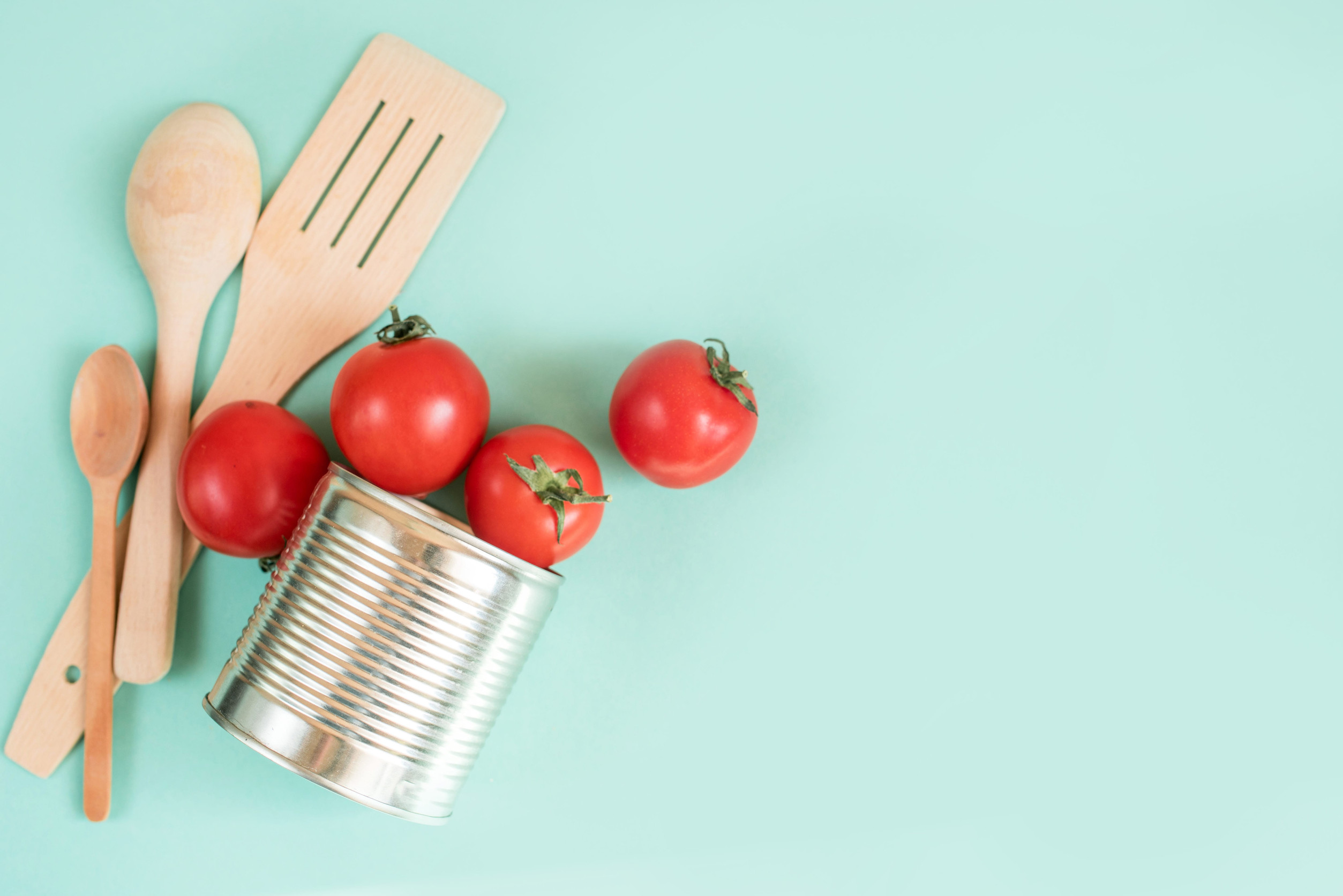
A can of tomatoes might not look particularly exciting, but give it an onion, some garlic, and a few seasonings, and dinner is already taking shape.
Canned tomatoes work beautifully in chili, spaghetti sauce, vegetable soup, and slow-cooked meat dishes. You can even combine them with canned beans and chicken broth for a comforting soup with minimal prep.
The type matters, though. Diced tomatoes are great when you want noticeable pieces, while crushed tomatoes work better for smoother sauces.
You don’t need anything fancy, either. Store-brand canned tomatoes cost around $1 per 14.5-ounce can, depending on the retailer.
Canned Beans: A Filling Dinner Without the Long Wait
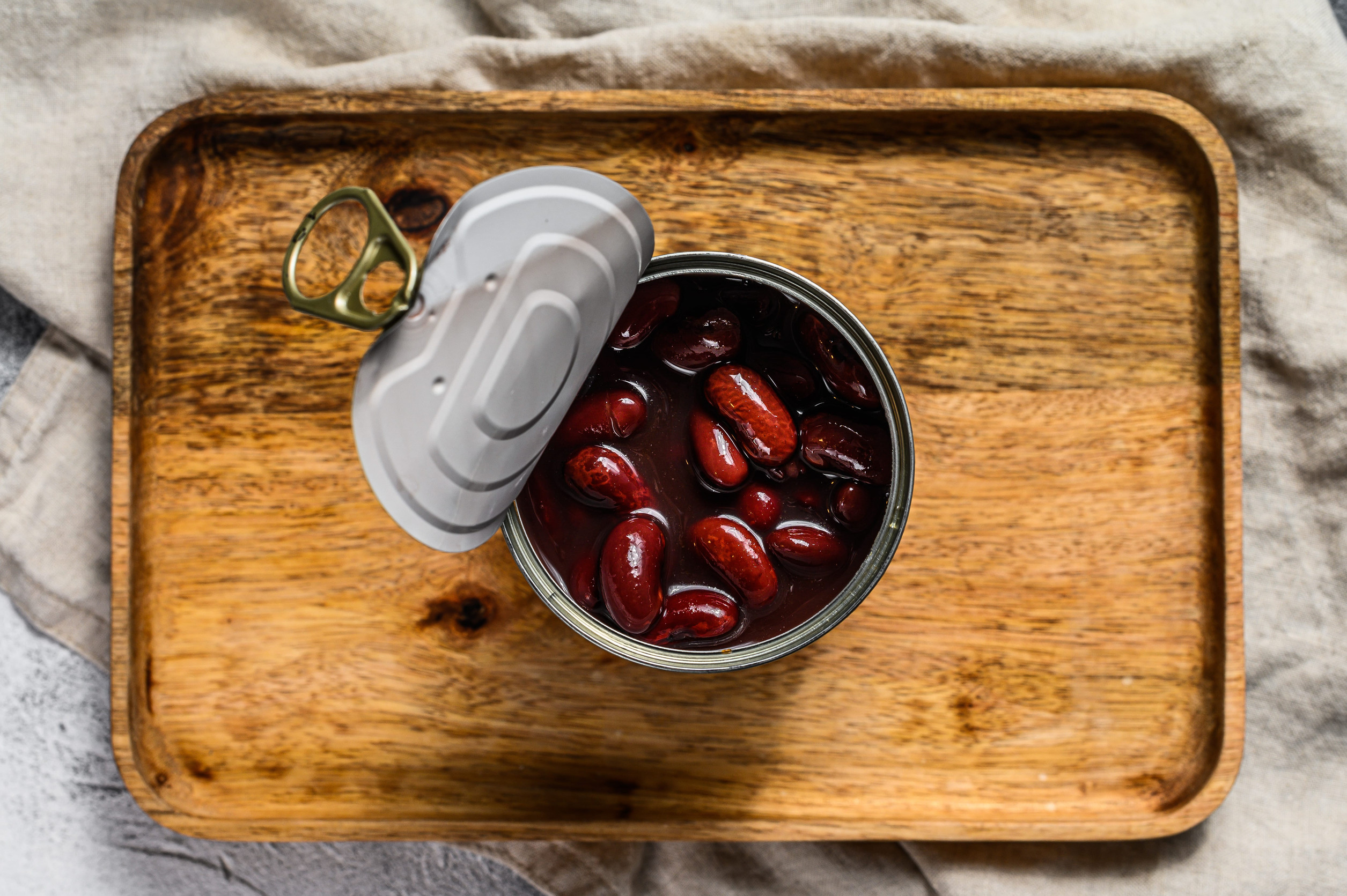
Nobody wants to remember at 5 p.m. that the dried beans for dinner needed soaking hours ago. That’s where canned beans come in.
Black beans, kidney beans, and white beans are already cooked, making them convenient additions to winter meals. Toss black beans into chili, mix kidney beans with rice, or turn white beans into a hearty soup with carrots, onions, and broth.
They’re also great for stretching meals when you’re feeding a crowd.
You don’t need six different varieties crowding your cabinets. Start with one or two types your household enjoys, and keep a few cans on hand for nights when dinner plans fall apart.
Related:6 Essential Canned Foods Every Chef Swears By for Effortless Cooking
Canned Chicken: When You Forgot to Thaw Dinner
We’ve all experienced that disappointing moment when it’s time to cook, but the chicken is still frozen solid.
Canned chicken offers a convenient alternative, especially for meals where you mix the meat with other ingredients.
Add it to chicken noodle soup, stir it into a creamy rice casserole, or combine it with cheese and tortillas for quick quesadillas. It also works in potpie-style fillings when you want something warm and comforting without cooking raw chicken first.
Since canned chicken is already cooked, you generally only need to drain it and heat it through in your dish.
Just remember that its texture is different from freshly cooked chicken breast. Save it for soups, casseroles, and mixed dishes, not as a replacement for a beautifully browned chicken dinner.
Canned Tuna: A Small Can With Plenty of Dinner Potential
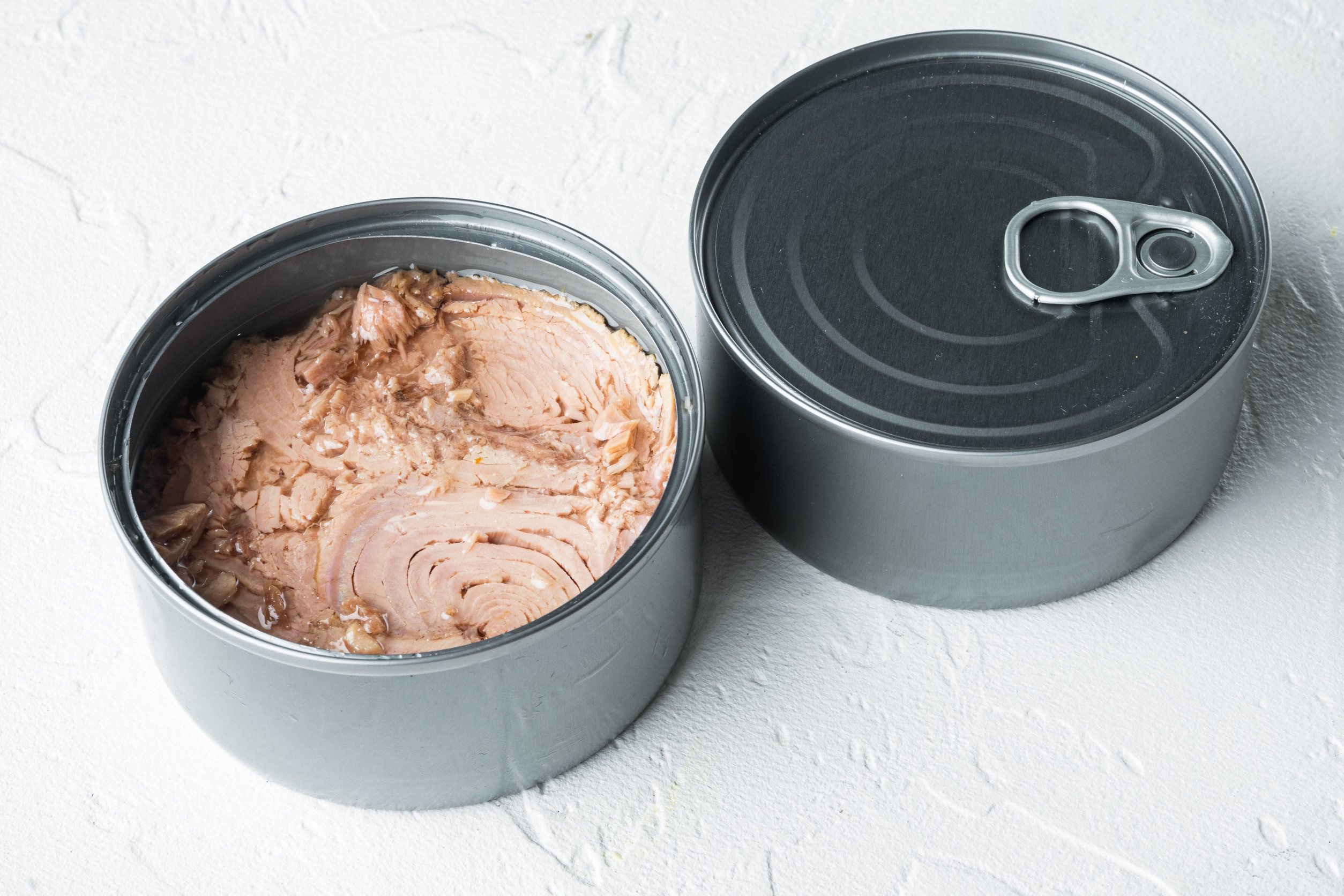
Tuna deserves more credit than being the emergency sandwich ingredient hiding behind the peanut butter.
Yes, it makes a perfectly good tuna salad sandwich. But when temperatures drop, it can also become something much more comforting.
Try a classic tuna noodle casserole with egg noodles, peas, and a creamy sauce. Or make tuna melts with bread and cheese for an easy dinner that feels a little more special than an ordinary sandwich.
For something different, combine tuna with black beans, corn, tortillas, and enchilada sauce in a Southwest-style casserole.
A standard 5-ounce can is compact enough to keep several on hand without sacrificing much cabinet space.
Related: 6 Canned Foods You Can Enjoy Straight from the Can
Canned Corn: More Than Something You Serve With Butter
Canned corn might seem like one of those vegetables you heat and place beside the main dish. But it has much more potential.
During winter, its slightly sweet flavor works particularly well in creamy soups, casseroles, and skillet dinners.
Combine corn with potatoes, onions, and chicken broth for a simple chowder. Add it to black bean chili for extra texture, or mix it with canned chicken for an easy casserole filling.
Whole-kernel corn is especially versatile because you can use it in several different dishes.
Cream-style corn has its place, too, but the two aren’t always interchangeable. If you want one can that can handle several jobs, whole-kernel corn is the practical choice.
Canned Pumpkin Puree: It Isn’t Just for Thanksgiving Pie
If you only buy canned pumpkin during Thanksgiving, you’re missing several excellent winter cooking opportunities.
Plain pumpkin puree can become a creamy soup, a savory pasta sauce, or an interesting addition to bean chili. Add garlic, broth, and your favorite seasonings, and suddenly that familiar holiday ingredient becomes a weeknight dinner shortcut.
Of course, it’s still useful for pumpkin bread, muffins, and other baked treats.
There’s one important shopping detail: Buy 100% pure pumpkin, not pumpkin pie mix.
Pumpkin pie mix already contains sugar and spices, which can make it unsuitable for savory recipes.
A 15-ounce can is usually a practical starting point if you’re experimenting with pumpkin beyond dessert.
Canned Chicken Broth: The Ingredient That Brings Everything Together
Chicken broth isn’t particularly impressive sitting alone in a cabinet. But once you start cooking, it becomes one of the most useful things you own.
A can of broth can transform leftover vegetables, noodles, and canned chicken into a warm soup. It can also add flavor to rice, help create skillet sauces, or provide the liquid for a comforting chowder.
Pair it with canned tomatoes and white beans, and you’ve already got the foundation for a satisfying winter meal.
Ready-to-use broth is convenient because there’s no need to prepare stock from scratch.
However, check the label before cooking. Ready-to-use and condensed broth are different products, and some require additional water.
If cabinet space is especially limited, consider concentrated broth or bouillon instead.
Canned Potatoes: Skip the Peeling and Get Cooking
Canned potatoes might be the most overlooked item on this list. They’re not glamorous, and they probably won’t replace fresh potatoes in every recipe.
But they can make certain winter meals considerably easier.
Instead of peeling and chopping potatoes after a long day, open a can of diced or sliced potatoes and get straight to cooking.
They’re particularly useful in corn chowder, quick potato soup, and breakfast hash with onions and leftover meat.
You can also drain sliced potatoes, dry them, and warm them in a skillet with butter and herbs for a simple side dish.
Their biggest selling point isn’t necessarily price. It’s convenience, especially when you’re making meals that don’t require the texture of freshly prepared potatoes.
A Few Pantry Rules Worth Remembering
Before stacking those cans to the ceiling, remember that proper storage matters.
According to the USDA’s canned-food guidance, unopened high-acid canned foods, including tomatoes, generally maintain their best quality for about 12 to 18 months. Many low-acid canned foods, including meat and vegetables, generally last 2 to 5 years when stored properly.
Store cans in a cool, dry place, rotate older purchases to the front, and avoid using cans that are bulging, leaking, or severely damaged.
Most importantly, buy foods your family actually eats. A bargain isn’t much of a bargain if it sits untouched for years.
Winter cooking doesn’t have to start with a fully stocked refrigerator or an exhausting trip to the supermarket. Sometimes, a few thoughtfully chosen cans are all it takes to turn an ordinary evening into a satisfying dinner.
Other Posts You May Like
- 6 Cheap Frozen and Canned Foods That Can Be as Healthy as Fresh Produce
- 5 Time-Saving Canned Foods That Taste Amazing